Our readers keep the lights on and my smoothie glass nicely filled. As an Amazon Associate, I earn from qualifying purchases.
Yeast infections in dogs are a frustrating cycle of head shaking, ear odor, paw licking, and relentless scratching that often traces back to an underlying food allergy. The right diet can quiet that inflammation at the source by removing the triggers that feed the yeast—primarily sugars and starches—while supplying nutrients that support the skin barrier and immune system. This guide singles out five proven options that take two distinct approaches: functional soft chews that address the immune response from the inside out, and limited-ingredient kibbles that strip the diet down to a single novel protein and a short list of digestible carbs.
I’m Mohammad Maruf — the founder and writer behind WellFizz. I’ve spent hundreds of hours combing through veterinary dermatology studies, analyzing pet food AAFCO nutrient profiles, and cross-referencing real owner feedback to isolate the concrete specs that actually break the allergy cycle in yeast-prone dogs.
Your goal is to stop the yeast overgrowth by cutting off its fuel and calming the immune response, and this guide to the best dog food for yeast allergies scores every product on protein source purity, carbohydrate profile, probiotic potency, and fatty acid ratios that directly support skin barrier repair.
How To Choose The Best Dog Food for Yeast Allergies
Yeast overgrowth in dogs is almost always a secondary symptom of an underlying immune or dietary trigger. Choosing the right food means systematically eliminating the ingredients that feed yeast and support the inflammation cycle.
Single Novel Protein Source Is Non-Negotiable
Chicken, beef, and eggs are the most common canine allergens and the primary fuel for the allergic cascade that leads to yeast. A true limited-ingredient diet must use a single protein your dog has never eaten before — lamb, salmon, turkey, or venison — and guarantee zero cross-contamination with poultry or common red meats. Check the bag for “single animal protein source” on the front and scan the ingredient list for any second protein isolate or meal.
Carb Profile Matters More Than Grain-Free Status
Yeast feeds on sugar, and carbohydrates break down into sugar during digestion. Many grain-free formulas replace wheat and corn with potatoes, tapioca, or peas that spike blood sugar and feed yeast just as readily. Look for low-glycemic carbohydrate sources such as chickpeas, lentils, or sweet potato listed lower than the top three ingredients, and avoid any added sugar, molasses, or cane syrup.
Omega‑3 to Omega‑6 Ratio Supports Skin Barrier Function
A damaged skin barrier allows allergens to penetrate and triggers the histamine response that encourages yeast. Salmon oil, flaxseed, and fish meal provide EPA and DHA that reduce inflammation and reinforce the lipid layer. Aim for a formula that lists a named oil (salmon oil, menhaden fish oil) in the first five ingredients and supplies at least 0.5% combined omega‑3 content on the guaranteed analysis.
Probiotic Strains That Target Gut-Skin Axis
Gut dysbiosis contributes to systemic inflammation and lowers the threshold for yeast flare-ups. Lactobacillus acidophilus, Lactobacillus plantarum, and Bacillus coagulans are the strains most studied for supporting immune tolerance and crowding out pathogenic yeast in the GI tract. Solid chews and kibble with guaranteed live CFU counts at the time of manufacture outperform generic “dried fermentation products.”
Quick Comparison
On smaller screens, swipe sideways to see the full table.
| Model | Category | Best For | Key Spec | Amazon |
|---|---|---|---|---|
| Blue Buffalo Basics Turkey & Potato | Limited Ingredient Kibble | Complete elimination diet | 11‑lb bag, single turkey protein | Amazon |
| Nulo FreeStyle Salmon | Limited Ingredient Kibble | Poultry-sensitive & yeast-prone skin | BC30 probiotic, 30% crude protein | Amazon |
| ACANA Singles Lamb & Apple | Limited Ingredient Kibble | Sensitive digestion & flatulence | 65% animal ingredients, freeze-dried coating | Amazon |
| Zesty Paws Allergy Immune Bites | Functional Soft Chew | Supplemental immune & skin support | EpiCor Pets fermentate, 250M CFU probiotics | Amazon |
| Nupec Sensitive Seafood | Hypoallergenic Pellet | Budget-friendly limited ingredient trial | Seafood single protein, 2 kg bag | Amazon |
In‑Depth Reviews
1. Blue Buffalo Basics Turkey & Potato

Blue Buffalo Basics distills the diet down to a single novel animal protein (turkey) and a single carbohydrate source (potato), eliminating the most common triggers that drive yeast overgrowth — chicken, beef, eggs, corn, wheat, and soy. With 11 pounds of kibble in the bag, this is a practical full-elimination diet trial for a medium breed dog without jumping up to a more expensive veterinary prescription. The inclusion of Omega-3 and Omega-6 fatty acids from flaxseed directly supports the skin barrier repair that prevents allergens from penetrating and triggering secondary yeast infections.
Owners report visible resolution of red eyes, ear infections, yeast on the paws, and chronic scooting within the first month of switching. The formula features LifeSource Bits — cold-formed antioxidant pellets that retain their potency better than heat-extruded vitamins mixed into the kibble base. This matters for long-term immune support in a dog with chronic allergic inflammation. The texture is a standard dry kibble that most dogs accept readily, and the ingredient profile is low-glycemic enough to avoid fueling yeast while still providing digestible energy.
Some picky eaters may turn up their nose at the turkey flavor compared to more aromatic fish-based formulas, and the recipe uses potatoes as the primary carb, which is still a moderate-glycemic option — ideal for most yeast cases but not the absolute lowest-glycemic choice (green lentils or chickpeas are lower). For a first elimination diet, this bag offers the best balance of ingredient purity, bag size, and price-per-pound for dogs with skin and stomach sensitivities.
Why it’s great
- Single turkey protein source reduces allergen load on the immune system
- 11‑lb bag provides a cost-effective full elimination diet trial
- Cold-formed LifeSource Bits preserve antioxidant potency
Good to know
- Potatoes are a moderate-glycemic carb — slightly higher than lentil-based formulas
- Turkey flavor may not appeal to dogs accustomed to fish or beef diets
2. Nulo FreeStyle Limited Ingredient Salmon
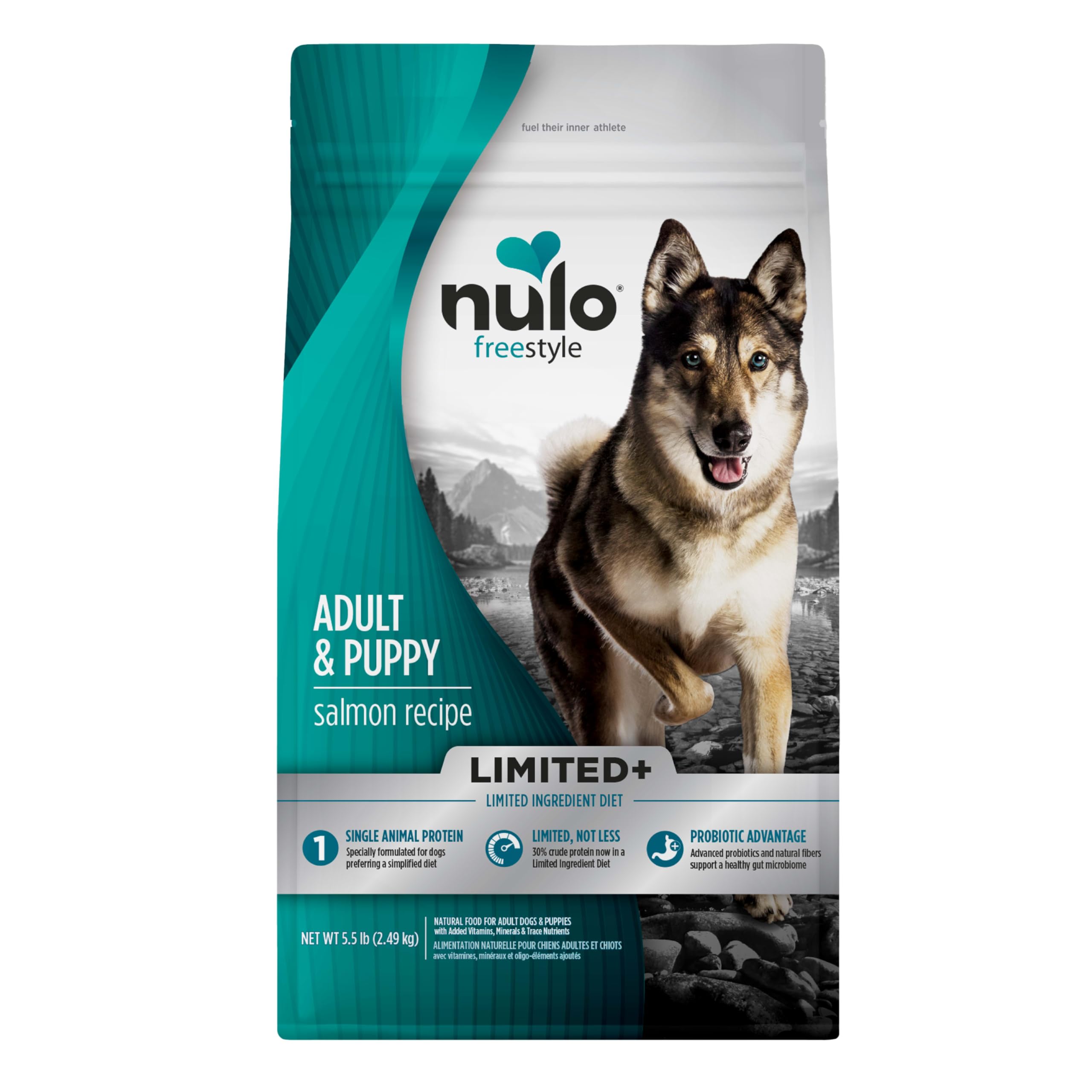
Nulo FreeStyle leans into a single animal protein (salmon) with 30% crude protein, which supports lean muscle while keeping the allergen load minimal. The formula is free of chicken, eggs, peas, grains, corn, wheat, soy, and artificial preservatives — a clean sweep of the top canine allergen suspects. Salmon oil supplies a dense concentration of EPA and DHA, delivering the omega‑3s that directly reduce the inflammatory cytokines involved in yeast-driven dermatitis. Owners of dogs with chronic paw licking and ear discharge report dramatic improvement after a two-week transition.
What sets this kibble apart is the patented BC30 probiotic (Bacillus coagulans), which survives the high-heat extrusion process better than standard Lactobacillus strains. Guaranteed live CFUs mean the probiotic reaches the gut intact, where it competes with Candida and Malassezia yeast for adhesion sites in the intestinal lining. The 5.5‑pound bag is a practical trial size for a small or medium breed — enough to see a difference in stool quality and coat condition without committing to a 20‑pound investment. The 5‑strain probiotic blend also includes Lactobacillus acidophilus, plantarum, and three additional strains that diversify the gut microbiome.
Some owners note occasional batch moisture or mold complaints, which is a risk with any kibble stored in non-airtight packaging. The bag size is on the smaller side for larger breeds — expect to reorder frequently for a 60‑pound dog. Price-per-pound lands in the mid-range tier, but the combination of a single novel protein, guaranteed probiotics, and omega‑3 density makes it one of the most targeted formulas for yeast-allergy dogs who also have sensitive stomachs.
Why it’s great
- BC30 heat-tolerant probiotic guarantees live CFU delivery to the gut
- No chicken, eggs, peas, grains, or artificial additives
- High omega‑3 content directly supports anti-inflammatory skin barrier repair
Good to know
- 5.5‑lb bag requires frequent reorders for large breeds
- Occasional reports of moisture in packaging — store in airtight container
3. ACANA Singles Lamb & Apple
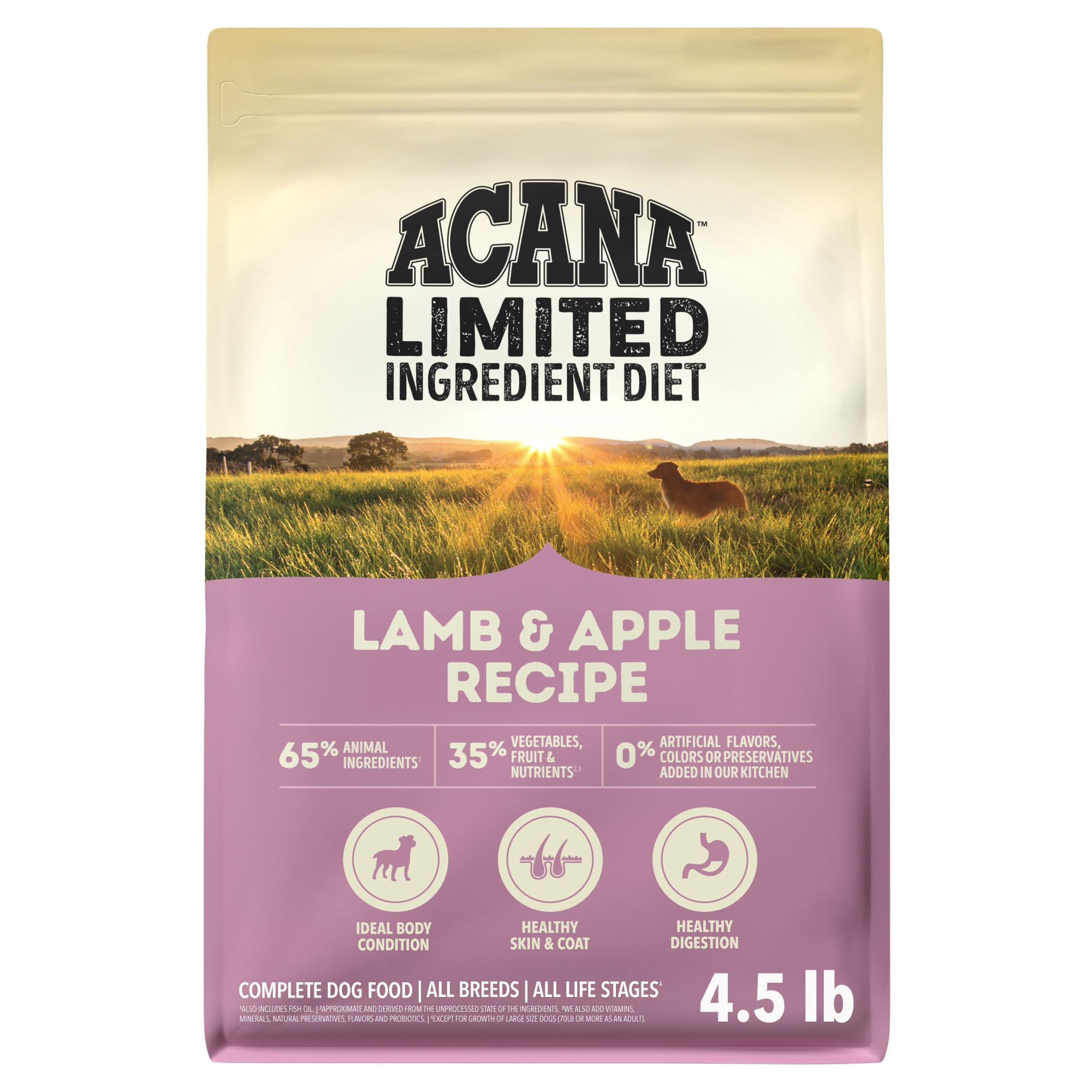
ACANA Singles takes a biologically appropriate approach with 65% animal ingredients — lamb and lamb liver — and pairs them with apple as a novel, low-glycemic carbohydrate source. Apple provides pectin fiber that feeds beneficial gut bacteria without the starch load that yeast thrives on. The freeze-dried raw coating on each piece of kibble adds a layer of untouched animal protein concentrate that boosts palatability and preserves heat-sensitive enzymes. Dogs with chicken and egg allergies who develop yeast as a secondary symptom often resolve their chronic flatulence and loose stool on this formula.
This kibble resists absorbing water when soaked — a minor quirk that some owners need to account for if their dog requires softened kibble for dental reasons — but the trade-off is a low-moisture recipe that prevents mold growth in the bag. The guaranteed Omega‑3 and Omega‑6 fatty acid profile supports the skin barrier, and the inclusion of prebiotic fibers from chicory root and pumpkin helps maintain a diverse gut microbiome that crowds out pathogenic yeast. Many reviewers with Samoyeds, Pugs, and Papillons report a complete cessation of noxious gas within the first bag.
The smell is notably strong and described by some owners as a “carcass odor,” which is a direct consequence of the high fresh animal content — a positive sign of ingredients rather than fillers, but something to consider if your dog is sensitive to strong aromas. Bag size at 4.5 pounds is the smallest in this tier, making it a premium commitment for larger dogs despite the per-pound value being competitive with other high-meat recipes. For dogs with confirmed chicken and egg allergies that present as yeast, this is one of the cleanest protein-composition options available.
Why it’s great
- 65% animal ingredients with zero poultry or eggs
- Apple as a low-glycemic carb source reduces yeast fuel
- Freeze-dried coating preserves heat-sensitive enzymes and improves palatability
Good to know
- Strong odor due to high fresh meat content
- 4.5‑lb bag is small for large breed owners — reorder frequency is high
4. Zesty Paws Allergy Immune Bites
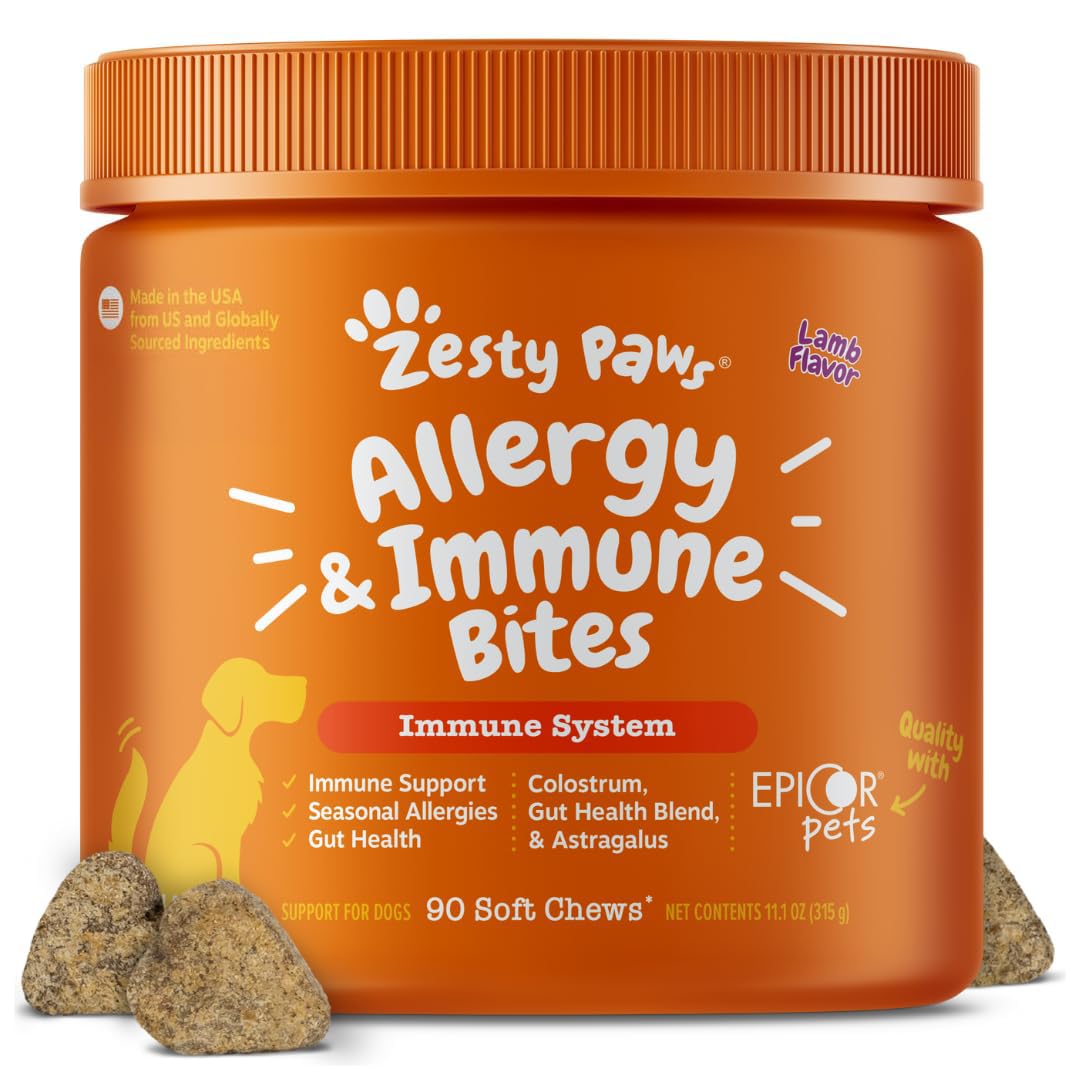
Zesty Paws takes a different route from kibble — these soft chews deliver immune modulation through EpiCor Pets, a whole yeast fermentate derived from Saccharomyces cerevisiae that primes the gut-associated lymphoid tissue (GALT) to respond appropriately to allergens. The 250 million CFU of a 5‑strain Lactobacillus blend (including acidophilus, plantarum, and three additional strains) works directly on the gut-skin axis, while colostrum provides passive immunity via immunoglobulins that bind to gut pathogens. This formula is designed to be added on top of a clean diet, not replace it.
Owners report that these chews effectively resolve mild to moderate grass and environmental allergies within a week to two weeks, with some able to reduce or replace Apoquel after a two-month trial. The lamb flavor is palatable across most breeds, and the soft chew texture makes administration easy even for toy breeds and senior dogs with dental sensitivity. Astragalus root adds adaptogenic immune support, and apple cider vinegar provides a mild antimicrobial environment that may help balance skin pH against yeast overgrowth.
The chews are not a standalone treatment for severe yeast cases — dogs with deep ear infections, intense foot chewing, or full-body pyoderma need a comprehensive diet change and veterinary treatment first. Some reviewers report no improvement in itchiness for dogs that have already failed Apoquel and Cytopoint, indicating that these chews work best for moderate seasonal or environmental allergies rather than advanced food-allergy yeast cycles. The 90-count bottle lasts 45 to 90 days depending on dog size, making it a cost-effective maintenance supplement once the primary dietary trigger is removed.
Why it’s great
- EpiCor Pets modulates gut immune response to allergens at the source
- 5‑strain probiotic blend with 250 million CFU supports gut-skin axis
- Soft chew format is easy to administer for all breed sizes
Good to know
- Not a standalone solution for severe yeast or food allergies
- Results may take up to two weeks — not immediate relief
5. Nupec Sensitive Seafood

Nupec Sensitive is a budget-conscious entry into limited-ingredient feeding for yeast-allergy dogs. The seafood-based single protein source avoids chicken, beef, and eggs — the three most common canine allergens — and the formula is enriched with omega‑3 and omega‑6 fatty acids to support skin health and reduce inflammatory flare-ups. The pellet form is smaller than standard kibble, making it suitable for small breeds and dogs with picky chewing habits. Owners report visible reductions in scratching and allergy symptoms within the first two weeks of use.
This formula is designed as an auxiliary or introductory elimination diet — it works best for dogs with mild food sensitivities rather than severe chronic yeast infections that require a deeper dietary overhaul. The 2‑kilogram bag is the smallest in this guide, ideal for trial runs with small to medium breeds before committing to a larger formula. The seafood flavor is generally well-accepted, though some picky eaters may refuse it after a few days, which is a common issue with any limited-protein novel diet.
The availability is more limited than mainstream brands, and the ingredient transparency is lower — the manufacturer is listed as YINGMO rather than a major US pet food producer, which may concern owners who prioritize domestic sourcing and rigorous AAFCO feeding trials. The bag size requires frequent reordering for larger dogs, and the flavor becomes monotonous for some dogs, causing appetite dips. For owners on a tight budget who need a starting point for a seafood-based elimination trial with their small-breed dog, Nupec provides a functional entry point at the lowest per-bag cost.
Why it’s great
- Single seafood protein avoids chicken and beef allergens
- Omega‑3 and omega‑6 fatty acids support skin barrier repair
- Smallest trial bag size minimizes financial commitment
Good to know
- 2‑kg bag is too small for large breed dogs — frequent reordering required
- Some dogs dislike the seafood flavor after prolonged feeding
FAQ
Can a single protein kibble alone cure my dog’s yeast infection?
How long does it take to see improvement after switching to a limited-ingredient diet?
Is grain-free dog food automatically good for yeast allergies?
Final Thoughts: The Verdict
For most users, the dog food for yeast allergies winner is the Blue Buffalo Basics Turkey & Potato because it combines a truly single novel protein source with a practical 11‑pound bag size and antioxidant-rich LifeSource Bits — everything you need for a complete elimination diet trial without jumping to a veterinary prescription. If you prefer a fish-based formula with guaranteed live probiotics for gut-skin axis support, grab the Nulo FreeStyle Salmon. And for a high-meat, low-glycemic option that resolves chicken-related flatulence and yeast simultaneously, nothing beats the ACANA Singles Lamb & Apple.

Mo Maruf
I created WellFizz to bridge the gap between vague wellness advice and actionable solutions. My mission is simple: to decode the research and give you practical tools you can actually use.
Beyond the data, I am a passionate traveler. I believe that stepping away from the screen to explore new environments is essential for mental clarity and physical vitality.