Our readers keep the lights on and my smoothie glass nicely filled. As an Amazon Associate, I earn from qualifying purchases.
Dairy sensitivity no longer means compromising on protein quality or taste. The market for plant-based protein has matured dramatically, moving past gritty, chalky formulas toward blends that rival whey in texture, amino acid profile, and mixability.
I’m Mohammad Maruf — the founder and writer behind WellFizz. I scrutinize ingredient labels, third-party certifications, and amino acid breakdowns to identify which blends deliver complete protein without hidden dairy derivatives.
After reviewing dozens of formulations and filtering through customer feedback on digestibility and flavor, I offer my curated list of the best dairy free protein powder options that prioritize clean sourcing and actual results.
How To Choose The Best Dairy Free Protein Powder
Selecting a dairy-free protein powder requires more than just confirming the absence of milk. You must evaluate protein source, amino acid completeness, digestibility, and additive profile. The wrong pick can leave you with poor results or uncomfortable bloating.
Protein Source and Completeness
Not all plant proteins are created equal. Pea protein is rich in iron and BCAAs, but it lacks methionine. Rice protein compensates for that gap. Blends combining pea, rice, and sometimes fava or sacha inchi deliver a complete amino acid profile comparable to whey. Single-source protein powders can work if combined with other foods throughout the day, but a well-designed blend simplifies the process.
Digestive Enzymes and Gut Comfort
Dairy free powders often rely on legumes like peas, which can cause gas or bloating in sensitive individuals. Brands that include digestive enzymes such as bromelain, papain, or aminogen help break down protein more efficiently and reduce gastrointestinal discomfort. This is a non-negotiable spec for people switching from whey who worry about plant-based digestion.
Added Sugars and Fillers
Many dairy-free powders compensate for texture with gums (xanthan, guar) or heavy sweeteners. Some use stevia, others use monk fruit, and some add no sugar at all. For daily use, a product with minimal filler content and a sweetener you tolerate — or an unflavored option — gives you more control over your shakes and baking.
Quick Comparison
On smaller screens, swipe sideways to see the full table.
| Model | Category | Best For | Key Spec | Amazon |
|---|---|---|---|---|
| Optimum Nutrition Gold Standard Plant | Premium | Complete amino profile | 24g protein per serving | Amazon |
| Truvani Chocolate Peanut Butter | Premium | Cleanest ingredients | 20g organic pea protein | Amazon |
| MRM Veggie Elite Vanilla Bean | Mid-Range | Clinically tested formula | 4.5g BCAAs per serving | Amazon |
| Orgain Organic Creamy Chocolate Fudge | Mid-Range | Prebiotic fiber support | 6g prebiotic fiber per serving | Amazon |
| Orgain x Justin’s Chocolate Peanut Butter | Mid-Range | Nut butter flavor blend | 20g organic plant protein | Amazon |
| OM Mushroom Master Blend Vanilla | Mid-Range | Functional mushroom blend | 21g protein + 2000mg mushrooms | Amazon |
| Micro Ingredients Pea Protein | Budget | Unflavored bulk supply | 27g protein, 5lb pouch | Amazon |
In‑Depth Reviews
1. Optimum Nutrition Gold Standard 100% Plant Protein
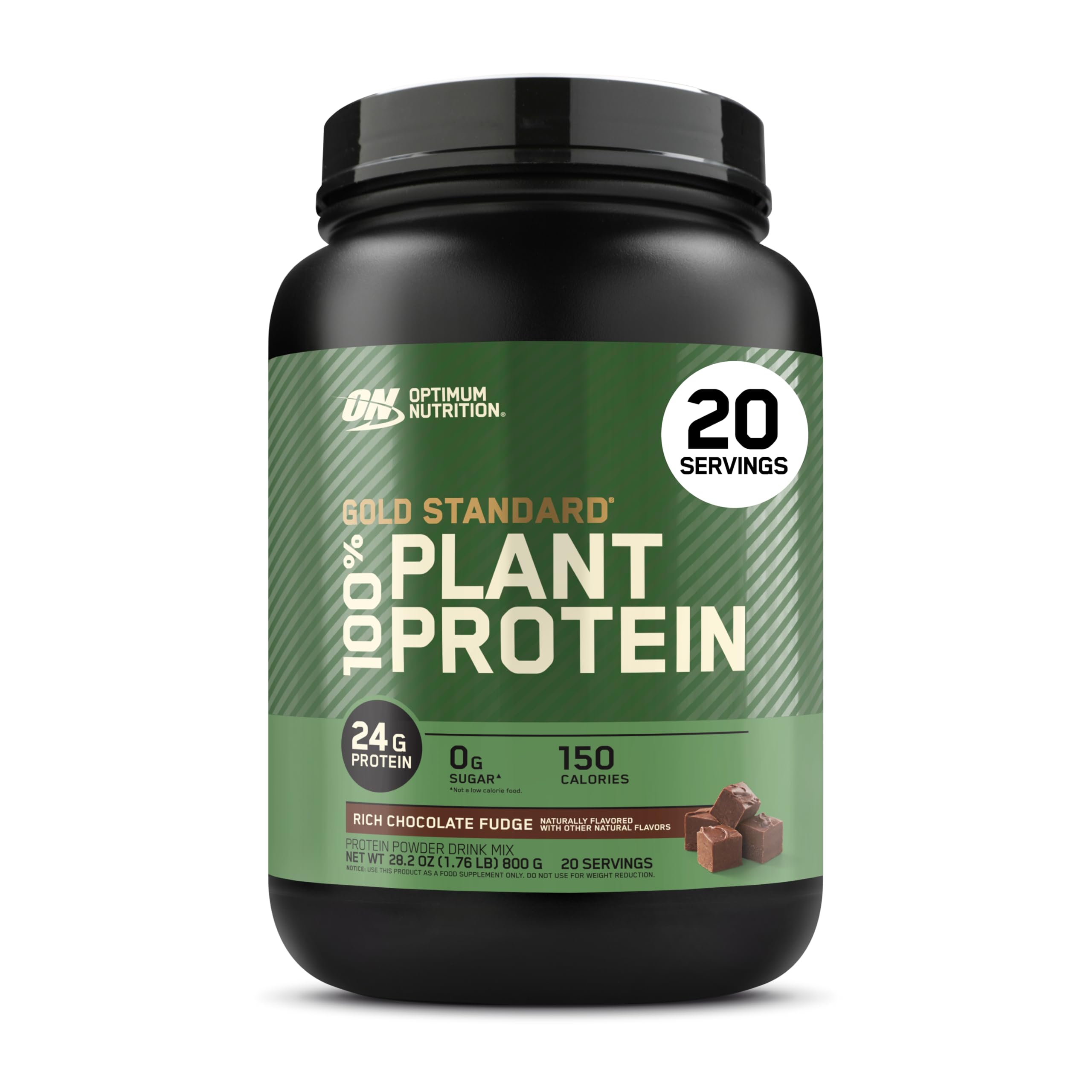
Optimum Nutrition brings its trusted Gold Standard formulation to plant-based protein with a three-source blend of pea, rice, and fava bean protein. Each serving delivers 24 grams of complete protein with all nine essential amino acids and zero sugar, making it one of the highest-protein dairy-free options on the shelf. The brand’s reputation for banned-substance testing adds a layer of quality assurance that competitive athletes appreciate.
Mixability stands out in this category — the powder blends smoothly with water, almond milk, or in a shaker cup without clumping or separating into a gritty residue. The Rich Chocolate Fudge flavor avoids the overly sweet stevia aftertaste common in plant powders, striking a balanced sweetness that makes it palatable for daily shakes and post-workout recovery.
Users switching from whey report minimal bloating and good satiety, which is critical for dairy-sensitive individuals who need protein without gastrointestinal distress. The lower carbohydrate profile also suits those monitoring net carbs or following a moderate keto approach.
Why it’s great
- Highest protein density at 24g per serving among dairy-free powders tested
- Triple-source blend (pea, rice, fava) ensures complete amino acid coverage
- Banned substance tested for competitive athletes
Good to know
- Limited to 20 servings per container — runs out faster than bulk options
- Uses stevia as sweetener, which some palates find slightly sweet
2. Truvani Dairy Free Protein Powder — Chocolate Peanut Butter

Truvani takes a minimalist approach to formulation with only seven to ten ingredients depending on flavor, all certified USDA Organic. The protein comes from organic pea, pumpkin seed, and chia seed, avoiding stevia entirely in favor of organic monk fruit. This makes it one of the few dairy-free powders that earns top marks from independent consumer testing organizations for low heavy metals.
The Chocolate Peanut Butter flavor avoids the chalky, graininess problem entirely. Users consistently describe the texture as smooth and the flavor as genuinely enjoyable, even without any gums or fillers to stabilize mouthfeel. Each serving provides 20 grams of protein at 120-140 calories, keeping it suitable for weight management goals.
This powder works best blended into smoothies with fruit and greens, where its clean flavor profile does not compete with other ingredients. The lack of added fillers means less settling compared to gum-thickened powders, but it requires a quick stir or shake before each use.
Why it’s great
- USDA Organic certification with transparent, short ingredient list
- Monk fruit sweetener — no stevia or artificial sweeteners
- Low heavy metal score in independent consumer lab tests
Good to know
- Price per serving is higher than most competitors
- Not ideal for those who dislike monk fruit sweetness profile
3. MRM Veggie Elite Performance Protein — Vanilla Bean
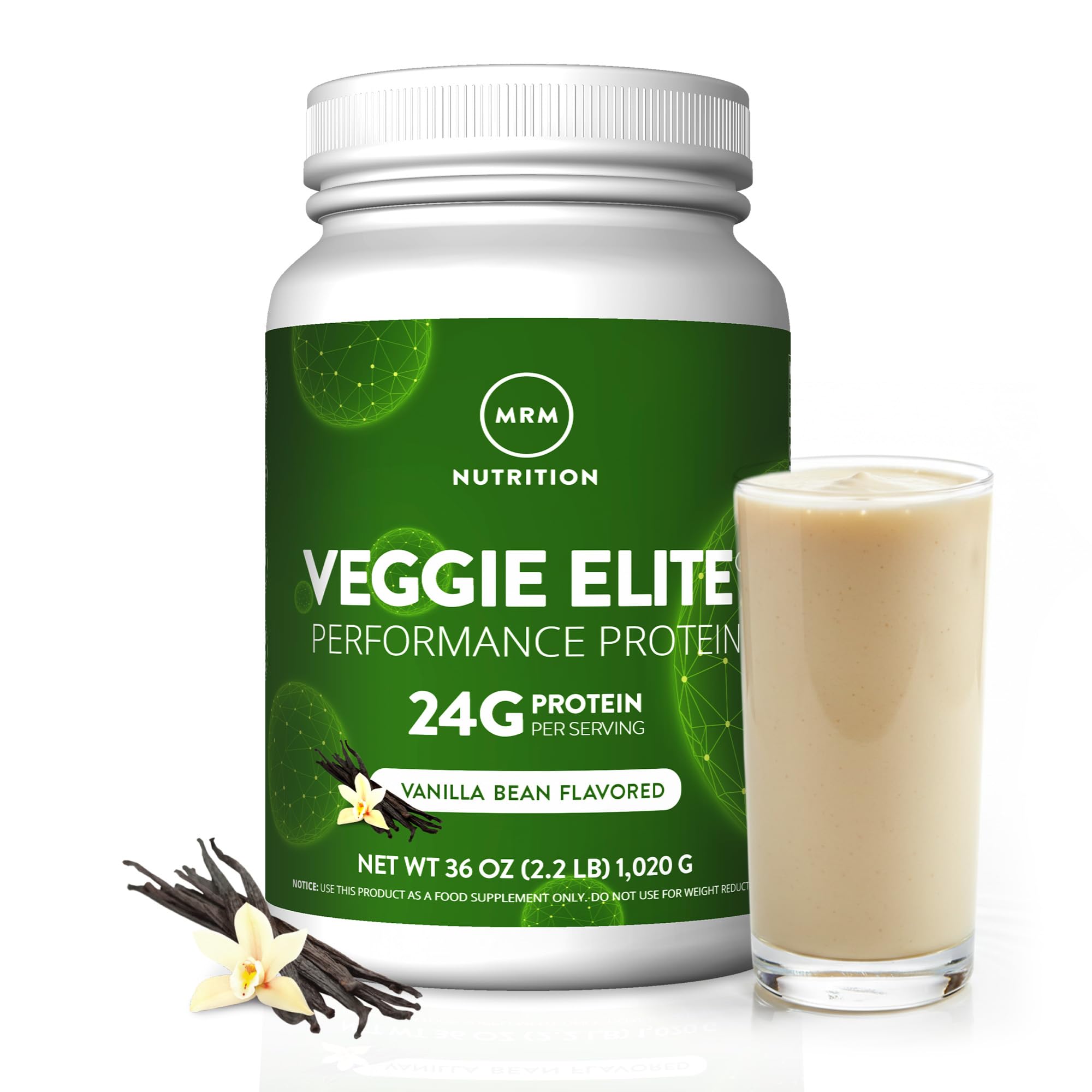
MRM has been refining plant-based protein since 2013, and the Veggie Elite formula reflects that longevity. The blend combines pea and organic brown rice protein with sacha inchi — a Peruvian seed that adds omega-3s — and includes a full spectrum of digestive enzymes. Each scoop delivers 24 grams of protein with 4.5 grams of BCAAs and 9.5 grams of total amino acids.
The Vanilla Bean flavor works as a flexible mixer for smoothies, overnight oats, and baked goods. Users transitioning from whey appreciate the absence of bloating and gas, largely thanks to the added enzymes that break down legume-based protein more efficiently. The formula undergoes clinical testing for digestibility, which sets it apart from generic plant powders.
Texture is slightly grittier than ultra-fine milled competitors — some users prefer blending with 8-10 ounces of water rather than shaking. The stevia sweetness level is moderate but noticeable, and those sensitive to stevia may want to start with a smaller serving to adjust.
Why it’s great
- Clinically tested digestibility with added bromelain and papain
- Sacha inchi adds omega-3 fatty acids to the protein profile
- Long-standing brand with over a decade of formulation refinement
Good to know
- Scoop measurement is inconsistent — use a food scale for accuracy
- Grittier texture compared to newer ultra-milled competitors
4. Orgain Organic Vegan Protein Powder — Creamy Chocolate Fudge
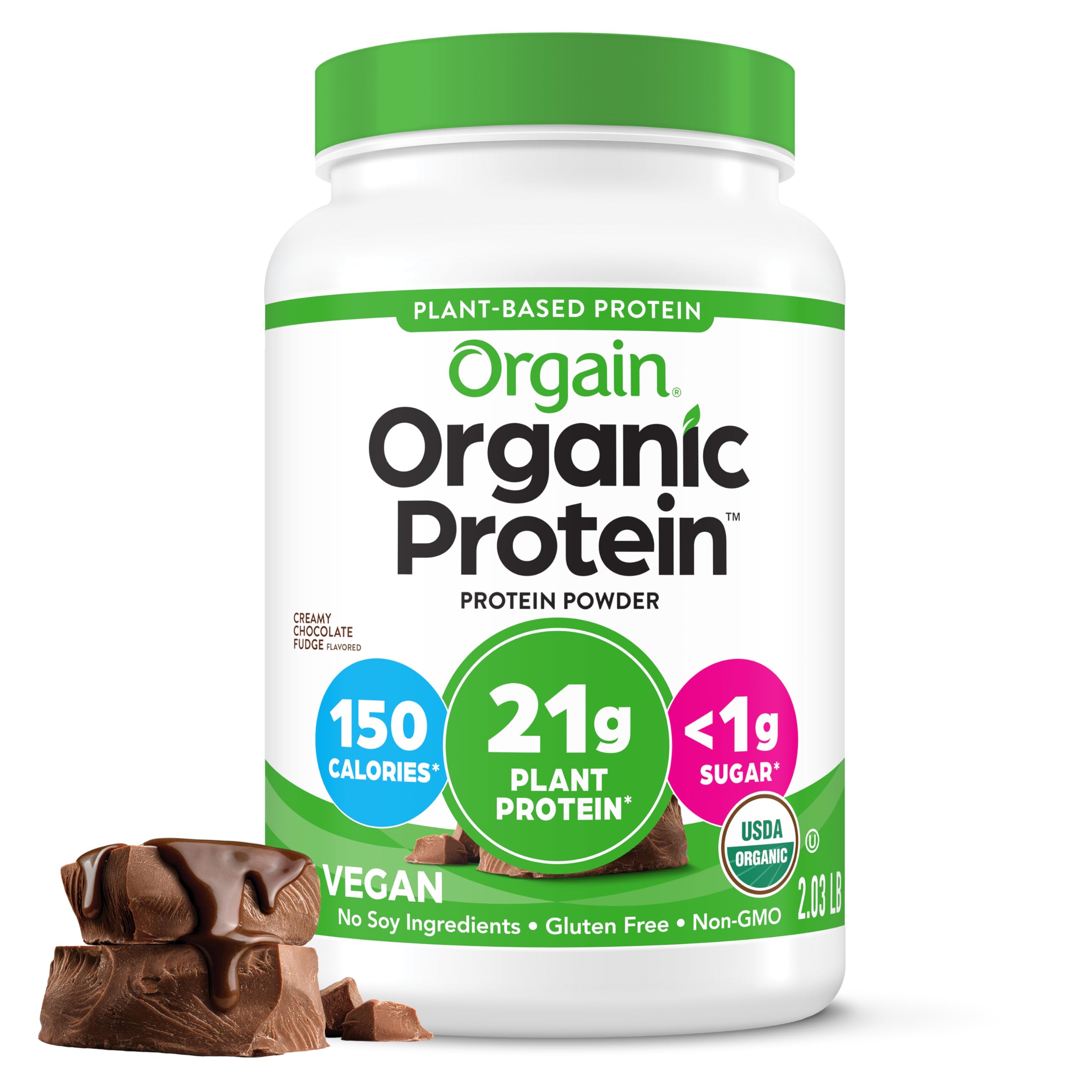
Orgain delivers a versatile protein powder that doubles as a fiber supplement. The organic protein blend of pea, brown rice, and chia seeds delivers 21 grams of protein and 6 grams of prebiotic fiber per serving, with zero grams of sugar. The addition of fiber supports steady digestion and helps maintain fullness longer than straight protein powders.
The Creamy Chocolate Fudge flavor is well-received by most users for its rich cocoa taste, though some find it on the sweeter side due to the stevia content. The powder mixes well with water, almond milk, or oat milk, but a blender ball in a metal shaker works best to avoid clumps — plastic shakers may leave more residue.
Users with multiple food allergies praise this formula for being free from soy, gluten, dairy, and carrageenan. The certification from USDA Organic and the Plant Based Foods Association adds an extra layer of credibility. The price per serving falls in the comfortable mid-range zone for daily use.
Why it’s great
- 6 grams of prebiotic fiber supports digestive regularity
- Third-party certified USDA Organic and Plant Based
- Zero sugar with no artificial preservatives or flavors
Good to know
- Stevia flavor is noticeable and some describe it as chalky
- Scoop often sinks to the bottom of the container on arrival
5. Orgain x Justin’s Organic Vegan Nut Butter Protein Powder

The collaboration between Orgain and Justin’s delivers a protein powder that tastes more like dessert than a supplement. The Chocolate Peanut Butter flavor uses organic peanut flour, pea protein, brown rice, and almond protein to create a rich, creamy shake that satisfies both protein goals and sugar cravings. Each serving provides 20 grams of protein with only 1-2 grams of sugar.
Mixing consistency is above average for a nut-based powder — it dissolves easily with a spoon in milk or water without requiring a blender. Some settling occurs in hot coffee, but a quick stir resolves it. Users consistently rate the flavor as one of the best-tasting dairy-free options available, with no chalky aftertaste or cloying sweetness.
The use of organic certification and the absence of soy ingredients, artificial flavors, or preservatives make this a cleaner alternative to flavored nut butter powders that often add hydrogenated oils or maltodextrin. However, those with peanut allergies should avoid this entirely.
Why it’s great
- Authentic chocolate peanut butter taste without added sugar
- Mixes smoothly with just a spoon — no blender needed
- Certified USDA Organic and plant based
Good to know
- Contains peanut and almond — not suitable for tree nut or peanut allergies
- Price per serving is higher than standard Orgain options
6. OM Mushroom Superfood Master Blend Vegan Protein
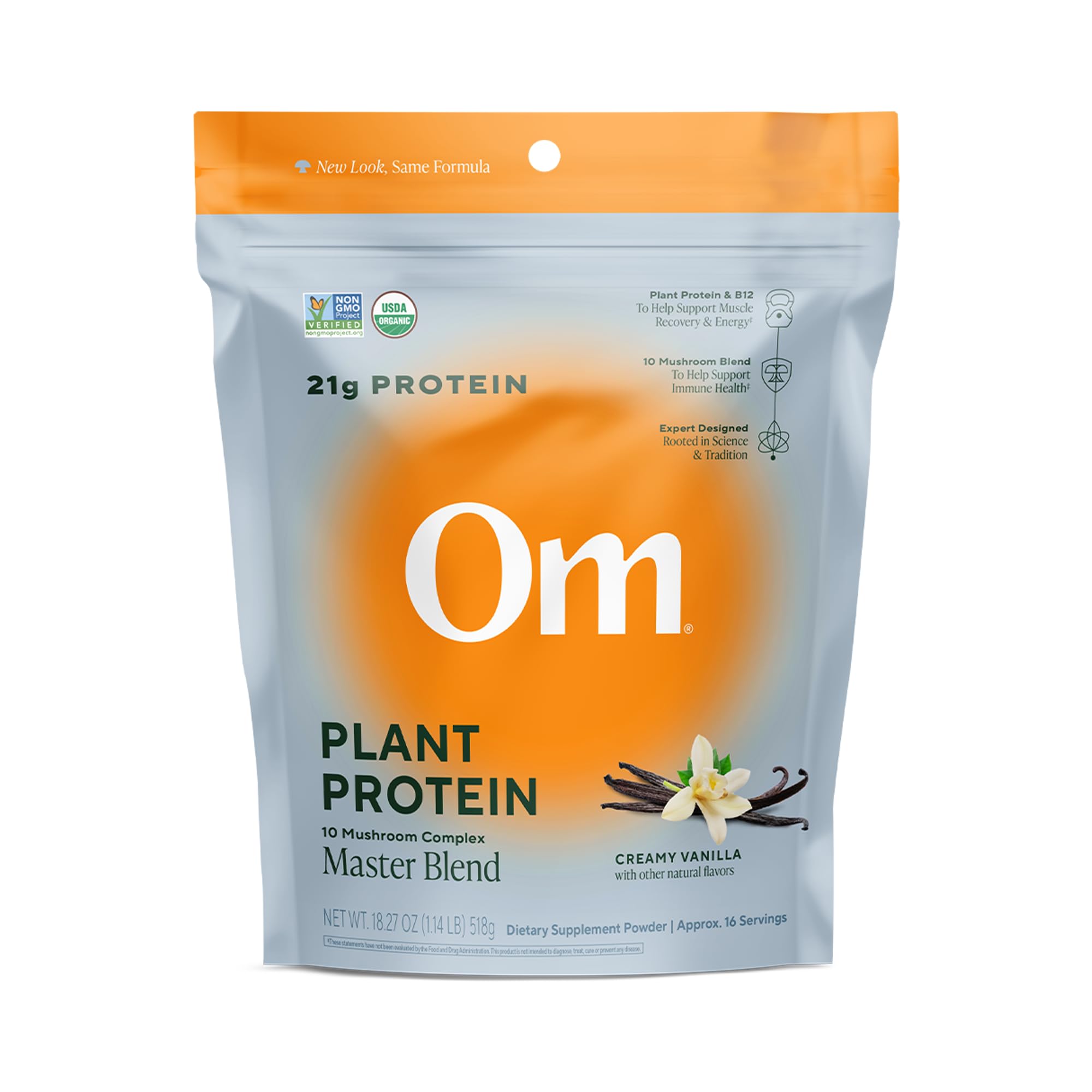
OM Mushroom Superfood combines plant-based protein with a ten-mushroom functional complex including Lion’s Mane, Reishi, Cordyceps, and Turkey Tail. Each serving delivers 21 grams of protein, 2000 milligrams of organic mushrooms, and 250 milligrams of KSM-66 Ashwagandha for adaptogenic stress support. This is a uniquely positioned product for users who want more than just protein — they want cognitive and immune support in one scoop.
The Creamy Vanilla flavor is sweet but pleasant, with the mushroom blend completely masked by the vanilla base. Users report no mushroom taste or texture, which is a common concern with functional mushroom powders. The 16-serving bag is smaller than standard containers, but the multifunctional ingredient profile justifies the serving size for those targeting both recovery and focus.
The mushrooms are certified organic mycelial biomass grown on oats, ensuring full-spectrum compound availability including beta-glucans. The addition of vitamin B12 makes this suitable for vegans who may be deficient in that nutrient. However, the sweet profile may require adjustment for those not accustomed to stevia-sweetened protein.
Why it’s great
- Ten organic mushroom complex plus ashwagandha for dual-purpose support
- Complete amino acids with added B12 for vegan diets
- Mushroom flavor is completely undetectable in the protein base
Good to know
- Only 16 servings per bag — high weekly usage will deplete quickly
- Sweetness level is high; consider mixing with unsweetened milk alternatives
7. Micro Ingredients North American Grown Pea Protein
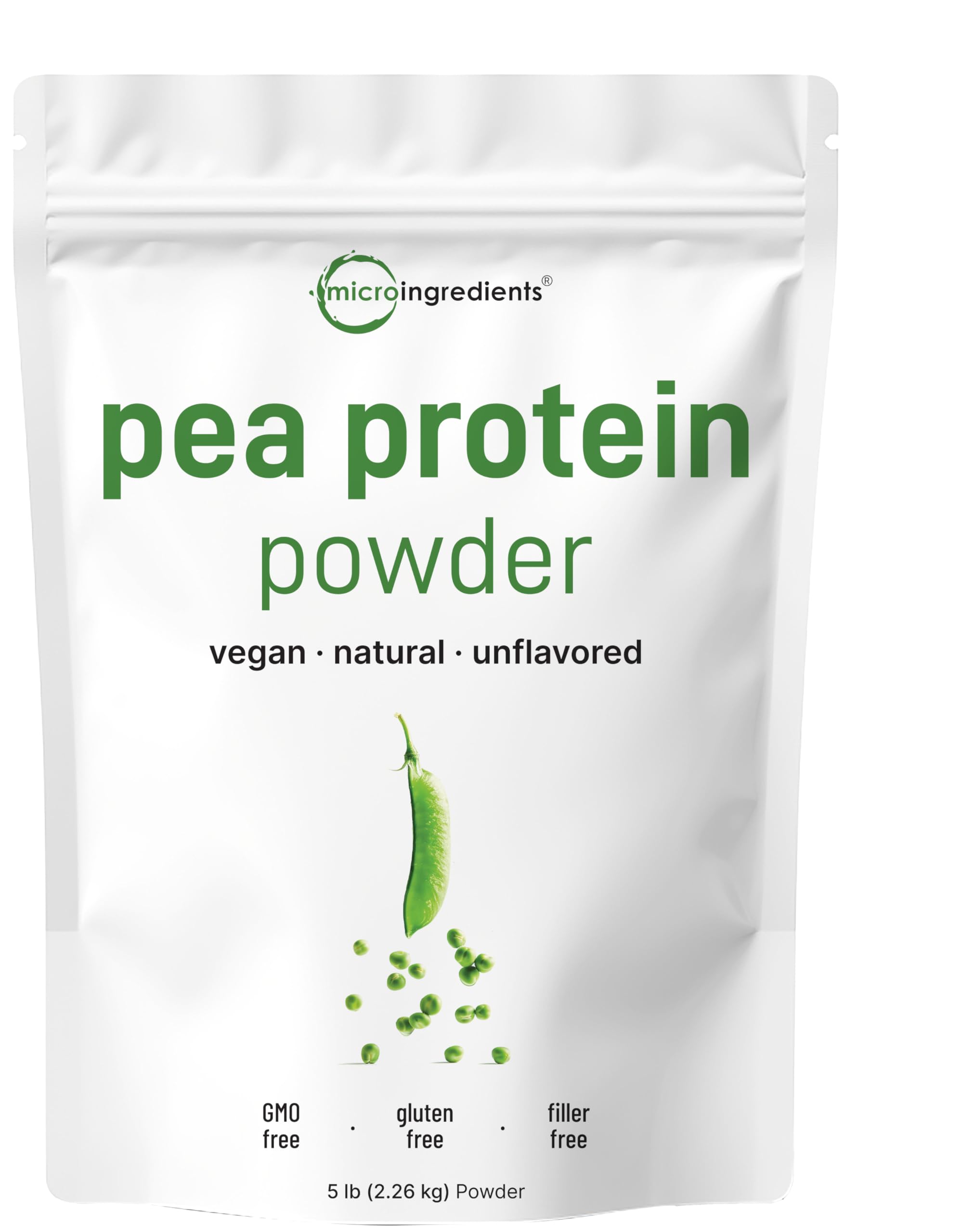
Micro Ingredients offers a no-frills pea protein isolate that prioritizes purity and value. The 5-pound pouch provides 27 grams of protein per two-scoop serving with no added flavors, sweeteners, or fillers. This makes it the highest protein-per-serving option in the lineup and the most cost-effective for long-term daily use.
The unflavored nature means this powder blends seamlessly into savory dishes, baked goods, green smoothies, or yogurt without altering the final taste. The texture is finely ground but not micro-milled — some users report slight clumping if not mixed thoroughly, so a blender is recommended over a shaker cup. The earthy taste of pea protein is present but mild, and it disappears when combined with fruit or cocoa.
The sourcing is North American-grown and produced in a cGMP-compliant facility, free from soy, dairy, gluten, and tree nuts. The lack of third-party certification for organic status may be a concern for some, though the company states third-party lab testing for purity and potency. This is a solid entry-level pick for anyone who wants pure protein without paying for flavoring or premium branding.
Why it’s great
- 27g protein per serving — the highest in this guide
- 5-pound pouch provides up to 68 servings, excellent value
- Completely additive-free — no sweeteners, flavors, or gums
Good to know
- Not USDA Organic certified — may matter for strict sourcing preferences
- Earthy taste and slight grittiness require blending with other ingredients
FAQ
Can dairy free protein powder build muscle as effectively as whey?
Which sweetener is better in dairy free protein: stevia or monk fruit?
How do I avoid bloating when switching from whey to plant protein?
Final Thoughts: The Verdict
For most users, the best dairy free protein powder winner is the Optimum Nutrition Gold Standard 100% Plant Protein because it delivers the highest protein density at 24g per serving with a proven amino acid blend and trusted manufacturing standards. If you want the cleanest ingredient list, grab the Truvani Dairy Free Protein Powder. And for bulk unflavored protein that stretches your budget without fillers, nothing beats the Micro Ingredients Pea Protein.

Mo Maruf
I created WellFizz to bridge the gap between vague wellness advice and actionable solutions. My mission is simple: to decode the research and give you practical tools you can actually use.
Beyond the data, I am a passionate traveler. I believe that stepping away from the screen to explore new environments is essential for mental clarity and physical vitality.