Our readers keep the lights on and my smoothie glass nicely filled. As an Amazon Associate, I earn from qualifying purchases.
Whether you suspect your rest is disrupted or you want to quantify the difference a new mattress makes, understanding your sleep architecture begins with a single data point you can wear all night. The disconnect between how rested you feel and what your body actually experiences is where a dedicated sleep tracker becomes essential — revealing light, deep, REM, and awake stages you otherwise miss.
I’m Mohammad Maruf — the founder and writer behind WellFizz. This guide is backed by many hours of cross-referencing sensor configurations, battery life claims, and sleep-stage accuracy across seven competing devices to identify what separates a useful metric from a dashboard decoration.
Through this analysis, you’ll learn why choosing the best device to track sleep comes down to more than just price — it’s about matching sensor types, comfort, and data clarity to your specific nightly routine.
How To Choose The Best Device To Track Sleep
Sleep trackers fall into two broad form factors: wrist-mounted bands and finger-worn rings. Each approach affects comfort, data quality, and how easily the device integrates into your bedtime routine. Below are the key variables to weigh before deciding.
Form Factor and Nighttime Comfort
A bulky smartwatch can feel intrusive when you shift positions during the night. Slim fitness bands with soft silicone straps are less noticeable, while smart rings — weighing roughly 3 to 5 grams — can disappear on your finger entirely. If you tend to sleep with your hands tucked under a pillow, a low-profile ring avoids pressure points that might wake you.
Sensor Accuracy and Sleep Stage Breakdown
Not all optical sensors are equal. Devices that combine red and infrared LEDs with an accelerometer can differentiate between light, deep, and REM sleep more reliably than basic motion-only trackers. Look for products that report HRV (heart rate variability) and SpO2 — these metrics correlate strongly with sleep quality and recovery, especially for athletes or those managing stress.
Battery Life and Charging Discipline
A tracker that needs daily charging often ends up left on the nightstand, defeating its purpose. Aim for a device that lasts at least five days between charges. Rings with a portable charging case or bands with quick-charge technology (five minutes for a full day’s power) are far more likely to stay on your wrist or finger through the entire week.
Data Access and Subscription Costs
Many popular trackers gate advanced sleep insights behind a monthly subscription. If you want deep-dive trend analysis without recurring fees, prioritize devices that offer full sleep-stage breakdowns, HRV history, and raw data export through a free companion app. The absence of a subscription fee protects your budget and ensures you own your historical patterns.
Quick Comparison
On smaller screens, swipe sideways to see the full table.
| Model | Category | Best For | Key Spec | Amazon |
|---|---|---|---|---|
| Google Fitbit Air | Screenless Band | Sleep tracking without screen distraction | Up to 7-day battery, SpO2, HRV | Amazon |
| RENPHO Lynx Smart Ring | Smart Ring | All-day wear with charging case | 7-day battery + case, titanium build | Amazon |
| ELENVA Smart Ring | Smart Ring | Vibration alerts and cycle tracking | Vibration motor, 4-stage sleep analysis | Amazon |
| Fitbit Inspire 3 | Fitness Band | Daily readiness and stress management | Sleep Score, Smart Wake alarm | Amazon |
| AMZAIZO Screenless Tracker | Screenless Band | Long battery and AI coaching | 20-day battery, AI health assistant | Amazon |
| MorePro AIR2 | Fitness Watch | Budget-friendly all-day health tracking | 1.57” HD touch, 7-day battery | Amazon |
| prxxhri Smart Ring | Smart Ring | Entry-level ring tracking with no fees | 80m waterproof, 2-3 day battery | Amazon |
In‑Depth Reviews
1. Google Fitbit Air
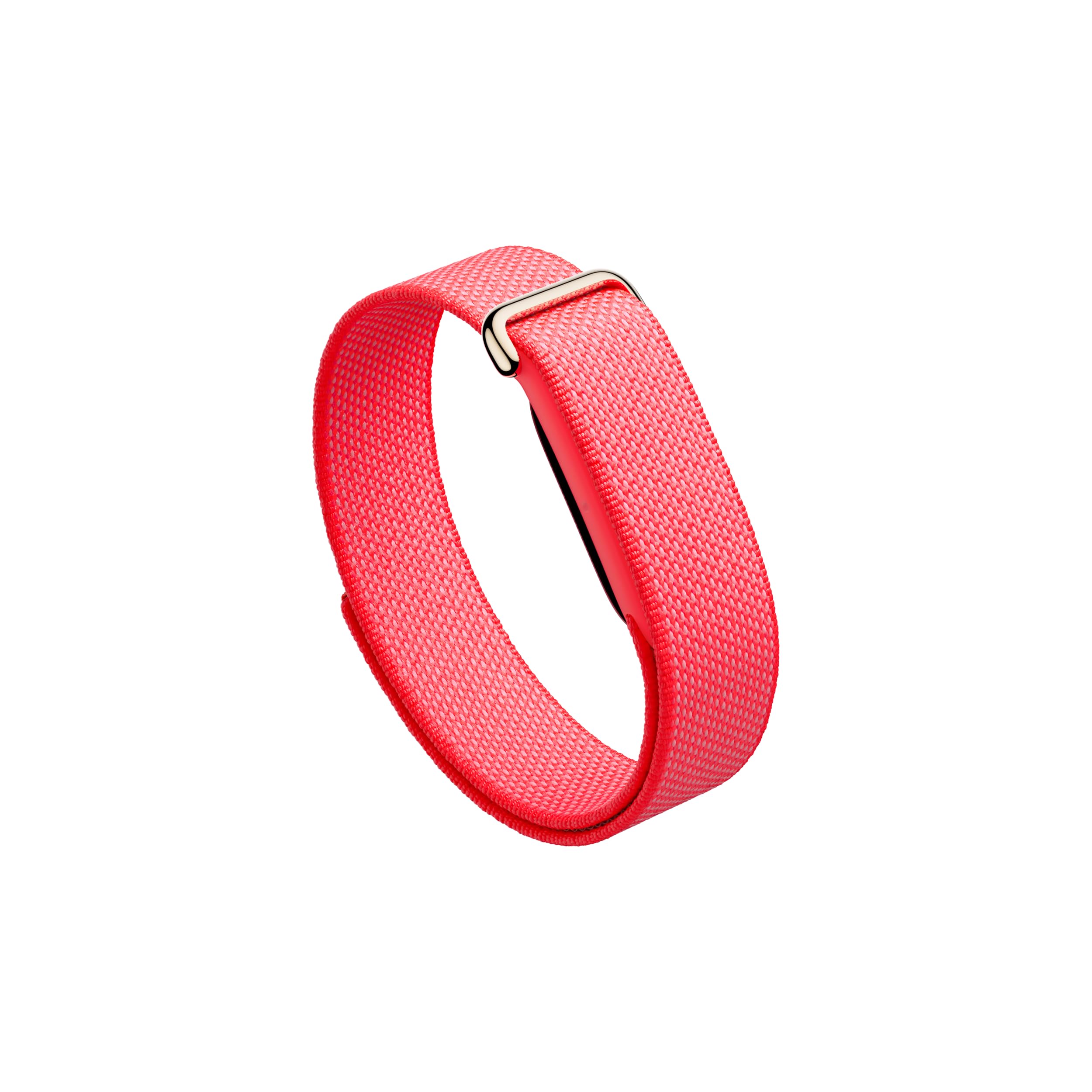
Google Fitbit Air redefines the sleep-tracking experience by removing the screen entirely, which means zero light pollution during your night. The micro-adjustable performance loop band sits quietly on your wrist at just a few grams, and the advanced optical sensor array delivers continuous heart rate, SpO2, and HRV readings that feed into a detailed sleep-stage breakdown. After a seven-day calibration period, users report that the device accurately distinguishes between light, deep, and REM sleep without the bulk of a traditional smartwatch.
Battery performance is exceptional for a device this small — you get up to seven days of continuous tracking, and a five-minute fast charge provides a full day’s worth of power. The companion Google Health app (with a three-month trial of the premium tier) offers AI-driven coaching that adapts sleep recommendations based on your real patterns. For anyone who wants pure sleep data without the distraction of a glowing screen, this is the most refined option on the market.
Reviewers consistently highlight the comfort and accuracy, though the band can feel warm during intense workouts. Distance tracking for runs is less precise than GPS-enabled watches, but for sleep and recovery metrics, the Fitbit Air is state of the art.
Why it’s great
- Screenless design eliminates bedtime light distraction
- Accurate SpO2 and HRV for deep sleep analysis
- 7-day battery with 5-minute quick charge
Good to know
- Requires calibration period for optimal accuracy
- Premium AI coaching features require subscription after trial
2. RENPHO Lynx Smart Ring
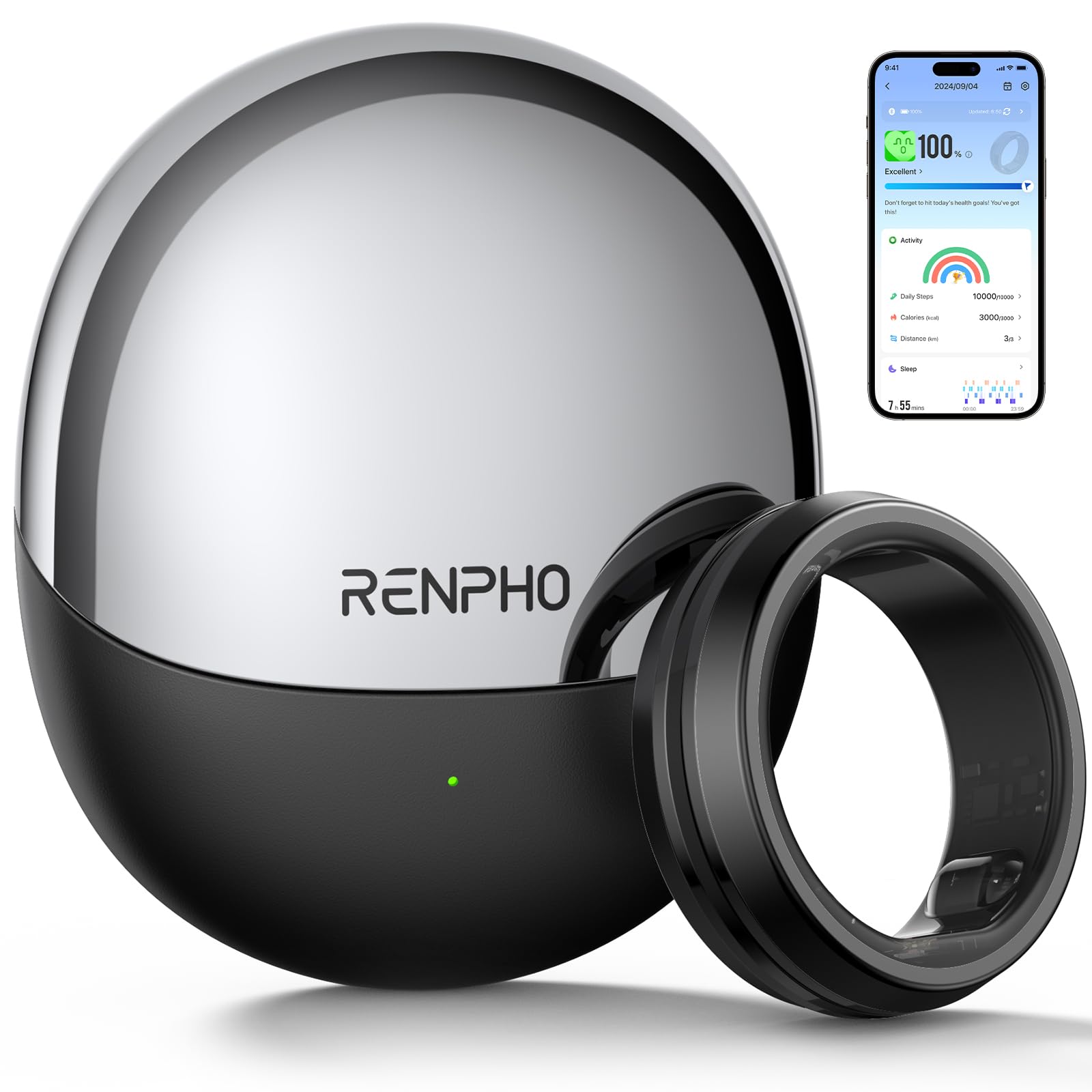
RENPHO’s Lynx Smart Ring takes a straightforward approach to sleep tracking: wear it on your finger and forget it exists. The titanium exterior is lightweight and durable enough for swimming and hiking, and the 5ATM waterproof rating means you never have to remove it for a shower. Inside, a sophisticated chipset measures sleep stages (awake, restless, light, deep) alongside blood oxygen, heart rate, and stress levels — all accessible through the free Renpho Health app with no subscription barrier.
The included charging case extends the ring’s already impressive 7-day battery life, making it ideal for travel. Buyers report accurate sleep mapping that aligns with how they feel upon waking, and the ring’s low profile — just a few grams — makes it easy to forget you’re being monitored. The sizing kit is essential: this ring uses unique dimensions that differ from standard jewelry sizes, so ordering the kit before purchase prevents returns.
A small number of users experienced erratic HRV readings after several weeks, and the ring’s thicker curved profile may feel bulky for those with very slender fingers. For the majority, however, the Lynx delivers premium-tier sleep data at a mid-range investment with zero ongoing costs.
Why it’s great
- Titanium build with 5ATM waterproof rating
- 7-day battery plus portable charging case
- Full sleep analysis with no subscription fees
Good to know
- Use official sizing kit for proper fit
- Some users report inconsistent HRV over time
3. ELENVA Smart Ring
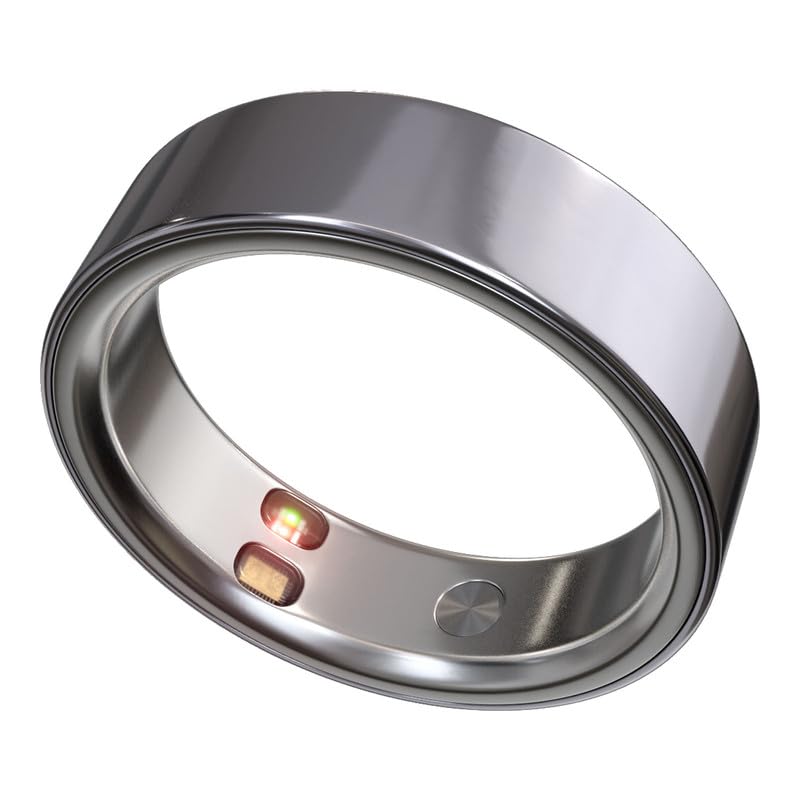
The ELENVA Smart Ring stands out with an exclusive vibration motor that turns the ring into a silent communication hub — gentle fingertip pulses for calls, health warnings, and medication reminders without waking your partner. For sleep tracking, the ring’s 4-stage algorithm breaks your night into light, deep, REM, and awake segments and uses HRV analysis to produce emotional and fatigue indexes. The 316L stainless steel construction is tested against 20+ skin pH types, so nighttime comfort remains consistent even for sensitive skin.
Battery life spans 2 to 5 days depending on vibration frequency, and the magnetic charging case recharges the ring in 90 minutes. The ring’s basal body temperature sensor enables menstrual cycle and ovulation prediction with claimed 95% accuracy, making it a dual-purpose tool for women tracking both sleep and reproductive health. Users praise the discreet form factor and accurate sleep staging, though the vibration motor adds a slight weight penalty compared to simpler rings.
The data exports as CSV or JSON for integration with Apple Health and Google Fit, and all information stays local on your device — no cloud uploads. For anyone who wants haptic feedback and cycle tracking alongside sleep metrics, this ring delivers an unusual combination not found in most competitors.
Why it’s great
- Vibration motor for silent alerts and alarms
- 4-stage sleep analysis with HRV emotional index
- Cycle and ovulation prediction via BBT sensor
Good to know
- 2-5 day battery life varies with vibration use
- Not a certified medical device for diagnosis
4. Fitbit Inspire 3

Fitbit’s Inspire 3 is the most accessible entry point into the Google ecosystem for sleep tracking. The slim silicone band houses an optical heart rate sensor and SpO2 monitor that feed into the Fitbit app’s automatic sleep staging — you get a daily Sleep Score that quantifies duration, quality, and restoration. The Smart Wake vibrating alarm wakes you during light sleep within a 30-minute window, which users report feels far more natural than a blaring audio alarm.
Battery life stretches to 10 days with the always-on display disabled, meaning you can go nearly two weeks between charges. The companion app includes a Stress Management Score, mindfulness sessions, and irregular heart rhythm notifications, making this a well-rounded wellness tracker that prioritizes sleep within a broader health picture. Customers consistently note the accuracy of step and heart rate tracking, though some find the sleep staging occasionally confuses deep and light sleep phases.
The premium subscription (three months included) unlocks deeper sleep trends and a Daily Readiness Score, but the core sleep metrics remain fully functional without paying. If you prefer a familiar band design with proven software support, the Inspire 3 is a reliable choice.
Why it’s great
- 10-day battery life with optional always-on display
- Smart Wake alarm for gentler mornings
- Detailed Sleep Score and stress management tools
Good to know
- Sleep staging can occasionally misclassify phases
- Proprietary charging cable is easy to lose
5. AMZAIZO Screenless Health Tracker
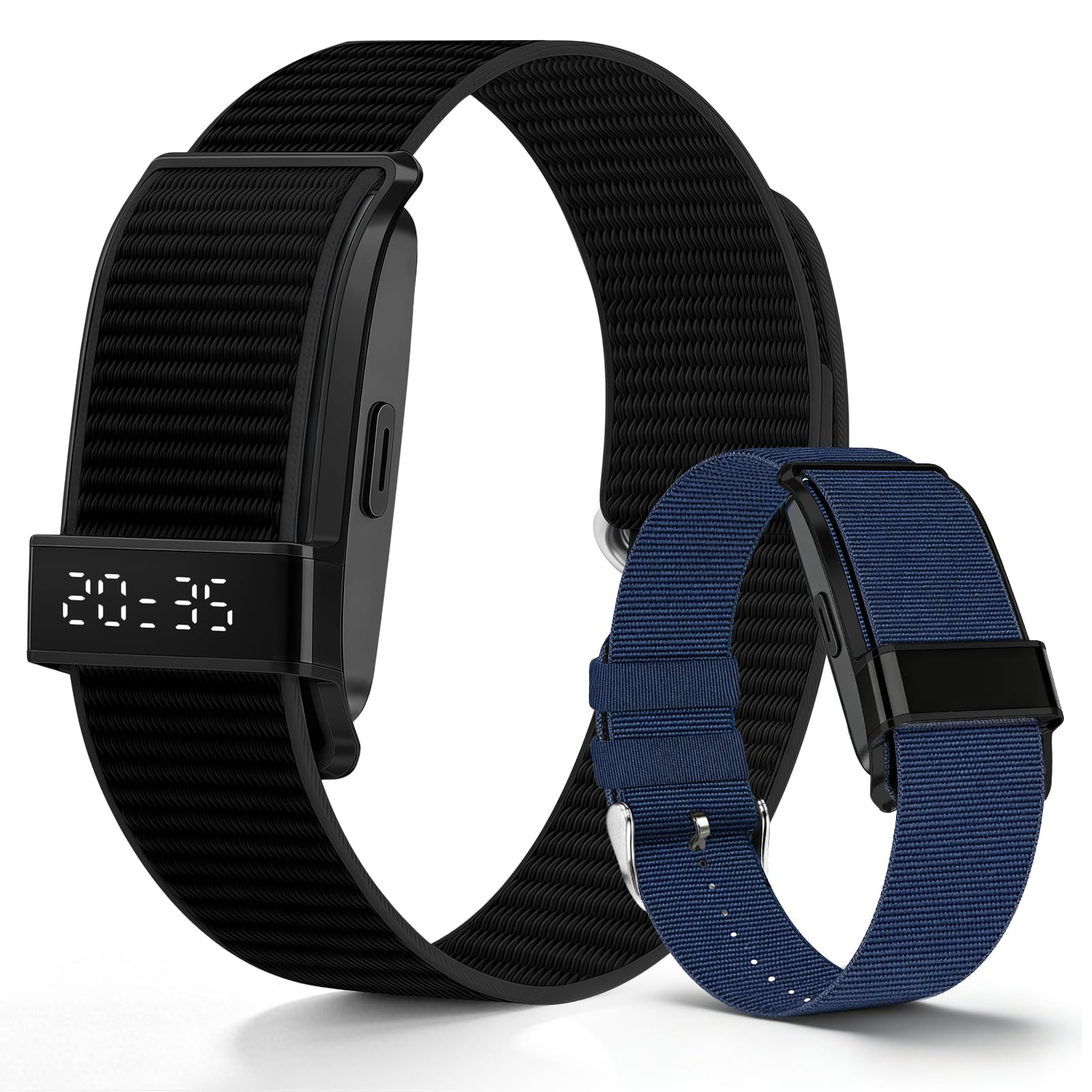
The AMZAIZO Screenless Health Tracker solves the single biggest pain point of nightly tracking: battery anxiety. With an advertised 20-day lifespan between charges, this band outlasts nearly every competitor by a wide margin. The screenless design keeps the form factor minimalist and comfortable, and a side button provides instant heart rate readouts on a small digital display without waking your phone. Sleep tracking covers light, deep, REM, and awake stages, and the companion app also records daytime naps for a comprehensive rest picture.
An AI coach analyzes your health reports and offers improvement plans, and the “Care Mode” feature lets family members view your health data remotely — helpful for elderly relatives. The package includes both a sporty and a formal business strap, so you can switch looks without buying extra accessories. Reviewers praise the comfortable fit and simple setup, but some report inconsistencies in heart rate accuracy during high-intensity exercise, which may affect sleep HRV data reliability.
For users who prioritize charging discipline above all else, this tracker’s extreme battery life makes it nearly effortless to wear every single night. The lack of a screen also reduces nighttime distraction, though the small digital window does emit a faint glow when activated.
Why it’s great
- 20-day battery life eliminates frequent charging
- AI coach provides sleep improvement suggestions
- Care Mode for family health monitoring
Good to know
- Heart rate accuracy can drift during vigorous activity
- Small digital screen, not fully screenless at night
6. MorePro AIR2 Fitness Tracker
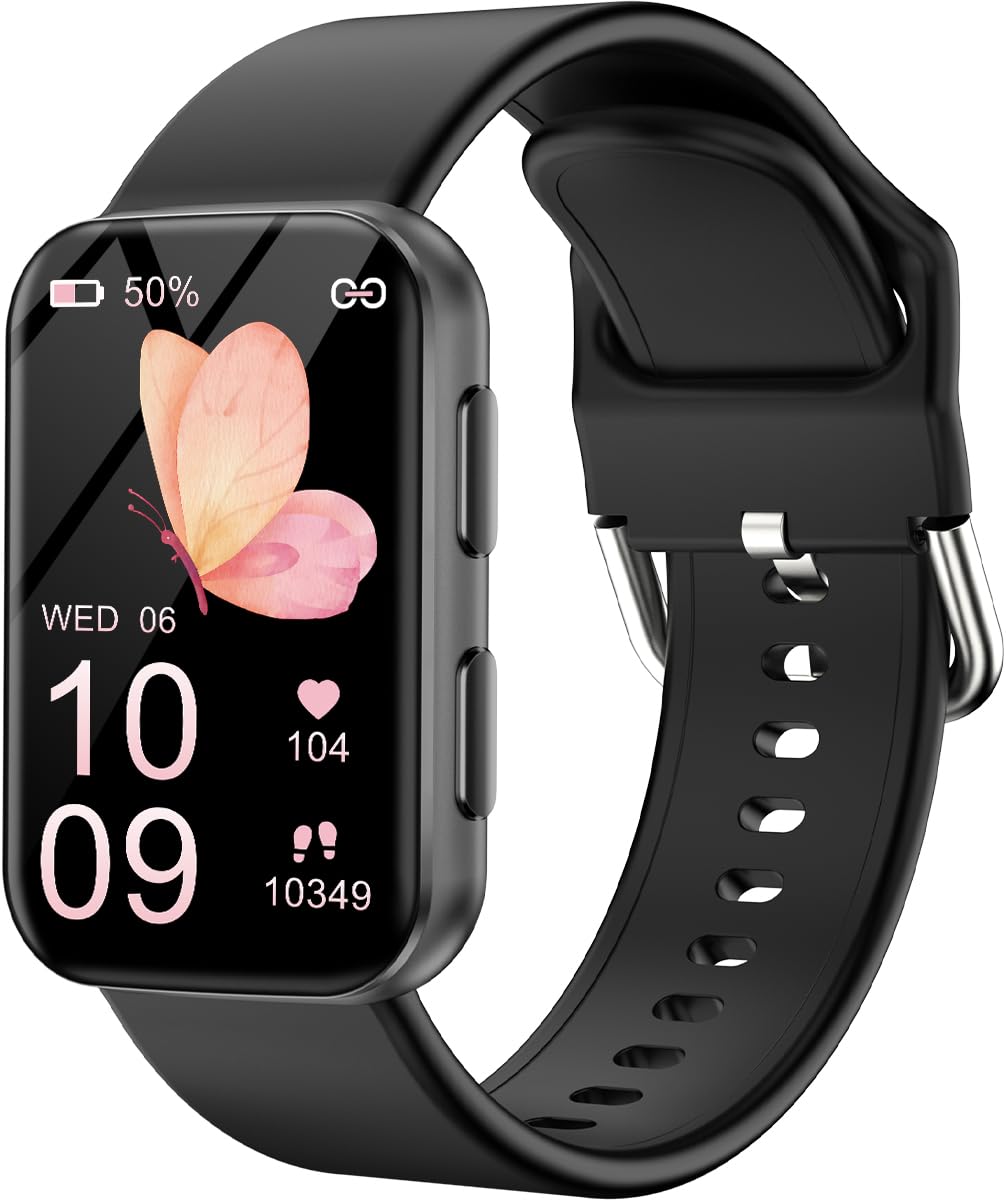
MorePro’s AIR2 is the most affordable device in this roundup that still delivers genuine sleep-stage tracking. The 1.57-inch HD touchscreen displays your sleep summary directly on the wrist, breaking down awake, light, and deep sleep durations. Behind the display, a 24/7 heart rate and blood oxygen monitor feeds data into the companion app, where you can review trends over weeks. The IP68 waterproof rating and the inclusion of both silicone and nylon bands make it versatile for daily wear.
Battery life reaches up to 7 days, and the Bluetooth LE 5.2 connection pairs reliably with both Android and iOS. Customers consistently highlight the bright screen, lightweight feel, and quick setup. The step counting can drift by roughly 100 steps daily compared to dedicated pedometers, and some users note that sleep tracking begins recording only at midnight rather than when you actually fall asleep — a quirk that can shorten your reported sleep duration on late nights.
For the price, the AIR2 offers a surprising amount of insight into your nightly rest. If you want a color screen and basic sleep data without breaking your budget, this tracker delivers the essentials.
Why it’s great
- Affordable entry with color touchscreen
- Includes two bands for varied wear
- IP68 waterproof for worry-free use
Good to know
- Sleep tracking may not start until midnight
- Step count accuracy drifts slightly over time
7. prxxhri Smart Ring
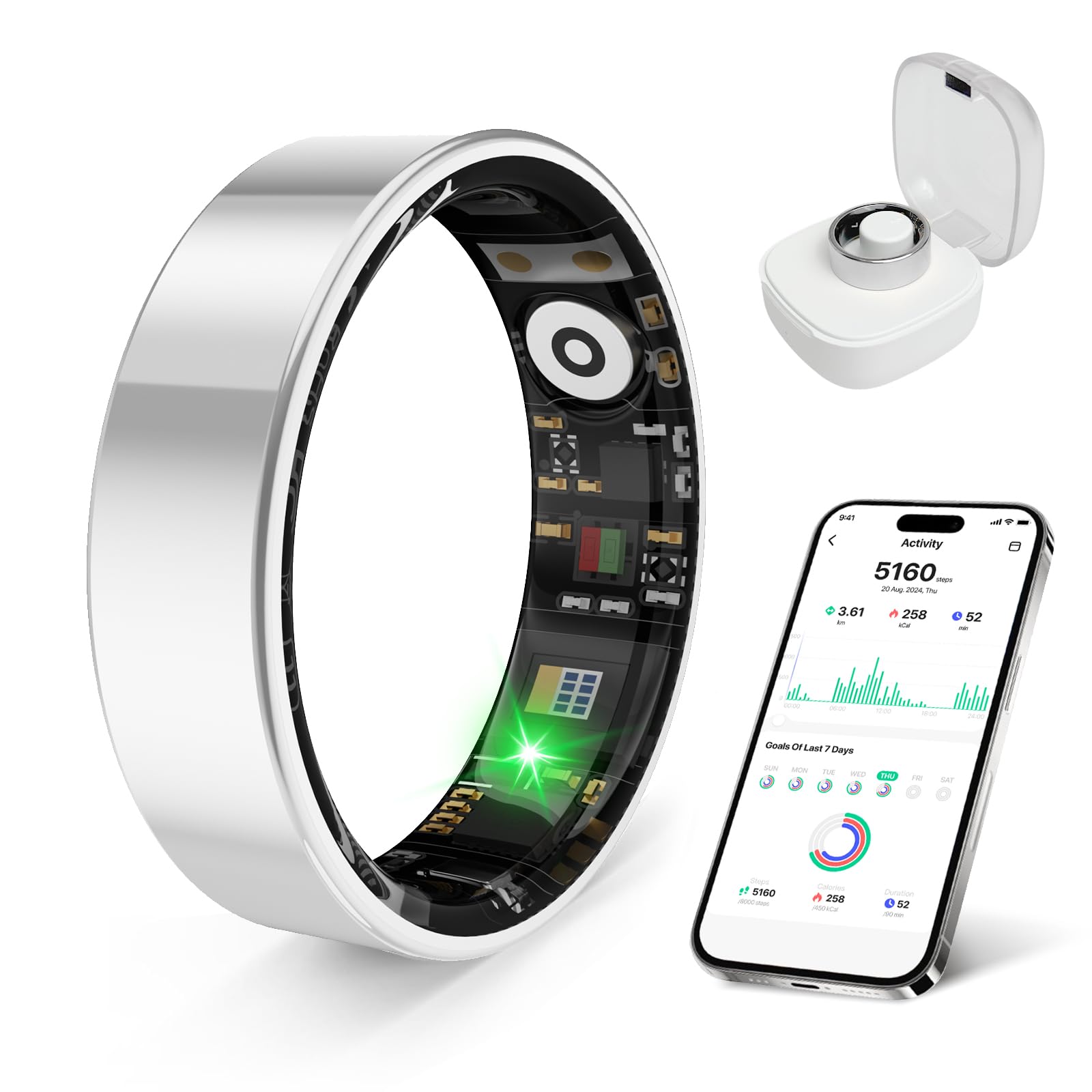
The prxxhri Smart Ring is a straightforward, no-subscription ring that provides sleep and fitness monitoring in a jewelry-like form. Its advanced 4.0 sensors automatically measure heart rate every 30 minutes when worn, and the companion app breaks down your sleep cycle without any hidden fees. The ring is waterproof to 80 meters, so it survives swimming, showering, and sweaty workouts without removal. Buyers report a comfortable fit that doesn’t disturb sleep, with battery life lasting 2 to 3 days before needing the charging case.
The biggest appeal of this ring is its simplicity and cost — you get basic sleep staging, step tracking, and heart rate monitoring without the complexity of a smartwatch interface. The ring has no display, which means no light pollution during the night. However, the 2-3 day battery life is shorter than most competitors, requiring more frequent charging discipline. Some users note that the ring’s data, while consistent, lacks the granularity of premium trackers when it comes to HRV and detailed sleep-stage breakdowns.
For anyone wanting to test the smart ring form factor without committing to a premium price, the prxxhri offers a functional introduction to finger-based sleep tracking with zero ongoing costs.
Why it’s great
- No subscription fees for full app access
- 80-meter waterproof for swimming and showering
- Lightweight and comfortable for all-night wear
Good to know
- 2-3 day battery requires regular charging
- Sleep-stage granularity is less detailed than premium rings
FAQ
How long does it take for a new sleep tracker to calibrate to my body?
Can a sleep tracker detect sleep apnea on its own?
Why does my smart ring battery drain faster than a wrist band’s battery?
Is there a difference between sleep tracking on a ring versus a watch?
Final Thoughts: The Verdict
For most users, the best device to track sleep winner is the Google Fitbit Air because it combines screen-free nighttime comfort, accurate SpO2 and HRV metrics, and a seven-day battery that removes charging friction. If you want a RENPHO Lynx Smart Ring delivers a titanium ring with a charging case and zero subscription fees for deep sleep data. And for those who need haptic feedback and cycle tracking alongside sleep metrics, the ELENVA Smart Ring offers vibration alerts and four-stage sleep analysis that few competitors match.

Mo Maruf
I created WellFizz to bridge the gap between vague wellness advice and actionable solutions. My mission is simple: to decode the research and give you practical tools you can actually use.
Beyond the data, I am a passionate traveler. I believe that stepping away from the screen to explore new environments is essential for mental clarity and physical vitality.