Our readers keep the lights on and my smoothie glass nicely filled. As an Amazon Associate, I earn from qualifying purchases.
Logging high mileage demands a shoe that balances soft landings with enough energy return to keep your legs fresh for the next mile. The wrong choice leads to hot spots, joint fatigue, or early breakdown of the midsole foam — problems that compound over a marathon block or a heavy training cycle.
I’m Mohammad Maruf — the founder and writer behind WellFizz. My research for this guide involved cross-referencing stack heights, foam chemistries, outsole durability reports, and hundreds of real-runner reviews to identify the models that hold up when the weekly tally passes thirty miles.
Whether your next race is a half marathon or an ultramarathon, picking the right pair makes the difference between chasing a personal best and limping to the finish. This guide breaks down the top contenders for best distance running shoes for men, covering cushioning feel, stability features, and durability data that matter for serious mileage.
How To Choose The Best Distance Running Shoes For Men
Selecting a distance running shoe involves more than grabbing the plushest pair on the shelf. Long runs magnify every design compromise — a snug toe box that feels fine at three miles can cause black toenails at eighteen. Focus on midsole foam resilience, upper breathability, outsole rubber coverage, and the shoe’s inherent stability when you gauge your options.
Prioritize Cushioning That Doesn’t Pack Down
Distance shoes rely on thick, resilient foam to absorb impact over hundreds of steps per mile. A stack height of thirty to forty millimeters is common in this category. Pebax-based foams (such as in the ASICS SUPERBLAST) maintain bounce longer than basic EVA blends, though they command a premium price. Check for the foam type — nitrogen-infused or supercritical foams usually resist compression better across a shoe’s lifespan.
Match Support to Your Gait Cycle
Neutral shoes work for runners with a normal pronation pattern. If your ankles roll inward noticeably after a few miles, consider a model with a medial post or a wider platform for added stability. Heavier runners or those prone to overpronation often find the Saucony Ride’s structured heel counter or the Mizuno Wave Rider’s plate design helps keep the foot aligned without feeling stiff. The goal is a shoe that guides your stride without forcing it.
Outsole Rubber Is a Wear-and-Tear Decision
A shoe’s outsole determines how many miles you’ll get before the foam is exposed. Full-length rubber coverage, like the Brooks Ghost 18 uses, adds a few ounces but extends usable life considerably. Some lightweight trainers use strategic rubber placement to shed weight, which can leave the midsole foam vulnerable after three hundred miles. If you log forty-plus miles per week, prioritize models with dense carbon rubber in high-wear zones under the heel and forefoot.
Quick Comparison
On smaller screens, swipe sideways to see the full table.
| Model | Category | Best For | Key Spec | Amazon |
|---|---|---|---|---|
| ASICS SUPERBLAST 2 | Premium | Marathon training & daily miles | 45mm heel / 37mm forefoot stack | Amazon |
| Brooks Ghost 18 | Premium | Neutral daily training | DNA LOFT v3 midsole foam | Amazon |
| Hoka Bondi 9 | Premium | Maximum cushion & joint protection | 52mm heel stack height | Amazon |
| Mizuno Wave Rider 29 | Premium | Stable neutral running | Wave plate for heel stability | Amazon |
| New Balance FuelCell Rebel V5 | Mid-Range | Medium distance & speed work | FuelCell foam + 6mm drop | Amazon |
| ASICS Noosa TRI 16 | Mid-Range | Triathlon & tempo runs | Lightweight at 9.6 oz (size 9) | Amazon |
| New Balance FuelCell Propel V5 | Mid-Range | Budget-conscious daily training | TPU plate for forefoot bounce | Amazon |
| ASICS Gel-Cumulus 27 | Mid-Range | Versatile road running & walking | Rearfoot PureGEL unit | Amazon |
| Saucony Ride 18 | Entry-Level | Budget pickup & daily walking | PWRRUN foam midsole | Amazon |
In‑Depth Reviews
1. ASICS SUPERBLAST 2
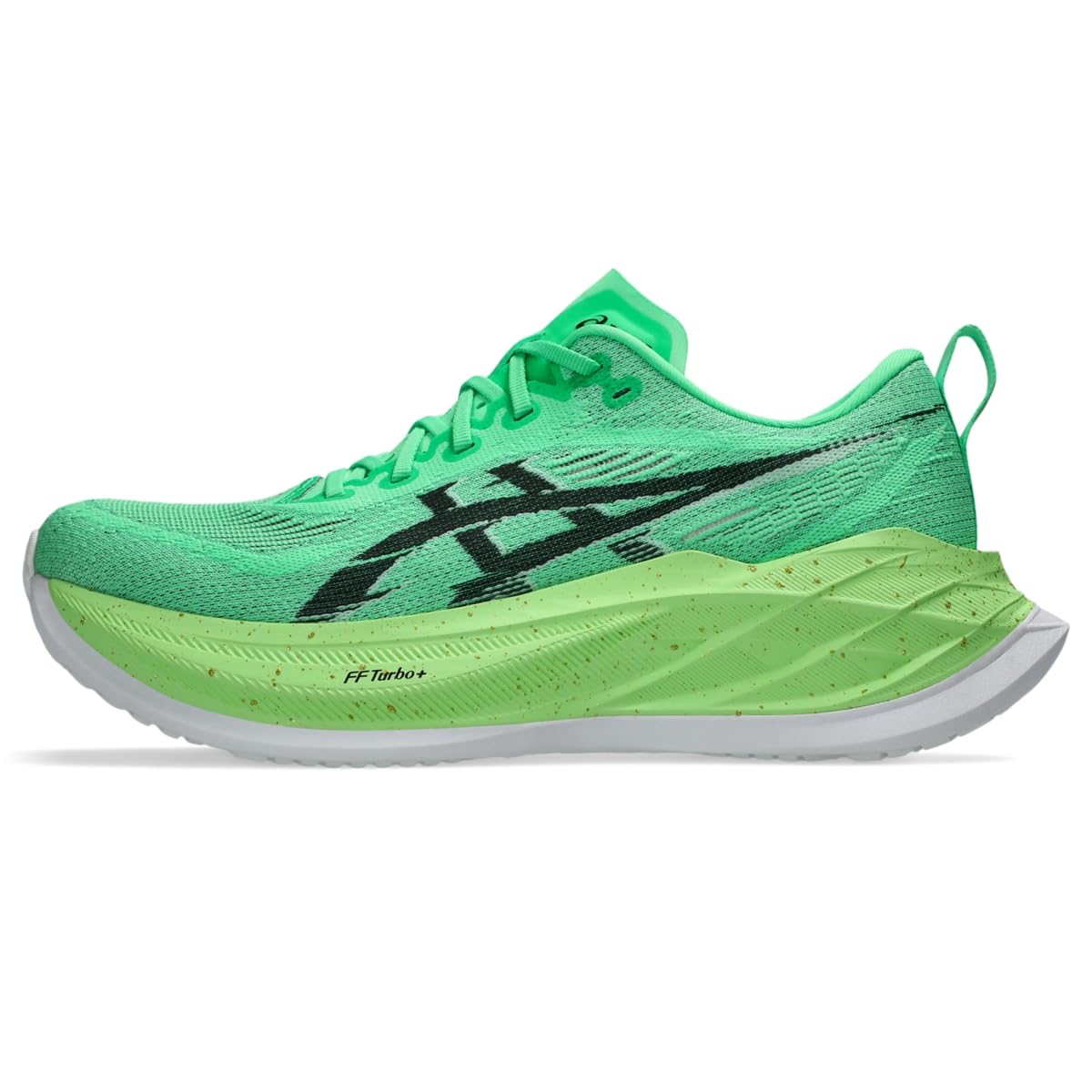
The SUPERBLAST 2 earns the top spot because it bridges two categories that rarely overlap: high-stack cushioning and snappy energy return. Its FF BLAST TURBO foam — a supercritical Pebax blend — delivers a bouncy, resilient ride that protects joints on long runs while still feeling responsive at faster paces. The geometry creates a stable landing for a 45mm heel, a trait heavier runners appreciate when grinding out weekly mileage in the 40-plus range.
Testers note the shoe requires virtually no break-in, with a roomy toe box that allows natural splay and a secure heel lock that eliminates slip. The outsole layout uses ASICS’ AHAR+ rubber in key contact zones, which holds up well past 300 miles for most users. It fits true to size, though runners with wide feet should consider going up half a size for extra lateral room.
The main trade-off is the price point, which sits at the premium end of the distance-shoe spectrum. Runners on a tight budget may find better value in the mid-range tier. But for those who log high mileage and want a single shoe that handles easy runs, long runs, and tempo work equally well, the SUPERBLAST 2 is the most versatile choice in this guide.
Why it’s great
- Exceptionally resilient midsole foam with high energy return
- Excellent stability for a 45mm stack height
- True-to-size fit with generous toe-box volume
Good to know
- Premium price places it at the top of the budget ladder
- Upper can feel warm in hot conditions due to density
2. Brooks Ghost 18
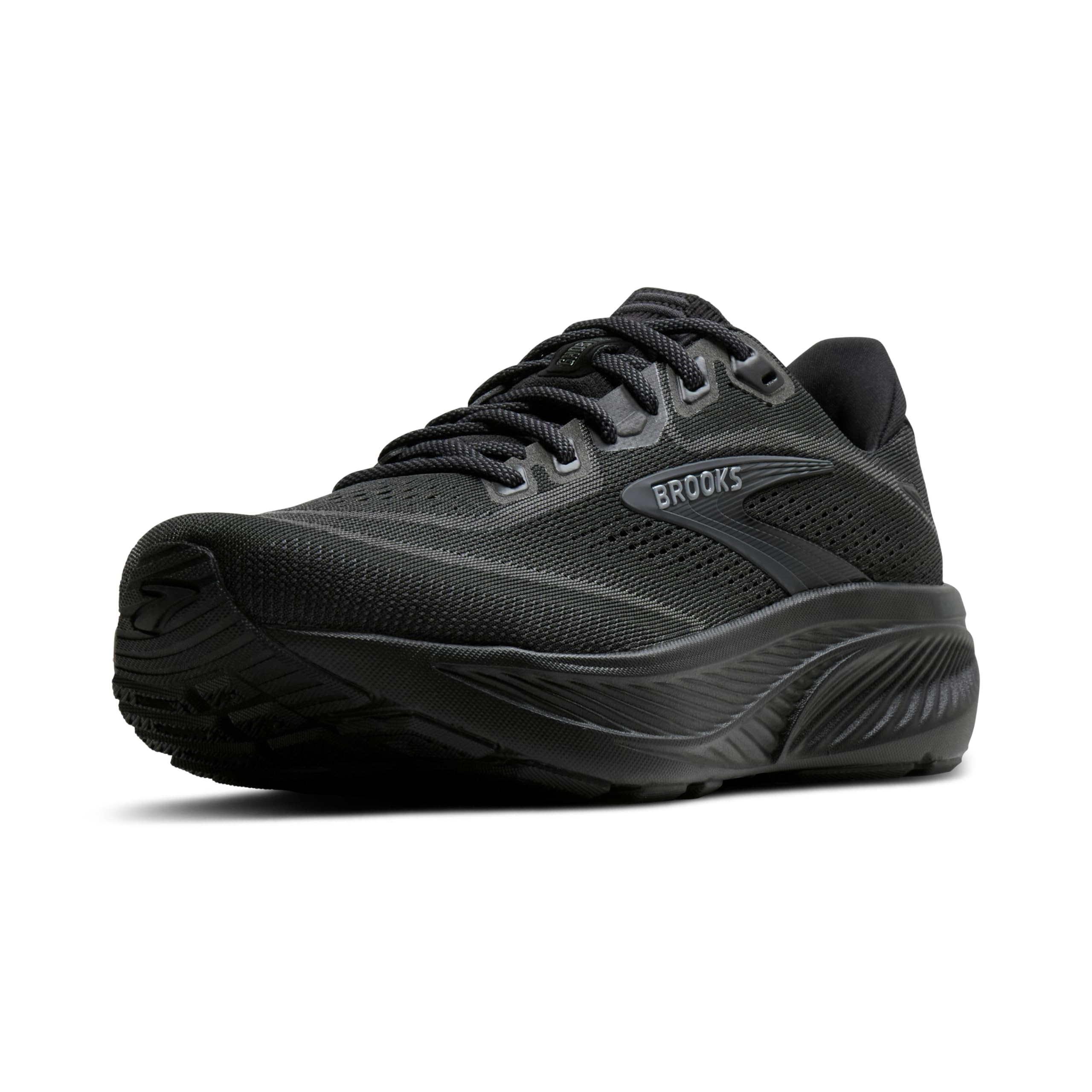
Brooks has iterated the Ghost line for years by refining what already works, and the Ghost 18 continues that trend. The DNA LOFT v3 midsole blends EVA, rubber, and air to create a plush yet responsive feel that doesn’t pack down after a month of use. Runners describe the ride as smooth and forgiving, with a 12mm drop that suits heel-strikers looking for extra cushion under the rearfoot.
The engineered mesh upper improves breathability over the Ghost 17 while the padded heel collar locks the foot in place without irritation. The outsole features full-length blown rubber with a segmented crash pad that eases the transition from heel to toe. Buyers with flat feet or pronation issues report that the Ghost 18 provides enough built-in arch support to reduce foot pain during longer sessions, though some still prefer a dedicated stability insert.
Weight sits around 9.8 ounces for a size 9, which is average for this category but not the lightest option available. The durability of the outsole rubber is a strong point — many runners pass 400 miles before seeing significant wear. If you want a dependable daily trainer with a proven track record and no dramatic quirks, the Ghost 18 is a safe, effective choice.
Why it’s great
- Consistent, smooth ride with no break-in period
- Outsole rubber handles high mileage without premature wear
- Good arch support for mild pronators
Good to know
- 12mm drop may feel too high for midfoot strikers
- Heavier than plated trainers in the same tier
3. Hoka Bondi 9

The Bondi 9 is the max-cushion king of this list, with a towering 52mm stack height that delivers the softest landings in the test group. The new foam formulation improves durability over the Bondi 8, resisting compression better while maintaining the plush, cloud-like sensation Hoka fans expect. The Meta-Rocker geometry — a curved sole shape that rolls the foot forward — helps offset the high stack’s inherent instability and keeps the gait cycle efficient.
Runners with joint pain, plantar fasciitis, or hammertoe issues consistently report relief after switching to the Bondi line. The generous interior volume accommodates thick socks or custom orthotics without cramping the toes. The outsole rubber placement prioritizes durability under the heel and forefoot, though some users note the midfoot area can wear faster if you tend to land flat-footed.
The trade-off is weight: at over 10.5 ounces in a standard size, the Bondi 9 feels heavy compared to the rest of the field. Heavier runners (above 200 pounds) appreciate the extra platform, but lighter runners may find the shoe cumbersome for faster efforts. This is a pure recovery and long-run shoe, best paired with a lighter trainer for speed sessions.
Why it’s great
- Unmatched impact protection for joint-sensitive runners
- Meta-Rocker improves gait transition despite the high stack
- Excellent for accommodating orthotics or wide feet
Good to know
- Heavier than most competitors in this category
- Not ideal for tempo runs or speed work
4. Mizuno Wave Rider 29
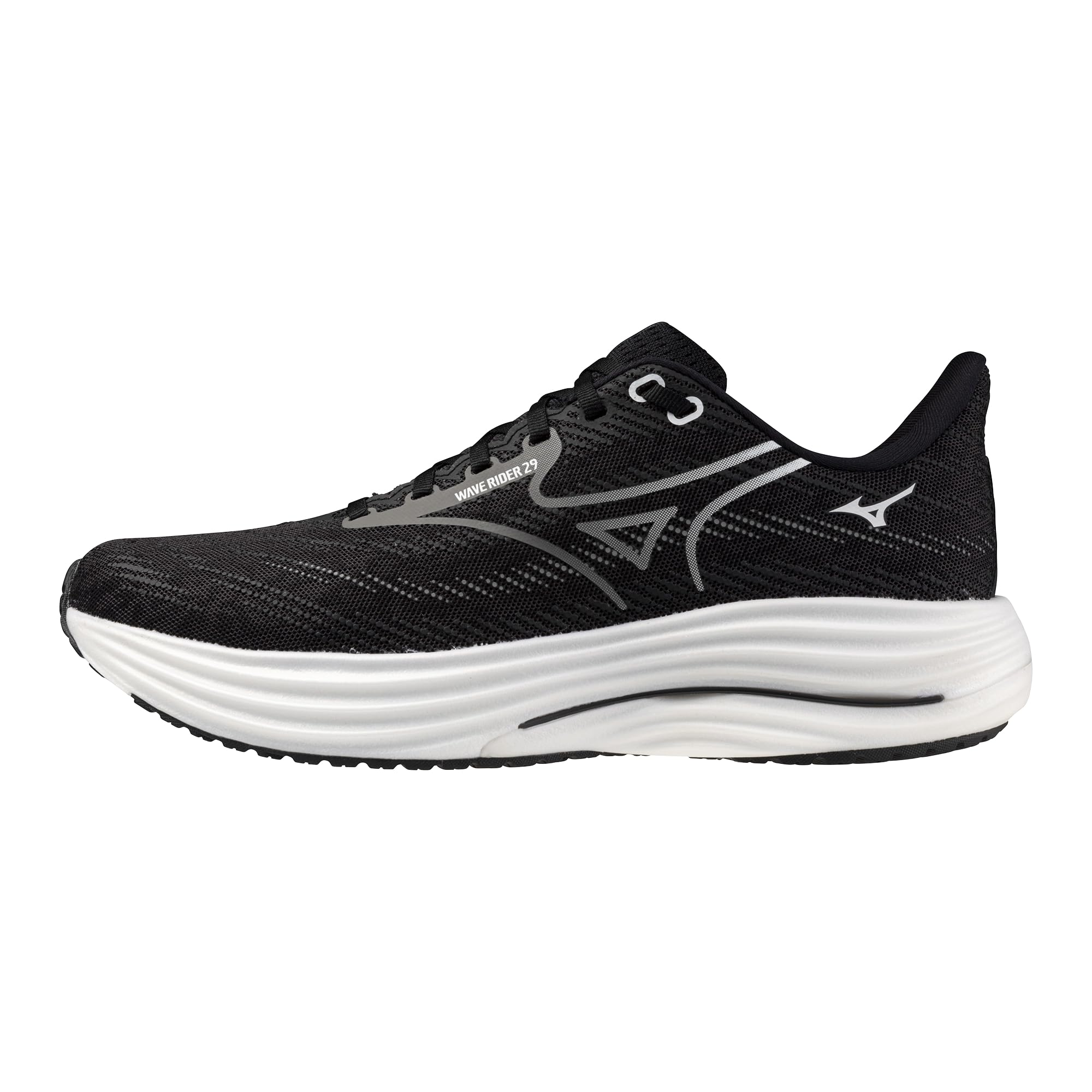
Mizuno’s Wave Rider 29 stands out for its distinctive Wave Plate — a corrugated thermoplastic layer embedded in the midsole that provides both cushioning and stability. Unlike traditional stability posts that feel stiff, the Wave Plate distributes impact forces evenly while guiding the foot through a more controlled pronation curve. Runners with neutral or slightly supinated feet report the plate adds a welcome sense of structure without robbing the ride of flexibility.
The engineered mesh upper is durable and breathable, with a traditional lacing system that offers reliable lockdown. The heel counter is reinforced, giving a locked-in feel that reduces slippage on long runs. The outsole uses XtaRide rubber, which provides good grip on wet pavement and resists abrasion well past 350 miles for most users.
The fit runs slightly snug through the midfoot, so runners with wider feet should either go half a size up or consider the wide variant. The Wave Rider 29 works best for runners who want a stable platform without the weight of a true stability shoe. If you’ve found other neutral shoes too unstable on long runs, this Mizuno is worth a close look.
Why it’s great
- Wave Plate provides unique stability without stiffness
- Heel counter locks the foot securely in place
- Outsole compound holds up well over high mileage
Good to know
- Midfoot fit is narrow; may not suit wide feet without sizing up
- The Wave Plate can aggravate supination in some runners
5. New Balance FuelCell Rebel V5
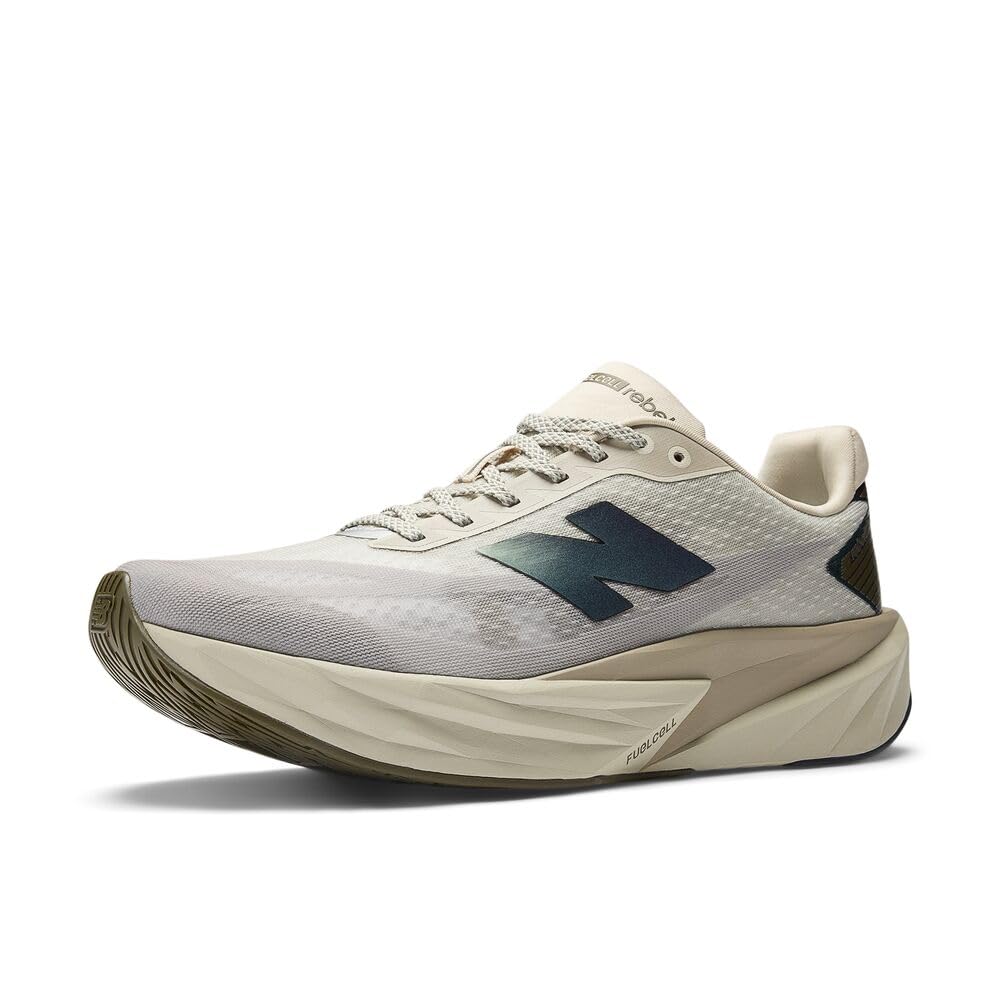
The FuelCell Rebel V5 is the lightest shoe in this review at around 9.2 ounces for a size 9, yet it packs a generous slab of FuelCell foam that delivers a soft, responsive ride. The foam’s supercritical construction provides a lively pop at toe-off, making this shoe a strong candidate for runners who want one model that handles both daily miles and uptempo workouts. The 6mm drop appeals to midfoot and forefoot strikers who prefer a low offset for a more natural stride.
The knit upper is breathable and flexible, adapting well to foot swelling over long runs. The lacing system runs through integrated loops that distribute pressure across the instep without creating hotspots. The outsole uses blown rubber in strategic pods to save weight, a design choice that may reduce outsole lifespan for heavy heel-strikers.
Multiple testers noted the upper takes slightly longer to break in compared to previous versions, with the tongue feeling snug during the first few runs. The cushioning is plush but doesn’t deliver the same rebound as the SUPERBLAST 2, which matters for runners seeking high energy return. The Rebel V5 is a fantastic option for medium-distance running (5 to 12 miles) while still being capable of longer sessions.
Why it’s great
- Lightest model in the lineup with premium foam feel
- Low 6mm drop suits midfoot strikers well
- Versatile enough for daily training and tempo efforts
Good to know
- Tongue area can feel snug during initial break-in
- Outsole rubber pads wear faster than full-coverage designs
6. ASICS Noosa TRI 16
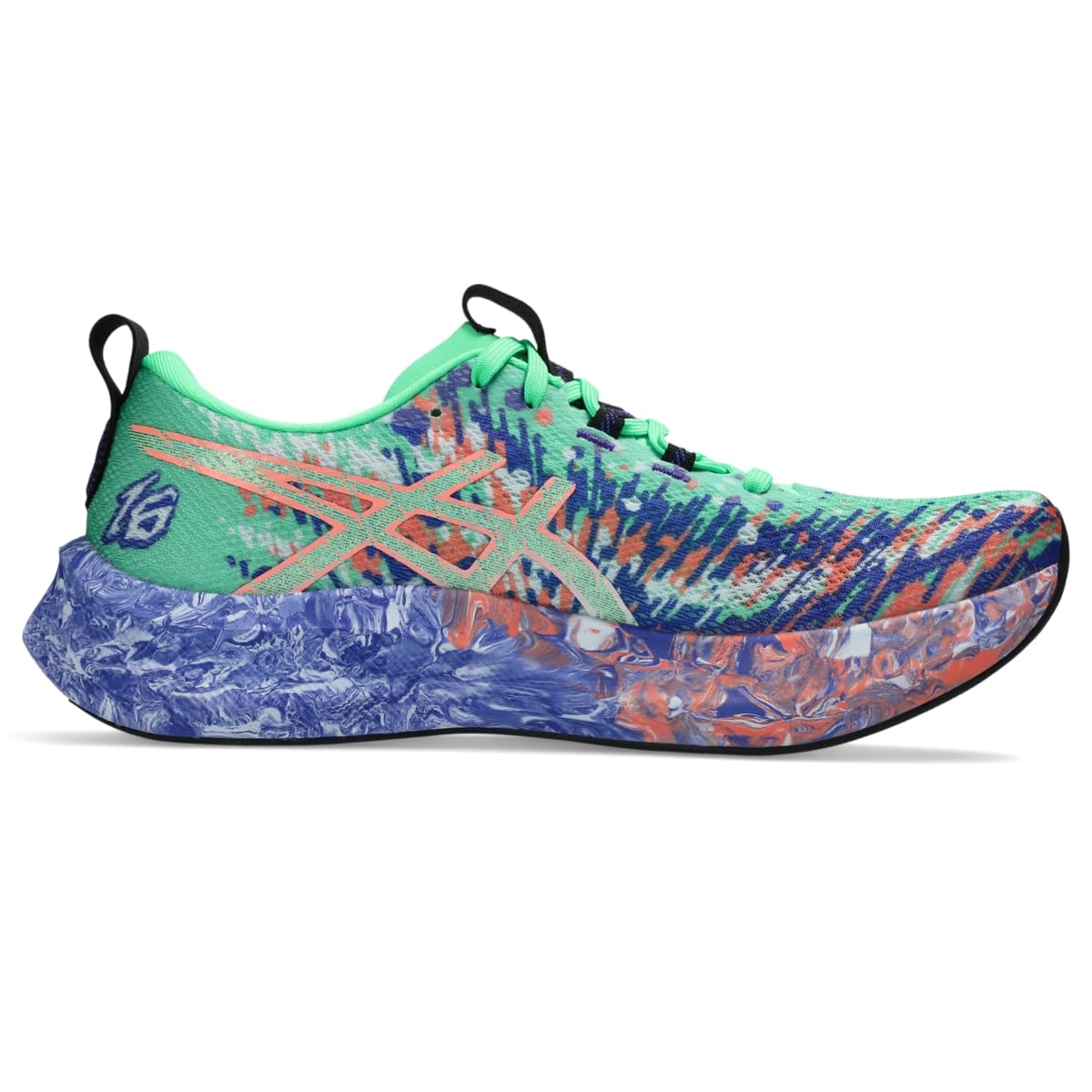
While originally designed for triathletes needing quick transitions, the Noosa TRI 16 has evolved into a versatile distance trainer for any runner who values speed and a snug fit. The FlyteFoam midsole is lightweight and responsive, with a dense core that resists bottoming out during longer efforts. The seamless, quick-dry mesh upper eliminates any irritation points, making the shoe comfortable even when worn without socks.
The geometry is built for efficiency, with a slightly rockered sole that encourages a quick turnover. The outsole uses a thin layer of ASICS High Abrasion Rubber in key spots, keeping weight low while maintaining decent durability. Runners who log around 290 miles per month on a single pair report the shoes hold up well structurally, though the outsole shows wear sooner than heavier models.
The fit is intentionally snug — ideal for fast descents and sharp turns but potentially restrictive for runners with wide forefeet. Some long-time wearers feel the ride has shifted toward a firmer feel compared to earlier versions, and a few have switched to using the Noosa primarily for walking. If you want a lightweight, responsive shoe for tempo runs, intervals, or shorter-distance races, the Noosa TRI 16 is a strong choice.
Why it’s great
- Extremely lightweight with responsive FlyteFoam cushioning
- Seamless, quick-dry upper for sockless wear
- Rockered sole promotes fast turnover
Good to know
- Snug fit may be too tight for wide feet
- Outsole durability is lower than full-rubber alternatives
7. New Balance FuelCell Propel V5
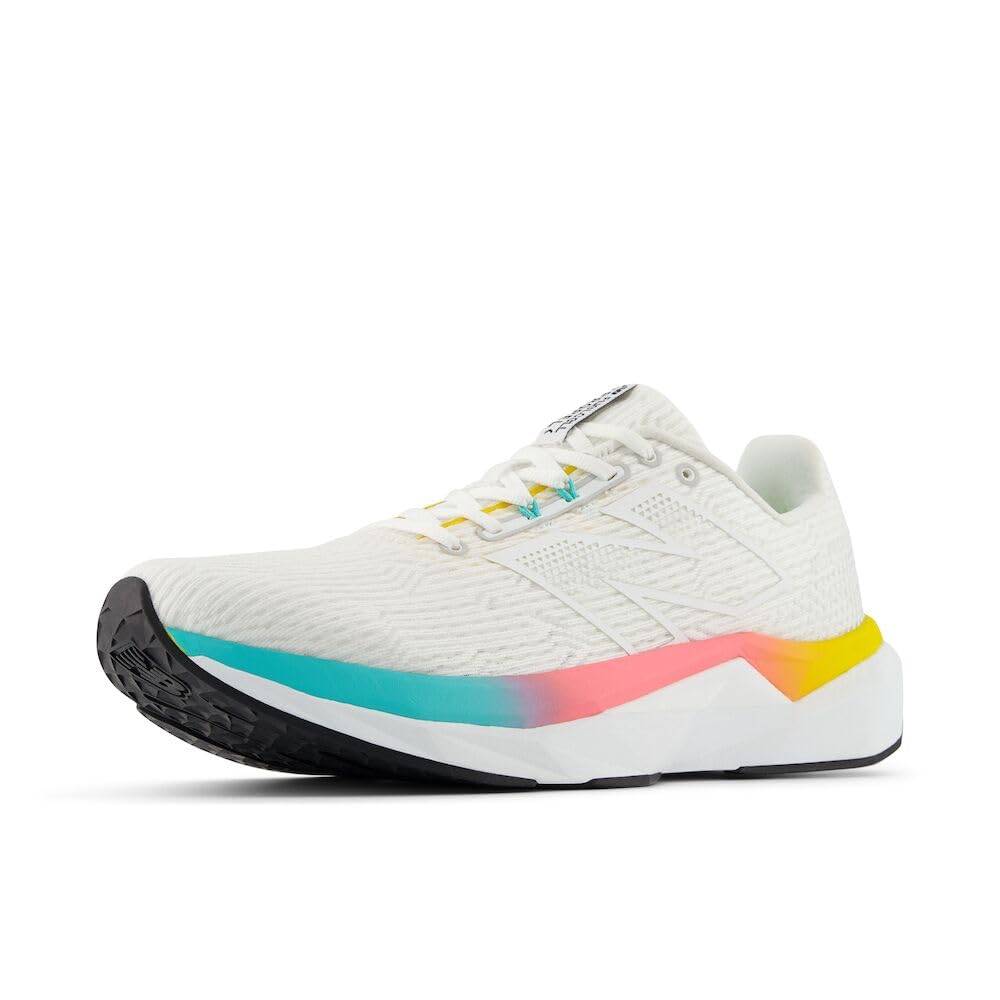
The Propel V5 delivers the best value-to-performance ratio in this list by combining a FuelCell midsole with a full-length TPU plate at an accessible price. The plate adds a noticeable spring to each stride, giving the shoe a lively feel that punches above its cost bracket. The 6mm drop mirrors the Rebel V5, making the Propel a viable alternative for runners who want a similar geometry without the premium price tag.
The upper is made from a woven mesh that offers good breathability and a secure fit, though some testers note the shoe runs slightly short and narrow. Ordering half a size up from your normal running shoe size is a common recommendation. The outsole layout is well-designed, with dense rubber covering the heel and forefoot strike zones for solid durability.
Where the Propel V5 saves cost is in the foam’s density and the upper’s material quality. The FuelCell foam here is not the same supercritical version found in the Rebel V5, so it feels firmer and less energetic over longer distances. For runners on a budget who want a plated trainer for daily mileage, the Propel V5 represents a smart compromise that doesn’t sacrifice the key features that matter.
Why it’s great
- TPU plate adds noticeable bounce for a budget-friendly price
- Outsole rubber covers high-wear zones for durability
- 6mm drop works well for midfoot strikers
Good to know
- Runs short and narrow; size up half a size
- Foam is firmer and less resilient than premium alternatives
8. ASICS Gel-Cumulus 27
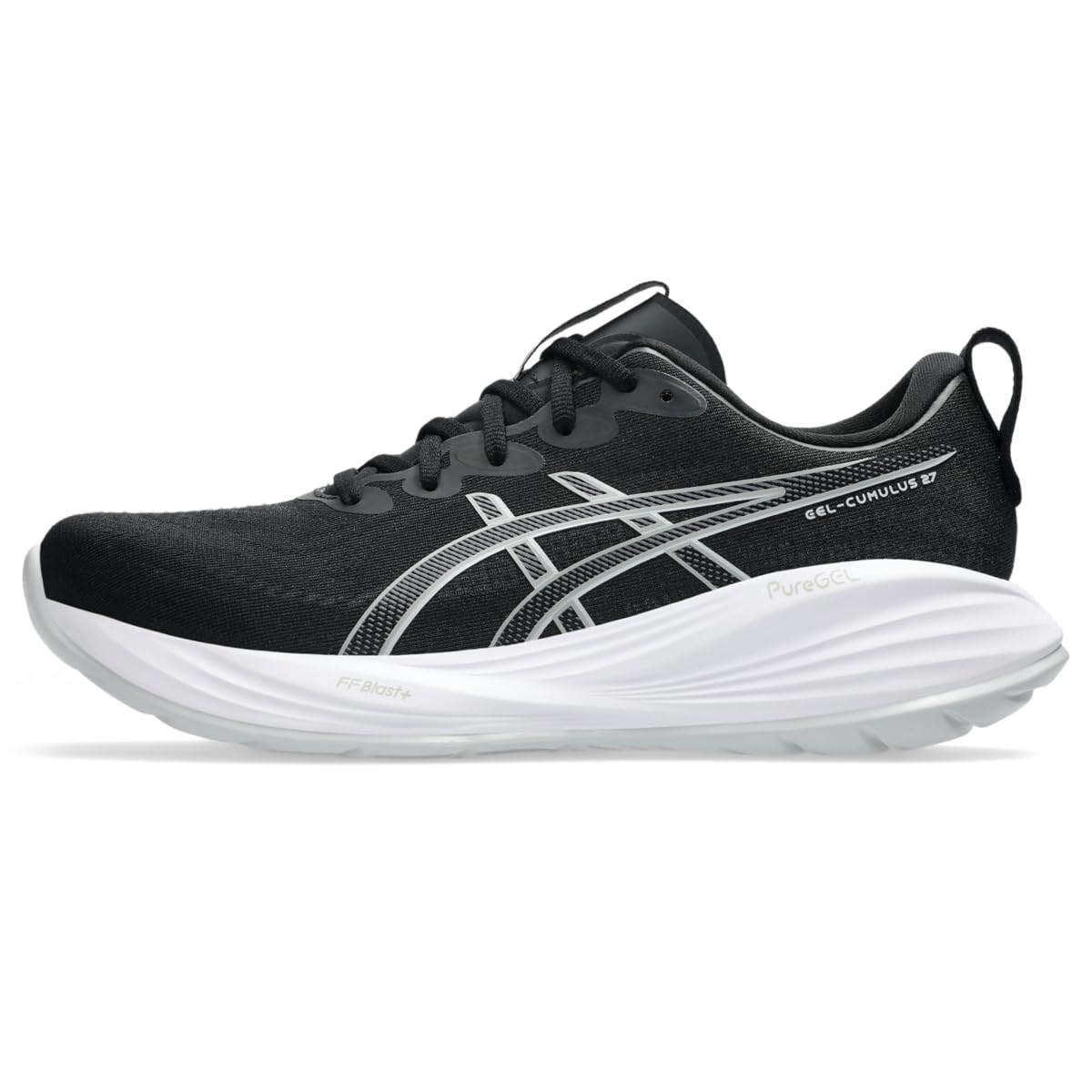
The Gel-Cumulus 27 is ASICS’s standard neutral daily trainer, updated with a rearfoot PureGEL unit that improves impact absorption over previous Cumulus versions. The FlyteFoam midsole, which makes up the bulk of the stack, provides a consistent, medium-soft feel that works for both recovery runs and moderate-paced efforts. The shoe fits true to size with a slightly voluminous toe box that accommodates foot swelling during warm-weather runs.
The upper uses a jacquard mesh that balances breathability with structure, reinforced at the heel and midfoot for a secure hold. The Ortholite sockliner adds a layer of plushness underfoot and resists compression well. The outsole employs ASICS’s AHAR+ rubber in a full-contact pattern, giving the Cumulus 27 above-average durability for the mid-range tier.
Where the Cumulus falls short for serious distance work is its weight. At around 10 ounces for a size 9, it’s not the lightest option, and the ride lacks the energetic pop of nitrogen-infused foams. It’s a solid, no-drama shoe that handles daily training well, but faster runners may prefer more responsive options for tempo days or marathon-paced efforts.
Why it’s great
- Consistent, reliable cushioning for daily mileage
- Full-contact outsole rubber extends shoe lifespan
- True-to-size fit with generous toe-box volume
Good to know
- Heavier than some competitors in the same class
- Ride lacks the energy return of supercritical foams
9. Saucony Ride 18
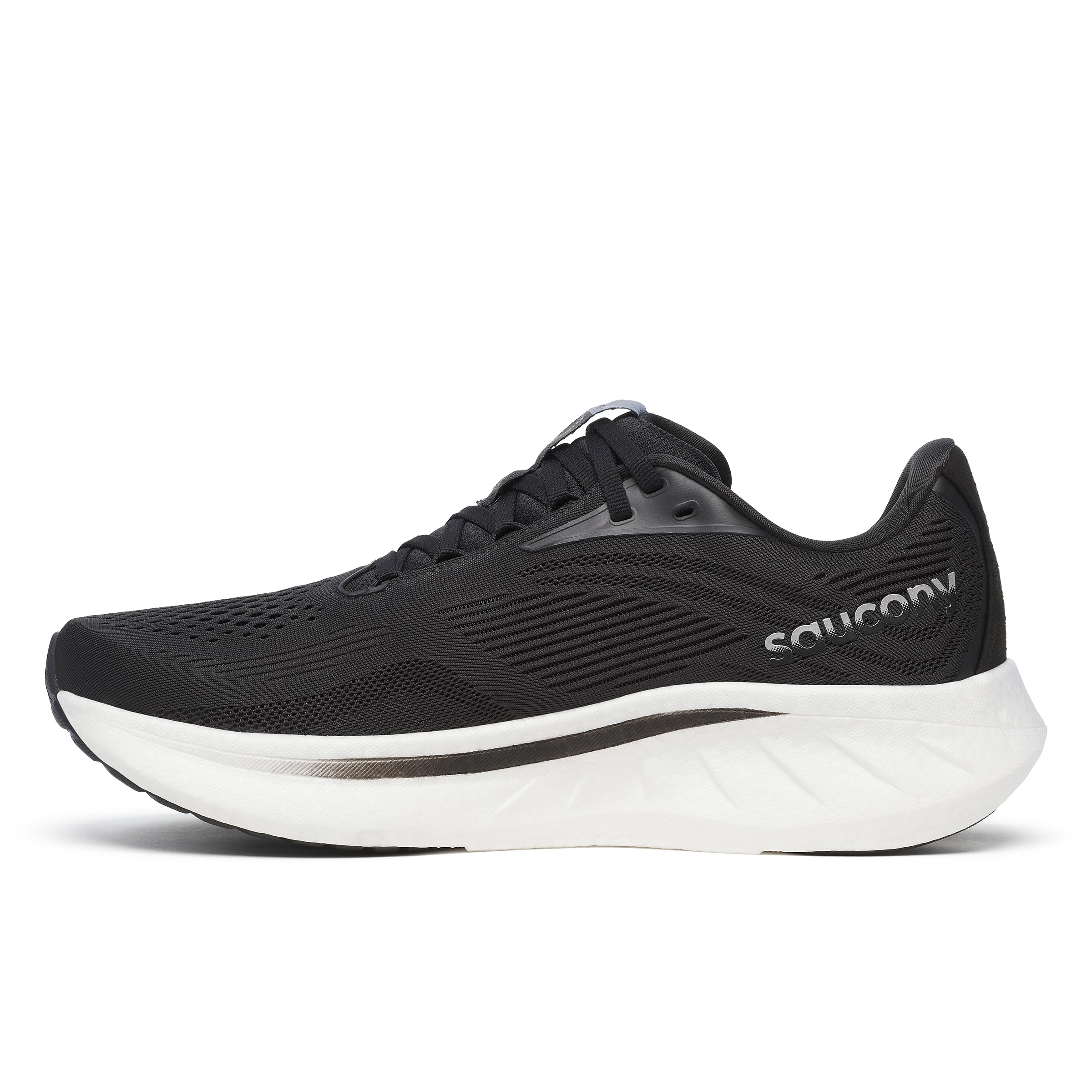
The Ride 18 is the most affordable entry in this guide, offering a solid PWRRUN midsole that balances softness with a touch of ground feel. The cushioning is less plush than models like the Bondi 9 or SUPERBLAST 2, but it provides a smooth, stable platform for runners who want a predictable ride without a high price tag. The heel counter is structured enough to support overpronation without feeling like a stability shoe.
The upper uses a monofilament mesh that improves ventilation and reduces weight compared to the Ride 17. The fit runs slightly longer and wider than previous versions, so runners who wore a size 10 in the Ride 17 may find the Ride 18 too roomy in the toebox. The outsole uses XT-900 carbon rubber in the heel and blown rubber in the forefoot, a dual-compound approach that balances grip with durability.
Be aware that some users report the outsole rubber wears down quickly — one reviewer noted significant wear after only a couple of runs, with the foam becoming exposed. This suggests longevity could be an issue for high-mileage runners logging over 30 miles per week. The Ride 18 is best suited as a budget daily trainer or walking shoe for those who don’t plan to push it past the 250-mile mark.
Why it’s great
- Budget-friendly price point without major feature cuts
- Stable platform supports mild overpronation
- Breathable upper improves comfort in warm conditions
Good to know
- Outsole rubber durability is a concern for high-mileage runners
- Fits larger than previous versions; some may need to size down
FAQ
How many miles should I expect from a distance running shoe?
Should I size up for long-distance running shoes?
What is the difference between a neutral and a stability shoe?
Is a carbon plate necessary for distance running?
Final Thoughts: The Verdict
For most runners, the best distance running shoes for men is the ASICS SUPERBLAST 2 because its supercritical foam delivers a unique combination of high-stack cushioning and responsive energy return that handles everything from easy recovery runs to marathon-paced long runs. If you prioritize a proven, reliable daily trainer and want a shoe with a long track record of durability, grab the Brooks Ghost 18. And for maximum joint protection on truly long distances, nothing beats the Hoka Bondi 9.

Mo Maruf
I created WellFizz to bridge the gap between vague wellness advice and actionable solutions. My mission is simple: to decode the research and give you practical tools you can actually use.
Beyond the data, I am a passionate traveler. I believe that stepping away from the screen to explore new environments is essential for mental clarity and physical vitality.