Our readers keep the lights on and my smoothie glass nicely filled. As an Amazon Associate, I earn from qualifying purchases.
Finding a phone that can run the latest mobile titles at high frame rates without tearing a hole in your bank account used to be a fantasy. The gap between flagship silicon and mid-range MediaTek and Snapdragon chips has shrunk so much that a carefully chosen budget gamer can now deliver 90–120 fps in Genshin Impact and Call of Duty Mobile, provided you know which specs actually drive gaming performance versus which ones just look good on a box.
I’m Mohammad Maruf — the founder and writer behind WellFizz. I’ve spent hundreds of hours combing through chipset benchmarks, thermal throttling tests, battery capacity data, and real user gameplay feedback to isolate which of these so-called gaming phones actually hold up under sustained load and which will leave you frustrated mid-match with lag or a drained battery.
Because the wrong pick in this price zone means stutters during critical team fights or a phone that overheats after 20 minutes, the research you do now directly determines whether your mobile gaming experience feels premium or punishing — and this guide to the best budget gaming phone is built to sort the real performers from the marketing hype.
How To Choose The Best Budget Gaming Phone
Gaming phones in the value tier live and die by three internal organs: the chipset, the cooling system, and the battery. A powerful processor means nothing if it thermal-throttles within minutes. A huge battery is useless if the charging speed is glacial. Understanding these trade-offs is the difference between a phone that ages well and one that feels obsolete after a year.
Chipset and GPU Selection
The heart of a gaming phone is the system-on-chip (SoC) and its integrated GPU. In the budget range, you are choosing between MediaTek Dimensity (the 6300, 7050, or 8400-Ultra) and Qualcomm Snapdragon (the 7s Gen 3, 7 Gen 4, or the 8 Gen 2 for Galaxy). Snapdragon chips generally deliver more stable sustained performance and better GPU driver support, but MediaTek has closed the gap significantly with the Dimensity 8000-series and above. Look for a 4nm or 6nm fabrication process — those run cooler and sip less power than older 7nm or 8nm nodes.
Display Refresh Rate and Touch Sampling
A 120Hz refresh rate is the absolute floor for a credible gaming phone at any price. The difference between 60Hz and 120Hz is the difference between seeing enemies blur past versus tracking them cleanly. Equally critical is the touch sampling rate — measured in Hz — which dictates how many times per second the screen registers your finger. A 480Hz touch sampling rate (found on the Xiaomi Poco X7 Pro) gives a noticeable advantage in twitch shooters, while a standard 120Hz touch rate can feel sluggish during rapid taps.
Battery Capacity and Charging Architecture
Mobile gaming is a power-hungry activity that can drain even a 5,000mAh battery in under three hours at peak brightness and frame rate. The ideal budget gaming phone offers at least 5,000mAh. Some entries in this list go far beyond — up to 22,000mAh — but that bulk comes with a weight penalty. Charging speed matters just as much: a 45W or 90W fast charger can refill a depleted battery in 30–45 minutes, while a 18W charger will keep you tethered to an outlet for nearly two hours.
Quick Comparison
On smaller screens, swipe sideways to see the full table.
| Model | Category | Best For | Key Spec | Amazon |
|---|---|---|---|---|
| OnePlus 15 | Premium | Maximum battery & performance | 7,300mAh / Snapdragon 8 Elite Gen 5 | Amazon |
| Xiaomi Poco X7 Pro | Mid-Range | High refresh & fast charging | 6000mAh / 90W HyperCharge / 120Hz | Amazon |
| Nothing Phone (4a) Pro | Mid-Range | Unique design & fluid OS | 144Hz AMOLED / Snapdragon 7 Gen 4 | Amazon |
| Nothing Phone (3a) | Mid-Range | Clean Android & great cameras | 120Hz / 5000mAh / Snapdragon 7s Gen 3 | Amazon |
| Samsung Galaxy S23+ | Premium (Renewed) | Flagship cameras & build | Snapdragon 8 Gen 2 / 4700mAh / 120Hz | Amazon |
| FOSSIBOT F113 | Mid-Range | Extreme battery & rugged gaming | 20000mAh / Dimensity 7050 / 120Hz | Amazon |
| HTC U23 Pro | Mid-Range | All-around GSM performance | 120Hz / 4600mAh / 12GB RAM | Amazon |
| MMY 16PROMA X | Budget | Monster battery & storage | 22000mAh / 32GB+1TB / Snapdragon 8s Gen4 | Amazon |
| Ulefone Armor X32 Pro | Budget | Rugged durability & compact gaming | 5500mAh / Dimensity 6300 / 90Hz | Amazon |
In‑Depth Reviews
1. OnePlus 15
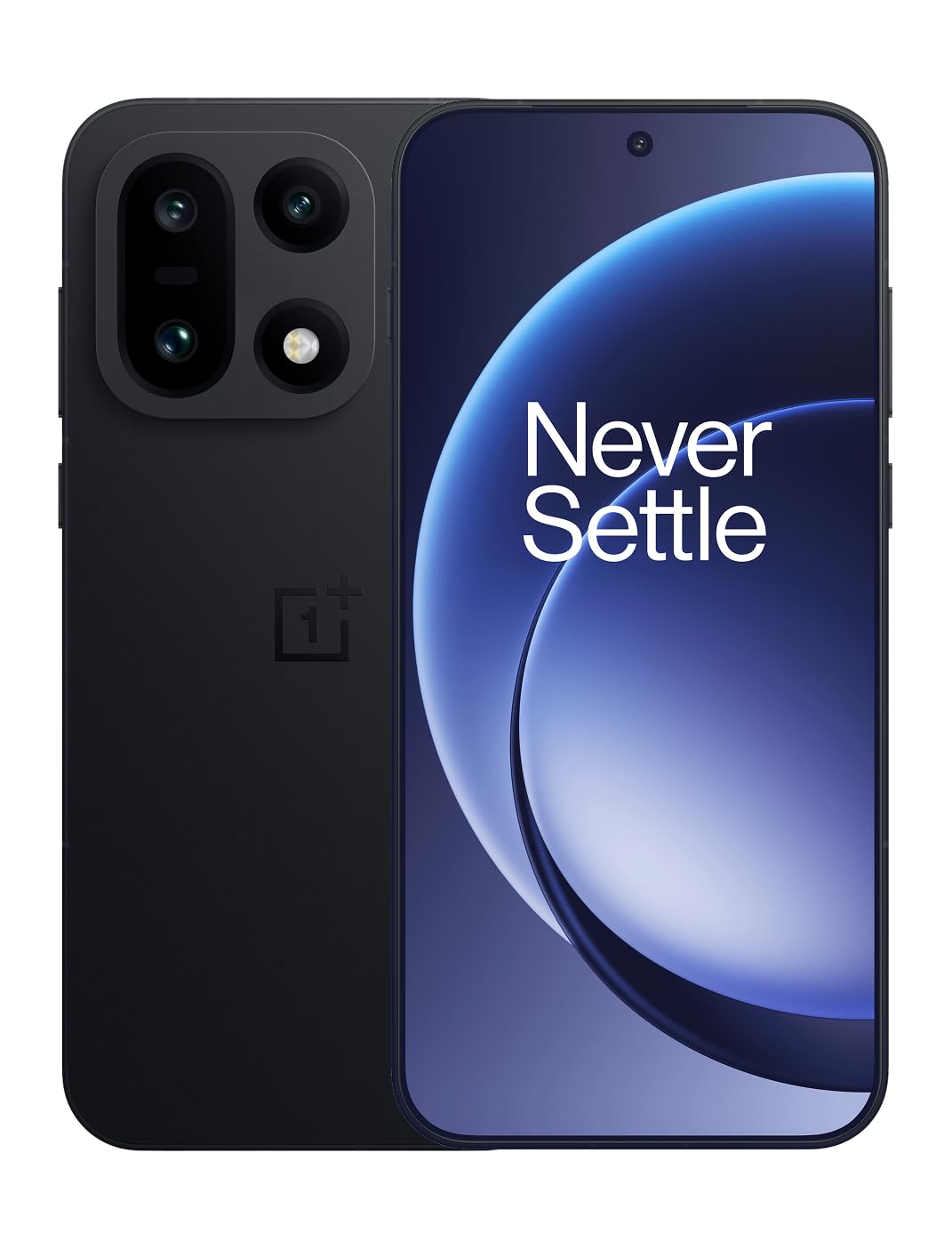
The OnePlus 15 lands as the absolute king of value gaming phones with its Snapdragon 8 Elite Gen 5 chipset and a massive 7,300mAh silicon-carbon battery. That battery alone puts it in a class of its own — users report sailing through an entire day of heavy gaming with 55% charge left. The 165Hz AMOLED display is buttery smooth, and the 120W fast charging means you can refill the entire tank in under 30 minutes, not hours.
The triple 50MP camera system is surprisingly versatile for a gaming-focused device, and the IP66/IP68/IP69 rating means you don’t have to baby this phone during an outdoor tournament or a rainy commute. The 12GB RAM and 256GB storage configuration handles Genshin Impact at max settings without a stutter, and the pre-installed screen protector and charger in the box are welcome bonuses that most competitors omit.
Where it falls short is camera consistency at night — photos can look slightly soft compared to Pixel-level computation. The UI is clean but has its own learning curve with the mini-windows feature. Still, if raw gaming power and battery endurance are your top priorities, this is the phone that redefines value.
Why it’s great
- Best-in-class 7300mAh battery lasts 1.5+ days heavy use
- Snapdragon 8 Elite Gen 5 delivers flagship framerates
- 165Hz AMOLED display is exceptionally smooth
- 120W fast charging and charger included
Good to know
- Night photography could be sharper
- UI learning curve for some gaming features
- Premium tier pricing may stretch some budgets
2. Xiaomi Poco X7 Pro

The Xiaomi Poco X7 Pro is the phone that made the “budget flagship” concept mainstream. Powered by the MediaTek Dimensity 8400-Ultra built on a 4nm process, this phone delivers sustained gaming performance that rivals devices costing double. The 6.67-inch CrystalRes AMOLED display runs at 120Hz with a 480Hz touch sampling rate and a burst 2560Hz instant touch rate in Game Turbo mode — those numbers translate directly to snappier aim and faster reaction in competitive shooters.
With 6,000mAh of battery capacity and the included 90W HyperCharge adapter, you can game all afternoon and recharge from near-empty to full in under 45 minutes. The 50MP main camera with OIS captures solid daylight shots, and the stereo speakers deliver immersive audio that helps you pinpoint enemy footsteps. The 12GB of RAM ensures heavy multitasking between games, Discord, and streaming doesn’t cause lag.
The trade-offs are minor but real: the phone ships with some bloatware that takes a few minutes to uninstall, and the camera tends to oversaturate night shots. The lack of a microSD slot means you’re stuck with the internal 256GB. For pure gaming chops per dollar, this entry is one of the strongest on the market.
Why it’s great
- Dimensity 8400-Ultra delivers stable 90-120 fps in most games
- 480Hz touch sampling for competitive edge
- 6,000mAh battery + 90W fast charging
- Excellent value-to-performance ratio
Good to know
- Some pre-installed bloatware
- No microSD expansion
- Night photos can be over-saturated
3. Nothing Phone (4a) Pro
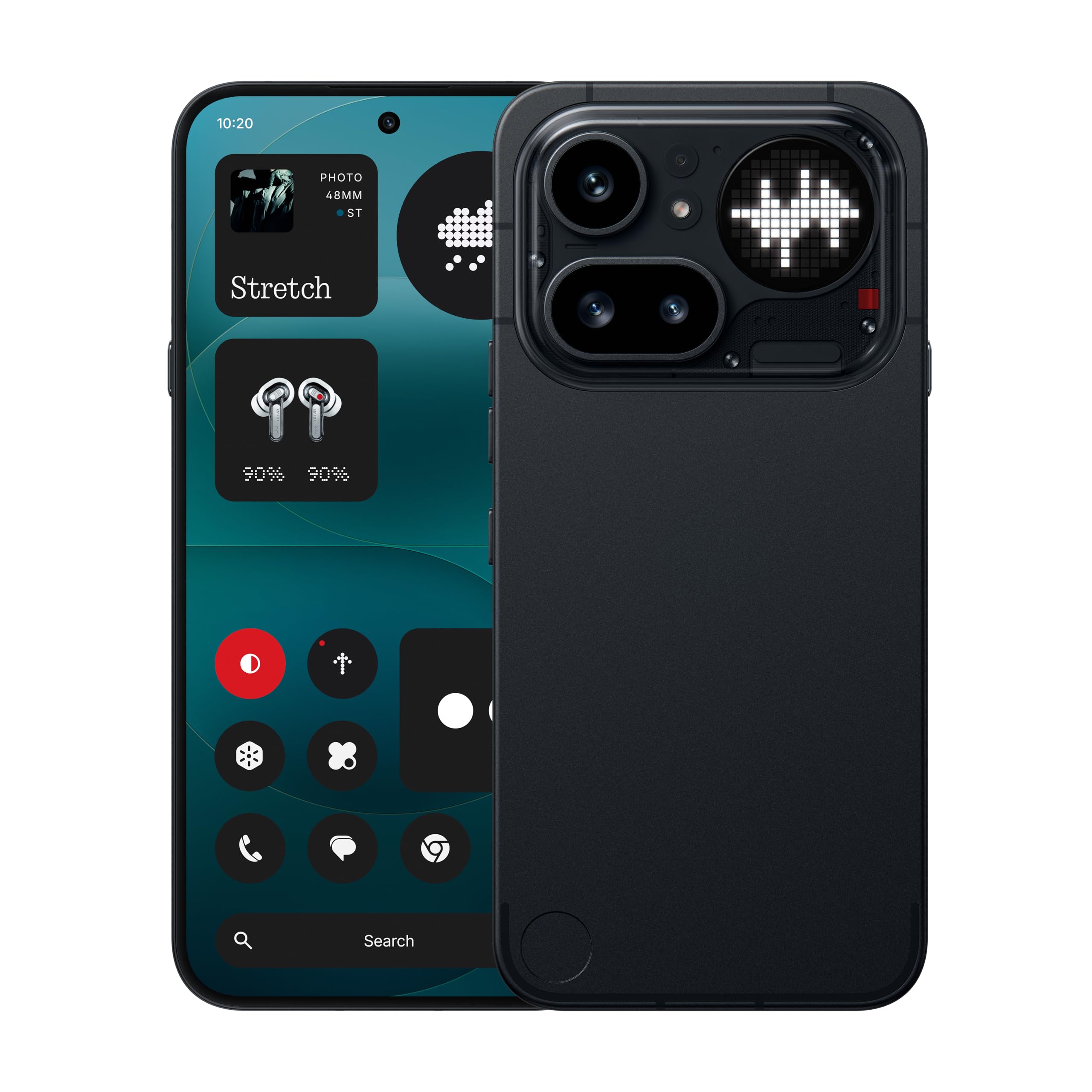
The Nothing Phone (4a) Pro merges gaming performance with head-turning industrial design. The 6.83-inch 1.5K AMOLED display pushes a 144Hz adaptive refresh rate and hits 5,000 nits of peak brightness — numbers that make it readable under direct sunlight and incredibly fluid for fast-paced gaming. Under the hood, the Snapdragon 7 Gen 4 paired with 12GB of LPDDR5X RAM handles 4K video editing and demanding mobile titles without breaking a sweat.
The Glyph Matrix on the back isn’t just a gimmick: 137 individually controllable mini-LEDs let you set custom notification patterns for game invites, messages, and timers without waking the screen. The 5,080mAh battery with 50W fast charging goes from empty to 60% in 30 minutes. The all-metal aluminum unibody at 7.9mm thin gives the phone a premium in-hand feel that’s rare at this price point.
Potential buyers should note that Verizon compatibility is limited and requires manual IMEI registration. The speaker quality is a mild letdown — audio jumps abruptly at lower volumes. For those who value a clean, bloatware-free version of Android 16 with a unique aesthetic, this is a solid choice.
Why it’s great
- 144Hz AMOLED with 5,000-nit peak brightness
- Stunning aluminum unibody design
- Clean, bloatware-free Nothing OS 4.1
- Customizable Glyph Matrix for notifications
Good to know
- Verizon compatibility requires manual registration
- Speaker volume jumps at low levels
- No expandable storage
4. Nothing Phone (3a)

The Nothing Phone (3a) brings the same clean aesthetic and Glyph Interface as its Pro sibling but at a more accessible price. It sports a 6.77-inch 120Hz AMOLED display with 3,000 nits peak brightness, which is plenty bright for outdoor gaming. The Snapdragon 7s Gen 3 processor is a capable mid-range performer that handles most games at high settings, though you may need to drop resolution for the most demanding titles.
The 5,000mAh battery supports 50W fast charging — a full day’s power in just 19 minutes of charging. The 50MP triple camera system (main, ultra-wide, telephoto) punches above its weight class, delivering sharp, vibrant photos in good light. The phone runs a near-stock version of Android 15 with no bloatware, and the Glyph Interface adds a fun, functional twist to notifications and timers.
Where it loses ground to gaming-focused competitors is in sustained GPU performance: the Snapdragon 7s Gen 3 will throttle earlier than a Dimensity 8400 or Snapdragon 8-series chip during hour-long sessions. It’s a better everyday phone that also games well, rather than a dedicated gaming machine. If you want a phone that takes great photos, stays out of your way software-wise, and plays games competently, this is a compelling pick.
Why it’s great
- Beautiful 120Hz AMOLED with high brightness
- Excellent camera system for the price
- Clean bloatware-free Android experience
- Fast 50W charging with 5000mAh battery
Good to know
- Processor thermal throttles in long gaming sessions
- Not recommended for Verizon without manual registration
- No microSD slot
5. Samsung Galaxy S23+ (Renewed)

The renewed Samsung Galaxy S23+ is a clever workaround if you want flagship Snapdragon 8 Gen 2 performance without paying flagship prices. This chipset still competes with the best today, delivering silky 120fps frame rates in most mobile games. The 6.6-inch Dynamic AMOLED 2X display with Vision Booster stays legible even in harsh sunlight, and the adaptive 48–120Hz refresh rate saves battery during less demanding tasks.
The camera system is genuinely flagship-tier: a 50MP main sensor with OIS, 12MP ultra-wide, and 10MP telephoto with 3x optical zoom. Battery life from the 4,700mAh cell is solid for a full day of mixed use, and 45W fast charging gets you back in the game quickly. The Gorilla Glass Victus 2 and aluminum frame give it a premium, durable feel that many budget phones can’t match.
The catch is that this is a renewed unit, so condition varies by seller. Some users report excellent like-new condition; others mention minor scuffs or battery health that’s not quite 100%. The fingerprint reader can be inconsistent, and face recognition is less secure. For buyers comfortable with certified refurbished devices, this is a route to true flagship gaming power at a mid-range price.
Why it’s great
- Snapdragon 8 Gen 2 is still a top-tier gaming chip
- Outstanding camera system with 3x optical zoom
- Premium build with Gorilla Glass Victus 2
- IP68 water and dust resistance
Good to know
- Renewed unit — condition varies by seller
- Fingerprint reader can be unreliable
- No expandable storage
6. FOSSIBOT F113
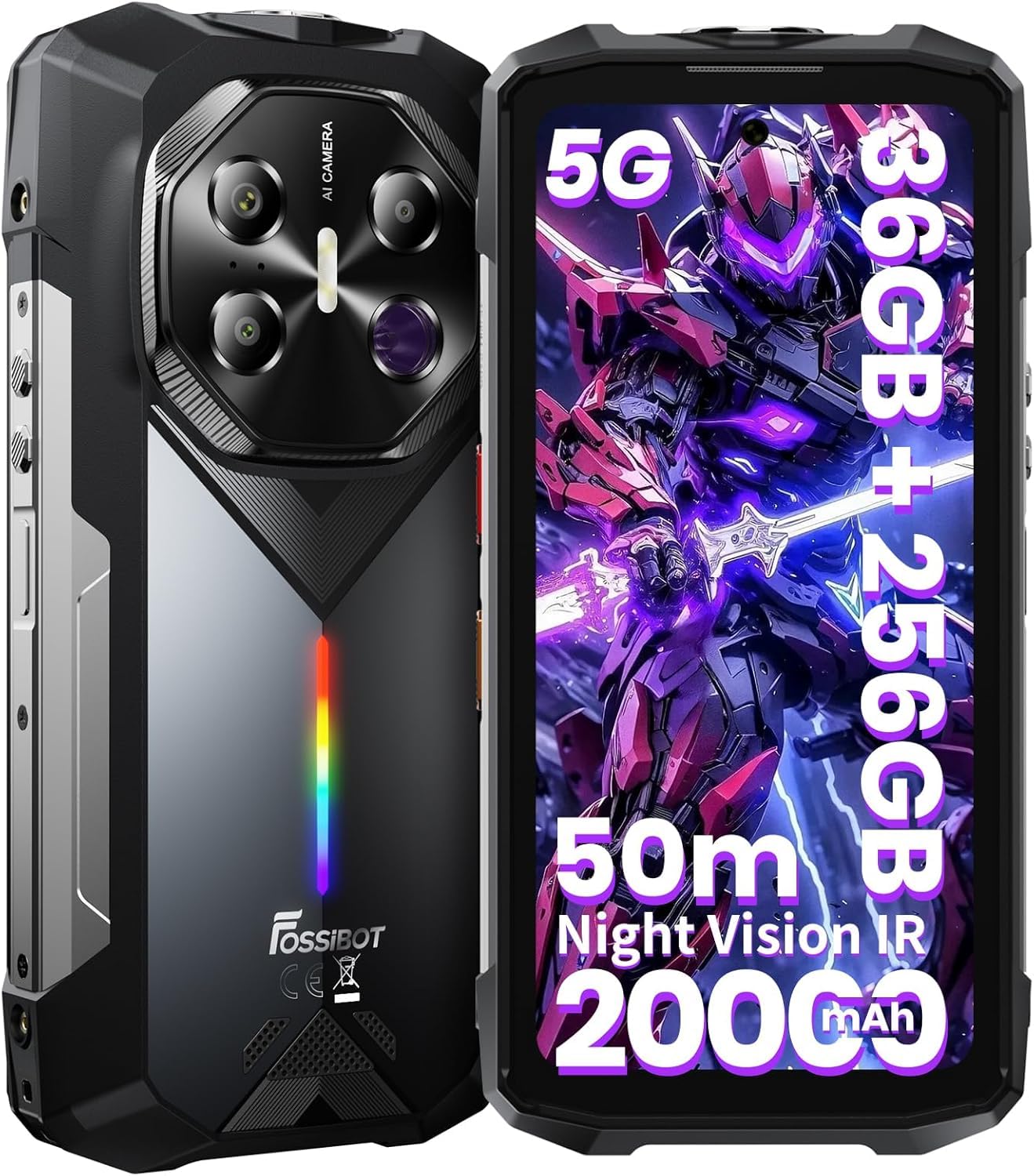
The FOSSIBOT F113 is built for gamers who also live adventurous lives — or simply don’t want to worry about battery anxiety ever again. Its massive 20,000mAh battery delivers up to 175 hours of talk time and three weeks of standby, meaning you can game for days without hunting for an outlet. The MediaTek Dimensity 7050 processor, built on a 6nm process, handles PUBG Mobile and Call of Duty Mobile at high settings without major stutters.
The 6.78-inch FHD+ display runs at 120Hz and is protected by Corning Gorilla Glass, offering decent durability for a rugged device. The 64MP laser night vision camera can capture clear images up to 50 meters in complete darkness — a cool bonus for outdoor use. The phone also doubles as a power bank with 18W OTG charging, letting you top up your earbuds or smartwatch on the go.
The weight is the biggest trade-off: this is a heavy, thick phone that won’t slip easily into a skinny jeans pocket. The screen quality is functional but not as vibrant as an AMOLED panel from Xiaomi or Nothing. AT&T and Cricket users are out of luck — this phone only works on T-Mobile and its MVNOs.
Why it’s great
- 20,000mAh battery lasts days of heavy gaming
- IP68/IP69K and MIL-STD-810H certified
- 50-meter laser night vision camera
- Can charge other devices via 18W OTG
Good to know
- Very heavy and thick
- Screen less vibrant than AMOLED alternatives
- Not compatible with AT&T or Cricket
7. HTC U23 Pro

The HTC U23 Pro is a quiet contender in the budget gaming space, offering 12GB of RAM and 256GB of internal storage at a price that undercuts most competitors. The 120Hz display refresh rate ensures smooth scrolling and gameplay, and the 4,600mAh battery provides solid endurance for a full day of mixed gaming and daily use. The globally unlocked GSM design works well with T-Mobile and its MVNOs.
Build quality is a highlight — the coffee black variant has a fingerprint-resistant back that feels premium in hand. The phone supports 5G, NFC, and USB-C with DP-over-USB-C for connecting to external displays. Users report light use battery life of three days, and the 12GB RAM makes multitasking between heavy games and social apps seamless.
The main concern is long-term software support: the phone shipped with Android 12 and updates have been slow, with some units stuck on Android 8.0 Oreo — which is ancient for security and gaming compatibility. The rear lens cover is also prone to scratching, which degrades photo quality over time. For the price, the hardware is competitive, but the software situation makes it a riskier long-term gaming investment.
Why it’s great
- 12GB RAM handles heavy multitasking well
- Premium fingerprint-resistant build
- Excellent battery life for light use
- DP-over-USB-C for external display output
Good to know
- Software updates are very slow, some outdated Android versions
- Rear camera lens scratches easily
- No CDMA support — not compatible with Verizon/Sprint
8. MMY 16PROMA X
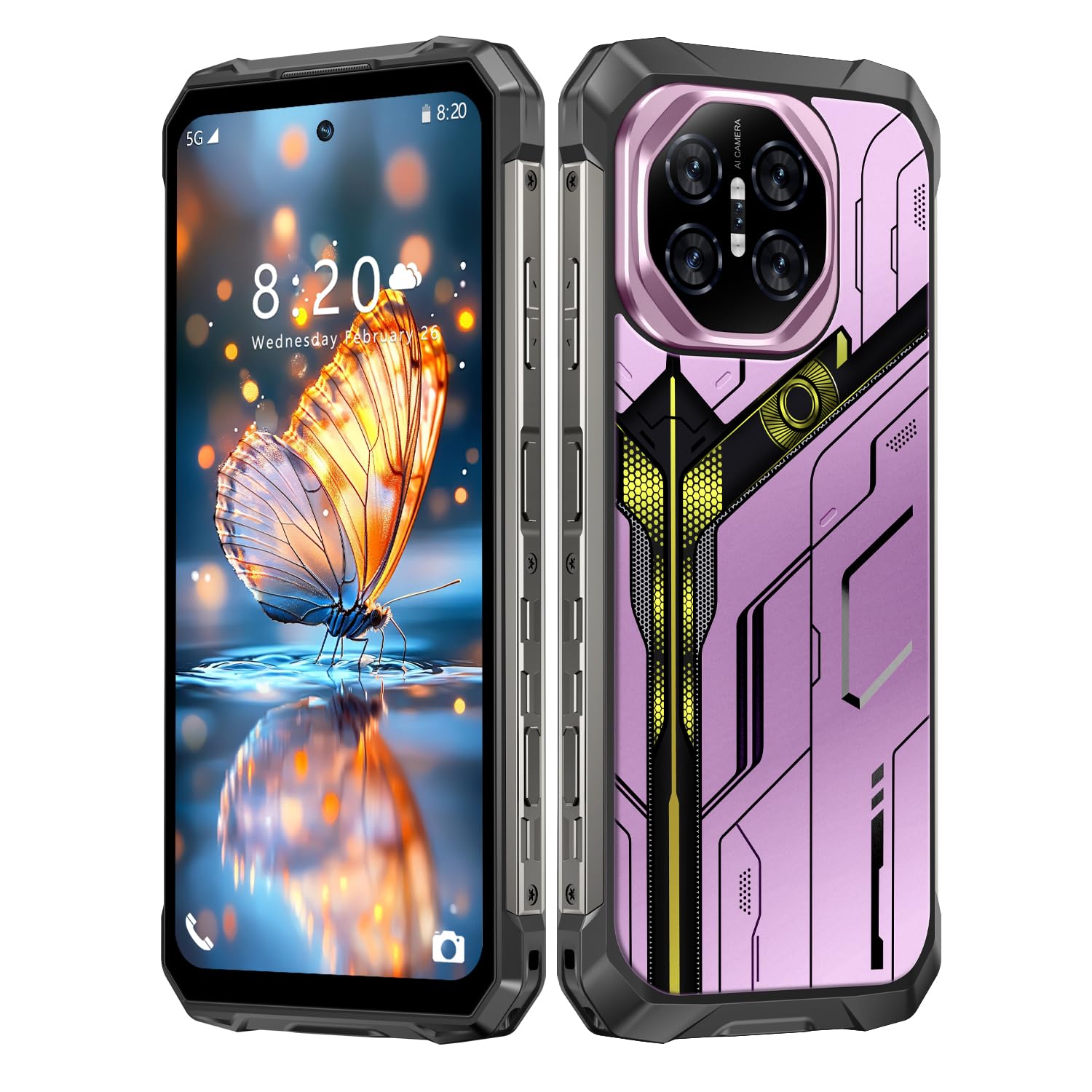
The MMY 16PROMA X is not subtle about its mission. With a claimed 22,000mAh battery and a Snapdragon 8s Gen4 processor, this phone is designed to outlast any gaming marathon you can throw at it. The 6.99-inch HD+ display runs at 1440×3040 resolution, which is impressive on paper, though the 195 PPI pixel density means text and icons won’t be as sharp as on smaller, higher-density screens.
The 32GB of RAM (likely including virtual RAM expansion) and 1TB of internal storage mean you’ll never worry about running out of space for games or multitasking capacity. The IP68 waterproof rating, night vision photography, and underwater camera support add durability that standard gaming phones lack. The dual SIM and 5G support keep you connected on both T-Mobile and international networks.
The catch is that this phone comes from a lesser-known brand, which means software support, security patches, and real-world gaming performance may not match the marketing claims. User reviews on this specific model are scarce, so the actual gaming framerates and thermal behavior remain unverified at scale. If you’re willing to gamble on an unknown quantity for the sheer battery and storage specs, it’s an interesting option, but it carries higher risk than established brands.
Why it’s great
- Absolutely massive 22,000mAh battery
- 32GB RAM and 1TB internal storage
- IP68 waterproof with underwater camera mode
- Large 6.99-inch display for immersive gaming
Good to know
- Brand reliability and software support are unproven
- Low pixel density (195 PPI) reduces sharpness
- Real-world gaming benchmarks are not well-documented
9. Ulefone Armor X32 Pro
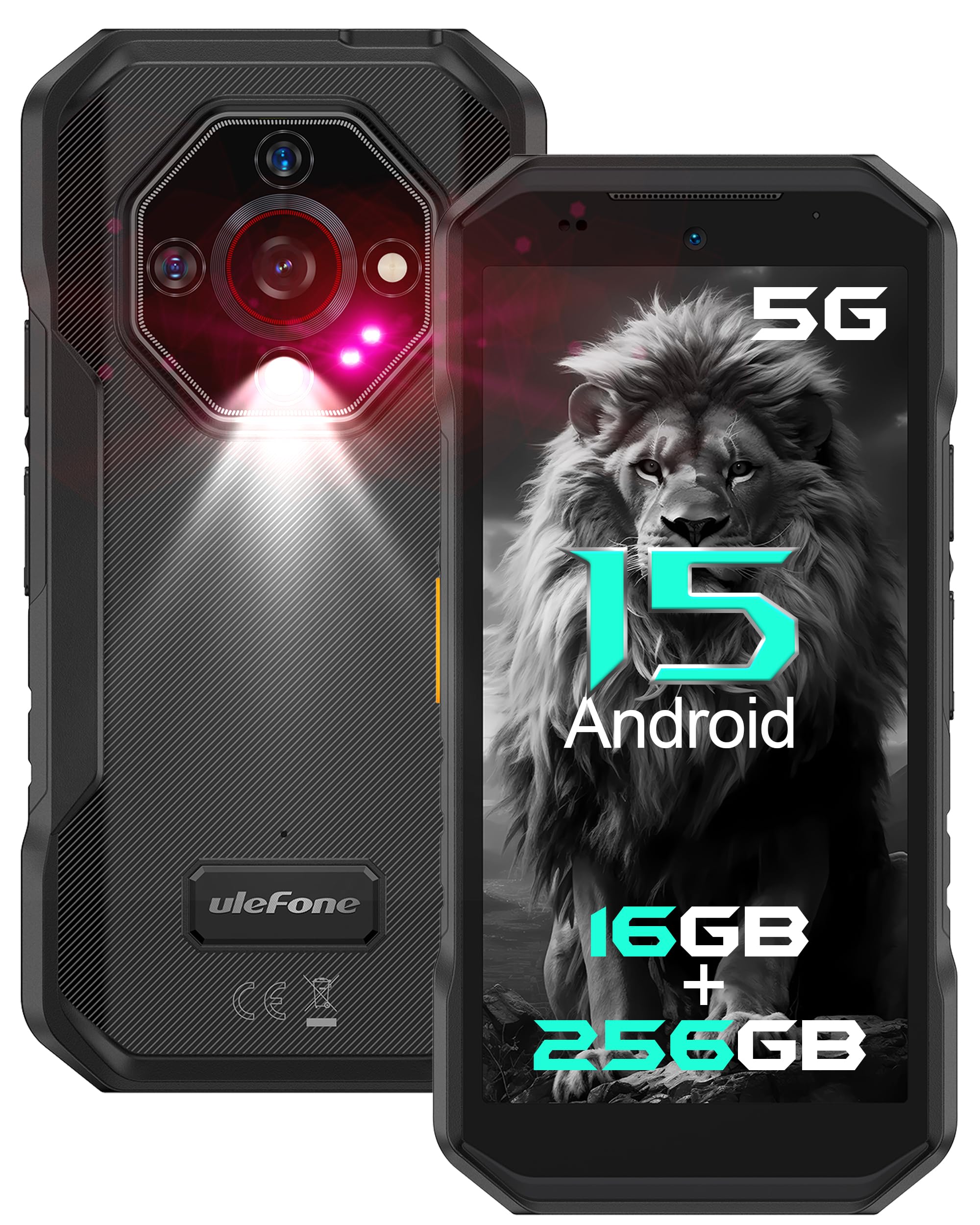
The Ulefone Armor X32 Pro is an ultra-rugged gaming phone that prioritizes durability above all else. With IP68/IP69K and MIL-STD-810H certification, it can survive drops, dust, and submersion in water — perfect for gamers who work in construction or love outdoor adventures. The MediaTek Dimensity 6300 is a capable entry-level gaming chip that handles mid-tier titles well at 60fps, though it won’t push 120fps in demanding games.
The 5.65-inch 90Hz display is smaller than most gaming phones, which some users will appreciate for one-handed use. The 5,500mAh battery provides solid endurance, and the 64MP Sony IMX682 main camera with night vision capabilities is surprisingly good for a rugged device. The dedicated custom key and Gloves Mode make it practical for outdoor and industrial environments.
The 90Hz refresh rate is lower than the 120Hz minimum we recommend for competitive gaming, and the smaller screen limits immersion. It’s also not compatible with Verizon or AT&T, restricting carrier choice. For the right user — someone who wants a durable daily driver that can also game — this is a solid, unique option. Hardcore mobile gamers looking for high frame rates should look elsewhere.
Why it’s great
- Extremely durable with IP68/IP69K and MIL-STD-810H
- Compact size for comfortable one-handed use
- Good main camera with night vision
- Glove-friendly touch screen and custom key
Good to know
- Only 90Hz refresh rate, not ideal for competitive gaming
- Smaller screen reduces game immersion
- Not compatible with Verizon or AT&T networks
FAQ
Is 90Hz refresh rate enough for mobile gaming?
Does a bigger battery always mean better gaming performance?
Can a rugged phone like the Ulefone Armor X32 Pro really handle gaming?
How important is the cooling system in a budget gaming phone?
Final Thoughts: The Verdict
For most users, the best budget gaming phone winner is the OnePlus 15 because its 7,300mAh battery, Snapdragon 8 Elite Gen 5 chipset, and 165Hz display set a new value benchmark that’s hard to beat. If you want the absolute best performance-to-price ratio, grab the Xiaomi Poco X7 Pro with its Dimensity 8400-Ultra and blazing-fast 90W charging. And for those who value a clean, design-forward experience that also games well, the Nothing Phone (4a) Pro offers a unique aesthetic with genuinely capable hardware.

Mo Maruf
I created WellFizz to bridge the gap between vague wellness advice and actionable solutions. My mission is simple: to decode the research and give you practical tools you can actually use.
Beyond the data, I am a passionate traveler. I believe that stepping away from the screen to explore new environments is essential for mental clarity and physical vitality.