Our readers keep the lights on and my smoothie glass nicely filled. As an Amazon Associate, I earn from qualifying purchases.
A compromised skin barrier shows up as tightness, persistent redness, or a stinging reaction to products you once tolerated. These serums work by delivering a concentrated dose of lipids, humectants, and soothing actives to restore the stratum corneum’s protective function and reduce transepidermal water loss—a measurable shift from reactive sensitivity to resilient comfort.
I’m Mohammad Maruf — the founder and writer behind WellFizz. I’ve spent hundreds of hours comparing ingredient profiles, ceramide-to-lipid ratios, and feedback from users with compromised barriers to separate marketing claims from formulations that actually deliver measurable repair.
Whether you’re recovering from over-exfoliation or battling chronic dryness, selecting the right formula is critical. This guide breaks down seven of the top best barrier repair serums by their specific strengths, textures, and target skin concerns.
How To Choose The Best Barrier Repair Serums
Not all barrier serums work the same way. A formula packed with humectants but weak on lipids can plump temporarily without fixing the underlying structural damage. The best barrier repair serums balance three things: lipid precursors (ceramides, fatty acids, cholesterol), humectants (glycerin, HA, PGA), and soothing agents (panthenol, bisabolol, allantoin).
Ceramide Ratio Over Ceramide Presence
Seeing “ceramides” on the label is not enough. The ideal molar ratio mimics the skin’s natural lipid matrix—roughly 3:1:2 of ceramides, cholesterol, and free fatty acids. Many drugstore serums include ceramides as a token dosage. Premium formulas disclose the specific type (Ceramide NP, AP, or EOP) and position them high enough on the ingredient deck to matter.
Texture & Occlusivity for Your Skin Type
If you have oily or acne-prone skin with a damaged barrier, you need a lightweight, fast-absorbing serum that won’t trigger congestion—look for milky or gel textures. Dry or mature skin can handle richer, more occlusive formulas with squalane or shea butter derivatives. A serum that feels greasy on your skin type will discourage consistent use, which is the real barrier-killer.
Quick Comparison
On smaller screens, swipe sideways to see the full table.
| Model | Category | Best For | Key Spec | Amazon |
|---|---|---|---|---|
| Dr.Jart+ Ceramidin | Milky Toner-Serum | Dry, cold-weather repair | Ceramide NP + Panthenol | Amazon |
| AESTURA ATOBARRIER365 | Hydro Essence | Intensive moisture retention | Ceramide-HA Complex + Triple Lipid | Amazon |
| Avène Cicalfate+ | Restorative Serum | Severely compromised, sensitive skin | Pro-Vitamin B5 + Cica | Amazon |
| Experiment Super Saturated | Ultra-Hydrating Gel | Deep hydration without oil | 30% Glycerin + Polyglutamic Acid | Amazon |
| KraveBeauty Great Barrier Relief | Repair Serum | Soothing over-sensitized skin | Tamanu Oil + Ceramides | Amazon |
| Vichy Mineral 89 Booster | HA Hydrating Booster | Lightweight all-skin hydration | Hyaluronic Acid + PGA | Amazon |
| Beekman 1802 Milk Drops | Milk Postbiotic Serum | Oily, acne-prone barrier support | Goat Milk + Ceramides | Amazon |
In‑Depth Reviews
1. Dr.Jart+ Ceramidin Skin Barrier Repair Serum Toner
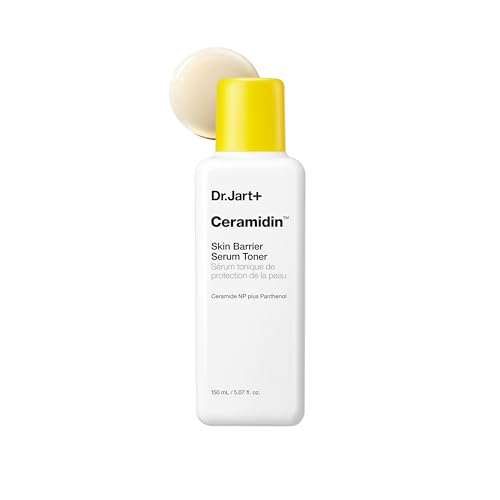
Dr.Jart+ solves the most common barrier mistake—using humectants alone without lipids. This dual-phase toner-serum pairs Ceramide NP with Panthenol to strengthen the lipid matrix while delivering sustained moisture. Clinical testing showed a 134% moisture boost immediately after application and 24-hour hydration retention, making it ideal for dry or climate-stressed skin.
The milky texture absorbs without stickiness and preps skin for subsequent layers. Users transitioning from harsh winters reported resolved redness and tightness within a week. The formula is free from mineral oil, phthalates, parabens, sulfates, and added fragrance, which keeps irritation risk low for reactive skin types.
One trade-off: the bottle lacks a pump, so dispensing requires careful tilting. For users who prefer a toner-serum hybrid that delivers measurable barrier reinforcement without extra steps, this is the benchmark formula in this price tier.
Why it’s great
- Clinically proven 134% moisture boost
- Strengthens barrier for 8+ hours
- Fragrance-free and gentle for dry, sensitive skin
Good to know
- No pump dispenser—pours from bottle
- Rich texture may feel heavy in humid climates
2. AESTURA ATOBARRIER365 Hydro CERA-HA Serum
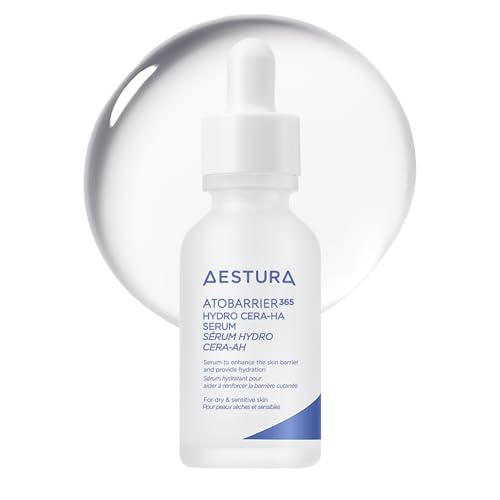
AESTURA’s Hydro CERA-HA Serum uses a proprietary ceramide-hyaluronic acid complex plus a triple lipid blend of ceramides, fatty acids, and cholesterol—mimicking the skin’s natural barrier composition almost exactly. The 3:1:2 ratio is what separates this from basic HA serums; it addresses both moisture retention and barrier structure simultaneously.
The texture is a lightweight essence that layers effortlessly under moisturizer or sunscreen. Allergy-tested and non-comedogenic, it works for sensitive and acne-prone skin alike. Users with aging skin reported improved elasticity and a sustained dewy look throughout the day without greasiness.
Some users found the hydration effect less dramatic than heavier occlusives, but for anyone needing a daily serum that repairs without congestion, this offers the most scientifically sound lipid profile in the lineup.
Why it’s great
- Triple lipid blend mirrors natural barrier ratio
- Non-comedogenic—safe for acne-prone repair
- Clinically improves skin elasticity
Good to know
- Mid-weight hydration not enough for very dry skin alone
- Premium-tier pricing per fluid ounce
3. Avène Cicalfate+ Intensive Restorative Serum
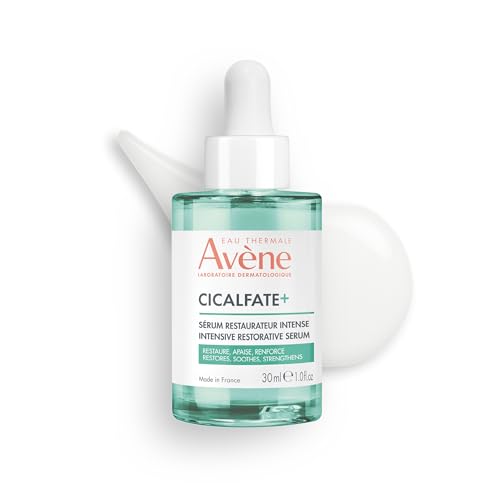
Avène’s Cicalfate+ is the go-to for severely compromised barriers—think red, raw, burning skin from over-exfoliation, retinoids, or medical treatments like chemotherapy. The formula centers on Pro-Vitamin B5 and Avène Thermal Spring Water to immediately soothe tightness and discomfort while restoring moisture over 24 hours.
Users with rosacea or chronic sensitivity reported that this serum stopped the stinging reaction other products caused within days. The texture is soft and non-sticky, layering well under the matching Cicalfate+ cream for a complete repair protocol. With 96% naturally derived ingredients, it is one of the cleanest formulations tested.
The main drawback is the price per ounce, which lands in the premium range. However, for anyone experiencing a truly damaged barrier where even water stings, the rapid relief justifies the cost.
Why it’s great
- Immediate relief for raw, burned, or stinging skin
- 96% naturally derived, fragrance-free formula
- 24-hour moisture retention
Good to know
- Premium price point
- Best paired with Cicalfate+ cream for full effect
4. Experiment Super Saturated Ultra Hydrating Barrier Serum
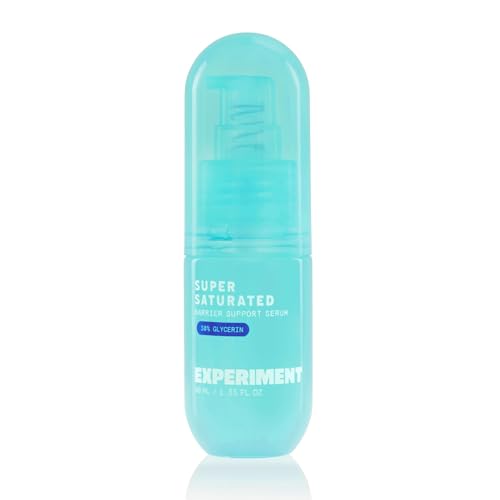
Experiment Super Saturated goes all-in on humectant power with 30% glycerin—the highest concentration on the market—plus multi-molecular polyglutamic acid. This combination draws and holds massive amounts of water in the stratum corneum, which is critical for barriers that have lost their natural water-holding capacity.
Despite the high glycerin load, the formula dries down to a glowy, grippy finish that works as a primer base. Users with dehydrated, acne-prone, or tretinoin-treated skin reported that it reduced irritation and gave a plumped, dewy look without breaking them out. It also contains niacinamide and prickly pear for additional soothing.
The serum can feel slightly tacky upon application and may pill under heavy moisturizers. It is designed for those whose primary need is intracellular hydration rather than lipid occlusion.
Why it’s great
- Industry-leading 30% glycerin concentration
- Non-comedogenic—safe for oily, acne-prone repair
- Dries to a glowy, grippy finish
Good to know
- Initial tackiness may not suit all textures
- Contains niacinamide—check tolerance
5. KraveBeauty Great Barrier Relief Serum
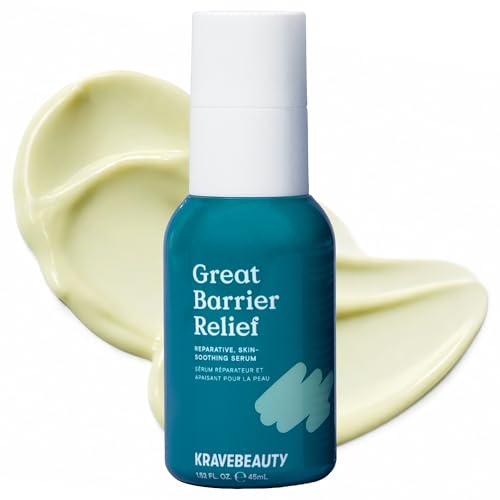
KraveBeauty’s Great Barrier Relief is built around Tamanu Oil, a botanical lipid known for its regenerative properties, combined with Ceramides and Niacinamide. Users with over-sensitized skin from actives or UV damage reported visible soothing and reduced redness within four days of consistent use.
The milky, lightweight texture absorbs without greasiness and layers well under moisturizer. It also showed notable dark spot fading in two weeks of twice-daily application, making it a dual-purpose repair-plus-brightening option. The formula is fragrance-free and essential oil-free.
The biggest caveat is the scent—users describe it as smelling like celery, sunflower seeds, or tamarind candy due to the Tamanu Oil. The smell fades after absorption, but sensitive noses should be aware. For a well-priced, effective repair serum that also targets pigmentation, this is a strong choice.
Why it’s great
- Reduces redness and soothes over-sensitized skin rapidly
- Fades dark spots with consistent use
- Lightweight, non-greasy for combo skin
Good to know
- Strong natural scent from Tamanu Oil
- May feel slightly oily on very oily skin types
6. Vichy Mineral 89 Booster Serum
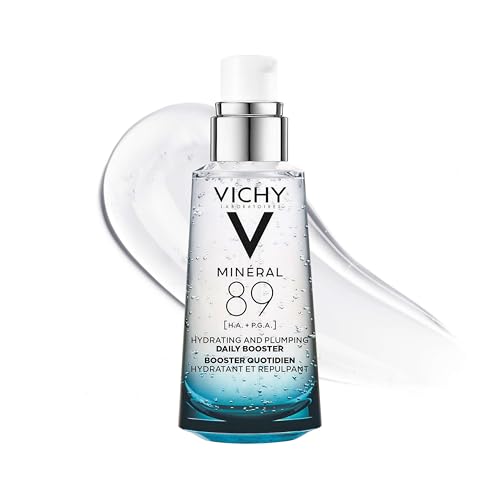
Vichy’s Mineral 89 Booster uses a straightforward science: Hyaluronic Acid plus Polyglutamic Acid for dual-layer hydration, fortified with Vichy Volcanic Water to strengthen the barrier. Clinical testing showed a 100% improvement in hydration and 81% of users saw improved evenness after two months. It is one of the most widely accepted formulas by the National Eczema Association.
The gel-like texture is the lightest in this comparison—ideal for oily, sensitive, or eczema-prone skin that cannot tolerate heavier occlusives. It absorbs instantly with zero stickiness and layers seamlessly under makeup. Long-term users reported smoother skin texture and reduced sensitivity over several months.
Some reviewers felt the effects were subtle and did not justify the mid-range cost if their barrier was already in decent shape. As a preventive, lightweight hydration booster, it performs well, but it is not the most intensive repair option for severe barrier damage.
Why it’s great
- National Eczema Association accepted
- Ultra-lightweight—suitable for oily, sensitive skin
- Clinically tested for hydration and evenness
Good to know
- Subtle effects for already-healthy barriers
- Not a stand-alone repair for severe damage
7. Beekman 1802 Milk Drops Ceramide Face Serum
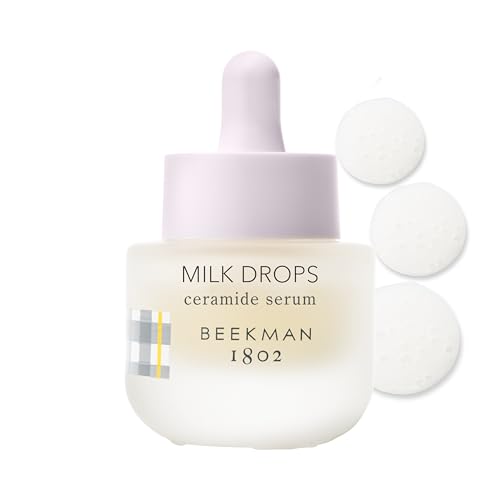
Beekman 1802’s Milk Drops are built around goat milk, which naturally contains lactic acid and a pH close to human skin, helping balance the microbiome while ceramides, squalane, and hyaluronic acid deliver barrier repair. This combination is especially effective for oily and acne-prone skin that still needs barrier support without congestion.
Users reported that the lightweight milk texture preps skin smoothly under makeup and controls excess oil without drying out the barrier. The formula is free from parabens, sulfates, phthalates, synthetic fragrances, and microplastics, adhering to a “beyond clean” standard.
A few reviewers with very oily skin noted potential milia formation if used too liberally in humid conditions. The 0.5 fl oz size is smaller than most competitors, making the cost per ounce higher than other entry-level options.
Why it’s great
- Balances barrier repair for oily, acne-prone skin
- Goat milk supports microbiome balance
- Beyond-clean formulation—no fragrances or toxins
Good to know
- Smaller bottle size—higher cost per ounce
- May cause milia in very oily, humid environments
FAQ
Can I use a barrier repair serum with retinol or AHAs?
How long does it take to see results from a barrier serum?
Should I apply barrier serum before or after moisturizer?
Final Thoughts: The Verdict
For most users, the best barrier repair serums winner is the Dr.Jart+ Ceramidin because it delivers a clinically backed 134% moisture boost alongside real ceramide-panthenol barrier reinforcement in a fragrance-free, versatile texture. If you need intensive humectant repair without lipids, grab the Experiment Super Saturated. And for severely compromised, stinging skin that needs rapid soothing, nothing beats the Avène Cicalfate+.

Mo Maruf
I created WellFizz to bridge the gap between vague wellness advice and actionable solutions. My mission is simple: to decode the research and give you practical tools you can actually use.
Beyond the data, I am a passionate traveler. I believe that stepping away from the screen to explore new environments is essential for mental clarity and physical vitality.