Our readers keep the lights on and my smoothie glass nicely filled. As an Amazon Associate, I earn from qualifying purchases.
Finding a headset that reveals the full texture of a recording—not just the bass line—is the core challenge of the wired audio world. Every open-back design lets air move freely for a natural soundstage, while closed-back options isolate you from the room, each trade-off defining your listening experience. You need a headset that resolves micro-details without harshness, that images precisely without sounding thin, and that endures daily use without signal degradation.
I’m Mohammad Maruf — the founder and writer behind WellFizz. My research for this guide involved cross-referencing frequency response graphs, driver technology (dynamic vs. planar magnetic), impedance matching, and real-world user reports across hundreds of listening hours to separate the genuinely resolving headsets from the merely loud ones.
After weeks of analysis, the seven models below define the current standard for transparent, detailed audio reproduction. This is my expert assessment of the best headset for audio quality available right now, ranked by resolution, soundstage, and build integrity.
How To Choose The Best Headset For Audio Quality
The single most important decision is whether you need an open-back or closed-back design. Open-back headsets like the Audio-Technica ATH-R70xA and HIFIMAN Arya Stealth produce a natural, spacious soundstage where instruments breathe and stereo imaging feels holographic—but they leak sound both ways. Closed-back models like the beyerdynamic DT 770 Pro X and Shure SRH440A isolate you from ambient noise, making them better for recording or noisy environments, but often trade some spatial depth for that isolation.
Driver Technology: Dynamic vs. Planar Magnetic
Dynamic drivers (used by Sennheiser, Beyerdynamic, and Audio-Technica) are the industry standard, offering excellent efficiency and a familiar tuned response. Planar magnetic drivers (used by HIFIMAN) use a thin diaphragm suspended between magnets, which provides faster transient response, lower distortion at high volumes, and superior bass control. Planar headsets are usually heavier and require more power from your amplifier, but the reward is exceptional detail retrieval across the entire frequency band.
Impedance and Sensitivity: Matching Your Source
A high-impedance headset like the Audio-Technica ATH-R70xA (470 ohms) needs a dedicated headphone amplifier or a powerful audio interface to reach its full potential—plugging it into a phone will result in low volume and thin dynamics. Lower-impedance models like the beyerdynamic DT 990 Pro X (48 ohms) or the Sony WH-1000XM5 (active, low impedance) work well directly from a laptop or DAC dongle. Sensitivity (measured in dB SPL/mW) tells you how loud the headset gets with a given amount of power; higher sensitivity means easier driving.
Quick Comparison
On smaller screens, swipe sideways to see the full table.
| Model | Category | Best For | Key Spec | Amazon |
|---|---|---|---|---|
| HIFIMAN Arya Stealth Magnet | Planar Open-Back | Ultimate resolution & soundstage | Planar Magnetic, 35 ohm | Amazon |
| Sennheiser HD 660S2 | Dynamic Open-Back | Neutral reference with deep bass | 42mm dynamic, 300 ohm | Amazon |
| Audio-Technica ATH-R70xA | Dynamic Open-Back | Ultra-lightweight reference monitoring | 45mm dynamic, 470 ohm | Amazon |
| Audio-Technica ATH-R70x | Dynamic Open-Back | Natural tonality & imaging | 45mm dynamic, 470 ohm | Amazon |
| beyerdynamic DT 990 Pro X | Dynamic Open-Back | Wide soundstage for gaming & mixing | STELLAR.45 driver, 48 ohm | Amazon |
| beyerdynamic DT 770 Pro X | Dynamic Closed-Back | Studio isolation & detail | STELLAR.45 driver, 48 ohm | Amazon |
| Sony WH-1000XM5 | Wireless ANC Closed-Back | Portable noise cancelling & balanced sound | Integrated Processor V1, 30hr batt. | Amazon |
| Shure SRH440A | Dynamic Closed-Back | Budget monitoring & casual listening | 40mm dynamic, 40 ohm | Amazon |
| Bose QuietComfort | Wireless ANC Closed-Back | Comfort-first all-day listening | Dynamic driver, 24hr batt. | Amazon |
In‑Depth Reviews
1. HIFIMAN Arya Stealth Magnet Version

The Arya Stealth is the benchmark for planarmagnetic transparency under a thousand dollars. Its Stealth Magnet geometry virtually eliminates wave diffraction turbulence, allowing the nanometer-thickness diaphragm to move unimpeded. The result is a sound that resolves micro-details—guitar finger slides, hall reverberations, vocal inhales—without the metallic edge typical of lesser planars. At 35 ohms, it is far easier to drive than the original Arya, though a dedicated amplifier still unlocks its full authority, especially in the sub-bass region where it reaches down with controlled, tactile force.
The open-back design yields a soundstage that is both wide and impressively layered. Instruments occupy distinct positions across a left-right and front-back plane, making it an exceptional tool for critical mixing decisions and immersive listening alike. Build quality is solid: a metal headband and high-grade plastic frame keep weight manageable at roughly 440 grams, and the user-replaceable cable connectors add long-term durability.
The earpads feature a perforated leatherette edge with fabric interior—comfortable for sessions of two to three hours, though listeners with larger head sizes may find the clamping force lighter than expected. The included cable is serviceable but basic; many users opt for an aftermarket balanced cable to further reduce distortion. Overall, the Arya Stealth offers a synergy of resolution, headroom, and spatial performance that redefines what is possible at this price point.
Why it’s great
- Planar magnetic driver delivers lightning-fast transients and low distortion
- Expansive, holographic soundstage with precise instrument separation
- Stealth Magnet design reduces diffraction for cleaner upper-midrange
Good to know
- Requires a quality amplifier to reach its full potential
- Not portable—large frame and open-back design leak sound
- Earpad size may feel cavernous for smaller ears, affecting seal
2. Sennheiser HD 660S2
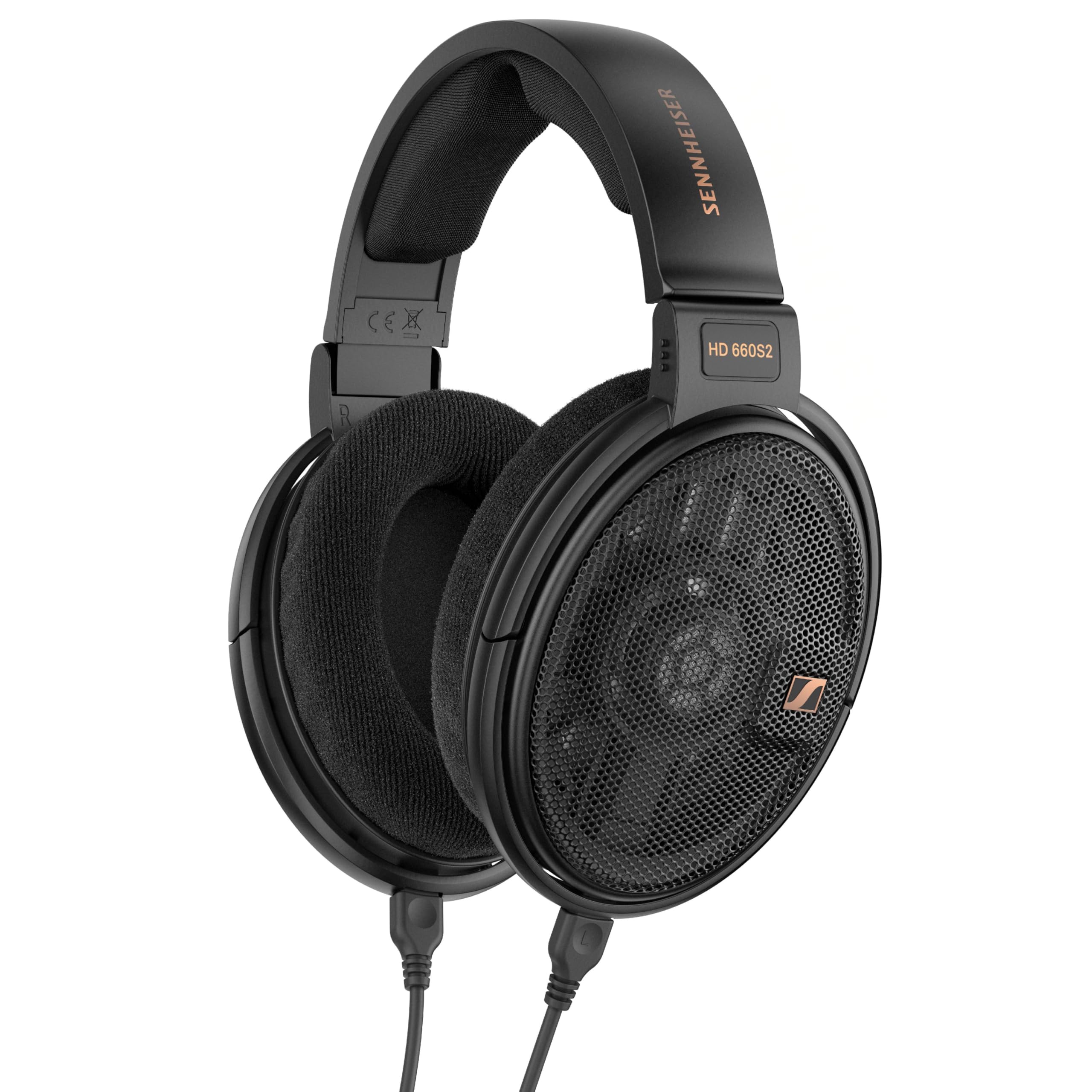
Sennheiser’s HD 660S2 refines the classic HD 600 family with deeper bass extension and a warmer, more immersive tonal balance. The 42mm dynamic transducer uses an ultra-light aluminum voice coil to push lower distortion into the sub-100 Hz region, delivering piano fundamentals (27.5 Hz) and kick drum weight (45–60 Hz) with punch and control that earlier models lacked. The 300-ohm impedance pairs naturally with tube amplifiers, where the HD 660S2’s already smooth treble becomes even more liquid.
The soundstage is more intimate than the Arya’s—closer to a small jazz club than a concert hall—but the imaging is pinpoint accurate. Vocals sit front and center with a natural, lifelike presence, while instruments have clear lateral positioning. This makes the HD 660S2 a superb tool for critical listening sessions where tonal accuracy and vocal texture matter most, such as vocal mixing, acoustic music, and podcast monitoring.
Build is classic Sennheiser: a durable plastic and metal construction with plush velour earpads that feel cloud-like over extended wear. The 6.3mm and 4.4mm balanced cables are included in the box, giving immediate flexibility with most desktop rigs. The low-frequency energy is noticeably richer than the HD 600, making the HD 660S2 a more engaging all-rounder for listeners who want transparency with a hint of musical warmth.
Why it’s great
- Balanced, natural tonality with enhanced sub-bass extension
- Exceptional vocal presence and midrange clarity
- Two detachable cables (6.3mm and 4.4mm) included
Good to know
- 300-ohm impedance demands a dedicated headphone amplifier
- Soundstage is intimate, not expansive like planar alternatives
- Cable microphonics can be audible near the earcup connection
3. Audio-Technica ATH-R70xA
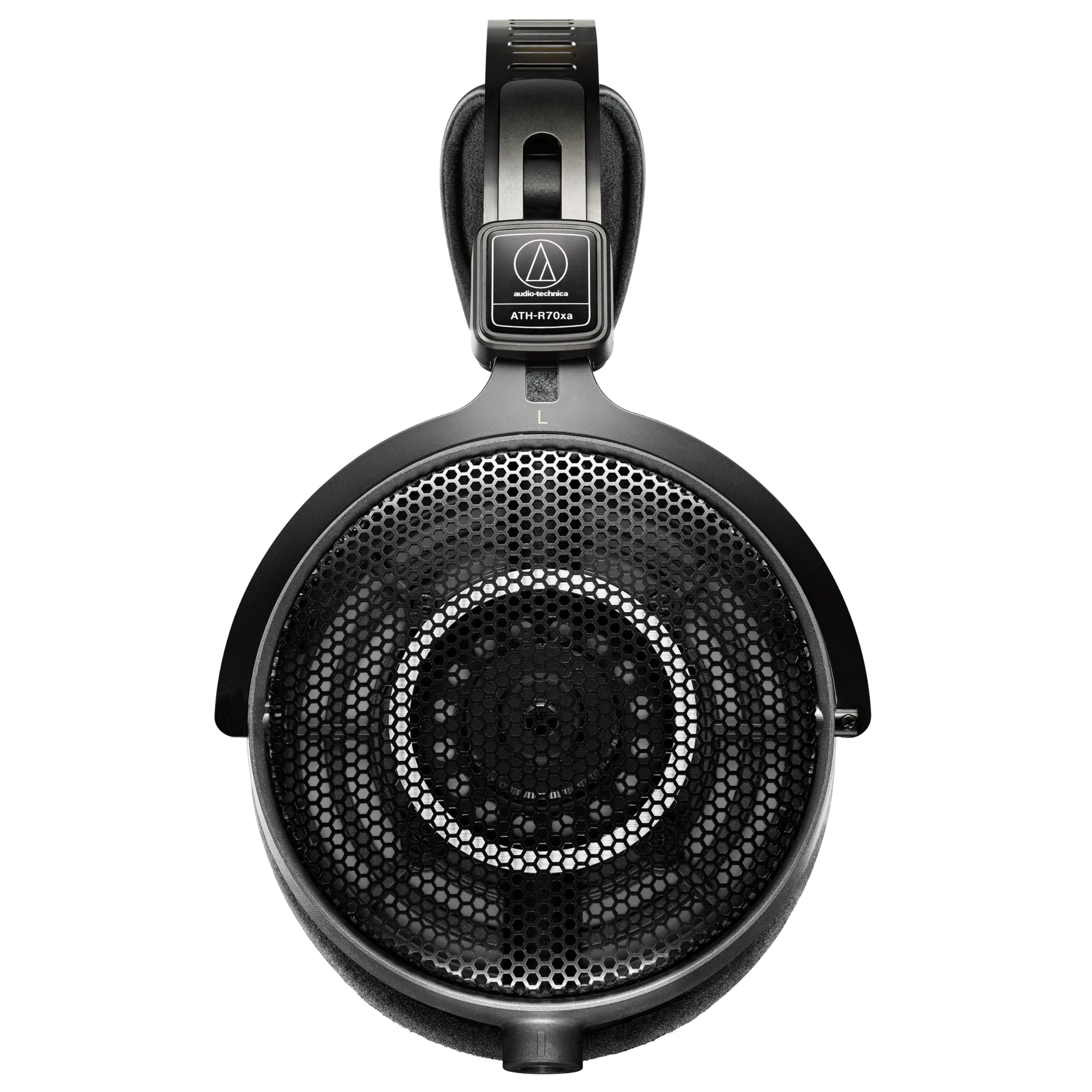
The ATH-R70xA is the latest evolution of Audio-Technica’s reference open-back series, and it shaves weight down to an astonishing 199 grams (excluding cable) while maintaining a fully open-back carbon composite resin housing. The 45mm dynamic driver, hand-assembled in Japan, produces a frequency range of 5–40,000 Hz with exceptional linearity. The 470-ohm impedance requires a dedicated amplifier but rewards with an ultra-detailed, transparent sound that reveals mix flaws without exaggeration.
The soundstage is wide and naturally layered, with a three-dimensional quality that places the listener in the acoustic space of the recording. Instrument separation is class-leading: you can track the decay of a cymbal crash separately from the sustain of a piano chord. The midrange is slightly forward but never shouty, which makes it ideal for vocal analysis and acoustic instrument monitoring. The sub-bass is present but not emphasized—true to a neutral reference philosophy.
The redesigned headband and wing support system eliminate the traditional pressure points found on the original R70x. The velour earpads are soft, breathable, and replaceable. The dual-sided locking cable is an improvement over the previous generation, with a reinforced mini-XLR connector that ensures secure stereo orientation. For engineers and audiophiles who prioritize neutrality and long-session comfort above all else, the R70xA is a top-tier choice.
Why it’s great
- Incredibly light (199g) for fatigue-free all-day wear
- Linear, uncolored frequency response ideal for mixing reference
- Wide soundstage with precise lateral and depth imaging
Good to know
- High impedance (470 ohms) requires powerful amplification
- Build feels more delicate than the original R70x due to resin materials
- Cable is long (9.8 ft) and may be cumbersome for desktop use
4. Audio-Technica ATH-R70x

The original ATH-R70x remains a reference-class open-back headphone that rivals the Sennheiser HD 600 series in neutrality while offering a wider soundstage and superior comfort. The 45mm driver uses a pure alloy magnetic circuit and high-efficiency neodymium magnets to achieve low distortion and extended high-frequency response. At 210 grams, it is one of the lightest full-size reference headphones on the market, making long mixing sessions genuinely comfortable.
Its tonal balance is neutral with a gentle warmth in the lower midrange, which makes it less fatiguing than the more analytical HD 600. The soundstage is noticeably wider than the HD 600’s, with better out-of-head localization. Vocals are natural and centered, while instruments spread laterally with convincing depth. Sub-bass rolls off gradually—not a headphone for bassheads, but perfectly sufficient for critical monitoring where accuracy trumps impact.
The 3D Wing Support System distributes weight evenly around the crown, minimizing hot spots. The fabric earpads are breathable but may feel thin to users accustomed to thicker velour pads. The dual-sided locking cable is L/R independent and includes a 1/4-inch adapter. Many users report that a powerful DAC/amp is essential—the R70x runs quiet and thin from a phone or laptop. For the price, it offers a level of detail and spatial accuracy that punches well above its cost.
Why it’s great
- Neutral, detailed sound with a wide, natural soundstage
- Extremely lightweight for fatigue-free long sessions
- Excellent value for a true reference-grade open-back headphone
Good to know
- Needs a powerful amp; insufficient with most portable devices
- Fabric earpads may feel less plush than velour alternatives
- Sub-bass roll-off limits bass-heavy genres
5. beyerdynamic DT 990 Pro X

The DT 990 Pro X is a significant upgrade over the classic DT 990 Pro, built around Beyerdynamic’s new STELLAR.45 driver that extends frequency response to 40 kHz while lowering total harmonic distortion. At 48 ohms, it is easy to drive from a laptop or DAC dongle, making it a versatile option for gamers and music lovers who want an open-back experience without investing in separate amplification. The result is a sound that is airy, detailed, and exceptionally clear in the upper treble region.
The open-back design provides a wide soundstage with strong left-right separation, making it excellent for competitive gaming where spatial audio cues matter. The treble emphasis is more pronounced than the neutral HD 660S2, giving a sense of sparkle and detail retrieval. The bass is tight and controlled, though not as deep as the Sennheiser or planar options. The midrange remains present and natural, avoiding the recessed character of the older DT 990.
Comfort is a strong point: the velour earpads are deep and plush, the headband offers adjustable pressure, and at 290 grams the headset feels light on the crown. The detachable cable with a locking mini-XLR connector is a welcome upgrade for durability. The carrying pouch is basic but functional. For listeners who want an open-back headset that works directly from a phone yet provides audiophile-level clarity, the DT 990 Pro X is a compelling entry point.
Why it’s great
- Excellent detail retrieval and airy treble for the impedance class
- 48-ohm impedance works well with portable and desktop sources
- Detachable cable with locking mini-XLR adds longevity
Good to know
- Treble can be bright and fatiguing for sensitive listeners
- Open-back design leaks sound and provides no isolation
- Bass extension is good but not sub-bass focused
6. beyerdynamic DT 770 Pro X

The DT 770 Pro X is the closed-back counterpart to the DT 990 Pro X, sharing the same STELLAR.45 driver but housed in a sealed chamber that delivers excellent passive noise isolation. The closed design is a clear advantage for studio recording where mic bleed must be minimized, or for listening in noisy environments. The sound signature is analytical with a slight treble lift that reveals sibilance and high-frequency detail without becoming piercing on most content.
The 48-ohm impedance makes it easy to drive from an audio interface, mixer, or laptop. The bass is punchy and well-defined, with better impact than the open-back DT 990 Pro X thanks to the sealed enclosure. The midrange is slightly recessed compared to the open-back reference models, which is typical for closed-back designs—voices remain clear but lack the forward presence of an open-back headphone. The soundstage is narrower but still offers a convincing sense of depth for a closed-back.
Comfort is exceptional: soft velour earpads, an adjustable headband, and a weight of 305 grams make for fatigue-free sessions. The detachable cable with a locking mini-XLR connector is a major improvement over the permanently attached cable of the classic DT 770. The German build quality is tangible—every hinge and screw feels over-engineered. For producers who need isolation without sacrificing detail, the DT 770 Pro X sets a new standard in its category.
Why it’s great
- Strong passive noise isolation for recording and focused listening
- Detailed, analytical sound with controlled bass punch
- Replaceable earpads and detachable cable through mini-XLR
Good to know
- Soundstage is narrower than open-back alternatives
- Treble-forward tuning may be fatiguing over many hours
- No swivel on earcups limits single-ear monitoring
7. Sony WH-1000XM5
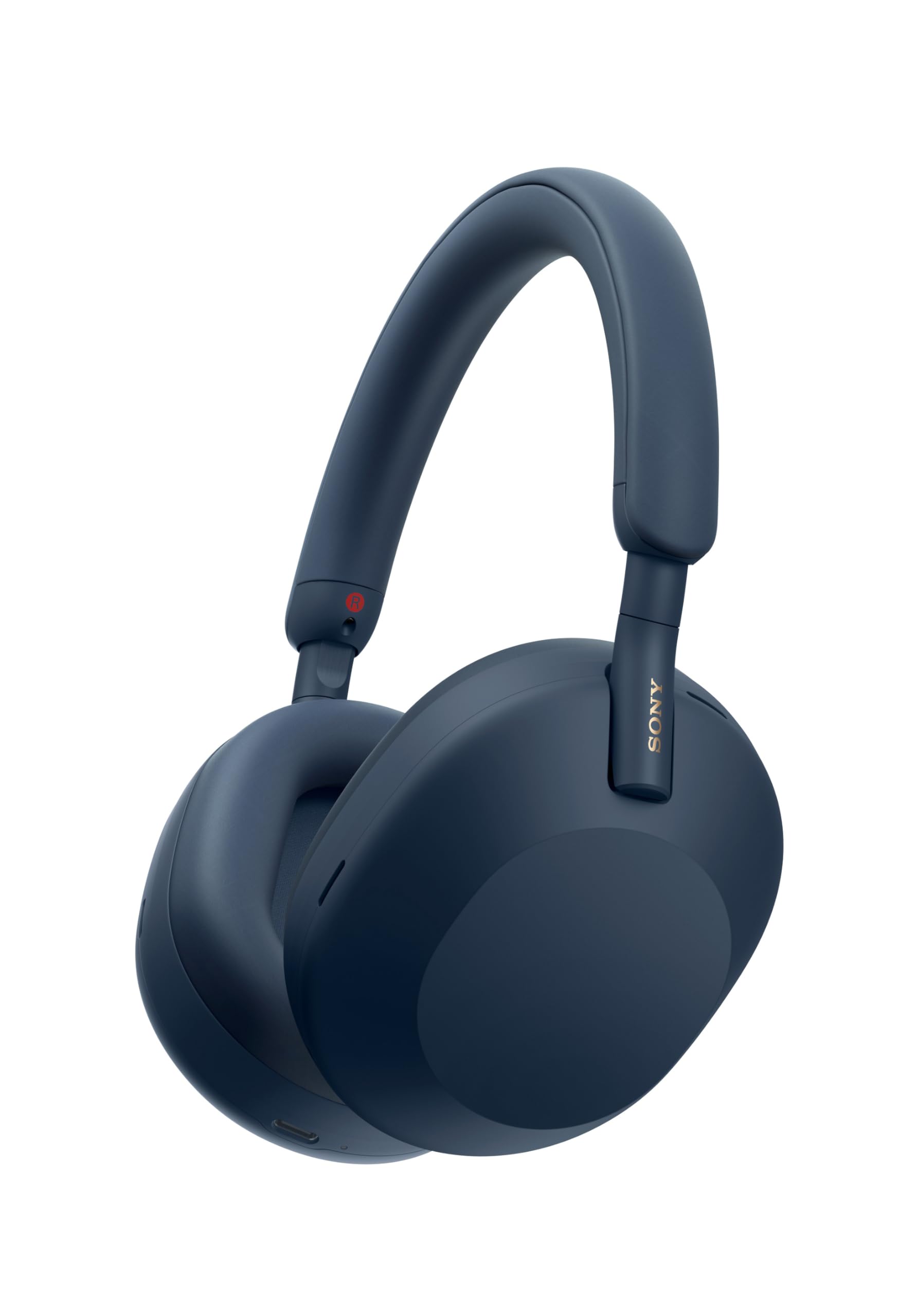
The Sony WH-1000XM5 is the wireless flagship for listeners who prioritize noise cancellation without sacrificing audio quality. Its Integrated Processor V1 works alongside eight microphones to actively cancel both low-frequency drone and higher-pitched chatter, creating a silent canvas for the balanced 30mm dynamic driver. The default sound signature is slightly warm and smooth, with a sub-bass boost that makes electronic and pop music feel immersive without muddying the midrange.
The Adaptive Sound Control adjusts the ANC level based on your environment—quiet at the office, full isolation on the train. The Sony Headphones Connect app provides a parametric EQ (not just presets) so you can dial in a neutral reference curve if the stock V-shape is too colored. LDAC support on Android devices streams at up to 990 kbps, preserving detail that standard Bluetooth codecs would mask. Call quality is solid thanks to beamforming microphones.
At 250 grams, the XM5 is lighter than its predecessor and the headphones can be worn for hours without pressure points. The carrying case is compact and protective. The battery life of 30 hours (with ANC on) exceeds most competitors, and a 3-minute quick charge yields 3 hours of playback. The non-folding design is a downside for truly portable use, and the touch controls can be finicky in wet weather. For a wireless headset that balances ANC excellence with respectable fidelity, the XM5 is the gold standard.
Why it’s great
- Best-in-class active noise cancellation with 8-mic array
- LDAC support for high-bitrate wireless streaming
- Long battery life with fast charging capability
Good to know
- Non-folding design limits portability and storage space
- Touch controls can be inconsistent and may trigger accidentally
- Default tuning is warm and bass-boosted, not neutral
8. Shure SRH440A

The Shure SRH440A is a closed-back monitor built on the legacy of the original SRH440, offering an accurate frequency response with a balanced, neutral profile that suits tracking, mixing reference, and spoken-word monitoring. The 40mm dynamic driver covers 5 Hz to 25 kHz, delivering a clean, detailed sound that avoids the exaggerated bass and treble peaks common in consumer headsets. At 40 ohms, it is easily driven by audio interfaces, mixers, and portable devices.
The sound signature is honest—midrange forward, with vocals and acoustic instruments sitting naturally in the mix. The bass is present but not boosted, and the treble is smooth without the sizzle of budget competitors. This makes the SRH440A a reliable tool for evaluating vocal performances, podcasts, and acoustic mixes. The closed-back design provides sufficient passive isolation for a home studio environment, though it won’t match the DT 770 Pro X in absolute noise reduction.
Build quality has been improved over the original: the headband is more robust, the earpads are softer and longer-lasting, and the detachable locking cable is a welcome upgrade. The design collapses for storage, adding to its practicality. The clamp force is moderate, which may feel snug for larger heads initially but loosens over break-in. For its price tier, the SRH440A offers a level of clarity and reliability that makes it a smart choice for users on a budget who refuse to compromise on accuracy.
Why it’s great
- Neutral, accurate frequency response suitable for critical monitoring
- Affordable price point without sacrificing build or driver quality
- Detachable cable and collapsible design for easy storage
Good to know
- Bass and treble extension are good but not reference-level
- Clamp force is tight; takes time to loosen
- Earpads may feel warm after extended use
9. Bose QuietComfort

The Bose QuietComfort wireless headset is the reference for all-day comfort in the ANC category. The plush over-ear cushions and padded headband exert minimal clamping pressure, making it the headset you can wear from morning to night without irritation. The ANC is excellent for consistent low-frequency noise—airplane hum, HVAC systems, traffic—while the Aware Mode lets environmental sound through when needed. The sound signature is neutral-warm, with an adjustable EQ in the Bose Music app that lets you shape the bass, midrange, and treble to your preference.
The sonic performance is good but not reference-class: the 24-hour battery life and USB-C charging (15 minutes for 2.5 hours of playback) are strong features, and the multi-point Bluetooth 5.1 connects to two devices simultaneously. The high-fidelity audio output is clear and balanced, with a slight emphasis on the lower midrange that gives music a smooth, non-fatiguing character. It lacks the detail retrieval and resolution of wired open-back alternatives, but for a wireless ANC headset, it is among the most refined.
The build quality is robust: the synthetic material carrying case is protective, the headband is reinforced, and the detachable audio cable with in-line mic provides a wired backup even on a depleted battery. The call quality with noise suppression is above average. The main trade-off is that the ANC, while very good, is not quite as aggressive as the Sony WH-1000XM5, especially against inconsistent noises like voices. For listeners who rank comfort and a natural, relaxed sound above absolute resolution, the QuietComfort is a satisfying companion.
Why it’s great
- Class-leading comfort with soft, plush earpads for all-day wear
- Reliable ANC with well-integrated Aware Mode
- Adjustable EQ in the Bose app for personalizing the sound signature
Good to know
- Sound resolution is not on par with wired studio headphones
- ANC is less effective against irregular, high-pitched sounds
- Shorter battery life (24h) than the Sony XM5 (30h)
FAQ
Why does a 300-ohm headphone need an amplifier but a 48-ohm one does not?
Is open-back or closed-back better for mixing and mastering?
Final Thoughts: The Verdict
For most users, the best headset for audio quality winner is the HIFIMAN Arya Stealth Magnet Version because it combines planar-magnetic resolution with an expansive soundstage and sub-bass control that elevates every track. If you prefer a neutral reference with warmer vocals and classic Sennheiser comfort, grab the Sennheiser HD 660S2. And for portable use with world-class noise canceling, nothing beats the Sony WH-1000XM5.

Mo Maruf
I created WellFizz to bridge the gap between vague wellness advice and actionable solutions. My mission is simple: to decode the research and give you practical tools you can actually use.
Beyond the data, I am a passionate traveler. I believe that stepping away from the screen to explore new environments is essential for mental clarity and physical vitality.