Our readers keep the lights on and my smoothie glass nicely filled. As an Amazon Associate, I earn from qualifying purchases.
The transition from a heavily cushioned, arch-supported shoe to one that mimics the natural shape and function of your foot is a deeply personal and physical recalibration. You are actively choosing to stop having your foot’s movement dictated by foam and plastic, and instead let your muscles, tendons, and bones work the way evolution designed them. This shift demands a shoe with a genuinely wide toe box, a zero-drop platform from heel to toe, and a flexible, low-profile sole that allows you to feel the ground beneath you.
I’m Mohammad Maruf — the founder and writer behind WellFizz. To build this guide, I analyzed hundreds of customer experiences and technical specifications across seven leading models, comparing sole stack heights, toe-box volumes, material breathability, and durability claims to isolate the true standouts.
Whether you are a runner wanting better gait mechanics, a lifter seeking a stable platform, or someone looking to ease chronic foot pain, finding the right pair is critical. This guide to the best barefoot shoes breaks down the specifics so you can make an informed choice that fits your feet and your lifestyle.
How To Choose The Best Barefoot Shoes
Choosing a barefoot shoe goes beyond just picking a brand you recognize. Unlike conventional footwear, which artificially supports and constrains the foot, a barefoot shoe requires you to understand three core measurements: the drop, the toe-box shape, and the sole flexibility. Get these right, and your feet will thank you. Get them wrong, and you risk injury during the transition phase.
Zero Drop Is Non-Negotiable
The drop, measured in millimeters, is the height difference between the heel and the forefoot. A conventional running shoe often has a 10mm to 12mm drop, which elevates the heel and encourages a heavy heel strike. Every true barefoot shoe must have a zero-drop platform, placing the heel and forefoot at the same level. This promotes a midfoot or forefoot strike, engaging your calf muscles and Achilles tendon in a more natural loading cycle.
Toe Box Width and Shape
A wide toe box is not just about having extra room in the front. It needs to be anatomically shaped to allow your toes to splay outward naturally when you push off the ground. Look for shoes that are widest at the tips of your toes, not just at the ball of your foot. A “pointed” or tapered toe box, even if labeled as wide, will restrict toe splay and negate the benefits of barefoot walking.
Quick Comparison
On smaller screens, swipe sideways to see the full table.
| Model | Category | Best For | Key Spec | Amazon |
|---|---|---|---|---|
| Xero Prio Suede | Mid-Range | Everyday Wear & Gym | 5.5mm FeelTrue Sole | Amazon |
| Merrell Vapor Glove 6 Leather | Mid-Range | Office & Light Trail | Leather Upper | Amazon |
| New Balance Minimus MT10v1 | Premium | Trail Running | Vibram Outsole | Amazon |
| ALTRA Lone Peak 9 | Premium | Hiking & Standing | MaxTrac Outsole | Amazon |
| FLUX ADAPT Runner | Premium | All-Day Walking | Removable Insole | Amazon |
| Xero Prio Neo | Mid-Range | Training & Transition | Removable 2mm Insole | Amazon |
| Hike Footwear Stride | Budget | Entry-Level / Unisex | Ultra-Light Build | Amazon |
In‑Depth Reviews
1. Xero Shoes Mens Prio Suede Barefoot Athletic Sneaker
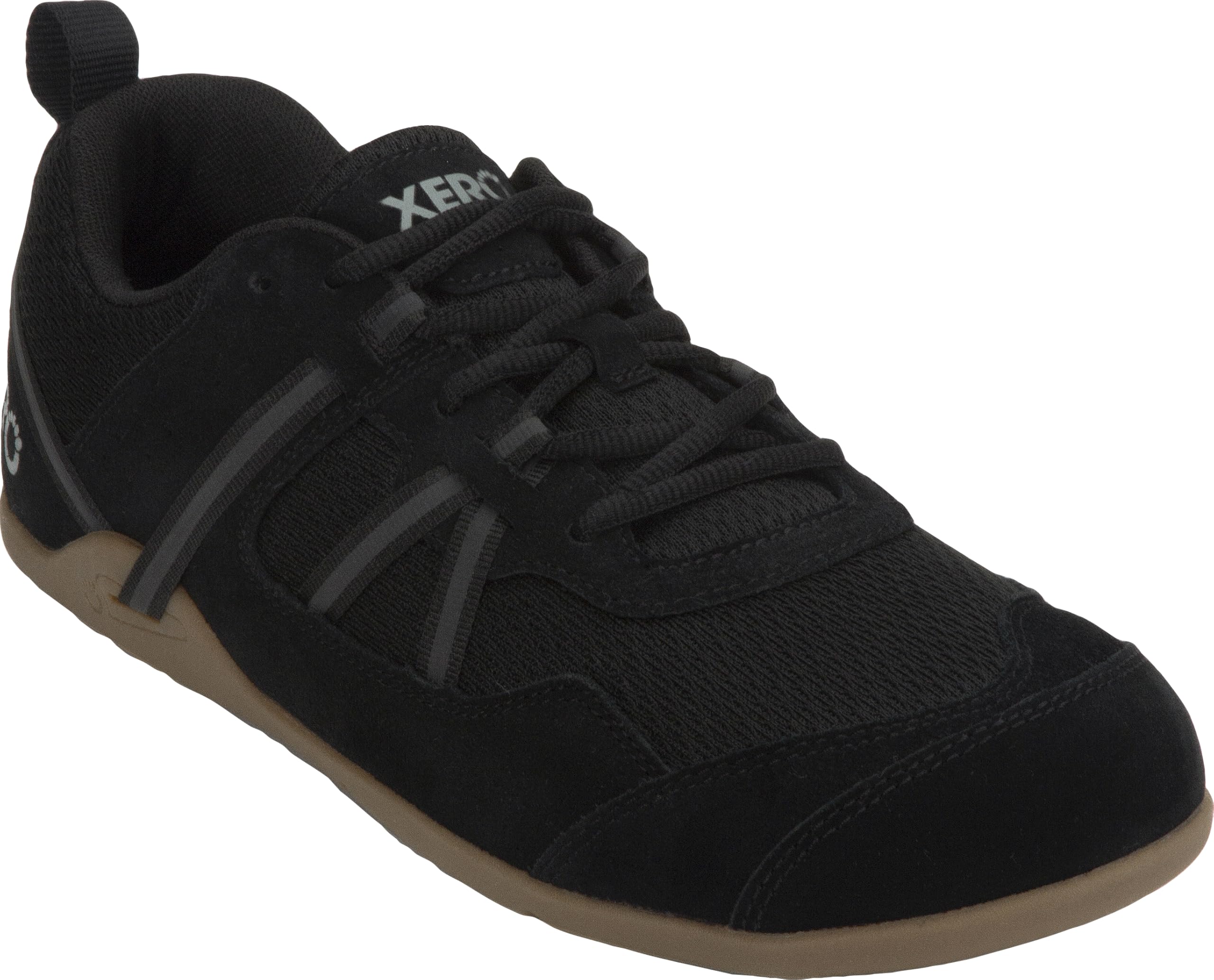
This is the benchmark for a transitional barefoot shoe. The suede upper adds a touch of style while the proprietary FeelTrue rubber sole offers a 5.5mm thickness that delivers excellent ground feel without leaving you vulnerable on concrete. Users consistently report that it fits like a glove straight out of the box, with a wide toe box that accommodates natural splay without feeling baggy.
Durability is a strong point here. The construction handles daily wear, light hiking, and gym sessions, including deadlifts, with no sole separation or upper deformation after many miles. Several users noted a significant improvement in posture and a reduction in foot and knee pain after a few months of consistent use, underscoring its effectiveness for a corrective transition.
The only consistent critique involves traction on very slick surfaces like oiled vinyl, where the rubber compound can struggle. The huarache-style straps that secure the heel are another potential long-term wear point, though they hold up well under typical use. For the price, this shoe delivers a phenomenal balance of durability, fit, and natural feel.
Why it’s great
- Proven durability with suede upper
- Excellent ground feel on pavement
- Great for gym and casual wear
Good to know
- Can be slippery on wet/oily smooth floors
- Huarache straps may fray over time
2. Merrell Mens Vapor Glove 6 Leather Trail Running Shoe
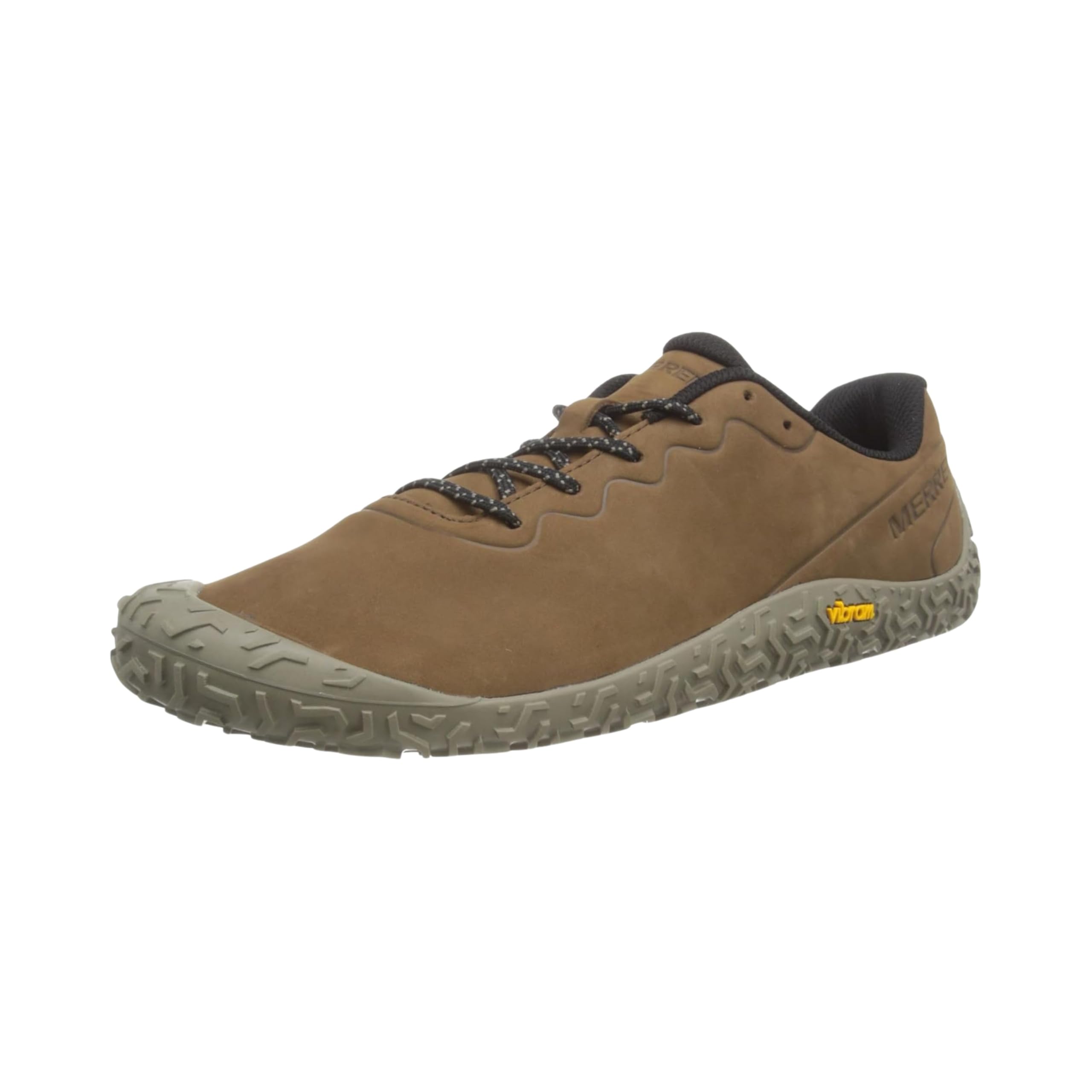
Merrell’s Vapor Glove line has long been a favorite among barefoot purists, and this leather version takes it up a notch. The full-grain leather upper is more durable than the mesh version and gives the shoe a more polished look that works in casual office settings or a data center. It retains the extremely low profile and flexible sole that made the line famous, offering a near-perfect “like walking barefoot” experience.
Reviewers note this iteration feels tougher and less prone to breaking down compared to the sportier mesh models. The fit skews toward a narrow-to-medium foot volume, which is important to note if you have a particularly wide foot. The traction is surprisingly good for a leather shoe, and the sole provides enough protection for light gravel trails without sacrificing ground feel.
While the leather adds durability and style, it reduces breathability compared to mesh. This makes it a better three-season shoe than a hot-summer option. The lacing system is standard, and the heel cup is minimal, so those needing extra lockdown might prefer a design with more structure. For someone wanting a daily driver that looks good and performs, this is a strong choice.
Why it’s great
- Durable leather upper resists wear
- Polished look for casual office wear
- Flexible outsole with good traction
Good to know
- Not ideal for very wide feet
- Leather is less breathable in heat
3. New Balance Mens MT10V1 Minimus Trail Running Shoe
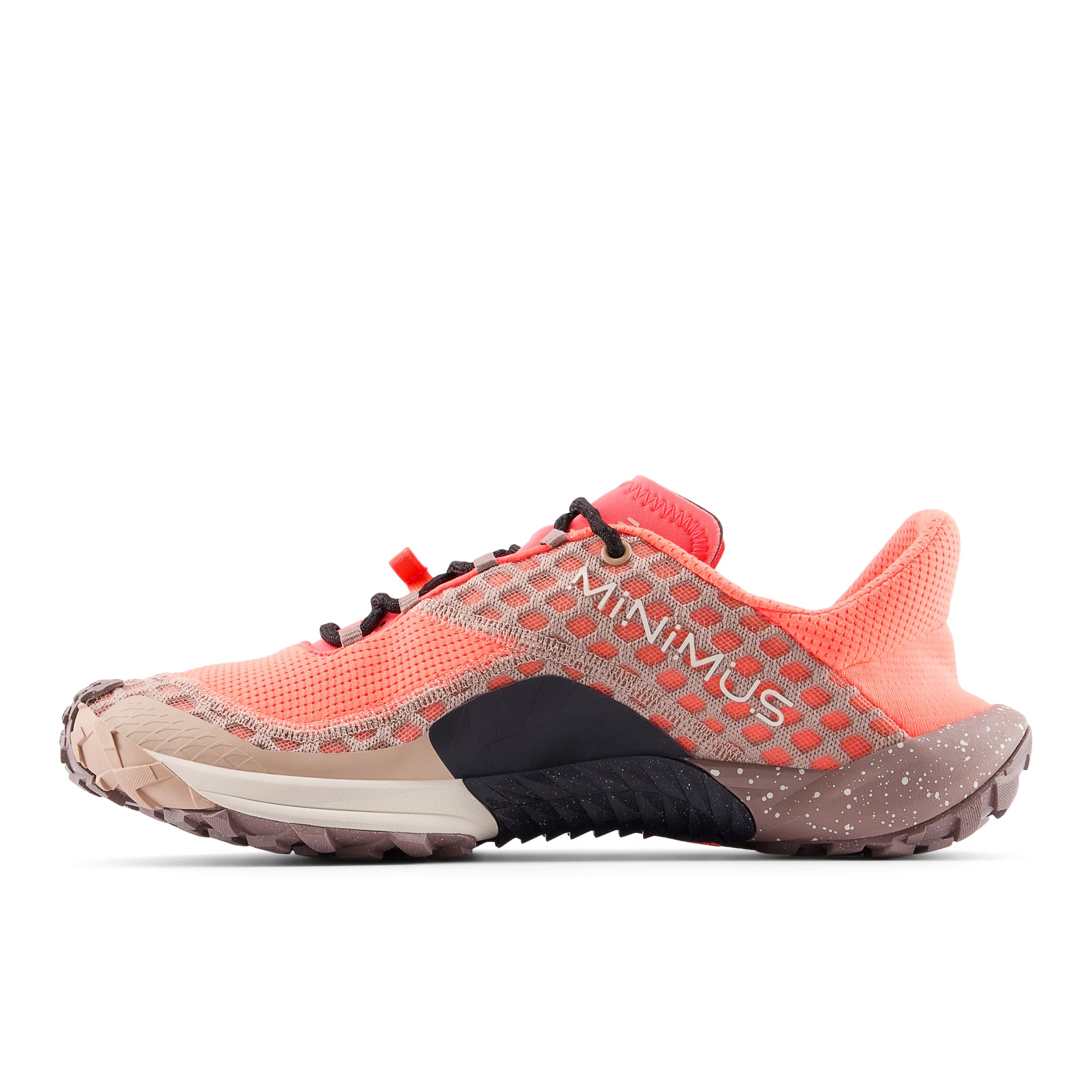
The New Balance Minimus MT10v1 is a legendary model in the barefoot community, and for good reason. It is an extremely lightweight trail shoe, coming in at just 6.6 ounces, that provides exceptional ground contact. The Vibram outsole offers excellent traction on varied terrain, and the shoe dries quickly after stream crossings, making it a solid pick for technical, wet trails.
Be aware: This is not a shoe for wide feet. The fit is distinctly narrow, and those with a broader forefoot will likely feel cramped. The padding is minimal, so trail debris can be felt through the thin sole. This design prioritizes proprioception and feedback over comfort and protection, which is exactly what a seasoned barefoot runner wants on a non-technical path.
Durability is a mixed bag. The upper and outsole are built well, but some users have reported the model being discontinued in certain sizes, making availability a concern. The shoe runs true to size but the narrow fit means many buyers need to size up or pass entirely. For runners with a narrow foot who crave that near-barefoot running feel, this remains a top-tier option.
Why it’s great
- Excellent ground feel and balance
- Vibram outsole grips well on trails
- Extremely lightweight design
Good to know
- Very narrow fit, not for wide feet
- Thin sole offers minimal protection
4. ALTRA Mens Lone Peak 9 Trail Running Shoe

ALTRA is unique in the barefoot space because they offer a zero-drop platform with more cushioning than a pure minimalist shoe. The Lone Peak 9 is their most iconic model, beloved by hikers and ultra-runners for its roomy toe box and excellent traction. The MaxTrac outsole provides reliable grip on everything from wet rock to muddy trails, and the FootShape toe box allows your toes to spread naturally.
This is the best option if you need to stand all day or cover long distances on rough terrain. The moderate cushion absorbs sharp rocks and roots better than a 5mm sole, making it a more forgiving transition shoe for those coming from traditional hiking boots. Reviewers praise its stability and comfort, even when carrying a pack or wearing orthotics.
The main drawback is that it runs slightly large. Many users recommend going down half a size, especially if you plan to wear thin socks. The generous volume means it can feel loose for a narrow foot. While not a true barefoot shoe in the ultra-thin sole sense, it is the gold standard for zero-drop, foot-shaped, high-mileage footwear.
Why it’s great
- Highly durable after hundreds of miles
- Excellent grip on varied terrain
- Roomy toe box for natural splay
Good to know
- Runs slightly large; size down
- More cushion than a pure minimalist shoe
5. FLUX FOOTWEAR Adapt Runner for Women and Men
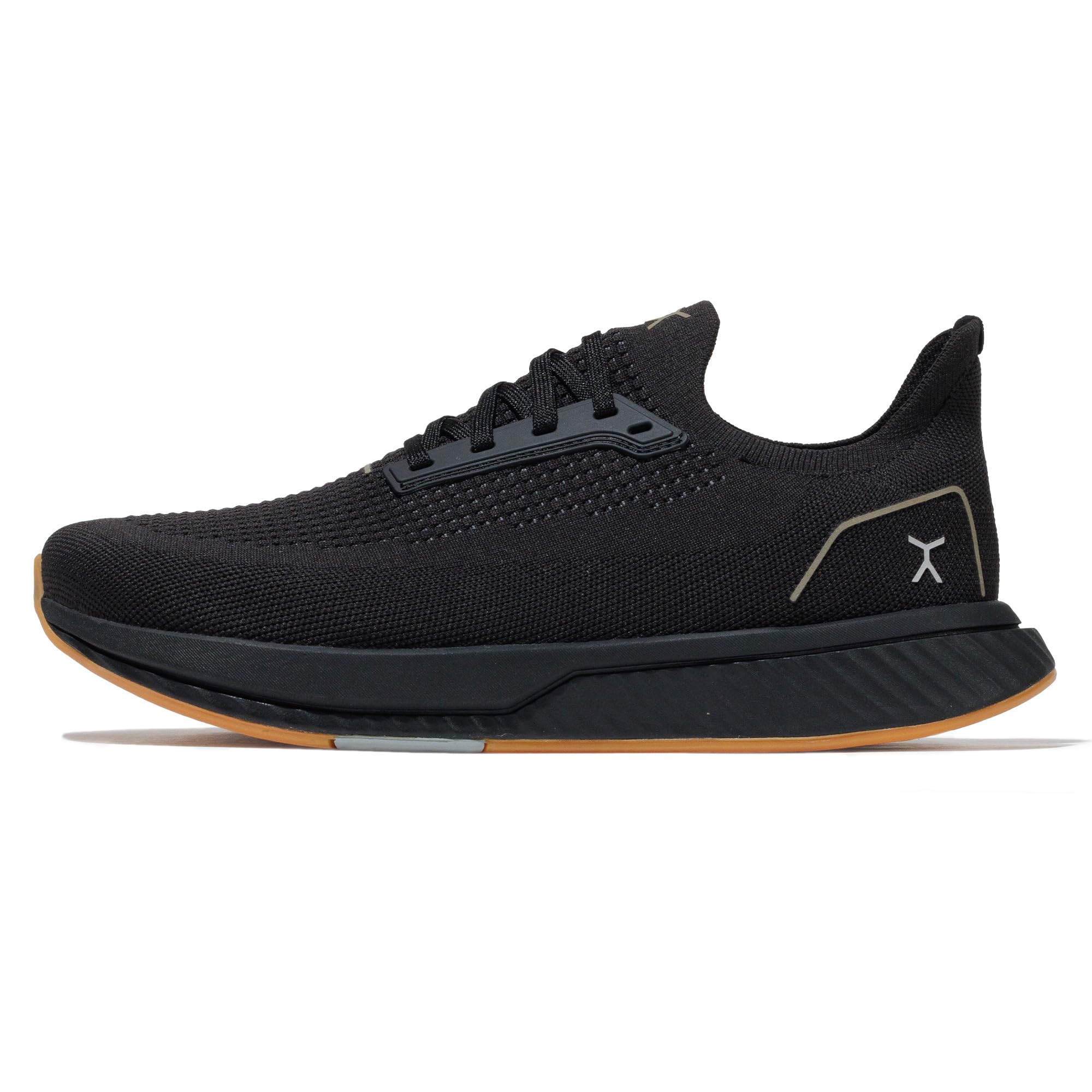
FLUX has built a reputation for creating durable, comfortable barefoot shoes that stand up to daily abuse, and the Adapt Runner is no exception. Users report wearing these for 15,000 steps a day on concrete with reduced knee and back pain. The wide toe box is genuinely foot-shaped, and the removable insole allows you to dial in the exact amount of ground feel you want.
The shoe breaks in quickly, but initial stiffness is a common note. Some users found it a bit tight around the ankle at first, but the material loosens after about two weeks of wear. It works exceptionally well for people with flat feet or those recovering from ankle or knee surgery, providing excellent support and comfort without constraining the foot.
Long-term durability is the main question mark. One review noted sole separation at the heel after heavy use, though others report years of daily wear without issues. The price point puts it in the premium tier, but the build quality and comfort justify the investment for someone who needs a reliable, high-mileage barefoot shoe.
Why it’s great
- Excellent for high-volume walking
- Reduces knee and back pain
- Removable insole for flexibility
Good to know
- Initial stiffness around the ankle
- Some reports of heel sole separation
6. Xero Shoes Womens Prio Neo Barefoot Training Shoe
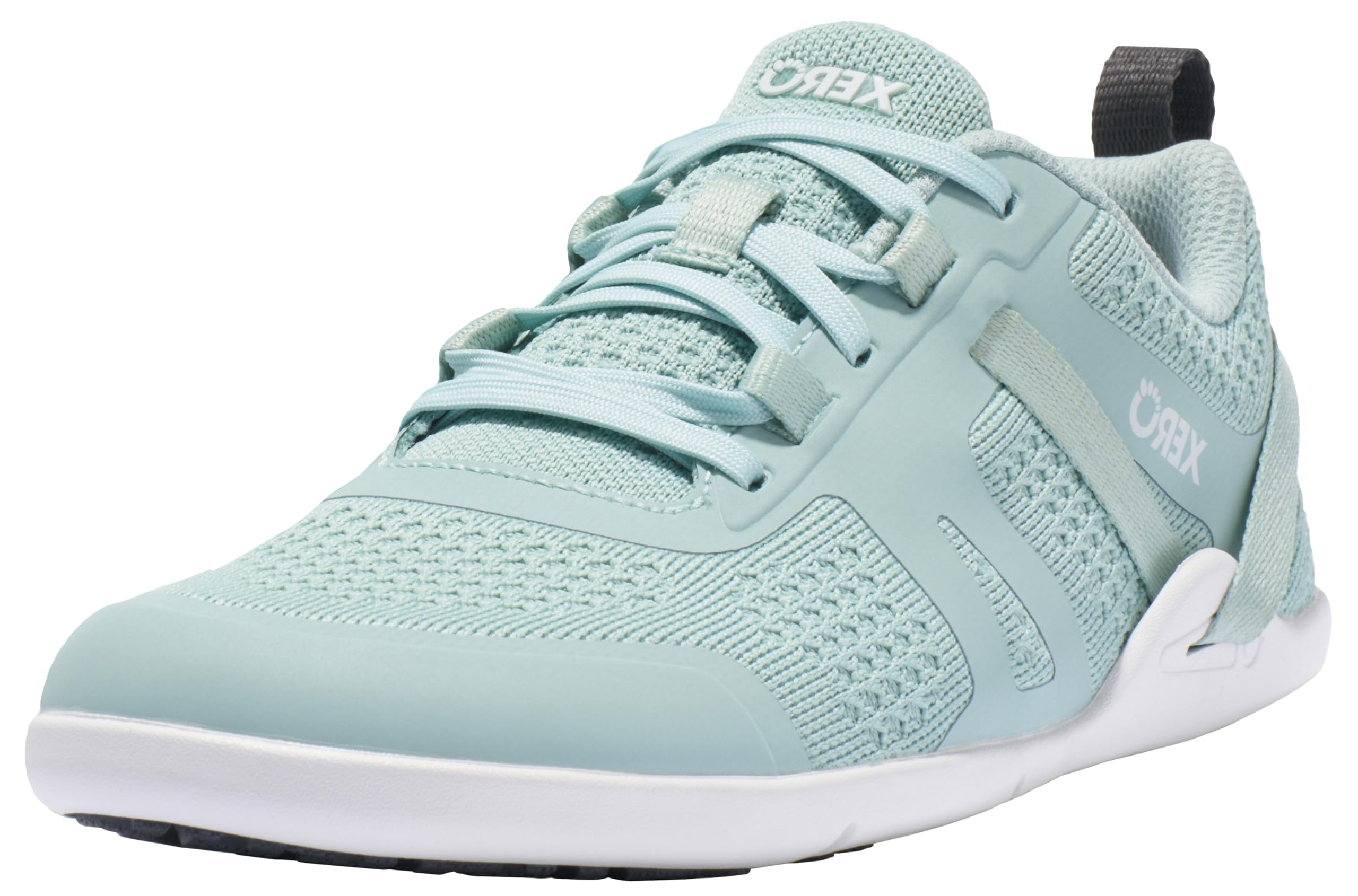
The Prio Neo is often the first barefoot shoe for many people transitioning from maximalist footwear like the Brooks Glycerine. It is comfortable right out of the box, with a stretchy upper that accommodates a wide range of foot shapes, including Morton’s toe and hammer toes. The 2mm removable insole lets you start with a touch of cushion and progress to a completely barefoot feel.
Users report a notable adjustment period when switching from highly supportive shoes. Expect calf and Achilles soreness as your feet adapt to a midfoot strike. The shoe is highly flexible and stable, encouraging better running and walking form. Many users report preferring the Prio Neo to their old cushioned shoes after a few weeks of adaptation.
The shoelaces are a recurring complaint; they are extremely long and untie easily. Some users also note the shoe length appears slightly shorter than the same size in other brands, though the toe box still offers adequate room. For those wanting a dedicated training shoe with an easy transition path, this is a fantastic, budget-conscious option.
Why it’s great
- Great for transitioning from cushioned shoes
- Stretchy upper fits irregular toe shapes
- Removable insole for progressive adaptation
Good to know
- Shoelaces are very long and come undone
- Runs slightly small in length
7. Hike Footwear HF Stride – Hands-Off & Ergonomic Unisex
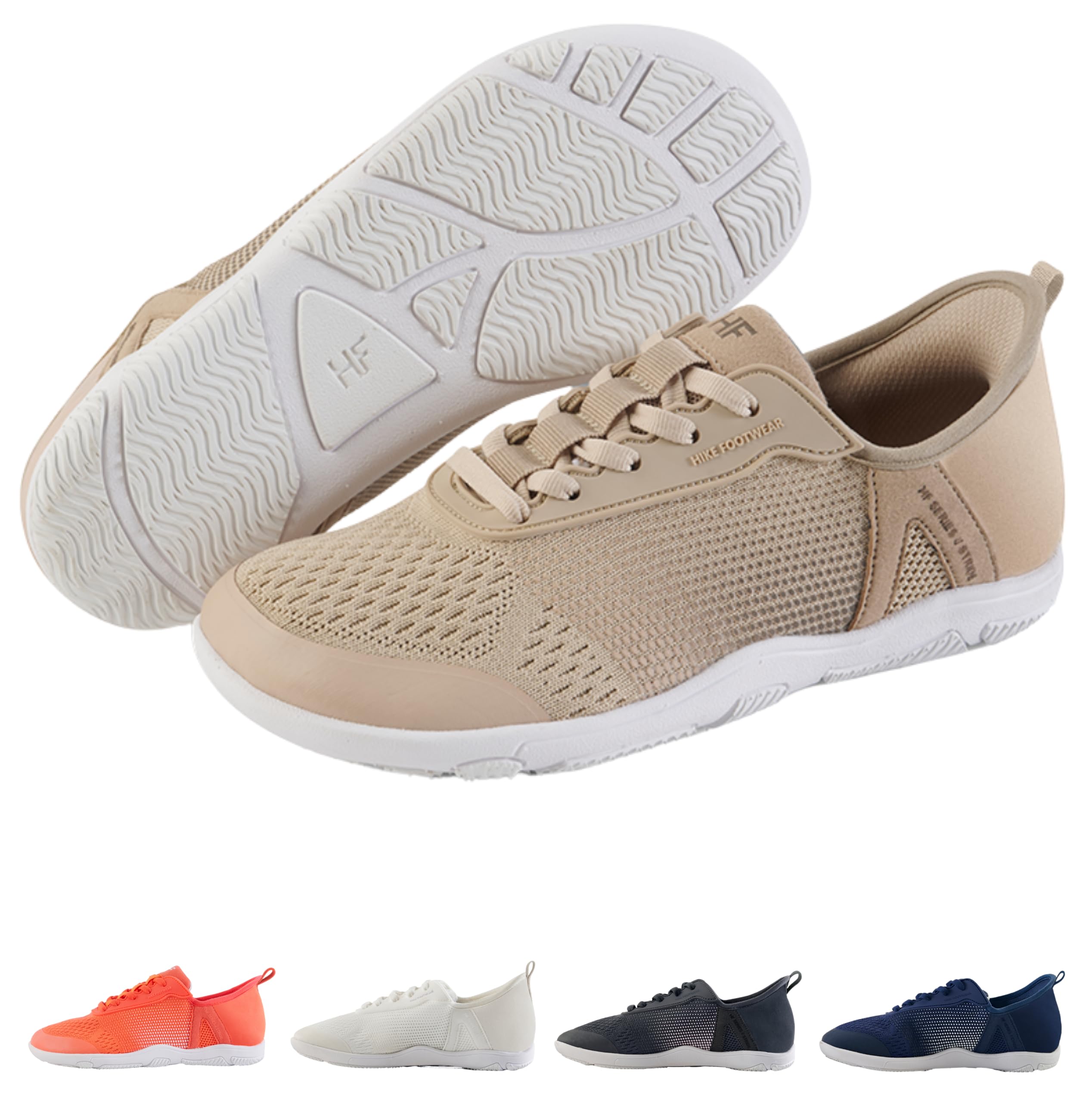
The Hike Footwear HF Stride is an entry-level barefoot shoe that punches above its weight. It is designed for easy, slip-on use, making it ideal for casual daily wear. Users report immediate improvements in balance, with many noting a reduction in back, hip, and knee pain after just one week. The wide toe box and thin sole provide a stable, grounded feeling.
This shoe runs small. Half-size buyers need to order the next size up. The unisex sizing is a great feature for partners who want to share a pair, but it also means the fit can be less precise than a gender-specific design. The traction is good, and the shoe is comfortable with or without socks, though it works best when worn barefoot.
Durability is an unknown since the model is relatively new. The ultra-light construction means it may not hold up to heavy trail use or high-mileage running. For someone wanting to test the barefoot waters without a large financial commitment, this is an excellent starting point. It delivers the core benefits — zero drop, wide toe box, ground feel — at a very accessible entry point.
Why it’s great
- Immediate balance improvement reported
- Easy slip-on design for daily wear
- Very lightweight and comfortable
Good to know
- Runs small; half sizes go up
- Long-term durability not yet proven
FAQ
How long does the transition to barefoot shoes usually take?
Can I run in barefoot shoes on pavement?
Final Thoughts: The Verdict
For most users, the best barefoot shoes winner is the Xero Prio Suede because it nails the balance of durability, ground feel, and versatility for both daily wear and gym sessions. If you want a leather shoe that works in a smart-casual office, grab the Merrell Vapor Glove 6 Leather. And for serious trail running or hiking where you need more protection, nothing beats the ALTRA Lone Peak 9.

Mo Maruf
I created WellFizz to bridge the gap between vague wellness advice and actionable solutions. My mission is simple: to decode the research and give you practical tools you can actually use.
Beyond the data, I am a passionate traveler. I believe that stepping away from the screen to explore new environments is essential for mental clarity and physical vitality.