Our readers keep the lights on and my smoothie glass nicely filled. As an Amazon Associate, I earn from qualifying purchases.
Treating hyperpigmentation at home requires a chemical exfoliant strong enough to disrupt melanin clusters yet gentle enough not to compromise your skin barrier. The wrong peel can darken the very spots you’re trying to erase, making ingredient ratios and pH levels more critical than brand prestige.
I’m Mohammad Maruf — the founder and writer behind WellFizz. I’ve spent years analyzing clinical studies on melanin suppression and dissecting how acid concentrations, delivery systems, and supporting antioxidants determine real-world results in at-home formulations.
After cross-referencing customer outcomes with ingredient labels and peer-reviewed dermatology data, I’ve identified the formulations that deliver visible fading without the redness, peeling, or downtime that sends people running back to the clinic. Here is the definitive guide to the best at-home peel for hyperpigmentation.
How To Choose The Best At-Home Peel For Hyperpigmentation
Not all acid peels are built for pigment. A peel marketed for “brightening” might contain a fruit enzyme blend that evaporates on contact, while a harsh glycolic can cause a rebound tan in darker skin types. Here is the filter I use to separate effective pigment fighters from overpriced irritants.
Match the acid to the depth of the pigment
Surface-level sun spots respond well to glycolic acid, which penetrates the epidermis rapidly. Deeper melasma or post-inflammatory marks from acne need a larger-molecule acid like mandelic or lactic, which exfoliates more slowly and reduces the risk of inflammation-driven hyperpigmentation. Mandelic acid’s lipophilic structure also helps it penetrate oily pores, making it a dual-action choice for acne-prone hyperpigmentation.
Look for a buffered formula with supporting actives
A peel that relies solely on a high acid concentration without a buffer risks burning the skin and triggering more melanin production. Ingredients like niacinamide, panthenol, and ceramides — when combined with the acid — calm the skin during the exfoliation window and support barrier repair. Antioxidants such as yarrow extract or fermented berry blends further suppress the oxidative stress that drives melanocyte activity.
Check the pH, not just the percentage
An AHA needs a pH between 3.0 and 4.0 to effectively exfoliate. If the formula is too alkaline, the acid won’t work; if it’s too acidic, it can cause chemical burns. Brands that disclose pH ranges or formulate with buffering agents (like sodium hydroxide or aminomethyl propanol) have done the formulation work so you don’t have to. Leave-on exfoliants tend to be gentler because they are lower concentration and higher pH, while rinse-off peels pack more punch in a shorter window but require stricter pH control.
Quick Comparison
On smaller screens, swipe sideways to see the full table.
| Model | Category | Best For | Key Spec | Amazon |
|---|---|---|---|---|
| Paula’s Choice 25% AHA + 2% BHA | Rinse-Off Peel | Maximum-strength weekly resurfacing | 25% AHA blend + 2% BHA | Amazon |
| Peter Thomas Roth Instant Reveal | Swab Peel | Mess-free controlled application | Individually wrapped swabs | Amazon |
| Paula’s Choice 6% Mandelic + 2% Lactic | Leave-On Toning | Sensitive skin discoloration | 6% mandelic + 2% lactic AHA | Amazon |
| Paula’s Choice 2% BHA Liquid | Leave-On Toning | Post-acne marks & enlarged pores | 2% salicylic acid BHA | Amazon |
| Mad Hippie AHA Exfoliating Peel | Leave-On Serum | Daily brightening with peptides | Glycolic + lactic + peptides | Amazon |
| Olay Regenerist Overnight Peel | Leave-On Night Serum | Fine lines & dark spots overnight | Lactic acid + hexa-repair peptide | Amazon |
| Real Chemistry Luminous 3-Minute Peel | Enzymatic Rinse-Off | Acid-sensitive & reactive skin | Water-activated polymer gel | Amazon |
In‑Depth Reviews
1. Paula’s Choice 25% AHA + 2% BHA Face Exfoliant Peel
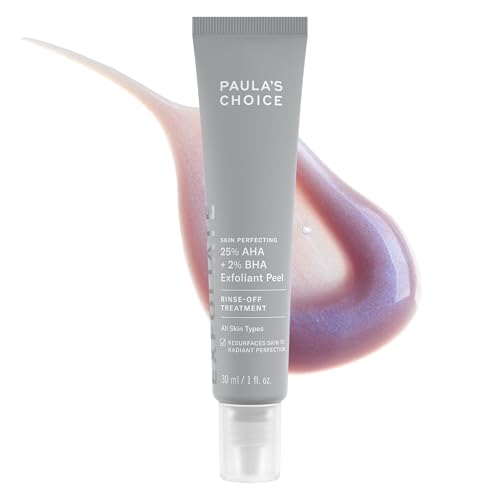
This is the highest-concentration at-home peel that remains safe enough for weekly use when used as directed. The 25% AHA blend includes glycolic, lactic, mandelic, tartaric, and malic acids — each with a slightly different molecular weight — allowing it to exfoliate across multiple epidermal depths simultaneously. The 2% salicylic acid addition drives the formula into pores, addressing the clogged follicles that often shadow hyperpigmented areas on the chin and nose.
Clinical self-assessment data from the brand shows 91% of users saw a visibly brighter complexion after a single application. User reports confirm that the best results appear 48 hours post-peel, when the skin enters its accelerated renewal phase and the underlying pigment begins to lift. The liquid-gel texture spreads evenly without dripping, and the 10-15 minute window gives you precise control over intensity.
This formula is not for beginners or anyone with a compromised barrier. Patch testing is mandatory, and users on retinoids should space applications by at least three days. The vinegar-like odor is a direct result of the high acid content — it signals potency, not spoilage. For anyone ready to graduate from low-percentage toners, this is the most effective non-professional resurfacing option available.
Why it’s great
- Five-acid blend covers both surface and pore-level pigment
- Rapid visible brightening within 48 hours of use
- Measured pH range ensures safe exfoliation at maximum strength
Good to know
- Strong tingling sensation during first minutes of application
- Pungent acidic odor that lingers during wear time
- Not suitable for daily use; requires disciplined once-weekly schedule
2. Peter Thomas Roth Even Smoother Instant Reveal Facial Peel

The glycolic acid formulation here is calibrated for a shorter contact time — just 10 minutes — which makes it an accessible entry point for anyone nervous about leave-on acids. Each swab delivers a pre-measured dose, eliminating the guesswork of how much product to apply. Users with rosacea and hormonal acne report that the peel brightens their skin without triggering the rebound redness that often accompanies harsher glycolic products.
Reviewers consistently note that the texture improvement is immediate — skin feels “super smooth and clean” after the first rinse. The swab format also allows for spot-treating concentrated hyperpigmentation on the jawline or cheeks without saturating the entire face. This precision reduces the risk of over-exfoliating areas that don’t need it.
The value-per-application is higher than a bottled peel because each swab is single-use, so the acid never degrades through repeated exposure to air. Some experienced users find it comparable to a standard 10% glycolic acid toner, so those already on a high-percentage routine may find it underwhelming. For pigment newcomers, however, the controlled delivery system outweighs the concentration cap.
Why it’s great
- Individual swabs maintain full acid potency between uses
- Effective on sensitive and rosacea-prone skin types
- Short wear time fits busy routines
Good to know
- Higher per-use cost compared to bottled formats
- Not a deep peel; similar results to mid-range glycolic toners
- Single swab may not cover larger faces in one application
3. Paula’s Choice 6% Mandelic Acid + 2% Lactic Acid Exfoliant
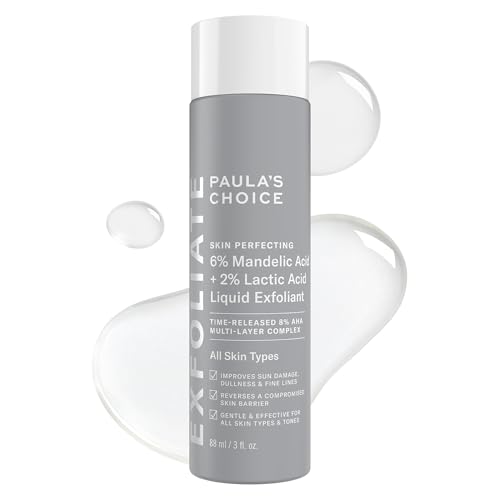
Mandelic acid is the slowest-penetrating AHA because of its larger molecular weight, which makes it the ideal candidate for hyperpigmentation in darker skin tones. This formula pairs it with 2% time-released lactic acid, delivering the potency of a 10% conventional concentration without the sting. Users with melasma, cystic acne marks, and rosacea report consistent fading without the barrier damage they experienced from glycolic-based products.
The antioxidant blend — yarrow extract plus a fermented cocktail of cherry blossom, chocolate vine, and yumberry — adds a layer of photoprotection and melanin suppression that most exfoliants lack. This is not a rinse-off product; you apply it after cleansing and leave it on, meaning the acids keep working throughout the day. For sensitive skin, that continuous low-level action is more effective than a weekly high-dose shock.
The only noticeable drawback is the odor, which multiple users describe as unpleasant. It does not linger after absorption, but the initial application can be off-putting. The 3-ounce bottle lasts roughly two months with daily use, making it a cost-effective entry into mandelic acid exfoliation. If your skin has rejected every other peel, try this one.
Why it’s great
- Mandelic acid’s large molecule minimizes irritation on reactive skin
- Time-released lactic acid provides deep exfoliation without burning
- Antioxidant blend actively suppresses melanin activity
Good to know
- Unpleasant chemical smell during application
- Results take longer than higher-percentage glycolic options
- Not a standalone solution for deep-set melasma layers
4. Paula’s Choice Skin Perfecting 2% BHA Liquid Exfoliant
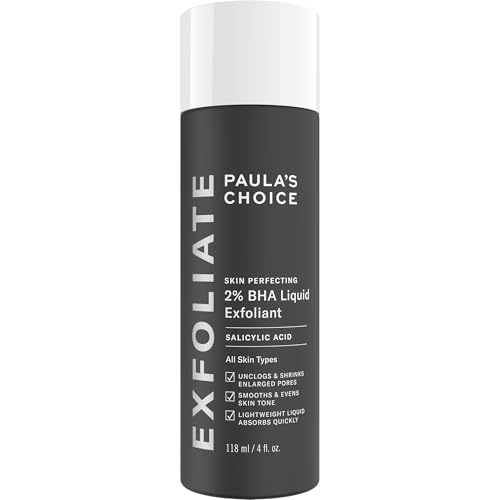
Hyperpigmentation that originates from acne needs a peel that addresses the pore congestion at the root. This 2% salicylic acid formula is oil-soluble, meaning it penetrates the sebum-filled follicle to clear the obstruction that worsens post-inflammatory marks. It is not a traditional peel but a leave-on exfoliant that you apply like a toner, which means you can use it daily without the downtime of a rinse-off mask.
Users consistently report visible reduction in blackheads around the nose and chin within three to four uses, followed by gradual fading of the red and brown marks left by healed pimples. The fragrance-free formulation eliminates a common irritant that can trigger inflammation in already compromised skin. The watery texture absorbs in seconds and layers well under moisturizer and sunscreen.
The 2% concentration is the maximum available in over-the-counter BHA products, and it is strong enough to cause initial flaking if overused. Start with once every other day and work up to twice daily if your skin tolerates it. This is a maintenance exfoliant, not a dramatic resurfacing event — consistent use over several weeks is what drives pigment fading.
Why it’s great
- Salicylic acid penetrates oil-filled pores to treat root cause
- Daily maintenance format prevents new congestion from forming
- Fragrance-free and lightweight for layering
Good to know
- Not a high-intensity peel; slower pigment fade for established marks
- Can cause dryness and peeling around mouth during first week
- Less effective on sun-induced hyperpigmentation than AHA options
5. Mad Hippie AHA Exfoliating Peel

This serum bridges the gap between a daily exfoliant and a weekly peel by combining glycolic and lactic acids in a leave-on formula that also contains Matrixyl Synthe’6, a peptide complex typically found in anti-aging moisturizers. The addition of goji berry extract and hyaluronic acid means you are hydrating while exfoliating — a crucial feature when treating hyperpigmentation because dehydrated skin reflects light unevenly, making spots look more pronounced.
Users with acne-prone skin report that this formula reduces post-inflammatory hyperpigmentation overnight without stripping the moisture barrier. The niacinamide in the blend further suppresses melanin transfer, creating a multi-path approach to pigment fading. The slight tackiness after application is easily resolved by waiting ten minutes before applying moisturizer.
The vegan and cruelty-free positioning matters to a segment of buyers, but the ingredient integrity stands alone. No alcohol, no artificial fragrance, and no glycerin — which can clog some skin types. The 1.02-ounce bottle is on the smaller side, so daily users may need to reorder monthly. For the price, it delivers the most complete anti-pigment package per drop.
Why it’s great
- Niacinamide and peptides work alongside AHAs for dual-action fading
- Hydrating formula prevents barrier disruption during exfoliation
- Clean ingredient profile with no alcohol or synthetic fragrances
Good to know
- Small bottle size requires frequent repurchasing for daily use
- Slight sticky residue before full absorption
- Lower acid concentration limits potency on deep pigmentation
6. Olay Regenerist Chemical Peel for Face
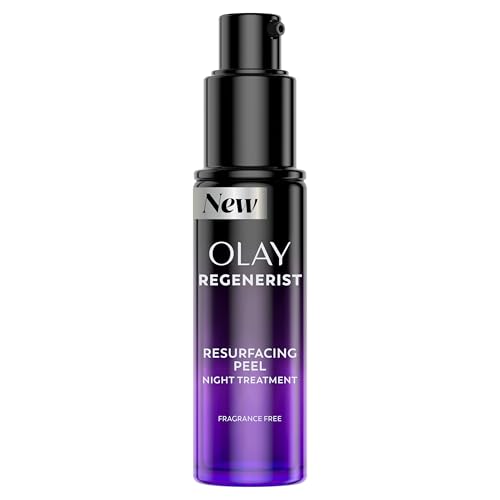
Olay positions this as a chemical peel but it functions as an overnight resurfacing serum, making it the most beginner-friendly option on this list. The lactic acid concentration is not disclosed on the packaging, but the formulation is buffered sufficiently for users who have never used an acid before. Combined with hexa-repair peptide and niacinamide, it targets the three pillars of hyperpigmentation: exfoliation, collagen support, and melanin inhibition.
User reports indicate measurable dark spot reduction within two weeks of nightly use, with fine-line improvement following at the four-week mark. The fragrance-free base is a relief for those who react to scented serums. The texture is lightweight and absorbs fully within seconds, leaving no residue for pillow transfer.
Advanced acid users may find the effects too subtle, especially if they are already on a dedicated glycolic or retinol routine. The 1-ounce bottle is also on the smaller side for a nightly serum. However, as a first step into at-home peels, this product’s built-in tolerance buffer reduces the common mistake of over-exfoliation by a wide margin.
Why it’s great
- Low-risk entry point for first-time peel users
- Niacinamide plus peptide combination supports long-term pigment fading
- Fast-absorbing and leaves no residue on pillows
Good to know
- Acid percentage not disclosed — hard to gauge relative strength
- Too gentle for users experienced with high-percentage AHAs
- Smaller bottle requires monthly repurchase for nightly use
7. Real Chemistry Luminous 3-Minute Peel

This is not an acid peel at all — it uses a water-activated polymer that binds to the keratinized protein on the surface of dead skin cells, causing them to ball up and rinse away. The mechanism is entirely physical at a molecular level, meaning it cannot penetrate deep enough to trigger melanocytes the way acids sometimes do. For anyone with reactive hyperpigmentation who has been burned by chemical exfoliants, this is the safe harbor.
Users report seeing visible balls of dead skin clumping off within seconds of rubbing. The immediate result is smoother texture and a surface glow that lasts several days. Because it does not alter the skin’s pH or strip the lipid barrier, it can be used up to twice weekly even while on prescription retinoids or hydroquinone. The 84ml tube lasts roughly six months at twice-weekly use.
The trade-off is depth. This peel only addresses the outermost stratum corneum, so it will not fade dermal hyperpigmentation or melasma that sits deeper in the epidermis. It works best as a preparatory step — clearing away surface dullness so that your actual pigment-fighting serums can penetrate more effectively. It is not a standalone solution for stubborn spots.
Why it’s great
- Zero acid chemistry eliminates risk of post-inflammatory hyperpigmentation
- Visible dead skin removal provides immediate gratification
- Safe to use alongside prescription pigment treatments
Good to know
- Only exfoliates the outermost surface layer of skin
- Cannot reach the melanin deposits responsible for deep pigmentation
- Gel texture requires thorough rinsing to remove all polymer residue
FAQ
Can I use an at-home peel for hyperpigmentation while on prescription retinol?
Why did my dark spots look darker after my first peel?
Should I use an AHA or BHA peel specifically for hyperpigmentation?
Final Thoughts: The Verdict
For most users, the best at-home peel for hyperpigmentation winner is the Paula’s Choice 25% AHA + 2% BHA Peel because it delivers professional-level resurfacing in a controlled 15-minute window, backed by a five-acid blend that addresses both surface and pore-level pigmentation. If you want a gentle daily approach that protects a sensitive barrier, grab the Paula’s Choice 6% Mandelic + 2% Lactic Exfoliant. And for acid-free surface glow that works alongside any prescription routine, nothing beats the Real Chemistry Luminous 3-Minute Peel.

Mo Maruf
I created WellFizz to bridge the gap between vague wellness advice and actionable solutions. My mission is simple: to decode the research and give you practical tools you can actually use.
Beyond the data, I am a passionate traveler. I believe that stepping away from the screen to explore new environments is essential for mental clarity and physical vitality.