Our readers keep the lights on and my smoothie glass nicely filled. As an Amazon Associate, I earn from qualifying purchases.
A sweaty back and a cold breeze on the trail is a recipe for a ruined trip. The wrong fabric traps moisture, chafes, and leaves you shivering the moment you stop moving. The right base layer manages that moisture, regulates your core temperature, and lets you hike all day without that damp, sticky feeling against your skin.
I’m Mohammad Maruf — the founder and writer behind WellFizz. I’ve spent years analyzing merino wool blends, fabric weights, and seam construction to find the gear that actually performs on multi-day treks.
Whether you are a weekend warrior or a thru-hiker, the best base layer for backpacking comes down to the specific conditions you face and how much layering room you need.
How To Choose The Best Base Layer For Backpacking
Selecting the right base layer is about balancing warmth, moisture management, and bulk. A lightweight 150gsm top is perfect for high-output summer hiking, while a 250gsm or heavyweight 400g option is better for cold-weather camping. Ignoring the fabric weight leads to overheating or freezing mid-trip.
Fabric Weight and Temperature Range
Lightweight (150–175gsm) layers work for warm weather and high-intensity movement. Midweight (200–250gsm) is the sweet spot for three-season backpacking. Heavyweight (300gsm and above) is for winter camping or very cold environments. Match the weight to your expected low temperature and activity level.
Merino vs. Synthetic Blends
Pure merino wool offers unmatched odor resistance and natural temperature regulation, but it is less durable and dries slower than nylon-reinforced blends. A 88% merino / 12% nylon mix, like the Smartwool Classic Thermal, adds abrasion resistance while keeping the wool next to your skin. Pure synthetics dry fastest but retain smell much quicker.
Fit and Seam Construction
A snug athletic fit prevents air gaps that waste heat, but it should not restrict movement. Flatlock seams are non-negotiable for backpacking — they eliminate the chafing points where pack straps and hip belts rub. Offset shoulder seams also help keep pressure points away from the most sensitive areas.
Quick Comparison
On smaller screens, swipe sideways to see the full table.
| Model | Category | Best For | Key Spec | Amazon |
|---|---|---|---|---|
| Icebreaker 175 Everyday | Premium Lightweight | Women’s 3-season layering | 150gsm merino jersey | Amazon |
| Smartwool Classic Thermal | Premium Midweight | Men’s cold-weather hiking | 250gsm 88% merino / 12% nylon | Amazon |
| MERIWOOL Heavyweight 400g | Premium Heavyweight | Men’s extreme cold use | 400gsm 100% merino pants | Amazon |
| Helly Hansen LIFA | Mid-Range Synthetic | Women’s high-sweat activity | 100% polypropylene LIFA fabric | Amazon |
| DANISH ENDURANCE Merino | Mid-Range Merino | Men’s all-condition pants | 250gsm 100% merino bottoms | Amazon |
| Merino Wool Base Layer 250 | Budget Merino Top | Men’s value-oriented base layer | 250gsm 100% merino crew | Amazon |
| LAPASA Merino Bottom | Budget Merino Pants | Men’s lightweight bottom layer | 100% merino wool lightweight | Amazon |
In‑Depth Reviews
1. Icebreaker Merino Womens 175 Everyday Cold Weather Base Layer

The Icebreaker 175 is a 150gsm lightweight merino jersey that hits the sweet spot for three-season backpacking. It breathes well enough for warm climbs yet traps enough heat for chilly evenings around camp. The flatlock seams lie smooth against the skin, and the relaxed fit accommodates curvy body shapes without being baggy.
Reviewers consistently praise its non-itchy feel and odor resistance — several reported wearing it for three days straight without washing. The fabric washes well in cold water and holds its shape without pilling. The slim cut works seamlessly under a mid-layer fleece or puffy jacket.
This top runs slightly shear in lighter colors, so darker shades are preferable for single-layer use. Sleeves are a touch long for shorter arms, but that extra length is useful for tucking into gloves on colder mornings.
Why it’s great
- Superb breathability for active hiking
- No itch and strong odor resistance
- Relaxed fit that flatters without binding
Good to know
- Light color can be slightly sheer
- Premium price point
2. Smartwool Men’s Classic Thermal Merino Base Layer Bottom
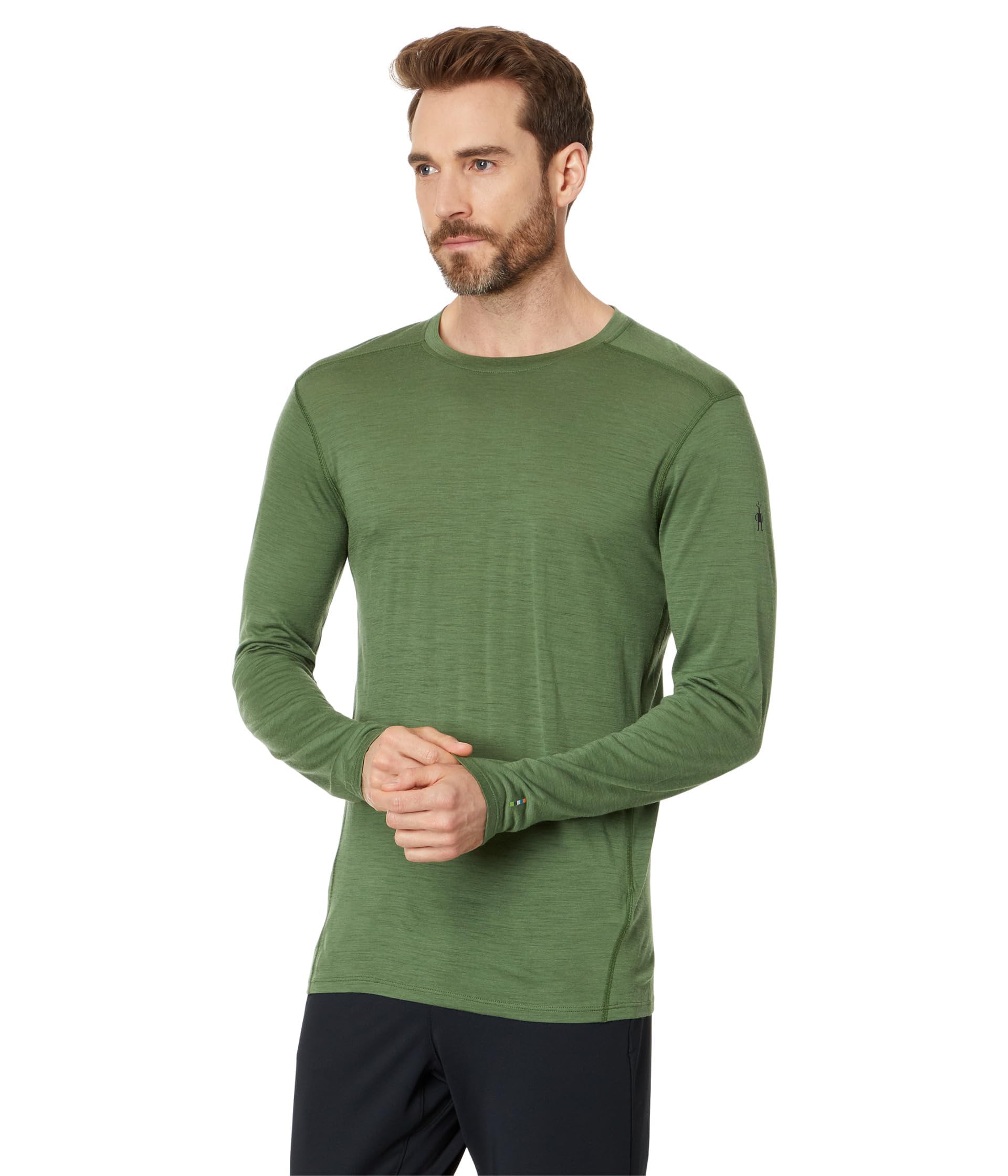
The Smartwool Classic Thermal bottom uses a 250gsm 88% merino / 12% nylon core-spun construction that wraps durable nylon in soft merino. This blend resists abrasion from pack hip belts and camp chairs far better than pure merino. The flatlock seams and offset shoulder design reduce chafing where the pack straps sit.
Reviewers note it keeps them warm during fishing, hunting, and winter camping in sub-freezing conditions. The slim fit hugs the body without restricting movement, and the fabric has a medium stretch that accommodates most body shapes. The 12% nylon core also helps the garment hold its shape after repeated washes.
Some users felt the price was high compared to other retailers, and the lightweight fabric might not be warm enough for extreme cold without an additional mid-layer.
Why it’s great
- Nylon core adds exceptional durability
- Flatlock seams reduce chafing under a pack
- Versatile for all-season backpacking use
Good to know
- Fit runs slightly small for some body types
- Price is premium
3. MERIOWOOL Mens Base Layer 100% Merino Wool Heavyweight 400g Thermal Pants

The MERIOWOOL 400g heavyweight bottom is built for deep winter camping where temperatures drop well below freezing. At 400gsm, this is the thickest merino pant on this list — it delivers serious insulation but fits snugly under a pair of shell pants. The 100% merino fabric is exceptionally soft and warm, even at 16°F with just a light denim outer layer.
The material is noticeably bulky compared to lightweight or midweight options, which can make layering under tight hiking pants difficult. Users praise the softness and warmth, but several pointed out the lack of a drawstring, causing the pants to slide down during active hiking.
Returns and exchanges are straightforward, and the sizing is reliable when following the chart.
Why it’s great
- Extremely warm for extreme cold conditions
- Very soft 100% merino wool
- Good value for the weight class
Good to know
- No drawstring — can slip during active wear
- Bulky for layering under slim pants
4. Helly Hansen LIFA CreBaselayer for Women

The Helly Hansen LIFA is a synthetic base layer built around their proprietary LIFA technology — a 100% polypropylene fabric that excels at moisture wicking. It is ideal for high-sweat activities like bike touring or rowing, where synthetics dry faster than merino. The fabric is lightweight, stretchy, and stays warm even when damp.
Users reported no odor after three days of continuous wear, which is impressive for a synthetic. The athletic fit is snug but not restrictive, and the stylish design works as a standalone top. It is a solid choice for warm-spring backpacking where you want maximum breathability.
The fit runs small — women with a 35-inch chest found it tight under the arms. It also has very little stretch compared to merino alternatives.
Why it’s great
- Excellent moisture wicking for high-output days
- Dries very fast after washing
- Good layering piece under a shell
Good to know
- Runs small — size up for a relaxed fit
- Not as warm as merino for cold camps
5. DANISH ENDURANCE Merino Wool Base Layer Pants for Men

DANISH ENDURANCE delivers a 250gsm 100% merino bottom that punches above its mid-range price. The fabric is soft against the skin, not bulky, and provides consistent warmth from moderately cold to very cold days. The longer inseam is a big plus for backpackers — it allows you to tuck the pant legs into your sock tops without riding up.
Reviewers consistently mention the excellent value, with many saying they would not spend more for a big-name brand. The fit is snug but comfortable, and the material stretches enough to move freely during hiking and skiing. The pants hold up well to machine washing and show no pilling after several cycles.
Some users found the waistband too tight for their build, and the lack of a fly or drawstring is a minor inconvenience for quick nature breaks on the trail.
Why it’s great
- Excellent warmth-to-value ratio
- Longer cut stays tucked into socks
- Soft and non-itchy against the skin
Good to know
- Waistband can feel tight on larger builds
- No front fly, no drawstring
6. Merino Wool Base Layer Mens – 100% Merino Wool Shirt (250gsm)
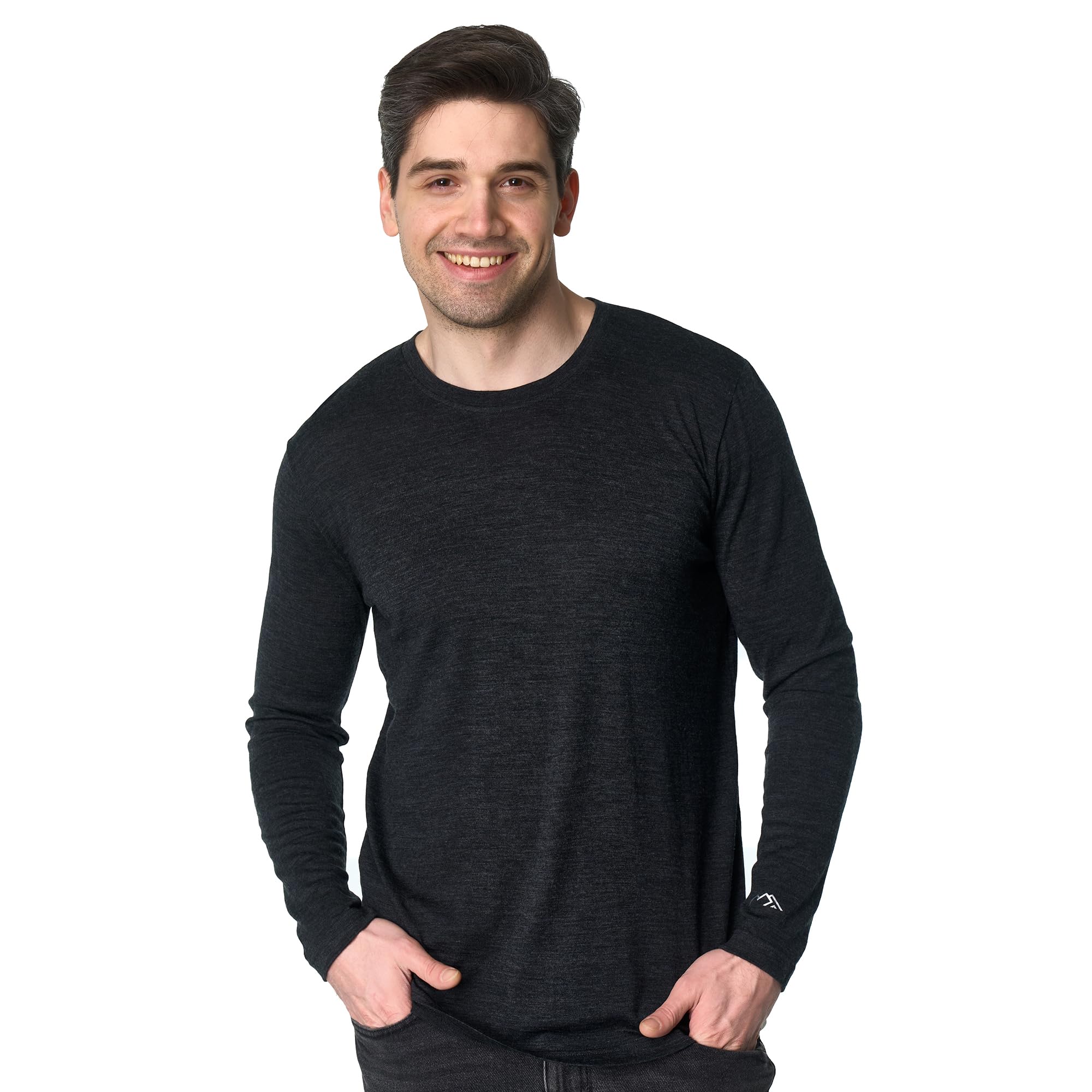
This 250gsm 100% merino top from a generic brand is a low-cost entry into pure merino backpacking. The fabric is soft, stretchy, and warm enough for varied temperatures — reviewers wore it skiing and hiking in conditions from cold to warm without overheating. The Henley-style collar adds a touch of style and makes it wearable as a standalone top around camp.
The construction is solid: flat seams that do not rub, and the fabric holds up well after a year of regular use. The tag is comfortable enough to leave in, or it can be removed easily. The medium fits a 5’11” frame snugly but comfortably, though long-armed users might find the sleeves a touch short.
Color representation is a letdown — the blue is darker and more gray than the product photos suggest.
Why it’s great
- Soft, non-itchy merino at a budget price
- Versatile 250gsm weight for three-season use
- Good fit and stretch for active movement
Good to know
- Sleeves run short for tall arms
- Color in person is darker than listed
7. LAPASA Men’s 100% Merino Wool Bottom Base Layer Pants
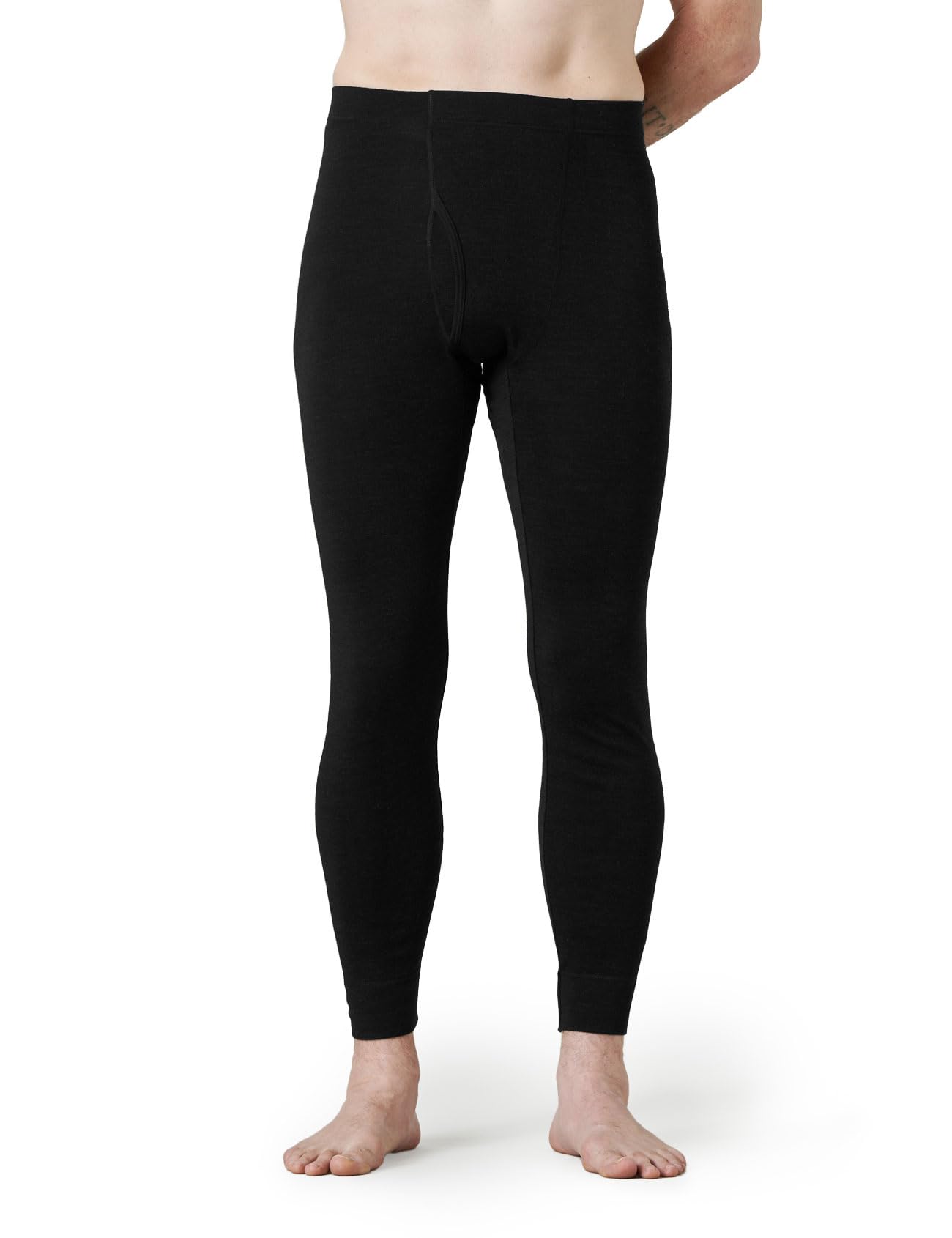
LAPASA offers a lightweight 100% merino bottom that punches above its price in warmth. The fabric is surprisingly thin — one reviewer initially dismissed them as too flimsy — but they deliver impressive warmth for winter hiking and skiing. The wool remains odor-free after two to three days of continuous wear, a key feature for multi-day trips.
The pants fit well as a base layer under ski pants or hiking shells without adding bulk. They are comfortable enough to double as lounge pants around camp. The price undercuts most big-name merino bottoms, making them an excellent budget-friendly entry point.
Some users noted the thin fabric might not be warm enough for extreme cold without a mid-layer. They are also not as durable as nylon-reinforced blends and may show wear faster if used aggressively.
Why it’s great
- Great warmth despite the thin fabric
- No smell after multiple days on the trail
- Budget-friendly price for 100% merino
Good to know
- Thin material requires care to avoid snagging
- Not suitable for extreme cold without layering
FAQ
What fabric weight is best for three-season backpacking?
Should I get 100% merino or a nylon blend for durability?
How do I prevent pilling and damage to my merino base layer?
Final Thoughts: The Verdict
For most backpackers, the base layer for backpacking winner is the Smartwool Classic Thermal because the 12% nylon core adds durability without sacrificing the merino feel. If you want a lighter, more breathable top for high-output hiking, grab the Icebreaker 175 Everyday. And for extreme cold winter trips, nothing beats the warmth of the MERIWOOL Heavyweight 400g pants.

Mo Maruf
I created WellFizz to bridge the gap between vague wellness advice and actionable solutions. My mission is simple: to decode the research and give you practical tools you can actually use.
Beyond the data, I am a passionate traveler. I believe that stepping away from the screen to explore new environments is essential for mental clarity and physical vitality.