Our readers keep the lights on and my smoothie glass nicely filled. As an Amazon Associate, I earn from qualifying purchases.
A border that draws the eye, defines a space, and stays vibrant through frost and heat isn’t built with forgettable greenery. The right shrubs turn a simple garden edge into a living frame that rewards you season after season with color, texture, and structure. But one wrong pick can mean a leggy, bare-bottomed mess or a monster that outgrows its spot within two years.
I’m Mohammad Maruf — the founder and writer behind WellFizz. I’ve spent years analyzing nursery stock, customer survival rates across hardiness zones, and the real-world performance of shrubs sold online to separate the winners from the weaklings.
The five shrubs in this guide are hand-selected for their compact stature, reliable blooming, and year-round appeal. Use this breakdown to find the best border shrubs that match your sun exposure, soil type, and desired maintenance level.
How To Choose The Best Border Shrubs
Selecting shrubs for a border isn’t the same as picking a random garden center impulse buy. You are designing a foreground or mid-ground layer that must stay in scale, bloom reliably in your zone, and not swallow your walkway by year three. Here is the real criteria that matter.
Match Mature Dimensions to Your Space
The number one mistake is ignoring the mature height and spread printed on the tag. A shrub that reaches 10 feet tall and 8 feet wide has no place in a 3-foot-deep border. Look for varieties that naturally stay under 4 feet tall and 4 feet wide — those give you a full, dense look without constant shearing.
Pick for Your Sunlight, Not Your Wishlist
Many border shrubs labeled “full sun” need at least 6 hours of direct light to produce dense foliage and abundant blooms. If your border sits on the north side of a fence or under a tree canopy, your options shrink dramatically. Choose plants that explicitly tolerate partial shade in that scenario, or expect leggy, bloom-less growth.
Prioritize Zone Hardiness and Bloom Duration
Your USDA hardiness zone determines whether a shrub survives winter or dies back to the ground. Check the plant’s zone range against your location. Also consider how many months the shrub provides visual interest — reblooming varieties that flower from spring through fall offer far more value than a one-week wonder.
Quick Comparison
On smaller screens, swipe sideways to see the full table.
| Model | Category | Best For | Key Spec | Amazon |
|---|---|---|---|---|
| Sweet Drift Rose | Flowering | Cascading color along pathways | Mature height 1-2 ft | Amazon |
| Southern Living Obsession Nandina | Evergreen | Year-round foliage color | Mature height 4 ft | Amazon |
| Encore Azalea Embers | Reblooming | Spring-to-fall repeat blooms | Mature height 3 ft | Amazon |
| Perfect Plants Bridal Wreath Spirea | Deciduous | Early spring white blooms | Mature height 4-6 ft | Amazon |
| Greenwood Dwarf Burning Bush | Deciduous | Brilliant fall red color | Mature height 6-10 ft | Amazon |
In‑Depth Reviews
1. Sweet Drift Rose
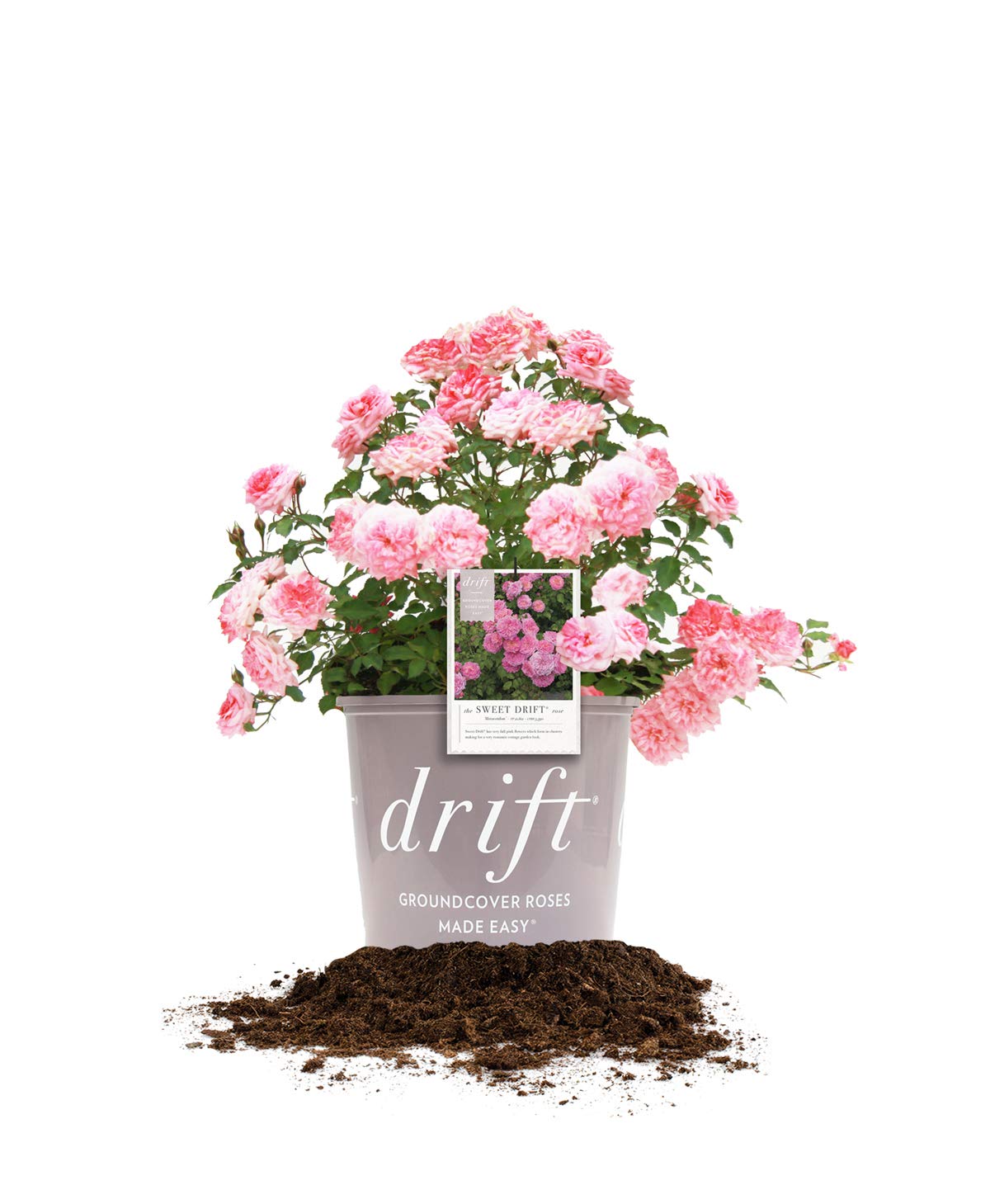
The Sweet Drift Rose earns the top spot because it solves the classic border problem: how to get continuous color without the plant towering over everything. Its mature height of just 1 to 2 feet with a 2- to 3-foot spread makes it a true groundcover-style rose that stays low and dense. The baby pink blooms appear for 8 to 9 months of the year in ideal conditions, providing an extended season of visual interest that few border shrubs can match.
This plant thrives in full sun and is notably drought-tolerant once established, which reduces the watering burden during summer dry spells. It is also winter hardy across a broad range of zones, meaning you are not gambling on a tender perennial that may not return after a cold snap. Customer reports from Zone 8 confirm minimal blackspot issues even in humid climates, a real advantage over many hybrid tea roses.
Plant these roughly 3 feet apart for a seamless mat of pink along a walkway, patio edge, or mailbox base. The package comes with plant food and a care guide, making it an excellent choice for both new and experienced gardeners. Just be aware that some plants arrive with buds rather than open blooms, and occasional shipments have been smaller than expected — but the overwhelming majority of verified buyers report healthy, vigorous growth within weeks.
Why it’s great
- Blooms 8-9 months per year with consistent color
- Compact 1-2 ft height stays within border scale
- Drought- and winter-hardy for low maintenance
Good to know
- Best performance requires full sun (6+ hours)
- Color may run hot pink vs. pastel product image
2. Southern Living Obsession Nandina

If your border needs structure and color even when nothing else is blooming, the Obsession Nandina offers a rare combination: evergreen foliage that shifts through green, red, and orange tones across the seasons, all packed into a compact 4-foot mature height. Unlike many nandina varieties that can become leggy, the ‘Obsession’ cultivar stays dense and bushy with minimal pruning, making it an ideal mid-border anchor.
This shrub thrives in USDA zones 6 through 10 and tolerates both full sun and partial shade, giving you flexibility for less-than-perfect light conditions. It is labeled as low maintenance and requires only moderate watering — water twice a week until established, then once a week after that. Verified buyers consistently praise the healthy condition of their plants upon arrival, noting the soil stayed moist and the foliage was vibrant even after shipping across the country.
One caveat: this is a non-flowering shrub, so it offers no blooms to attract pollinators. The visual payoff comes entirely from its foliage transition, which is slow but rewarding. Some customers reported that delivery can be rough on the pots, leading to broken stems, so inspect the plant immediately upon arrival. For a year-round foundation plant that adds texture and color without demanding constant attention, this nandina is hard to beat.
Why it’s great
- Evergreen foliage transitions color year-round
- Compact 4 ft height needs minimal pruning
- Thrives in sun to part shade
Good to know
- Produces no flowers or berries
- Pots can get crushed during shipping
3. Encore Azalea Embers

The Encore Azalea Embers is a reblooming powerhouse that delivers red flowers in spring, summer, and fall — a trick that sets it apart from traditional azaleas that only bloom for a few weeks. With a mature size of 3 feet tall and 3.5 feet wide, it fits neatly into the border without overwhelming adjacent plants. Its evergreen foliage provides winter interest, so the border does not go bare when the blooms fade.
This shrub grows best in partial sun and is suited for USDA zones 6 through 10. It can be used in containers, as a landscape accent, or in a mixed border. The recommended spacing of 36 to 42 inches ensures air circulation and room for spreading. Customer reviews highlight the careful packaging and vibrant condition of the plants on arrival, with many noting the leaves were a rich, healthy green and the plants were already covered in buds.
That said, the reblooming trait depends heavily on proper planting and soil preparation. Some buyers reported that their plants struggled or died after their first winter, even in mild climates, suggesting that soil drainage and consistent watering are critical. A few customers noted that despite the higher price tag compared to generic azaleas, the reblooming performance made it worth the investment when grown in the right conditions. This is a premium shrub that rewards careful siting.
Why it’s great
- Blooms spring, summer, and fall
- Evergreen for year-round interest
- Compact 3 ft x 3.5 ft mature size
Good to know
- Needs well-draining soil to survive winter
- Prone to dieback if overwatered or planted too deep
4. Perfect Plants Bridal Wreath Spirea
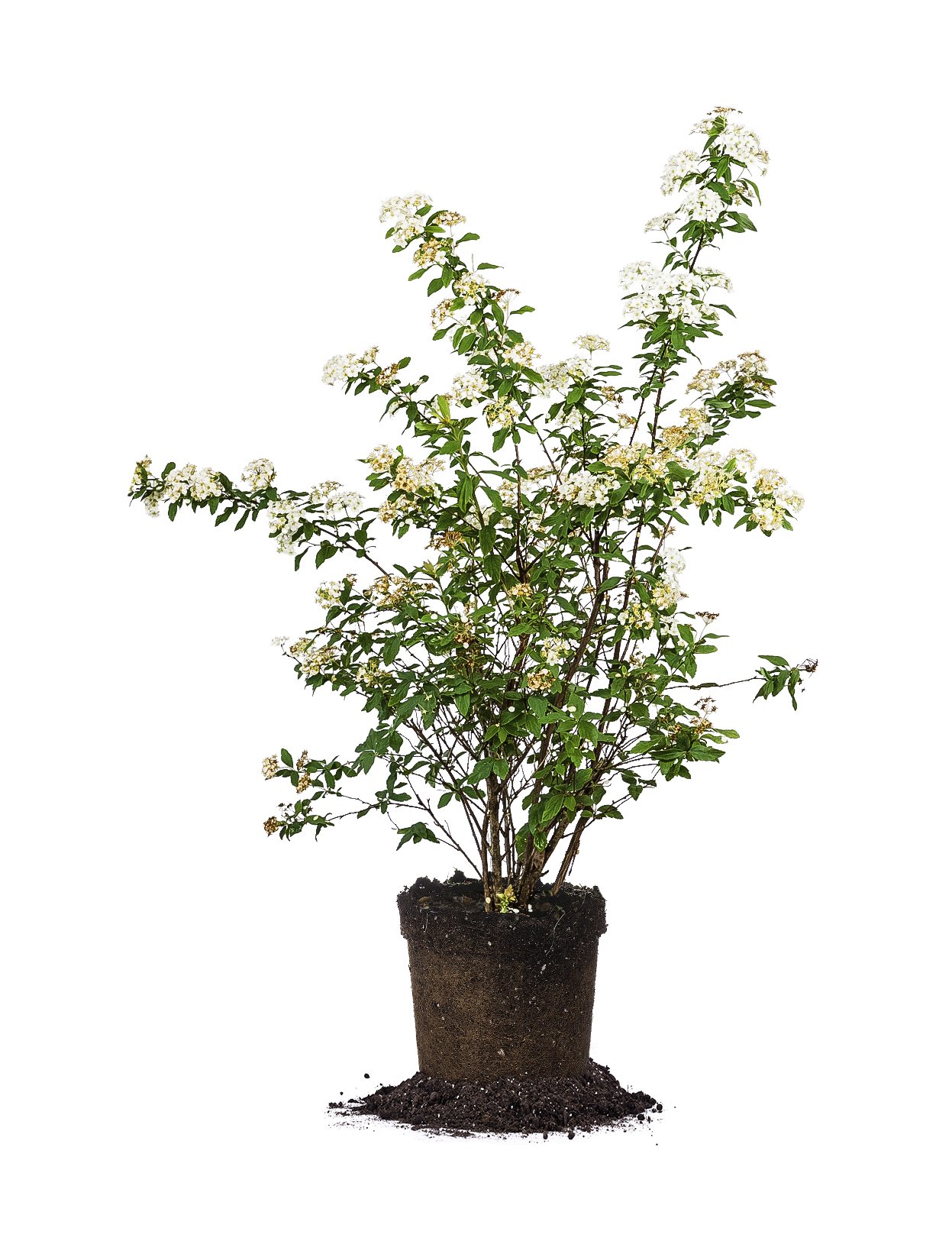
The Bridal Wreath Spirea is a time-tested border shrub that delivers an explosion of double white flowers along arching branches each spring. Its cascading form adds a graceful, romantic feel to fence lines, walkways, and foundation plantings. Beyond the spring show, the shrub offers deer resistance and pollinator-friendly appeal, attracting butterflies and bees while naturally deterring browsing animals.
This spirea is adaptable to a wide range of planting sites and resists common diseases like powdery mildew, root rot, and fire blight — a major advantage over more finicky ornamentals. It performs best in zones 4 through 9 and tolerates both full sun and light shade. Green summer foliage transitions to striking red and orange in the fall, providing multi-season interest that justifies its place in any border design.
Customer feedback consistently praises the size and health of the plants upon arrival, though the packaging could be sturdier for the rigors of shipping. Some plants arrived slightly dry after summer transit, but recovered quickly with immediate watering and planting. The 15-day seller guarantee offers a safety net, though most buyers found the plant hearty enough to bounce back on its own. For a low-maintenance, disease-resistant shrub with a classic look, this spirea delivers dependable performance.
Why it’s great
- Deer resistant and pollinator friendly
- Resists powdery mildew, root rot, and fire blight
- Vibrant fall color from green to red-orange
Good to know
- Reaches 4-6 ft, may need room to spread
- Packaging can be damaged in transit
5. Greenwood Dwarf Burning Bush

For a dramatic autumn display that turns your border into a focal point, the Dwarf Burning Bush from Greenwood Nursery is the clear pick. Its deep red fall foliage is so intense it stops traffic — and it is the main reason home gardeners plant this shrub as a foundation plant or hedge. While it can be sheared to around 4 feet, its natural mature height of 6 to 10 feet means this is best suited for the back of a border or more spacious landscape beds.
This deciduous shrub features corky bark on its branches, which holds snow attractively in colder climates. The red fruit it produces provides winter food for birds, adding wildlife value. It tolerates both acidic and alkaline soils and can handle some drought, making it a resilient choice for challenging spots. It is rated for zones 4 through 8 and grows rapidly, so you will see noticeable size gains within a single season.
Greenwood Nursery packages their plants with care — bare roots are coated in hydrating gel and wrapped in moist paper, while potted plants are sleeved in craft paper to hold the soil. The 14-day guarantee gives you a safety net if something goes wrong. Some customers noted that not every plant survived, but the seller’s customer service was responsive in addressing issues. If you want reliable fall color and fast growth, this burning bush delivers, just account for its eventual size when planning your border.
Why it’s great
- Brilliant red fall foliage is unmatched in intensity
- Fast-growing with corky bark for winter interest
- Tolerates poor soil and some drought
Good to know
- Mature height 6-10 ft needs generous spacing
- Requires full sun for best red color
FAQ
How far apart should I plant border shrubs?
Can border shrubs survive in partial shade?
How do I protect border shrubs through winter?
Final Thoughts: The Verdict
For most users, the best border shrubs winner is the Sweet Drift Rose because it offers the longest bloom season with a low, spreading habit that stays perfectly in scale for a front-of-border position. If you want year-round foliage color without the need for flowers, grab the Southern Living Obsession Nandina. And for a dramatic reblooming display from spring through fall, nothing beats the Encore Azalea Embers.

Mo Maruf
I created WellFizz to bridge the gap between vague wellness advice and actionable solutions. My mission is simple: to decode the research and give you practical tools you can actually use.
Beyond the data, I am a passionate traveler. I believe that stepping away from the screen to explore new environments is essential for mental clarity and physical vitality.