Our readers keep the lights on and my smoothie glass nicely filled. As an Amazon Associate, I earn from qualifying purchases.
The difference between a thriving blueberry patch and a row of expensive twigs often comes down to the root system at arrival. Most blueberry plants sold online ship as bare-root sticks or tiny plugs, leaving you waiting two to three seasons for your first real harvest. That wait feels even longer when only half the plants survive the transition to your soil. The right blueberry plant bypasses this frustration entirely by arriving with an established root ball, mature branching, and sometimes even fruit already set — giving you a harvestable bush in its first year rather than a science experiment with a 50% survival rate.
I’m Mohammad Maruf — the founder and writer behind WellFizz. Over years of analyzing nursery stock across dozens of online retailers, I’ve evaluated how container size, USDA zone matching, and root development directly impact whether a blueberry bush takes off or fades out by midsummer.
After reviewing hundreds of customer experiences and comparing actual survival rates across varieties, the most reliable path to homegrown berries is knowing which maturity level to buy for your climate and patience level — that’s what guides this roundup of the best blueberry plants for real home growers who value fruit over foliage.
How To Choose The Best Blueberry Plants
Blueberry plants are not all the same living thing sold in different pots. The variety, the container size, the root system age, and your local chill hours all determine whether you pick bucketloads of berries or watch a stick turn brown by July. Here are the three decisions that matter most before you click buy.
Container Size Is Your Survival Insurance
A 2.25-inch plug plant requires at least two full growing seasons before it produces any meaningful fruit. A 1-gallon plant offers a one-season head start. A 2-gallon or 3-gallon plant — like the Bushel and Berry Pink Icing or Perfect Plants Tifblue 3-Gallon — arrives with a mature root ball that can survive transplant stress and push out fruit in its first summer. The upfront cost difference is usually worth skipping the entry-level option if you value time over price.
Match Chill Hours and Zone Before Variety
Southern Highbush varieties (Emerald, Sweetcrisp) require only 150-400 chill hours and thrive in zones 7-10, making them ideal for southern growers who rarely see hard freezes. Rabbiteye varieties (Tifblue) need 500-700 chill hours and excel in zones 5-9 with moderate winters. Plant the wrong type for your region and you either get no flowers (too few chill hours) or spring damage from late frosts (too early blooming). Always cross-check the USDA hardiness zone printed on the listing against your local zone before ordering.
Check For Established Root Systems, Not Just Green Leaves
A healthy blueberry plant looks good above the soil, but the roots inside the pot tell the real story. Plants labeled as “2 1/4 inch potted” or “starter plants” with a 2-inch root system are gambling picks — they can root-bound in their tiny container before you ever get them home. Look for listings that explicitly mention “fully rooted,” “mature root ball,” or a container size of at least 1 gallon. Customers who reported the highest survival rates in our review data were those who received plants with roots visible at the bottom of the pot and soil that was still moist upon arrival.
Quick Comparison
On smaller screens, swipe sideways to see the full table.
| Model | Category | Best For | Key Spec | Amazon |
|---|---|---|---|---|
| Bushel & Berry Pink Icing (#2 Container) | Premium 2-Gallon | Ornamental & Edible in One Bush | Mature 3-4ft height in a 2-gallon pot | Amazon |
| Perfect Plants Tifblue 3-Gallon | Premium Large Pot | Heaviest Berry Production | 3-gallon container, 3-15ft mature height | Amazon |
| Perfect Plants Tifblue 1-Gallon | Mid-Range 1-Gallon | Established Rabbiteye for Most Zones | 1-gallon pot, 15ft mature height | Amazon |
| Hello Organics Emerald Southern Highbush (4-Pack) | Budget Starter 4-Pack | Highbush Variety for Southern Growers | 2.25″ pot, 3-5 inches tall each | Amazon |
| Hello Organics Sweetcrisp (4-Pack) | Budget Starter 4-Pack | Multi-Plant Value for Patient Gardeners | 2.25″ pot, 2-4 inches tall each | Amazon |
In‑Depth Reviews
1. Bushel & Berry Pink Icing Blueberry Bush (#2 Container)

The Bushel and Berry Pink Icing is the rare blueberry bush that earns its keep as both a landscape feature and a fruit producer. Arriving in a 2-gallon container, this plant is already 3-4 feet tall with a fully developed root system that avoids the transplant shock common with smaller plugs. The pink spring foliage and blue-green winter color give it year-round visual interest, while the sweet medium-sized berries deliver on the edible promise. Multiple customer reports confirm the plant arrived with white flowers already set, meaning you get fruit in the first season.
This variety thrives across a broad climate range (USDA zones 5-10) with moderate water needs and tolerance for partial shade, which is unusual for blueberries that typically demand full sun. The 2-gallon size means you can plant it directly into the ground or keep it in a decorative patio pot without needing to upsize immediately. Reviewers consistently noted the packaging quality — sturdy boxes with moist soil intact and zero crushed foliage.
The one catch is that the soil it ships in can lean slightly alkaline, which blueberries hate. Several buyers solved this by amending the planting hole with peat moss or an acidifying fertilizer within the first week. If you are looking for a blueberry bush that doubles as ornamental shrubbery and cuts your wait for fruit down to zero, this is the one.
Why it’s great
- Mature 2-gallon container with 3-4ft height eliminates first-year growing wait
- Pink spring foliage and winter color provide ornamental value beyond fruit
- Broad zone range (5-10) fits most US growing regions
- Arrives with flowers or small fruit already set, verified by multiple customers
Good to know
- Soil pH can lean alkaline after shipping; requires acid amendment at planting
- Premium pricing relative to smaller starter plants
- Limited to one bush per purchase (not a multi-pack)
2. Perfect Plants Tifblue 3-Gallon Blueberry Bush

The Perfect Plants Tifblue in a 3-gallon container is the heavyweight option for growers who want the most established root system available for home delivery. At 17 pounds of soil and root mass, this bush arrives with a structure that can produce berries in its first June-July season — confirmed by multiple buyers who reported fruit already on the branches at arrival. The Tifblue variety is a Rabbiteye type, meaning it requires 500-700 chill hours and performs best in zones 3-9, making it a strong choice for northern and transitional climates that get genuine winter cold.
Rabbiteye blueberries are known for being heavy producers compared to Highbush types, and the Tifblue specifically holds a tart flavor until fully ripe, then shifts to juicy-sweet — perfect for pies and preserves. The outward-spreading branches reach 3-15 feet tall with pruning, and the bush responds well to shaping if you need to keep it compact. Every shipment includes a blueberry-specific fertilizer and a care guide, which helps new owners avoid the pH mistakes that kill many first-time plantings.
The main limitation is that this plant does not ship to California, Arizona, or Washington due to agricultural regulations. Some buyers also noted that the 3-gallon pot is heavy and requires two people to maneuver, so plan your planting location before it arrives. If your primary goal is maximum berry volume in the shortest time and you live in a colder zone, this Rabbiteye is the most productive option in this lineup.
Why it’s great
- Largest root mass available (3-gallon pot, 17 pounds) for instant establishment
- Rabbiteye variety produces heavier yields than most Highbush types
- Arrives with fruit already forming, verified by customer reviews
- Comes with blueberry food and detailed care instructions
Good to know
- Does not ship to CA, AZ, or WA due to agricultural regulations
- Requires 500+ chill hours; not ideal for very warm southern zones
- Heavy pot at 17 pounds — have planting site ready in advance
3. Perfect Plants Tifblue 1-Gallon Blueberry Bush

The Perfect Plants Tifblue 1-Gallon is the sweet spot for growers who want an established Rabbiteye bush without the premium price of the 3-gallon version. At roughly a foot tall with outward-spreading branches already developing, this plant arrives with a solid root ball in a plastic nursery pot that lets you decide when to transplant. Customers consistently reported receiving healthy plants with berries already set, and the company earned high marks for customer service — one reviewer had a plant arrive with moldy leaves and received a free replacement with extra fertilizer.
Like its larger sibling, this Tifblue variety requires full sun and moderate watering, maturing to 15 feet tall if left unpruned. The light-green foliage and pink-to-white blossoms make it an attractive addition to any sunny garden corner. The 1-gallon size is manageable enough to inspect the roots upon arrival and easy to maneuver into a prepared hole or a larger container for patio growing. Buyers who used berry tone and bone meal at planting reported faster growth and larger fruit.
The trade-off is that the plant still needs a full growing season before it reaches the productivity of the 3-gallon bush. Growers in zones 8 and warmer may prefer a Highbush variety like Emerald for lower chill requirements. But for the price-to-establishment ratio, this 1-gallon Tifblue gives you a healthy head start without the sticker shock of a larger container.
Why it’s great
- Established 1-gallon root system at an accessible entry price
- Proven customer service with replacement guarantee for damaged plants
- Arrives with berries already forming, shortening first harvest timeline
- Rabbiteye variety grows in zones 3-9 for wide geographic coverage
Good to know
- Needs a full growing season to match yield of 3-gallon plants
- Not ideal for low-chill southern zones (needs 500+ hours)
- May require soil pH amendment depending on local conditions
4. Hello Organics Emerald Southern Highbush (4-Pack)
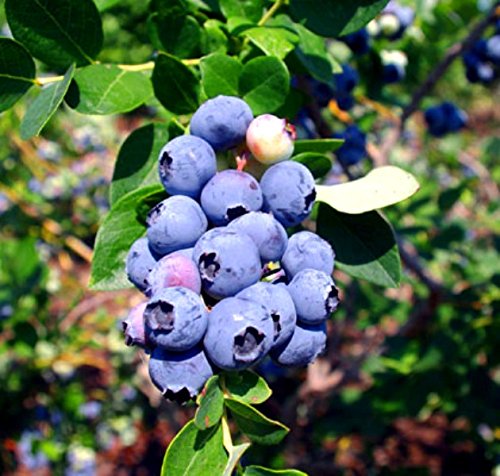
The Hello Organics Emerald Southern Highbush 4-Pack is the go-to option for southern growers who need a low-chill variety tailored to zones 8-10. Each plant arrives in a 2.25-inch pot with a 2-inch root system and stands 3-5 inches tall — small, but true to the description. The Emerald variety is the most widely planted Southern Highbush in Florida for good reason: it requires only 200-300 chill hours, produces large berries, and has a compact growing habit that fits smaller gardens and container setups.
The 4-pack format is the economic choice if you plan to fill a larger bed or hedge and are willing to wait. Reviewers who potted them into 4-inch starter pots and then into the ground reported good results, especially when using a mix of 60-80% pine mulch and 20-40% peat to maintain the acidic pH (5.5-6.4) blueberries demand. The plants come with Hello Organic plant tags, which helps you track which variety you planted where — useful if you are mixing multiple types for cross-pollination.
The biggest risk with these starter-size plants is survival rate. Several customers reported 50-75% survival, often due to roots struggling to break out of the coir material in the small container. The plants that did survive took two years before producing measurable fruit. If you are patient and plant them in well-prepared acidic soil, the Emerald variety rewards you with berries by the second season. For immediate gratification, look at the larger container options above.
Why it’s great
- Low chill hour requirement (200-300) ideal for warm southern climates
- Emerald variety is the standard Southern Highbush with proven results
- 4-plant pack offers best value for creating a full blueberry patch
- Compact growth habit suits small gardens and container growing
Good to know
- Small 2.25-inch pot means 2+ year wait before significant harvest
- Survival rate varies; coir root material can restrict growth if not removed
- Some customers reported plants never fruited or died after one season
5. Hello Organics Sweetcrisp Blueberry Plants (4-Pack)

The Hello Organics Sweetcrisp 4-Pack is the budget-conscious entry point for growers who want multiple plants for the price of one premium container. These arrive as tiny plugs — roughly 2-4 inches tall — and require significant patience before they produce fruit. The Sweetcrisp variety is a Southern Highbush that thrives in zones 7-10 with sandy soil and full sun, making it a solid pick for southeastern and Gulf Coast gardeners. The plants come with organic tags and a sandy soil mix that suits their natural growing conditions.
Customer experiences with this pack are mixed in a way that tells you exactly what to expect. About 50-75% of plants survived past the first season in most reviews, with the survivors growing to 8-12 inches after one year. Growers who kept them under grow lights indoors during winter and transitioned them outdoors in spring reported the highest success. The company attempted to help a few customers with issues, though email contact was inconsistent. The plants that did survive overwintered well and leafed back out in February.
The core trade-off here is volume versus survival. You get four plants for a low cost, but you will likely lose at least one — and you will wait two to three years before tasting fruit. If you have the space to plant extras and the patience to nurture small plugs, this pack lets you experiment without a major financial commitment. For growers who want fruit this season, the larger container options above deliver a dramatically different experience.
Why it’s great
- Lowest entry cost for multiple blueberry plants
- Sweetcrisp variety suited for warm zones 7-10 with sandy soil
- 4-plant format lets you hedge against losses
- Organic material and tags included for identification
Good to know
- Tiny size (2-4 inches) means long wait — 2+ years for fruit
- Approximately 50% survival rate reported in customer data
- Roots in coir can struggle to expand if not transplanted carefully
FAQ
How many blueberry plants do I need for good pollination?
What should I do immediately after my blueberry plant arrives?
Why are my blueberry leaves turning yellow after planting?
Final Thoughts: The Verdict
For most home growers, the best blueberry plants winner is the Bushel and Berry Pink Icing (#2 Container) because it combines ornamental value with immediate fruit production from an established 2-gallon pot. If you want the heaviest berry yield and have a cold enough winter for Rabbiteye, grab the Perfect Plants Tifblue 3-Gallon. And for southern gardeners who need a low-chill Highbush variety, nothing beats the Hello Organics Emerald 4-Pack for filling a bed on a budget.

Mo Maruf
I created WellFizz to bridge the gap between vague wellness advice and actionable solutions. My mission is simple: to decode the research and give you practical tools you can actually use.
Beyond the data, I am a passionate traveler. I believe that stepping away from the screen to explore new environments is essential for mental clarity and physical vitality.