Our readers keep the lights on and my smoothie glass nicely filled. As an Amazon Associate, I earn from qualifying purchases.
Beginning a running routine brings one pressing question: which shoe protects your joints without feeling like a cement block? The gap between a stiff, budget trainer and an overpriced, overly complex shoe is wider than most new runners realize. The wrong choice leads to sore shins, blisters, and a quick return to the couch.
I’m Mohammad Maruf — the founder and writer behind WellFizz. I’ve spent years analyzing running shoe construction, midsole compounds, and outsole geometry to separate genuine value from inflated marketing claims in this category.
This guide breaks down the key specs, real-world performance data, and fit nuances that matter most when choosing your first pair of proper running shoes. After evaluating dozens of models across price tiers, I’ve curated the top contenders for the best beginner running shoes on the market right now.
How To Choose The Best Beginner Running Shoes
New runners often grab the first shoe that looks sporty or has a low sticker price. That approach frequently ends with aching feet and a frustrated runner. Understanding a few core specs changes everything.
Midsole Foam & Stack Height
The midsole material dictates how much road shock reaches your legs. Modern foams (EVA, TPU, Pebax) vary in density and energy return. Stack height — the amount of foam between your foot and the ground — typically ranges from 20mm to over 40mm. More foam means more cushion, but also less ground feel. Beginners generally benefit from a moderate stack around 25-35mm that absorbs impact without making the shoe feel unstable.
Heel-to-Toe Drop (Offset)
Drop refers to the height difference between the heel and forefoot. A 10-12mm drop encourages heel-striking, common among newcomers. A 4-6mm drop promotes a midfoot or forefoot strike. Zero-drop shoes mimic barefoot running but require gradual adaptation. For most beginners starting on pavement, an 8-10mm drop strikes a safe balance between comfort and natural gait transition.
Fit & Width Options
Running shoes should fit snug in the heel, roomy in the toe box, and leave about a thumb’s width from the longest toe to the shoe’s end. Many brands offer standard (D), wide (2E), and extra-wide (4E) options. A shoe that pinches the forefoot mid-run will ruin a workout before the third mile. Always measure your foot later in the day when it’s slightly swollen.
Quick Comparison
On smaller screens, swipe sideways to see the full table.
| Model | Category | Best For | Key Spec | Amazon |
|---|---|---|---|---|
| Brooks Revel 8 | Neutral | Plush daily training | 30mm stack / 10mm drop | Amazon |
| Asics Gel-Cumulus 27 | Neutral | Premium long runs | PureGEL / FlyteFoam midsole | Amazon |
| Brooks Trace 4 | Neutral | Daily walking to jogging | BioMoGo DNA midsole | Amazon |
| Asics Gel-Excite 11 | Neutral | Narrow feet & value | GEL cushion / 10mm drop | Amazon |
| Under Armour Charged+ 11 | Neutral | Roomy toe box value | 2.4 lbs / Charged Cushioning | Amazon |
| New Balance Dynasoft Women’s | Trail hybrid | Mixed-terrain running | Dynasoft midsole / 2.1 lbs | Amazon |
| New Balance FuelCell Rebel V5 | Performance | Speed workouts & tempo | FuelCell foam / 2.1 lbs | Amazon |
In‑Depth Reviews
1. Brooks Men’s Revel 8 Neutral Running & Walking Shoe
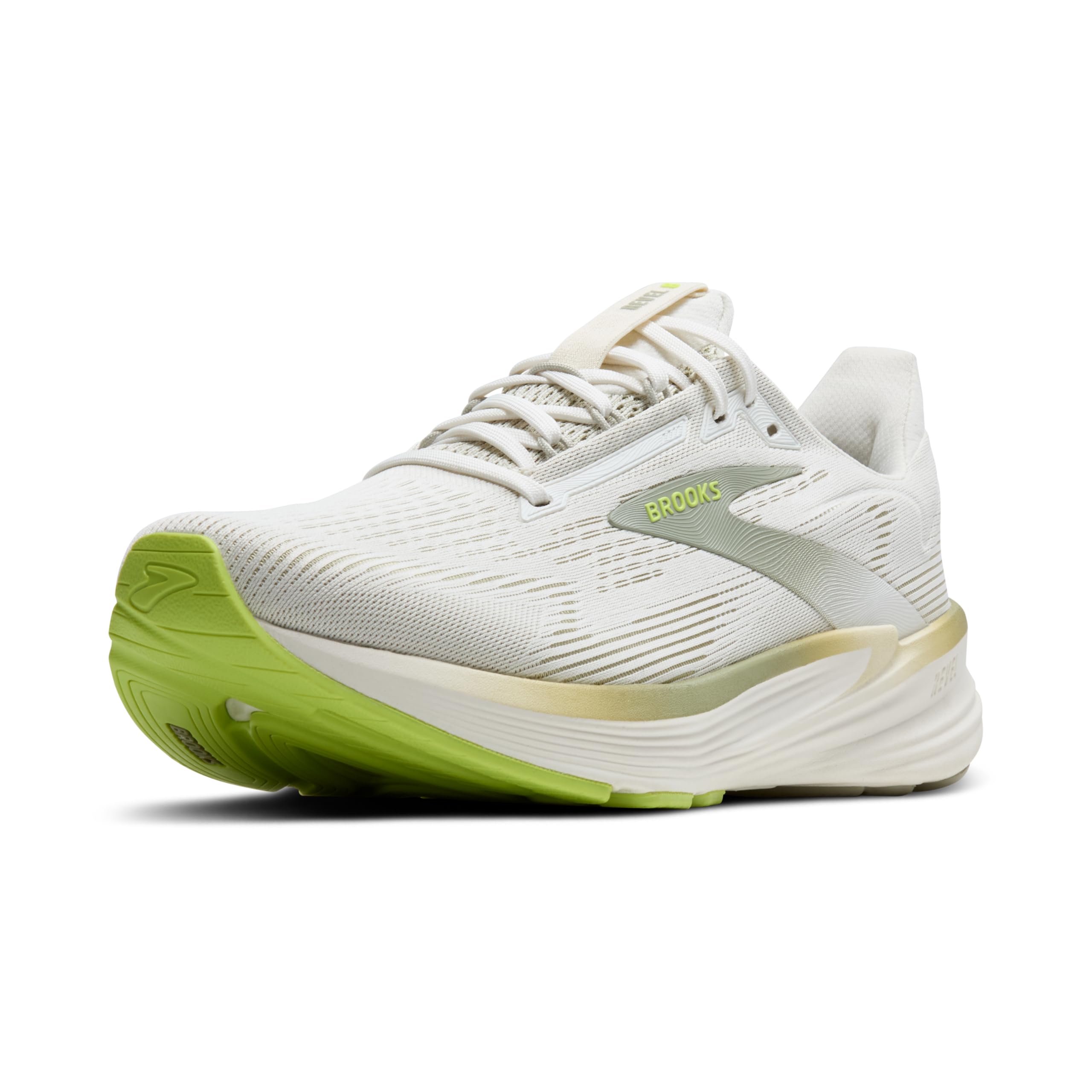
The Revel 8 hits the sweet spot for beginners who want a solid platform without stepping into premium price territory. Its 30mm stack height and 10mm drop encourage a natural heel-strike pattern while offering enough BioMoGo DNA foam to dull pavement chatter. Reviewers with previous foot pain — including a soccer referee logging 274 miles — reported zero bloody toenails and described the ride as “running on air.”
The engineered mesh upper breathes well during warm-weather jogs, and the outsole uses a blown rubber compound that holds up on asphalt without wearing flat prematurely. Several users mentioned the shoe feels less clunky than Hoka models while still delivering substantial cushion.
The one universal caveat: Brooks tends to run a full size small for many runners. Multiple buyers advised ordering a size larger than your usual sneaker size. The standard shoelaces also drew complaints for being noticeably short, making a runner’s knot harder to tie securely.
Why it’s great
- Plush cushion tested over 274 miles without failure
- Lightweight feel at 1.5 pounds per pair
- Outsole rubber shows minimal wear on road surfaces
Good to know
- Runs a full size small — plan to size up
- Shoelaces are shorter than typical athletic laces
2. ASICS Men’s Gel-Cumulus 27 Running Shoes
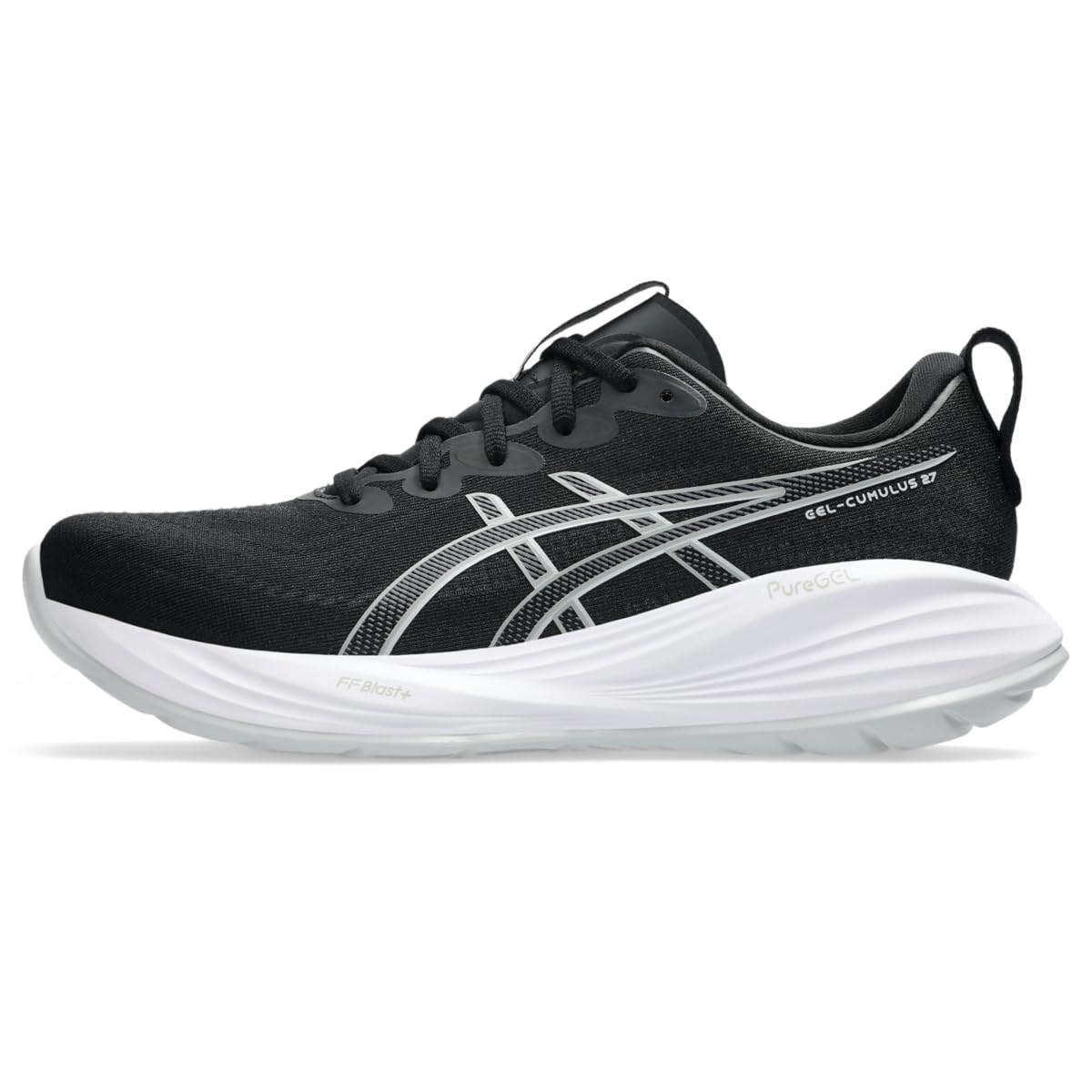
The Gel-Cumulus 27 sits in Asics’ premium neutral lineup, trading a few extra dollars for a noticeably plusher ride. The rearfoot PureGEL pods compress on impact, and the FlyteFoam midsole returns energy with each stride. One reviewer, a regular at Orangetheory, called them perfect for high-intensity treadmill work, while another claimed they’d “write a song” about how comfortable the shoe feels.
The engineered jacquard mesh upper is flexible enough to accommodate slight foot swelling on long runs, and the Ortholite sockliner adds a thin layer of antimicrobial padding. Users reported that the colored outsole compound holds its visual quality longer than standard black rubber.
The primary drawback is lace pressure across the top of the foot. Several reviewers noted that the tongue is thin, and cinching the laces too tightly causes discomfort. Thicker socks solve most of that complaint, but it’s worth noting for runners with high insteps.
Why it’s great
- Superior impact absorption from rearfoot PureGEL pods
- Durable colored outsole resists cosmetic wear
- Breathable upper accommodates foot expansion mid-run
Good to know
- Thin tongue can cause lace bite without thick socks
- Popular colorways frequently go out of stock
3. Brooks Women’s Trace 4 Neutral Running Shoe
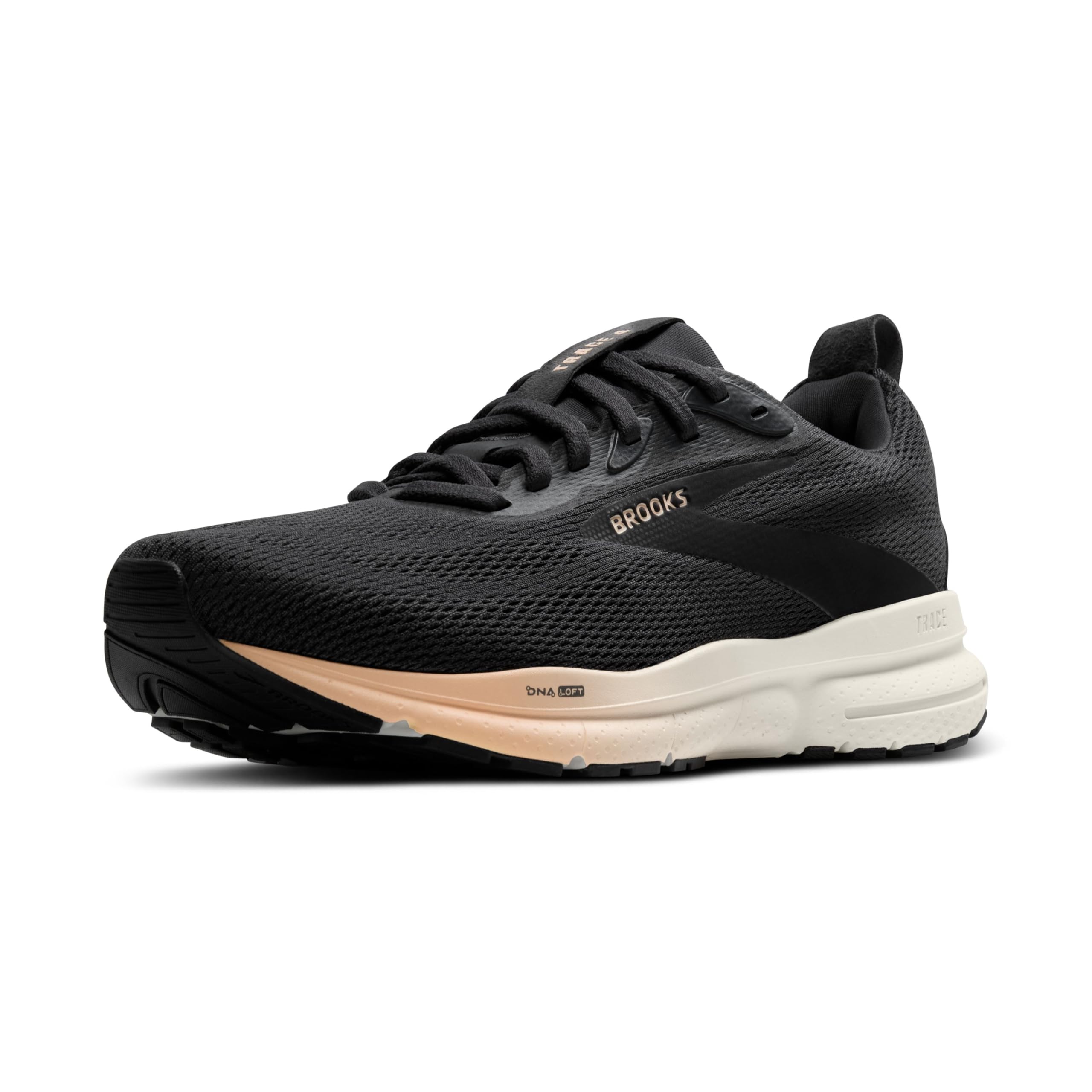
The Trace 4 is Brooks’ entry into the neutral cushioned category at the premium end, and it delivers a familiar DNA Loft midsole feel similar to the popular Ghost 16. Multiple reviewers noted the shoe required zero break-in — it comes out of the box ready for miles. One healthcare worker reported standing 8-9 hours without foot fatigue, crediting the memory foam-like insole.
The fit runs true to size with a roomy toe box that accommodates mild bunions or post-injury swelling. Users managing plantar fasciitis praised the stable heel counter and firm arch support that didn’t feel overly aggressive. The outsole uses blown rubber in high-wear zones, extending the shoe’s lifespan well beyond five months of daily use.
The Trace 4’s upper uses a standard engineered mesh rather than the lighter knit found on the Ghost line, which slightly reduces breathability in humid conditions. It also weighs a touch more than its sibling, though most reviewers said the durability trade-off is worth it.
Why it’s great
- No break-in period — comfortable out of the box
- Roomy toe box good for plantar fasciitis support
- Memory foam insole holds up over 8-hour standing shifts
Good to know
- Mesh upper breathes less than knit competitors
- Heavier than the Brooks Ghost line by a small margin
4. ASICS Men’s Gel-Excite 11 Running Shoes
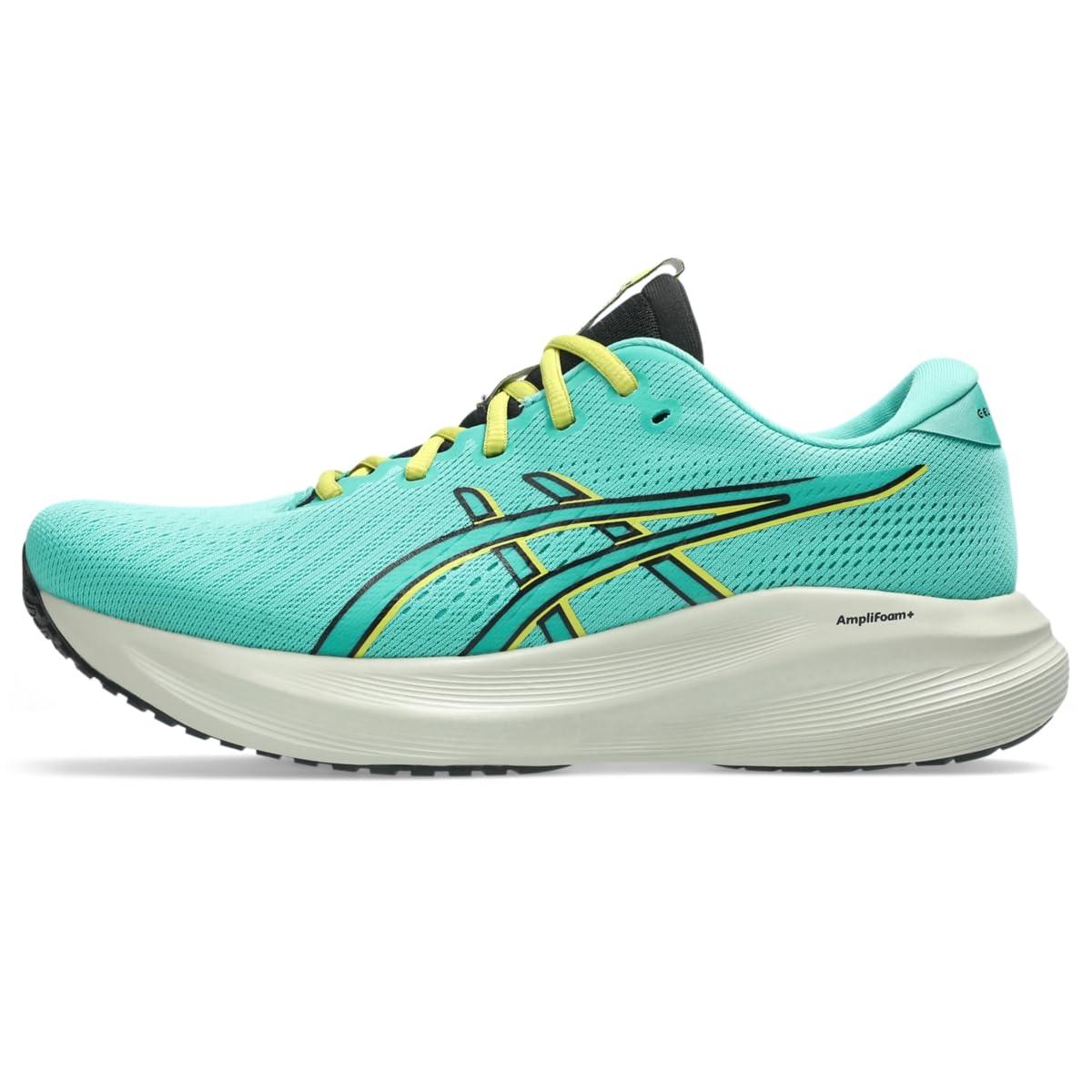
The Gel-Excite 11 is Asics’ mid-range neutral trainer that delivers excellent shock absorption and energy rebound at a reasonable price. The full-length AmpliFoam Plus midsole works with a visible rearfoot GEL unit to soften heel strikes, and the Ortholite sockliner keeps moisture in check. Reviewers consistently pointed to the secure heel fit and generous toe box as standout features for narrower feet.
One buyer discarded his custom orthotics because the stock support was sufficient — “wearing these without the supports.” The outsole uses AHAR rubber in strategic patches, which showed minimal wear after months of abuse on pavement. The shoe’s 1.44-pound weight keeps it feeling light over five-mile runs.
The sizing runs slightly small, with several users wishing for half sizes beyond 13. The cushion, while plush, is firmer than the premium Gel-Cumulus line, so runners accustomed to softer foams may find it less forgiving at slower paces.
Why it’s great
- Secure heel fit ideal for narrower foot shapes
- Lightweight 1.44-pound build for daily training
- Outsole rubber holds up after months of hard use
Good to know
- Runs slightly small, limited half sizes above 13
- Cushion is firmer than the premium Cumulus line
5. Under Armour Men’s Charged+ Assert 11 Running Shoes
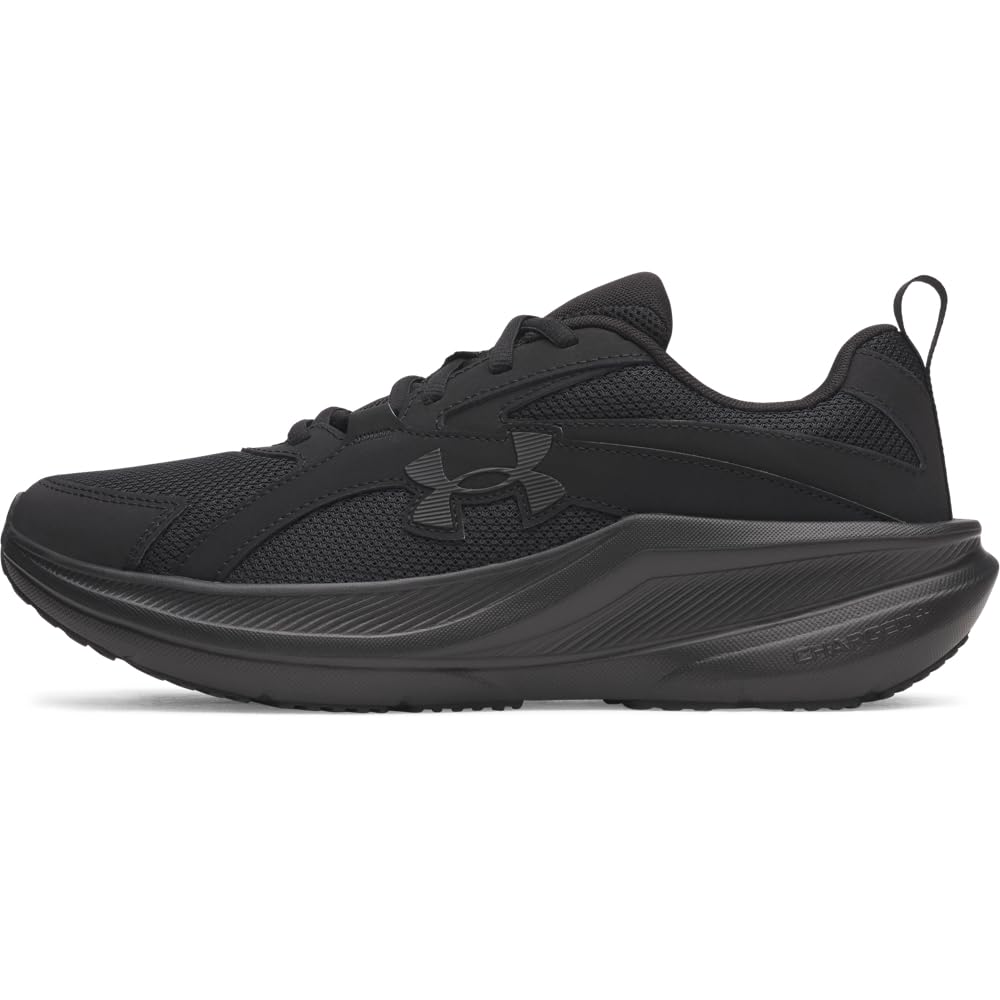
The Charged+ Assert 11 punches above its price point with a surprisingly comfortable ride that multiple reviewers compared to Hoka — but costing a fraction of the price. The Charged Cushioning midsole uses molded foam that compresses well under heel strike while still offering enough density to avoid bottoming out on longer runs. A 76-year-old runner with osteoarthritic knees reported that Under Armour outperformed both New Balance and Hoka in comfort and wearability.
The mesh upper is genuinely breathable, and the wider instep shape accommodates thicker orthotics or naturally wide feet without pinching. The outsole uses a solid rubber compound with a tread pattern that passes uniform inspection, making it a favorite among those who need a serviceable gym-to-sidewalk shoe.
The biggest trade-off is weight. At 2.4 pounds, the Assert 11 is heavier than most rivals. Several customers noted the cushion lacks the bounce of premium foams, and the aesthetic leans clunky compared to sleeker modern silhouettes. It’s a functional workhorse, not a style statement.
Why it’s great
- Generous toe box and wide instep for foot comfort
- Breathable mesh upper for hot weather runs
- Heel cushioning praised by runners with knee arthritis
Good to know
- Heavier at 2.4 pounds than most competitors
- Midsole lacks the responsive spring of premium foams
6. New Balance Women’s Dynasoft Tektrel V1 Suede

The Dynasoft Tektrel V1 blends trail-ready traction with a platform stable enough for road transitions. The Dynasoft midsole offers a firm, responsive feel rather than a cloud-like sink, and the outsole lug pattern grips loose gravel and wet pavement with confidence. One reviewer praised the shoe’s stability on uneven terrain while noting it felt uncomfortable on flat concrete for extended periods.
The suede and mesh upper combine for a style that looks more like a casual sneaker than a technical runner, but the wide platform and flexible sole provide genuine support. Buyers rated the comfort highly for day hikes and light trail running, and the shoe cleans up well with just water.
The suede material is a lint and pet hair magnet — multiple reviewers flagged this if you own furry animals. The tongue is also unusually narrow, which can create pressure on the top of the foot for some wearers. Those primarily running on pavement may find the trail-oriented outsole adds unnecessary weight without benefit.
Why it’s great
- Excellent grip on loose gravel and wet surfaces
- Wide platform provides stable footing on uneven terrain
- Cleans up easily after muddy hikes
Good to know
- Suede upper attracts lint and pet hair noticeably
- Narrow tongue can cause pressure on foot top
7. New Balance Men’s FuelCell Rebel V5
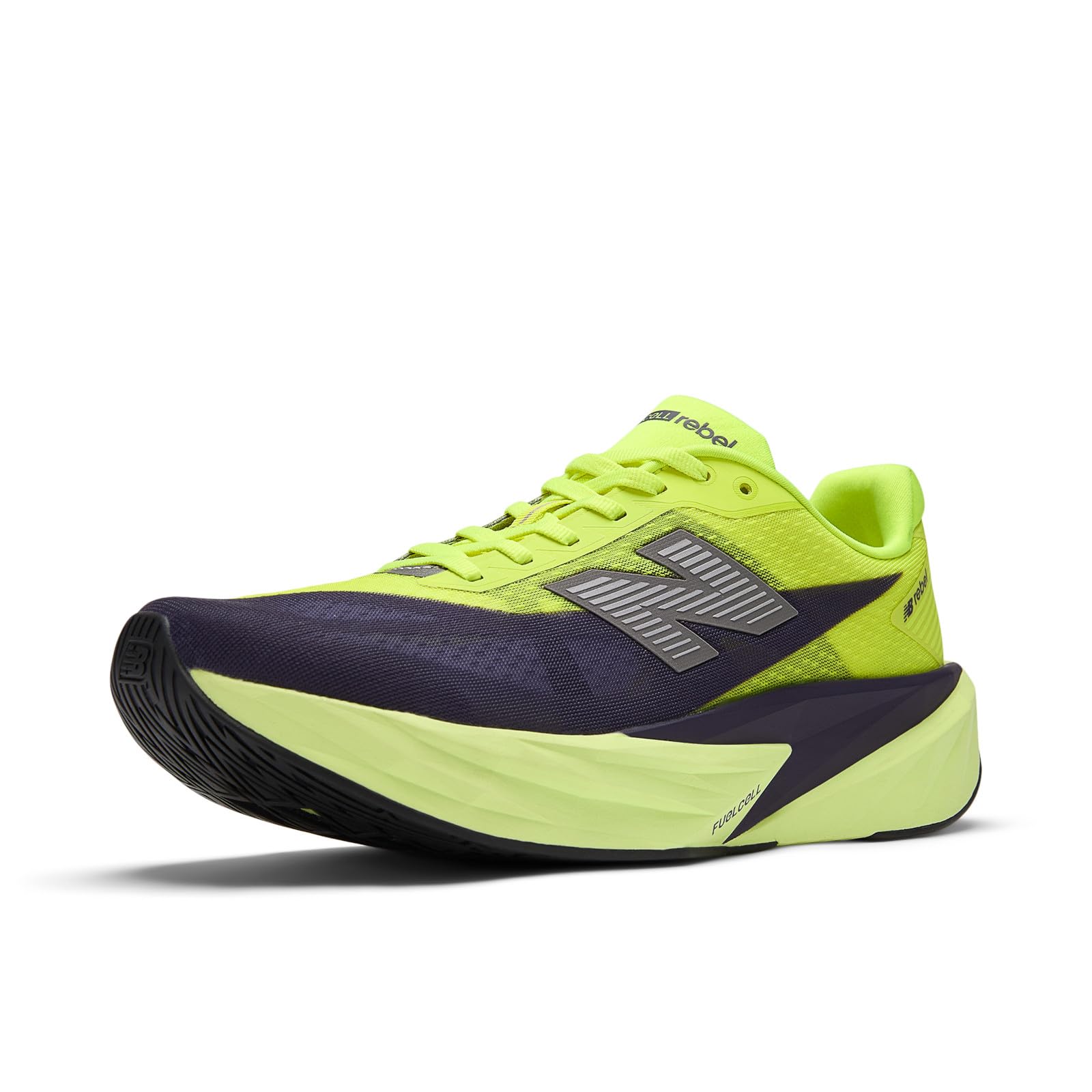
The FuelCell Rebel V5 is New Balance’s performance daily trainer aimed at runners who want a responsive, springy ride without a carbon plate. The FuelCell foam delivers a high-energy return that feels propulsive on tempo runs and faster intervals. One reviewer logged multiple 6-9 mile runs in the first month and praised the shoe’s balance of lightness and support.
The engineered mesh upper is extremely lightweight and breathable, and the shoe fits true to size with enough volume to accommodate thin orthotics. The outsole uses a segmented rubber layout that saves weight while providing adequate grip on dry roads. Users transitioning to faster paces found the stack height high but stable, giving a “cloud-like ride” with decent ground feel.
The tongue is snug and requires a brief break-in period before it softens. Durability is the main question — the FuelCell foam compresses faster than denser EVA blends, and long-term wear data is still emerging. For runners primarily doing speed workouts or shorter races, the Rebel V5 is excellent, but it may wear faster as a daily trainer for beginners logging high weekly mileage.
Why it’s great
- High-energy FuelCell foam for responsive, fast rides
- Very lightweight and breathable mesh upper
- Fits orthotics securely without lifting heel
Good to know
- Snug tongue requires short break-in period
- Foam compresses faster than denser EVA competitors
FAQ
Should I buy stability or neutral shoes as a beginner?
How much cushion is too much for a new runner?
Can I use beginner running shoes for daily walking too?
How often should I replace my first pair of running shoes?
Final Thoughts: The Verdict
For most users, the best beginner running shoes winner is the Brooks Revel 8 because it combines a forgiving 30mm stack, proven BioMoGo DNA cushion, and a lightweight build tested over hundreds of miles by real runners. If you want plush premium impact absorption for long distances, grab the Asics Gel-Cumulus 27. And for high-mileage training on a budget, nothing beats the roomy, comfortable Under Armour Charged+ Assert 11.

Mo Maruf
I created WellFizz to bridge the gap between vague wellness advice and actionable solutions. My mission is simple: to decode the research and give you practical tools you can actually use.
Beyond the data, I am a passionate traveler. I believe that stepping away from the screen to explore new environments is essential for mental clarity and physical vitality.