Our readers keep the lights on and my smoothie glass nicely filled. As an Amazon Associate, I earn from qualifying purchases.
Finding a single pair of boots that can withstand a 10-hour concrete shift and still scramble over wet granite on a weekend is the holy grail for anyone who lives between the jobsite and the trail. The wrong compromise leaves you with soggy feet, rolled ankles, or a sole that delaminates before the first paycheck clears.
I’m Mohammad Maruf — the founder and writer behind WellFizz. I’ve spent months cross-referencing ASTM safety ratings, waterproof membranes, Vibram compound data, and hundreds of verified owner wear-test reports to separate the true dual-purpose contenders from the marketing gimmicks.
Whether you’re carrying tools or a summit pack, this guide cuts through the noise to deliver the definitive list of the best boots for work and hiking, ranked by real-world durability, safety compliance, and all-day comfort performance.
How To Choose The Best Boots For Work And Hiking
A boot that excels in the warehouse but fails on a muddy descent is useless—and vice versa. You need a boot that hits three specific performance zones: on-site safety compliance, off-trail traction, and the sort of cushioning that keeps you fresh from punch-out to peak bagging.
Safety Toes That Don’t Sabotage Your Stride
Steel toes transfer cold and add weight that fatigues your stride on long hikes. Look for composite or carbon fiber toes rated to ASTM F2413 standards. They meet OSHA requirements while shaving ounces off each foot, plus they won’t set off metal detectors or conduct temperature in winter.
Dual-Environment Traction Patterns
Jobsite soles prioritize slip resistance on oil, grease, and smooth concrete. Hiking soles need aggressive lugs for mud, scree, and wet rock. The best hybrid boots use a rubber compound like Vibram with self-cleaning lugs that maintain purchase on steel decks and loose trail alike.
Waterproofing That Breathes
A waterproof membrane is essential for creek crossings and rainy job sites, but cheap waterproofing turns your boots into saunas. Look for a rated membrane like Gore-Tex or KEEN.DRY that offers a balance between moisture exclusion and vapor permeability so your feet don’t prune by lunch.
Cushioning For Concrete And Boulder Fields
Hard job site floors demand high-rebound midsoles that absorb shock without bottoming out. Trail hiking requires stability and energy return. Ethylene-vinyl acetate (EVA) midsoles are lightweight, while polyurethane (PU) midsoles are denser and last longer. Many premium boots layer both for the best of each world.
Quick Comparison
On smaller screens, swipe sideways to see the full table.
| Model | Category | Best For | Key Spec | Amazon |
|---|---|---|---|---|
| Merrell Moab 3 8″ Tactical Zip | Tactical | All-day wear & easy on/off | 8″ shaft, side zip, Vibram outsole | Amazon |
| KEEN Targhee 4 Mid | Hiking | Aggressive trail & light duty | KEEN.DRY, PFAS-free leather | Amazon |
| ARIAT Turbo 6″ Carbon Toe | Work | Heavy industrial & hiking | Carbon toe, waterproof, 3.1 lbs | Amazon |
| New Balance Calibre Composite Toe | Work | Industrial & easy mobility | Composite toe, EH rated, side zip | Amazon |
| Danner Fullbore 4.5″ | Tactical | Hot weather & rugged terrain | Vibram outsole, 4.5″ shaft | Amazon |
| Puma Safety Conquest Composite Toe | Work | Budget work site & trail | Composite toe, EH rating, side zip | Amazon |
| Timberland White Ledge Mid | Hiking | Casual hike & light work | Waterproof, rubber sole | Amazon |
| Columbia Konos TRS Outdry | Hiking | Day hikes & wet conditions | Outdry membrane, 20+ mile tested | Amazon |
| Merrell Accentor 3 | Hiking | Comfort-focused day hikes | Lightweight, roomy toe box | Amazon |
In-Depth Reviews
1. Merrell Moab 3 8 Inch Tactical Zip Waterproof Boot

The Merrell Moab 3 Tactical Zip takes everything that made the Moab a trail legend and adds an 8-inch shaft with side-zipper convenience, making it the single most versatile boot for the work-hike crossover. Owners report solid ankle support and lightweight feel even after logging serious mileage on both pavement and wooded terrain. The Vibram outsole provides confident grip across wet grass, loose gravel, and concrete floors without feeling too aggressive for indoor settings.
Multiple long-term testers confirm the boot holds up well past 50 kilometers with no delamination or tread wear, though a few noted the waterproofing is adequate for rain and puddles but will wet through during deep stream crossings. The side zipper is a genuine time-saver for quick changes, but you still need to partially unlace to get a snug fit. The Moab 3 runs slightly large, especially in wide sizing, so expect to size down half a step for a locked-in heel.
The main trade-off is heat: the waterproof lining makes this a poor choice for summer hikes or hot warehouse floors. Several owners describe it as “extremely hot” and wish Merrell offered a non-waterproof ventilated version. For shoulder-season work and hiking in cooler climates, this is the most capable all-in-one boot in the lineup.
Why it’s great
- 8-inch shaft provides genuine ankle support on uneven terrain
- Side zipper enables fast entry and exit without fully unlacing
- Lightweight build for a tactical-height waterproof boot
Good to know
- Runs large; most buyers need to size down half a step
- Waterproofing fails during full submersion in streams
- Insulated design traps heat in warm weather
2. KEEN Men’s Targhee 4 Mid Height Waterproof Hiking Boots
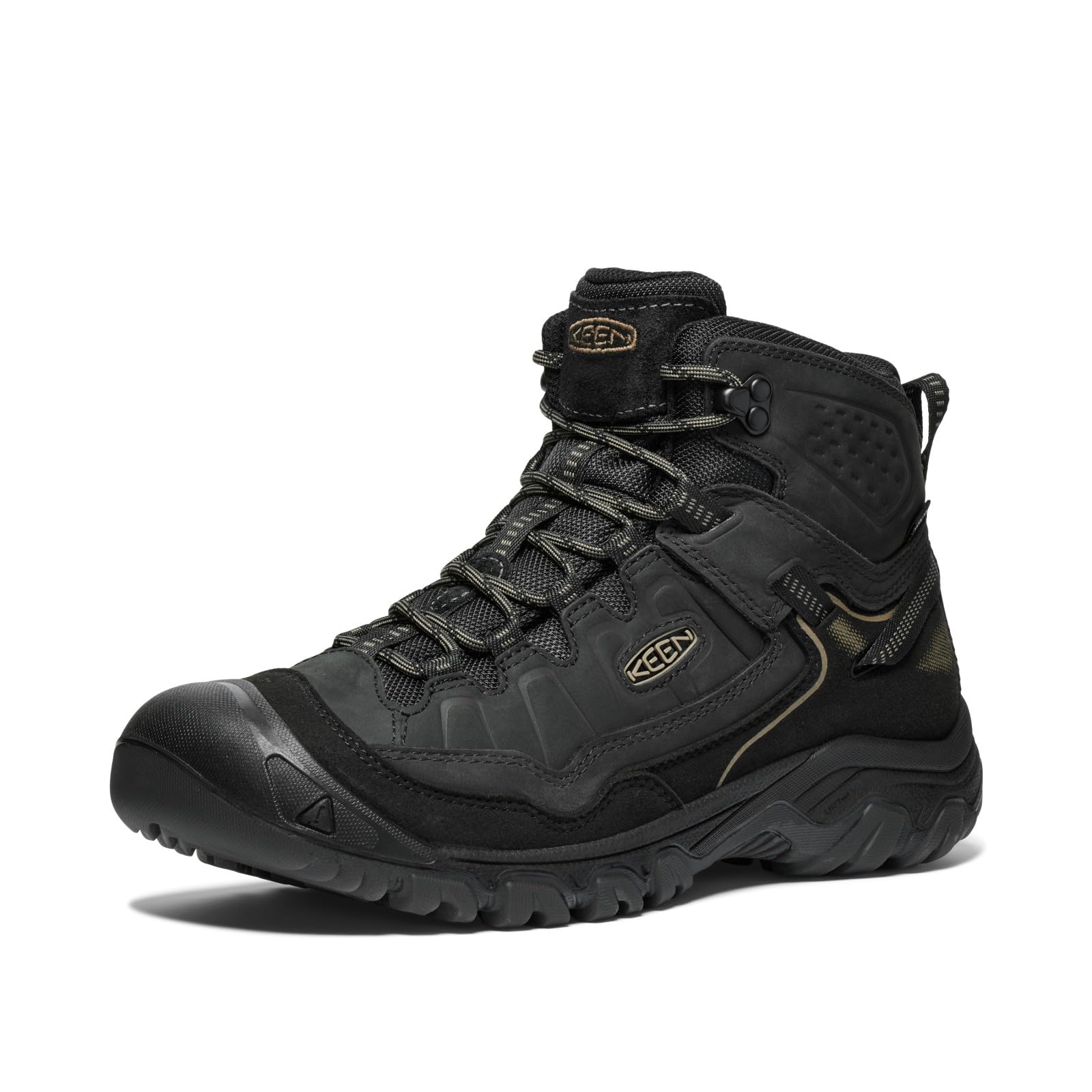
KEEN’s Targhee 4 continues the line’s reputation for out-of-box comfort and a generous toe box that accommodates bunions and wide feet without slipping in the heel. The mid-height cut offers solid lateral stability for scrambles and side-hilling, while the KEEN.DRY waterproof membrane keeps feet dry through wet grass and shallow puddles without the oppressive heat of cheaper liners. Owners tackling the southern Rockies report the boot handles sharp rocks and elevation gain with no blister issues straight out of the box.
The PFAS-free leather and eco-friendly construction are a genuine differentiator for buyers concerned about environmental toxins, and the non-marking rubber outsole performs well on both trail and smooth floors without leaving black scuffs. Several long-term owners noted a minor stitching inconsistency on the exterior of one boot, though this did not affect performance or waterproof integrity.
The Targhee 4 is not a safety-toe boot, so it cannot replace a composite toe on regulated job sites. It’s best suited for tradespeople who can wear non-rated footwear on site or for those who need a pure hiking boot that can handle occasional light-duty work around the property. The mid-height cuff may feel restrictive for wearers who prefer a lower ankle profile.
Why it’s great
- Roomy toe box eliminates pinch points without sacrificing heel lock
- KEEN.DRY membrane balances waterproofing with breathability
- PFAS-free leather construction appeals to eco-conscious buyers
Good to know
- No safety toe rating limits job site compliance
- Minor quality variance reported on exterior stitching
- Mid-height ankle collar may feel tall for some users
3. ARIAT Men’s Turbo 6″ Waterproof Carbon Toe Work Boots

The ARIAT Turbo is the boot that working professionals keep coming back to, with multiple owners reporting two years of heavy daily use before the uppers give out. The carbon toe meets ASTM F2413 standards while adding minimal weight, and the waterproof construction handles rain, mud, and chemical spills in industrial plant settings. Owners working 50–60 hour weeks in paint and solvent environments praise the Turbo for keeping feet dry and protected without the fatigue of heavier steel-toe alternatives.
The boot requires a short break-in period, with some wearers reporting minor ankle chafing during the first few days. Sizing runs large; several reviewers sized down a full step from their sneaker size, especially when opting for the wide width. The outsole provides excellent grip on dry surfaces, but multiple owners warn that the tread patterns lack bite on ice and snow, making the Turbo a fair-weather crossover boot for winter hiking.
For buyers who need a safety-rated boot that can handle a summit hike after the whistle blows, the ARIAT Turbo delivers the best durability-to-weight ratio in the premium tier. The lack of an 8-inch option is the most common complaint from those who desire extra ankle support on technical terrain, but the 6-inch shaft is more than adequate for moderate trails and worksite mobility.
Why it’s great
- Carbon toe meets ASTM F2413 while keeping weight low
- Worksite-proven durability averaging two years of daily use
- Comfortable for 50-60 hour work weeks straight out of box
Good to know
- Tread lacks grip on ice and compacted snow
- Sizing runs large; size down a full step from sneakers
- Only available in 6-inch shaft height
4. New Balance Calibre Composite Toe Work Boots for Men
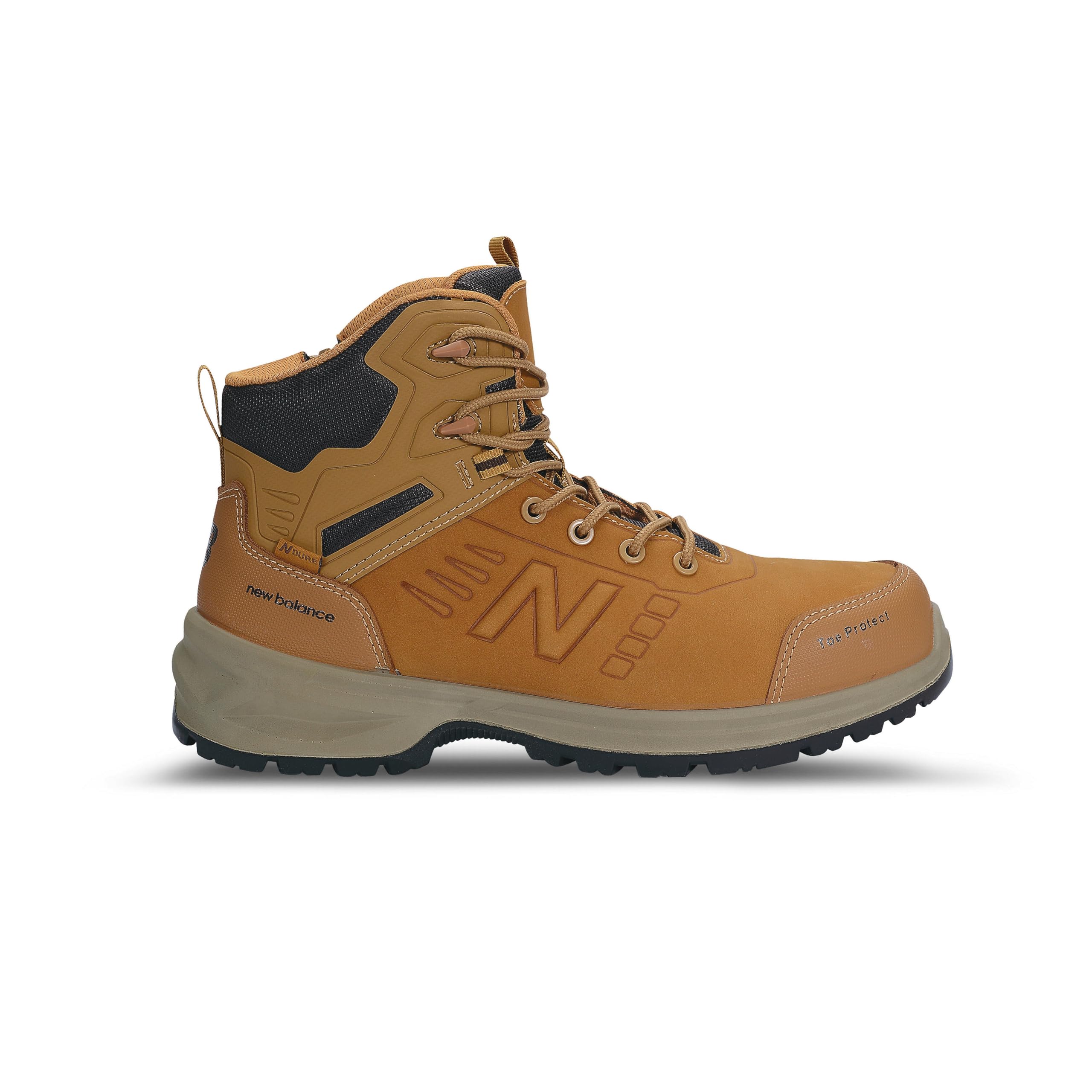
New Balance brings its sneaker-cushioning expertise to the work boot category with the Calibre Composite Toe, a boot that feels noticeably lighter and more responsive than traditional work boots at the same price point. The composite toe meets ASTM F2413 and EH (Electrical Hazard) ratings, making it suitable for construction sites and industrial environments. Owners in warehouse and maintenance roles report the wider toe box reduces pressure points during 10-hour shifts, and the side zipper allows quick removal during breaks without fully unlacing.
The boot’s Achilles heel is long-term durability: several reviewers noted the leather scuffs easily and the insoles require replacement within a few months for maximum comfort. The lace system uses traditional eyelets rather than speed hooks, which slows down lacing adjustments. Breathability is poor due to the waterproof liner, and the boot runs wide, requiring thick socks or a size down for narrower feet.
For a value-conscious buyer who needs a rated composite toe that feels like a sneaker, the Calibre is a strong mid-range contender. It’s best suited for indoor work environments and moderate hiking, but the softer materials and average tread wear mean it won’t hold up to heavy labor or aggressive off-trail use as long as premium alternatives.
Why it’s great
- Composite toe and EH rating for job site compliance
- Snug side zipper for quick on and off
- Lightweight feel with sneaker-like cushioning
Good to know
- Leather scuffs easily with daily use
- Poor breathability; feet get hot quickly
- Laces lack speed hooks for quick tightening
5. Danner Men’s Fullbore 4.5″ Military and Tactical Boots

The Danner Fullbore 4.5″ is purpose-built for hot weather tactical use, making it an excellent choice for summer work shifts and warm-weather hiking where waterproof heat traps are unbearable. The upper is highly breathable, and the Vibram midsole and outsole combination provides excellent energy return and slip resistance on dry surfaces. Owners with prior ankle surgeries praise the boot’s support without adding restrictive weight, and the low-profile 4.5-inch shaft allows natural ankle flexion during walking and climbing.
The boot’s comfort zone narrows significantly when the mercury drops: the lack of insulation and waterproofing means cold morning dew and chilly puddles will soak feet quickly. The toe box is initially tight for wide-footed users, though the upper breaks in to a more accommodating fit after several wears. Several owners report the inner sole edge protrudes near the stitching, requiring a simple trim to eliminate irritation.
The Danner Fullbore is an exceptional option for anyone who works outdoors in warm climates and needs a boot that vents heat effectively while providing Danner-level durability. It lacks the safety ratings required for OSHA-regulated job sites, so it’s best paired with a separate pair of composite toe boots for days when site compliance is mandatory.
Why it’s great
- Superior breathability for hot weather and high-output hiking
- Vibram outsole provides long-lasting traction on mixed terrain
- Lightweight build with excellent ankle support for rehabilitation
Good to know
- No waterproofing; unsuitable for wet or cold conditions
- Toe box fits snug for wide-footed users before break-in
- Requires aftermarket insole modification for some users
6. Puma Safety Men’s Conquest Waterproof Composite Toe EH Side Zip Work Boot
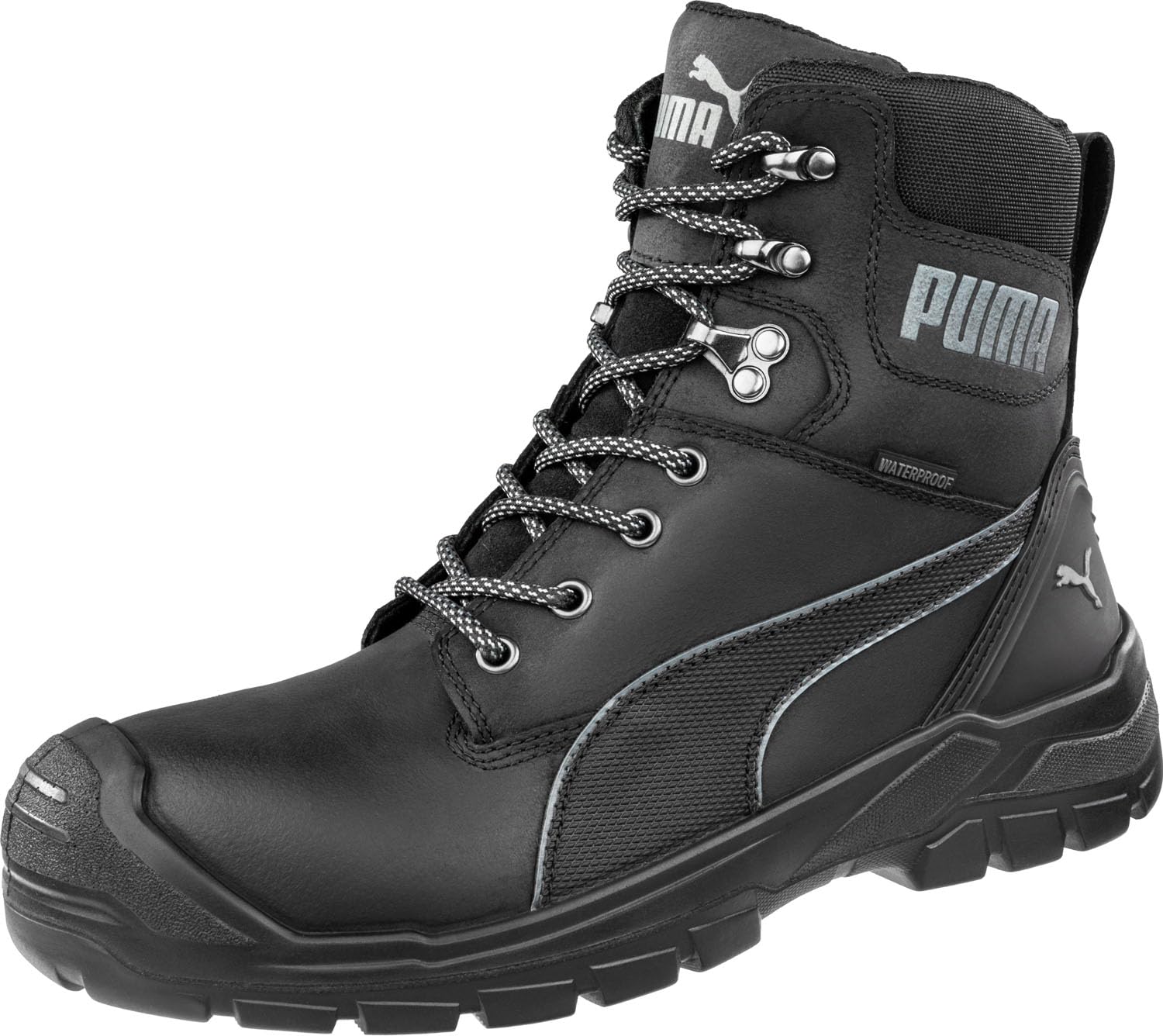
The Puma Safety Conquest delivers a composite toe, EH rating, and waterproof construction at an entry-level price that undercuts most competitors by a significant margin. Owners working 10-hour days in mud, snow, and rain report the boot keeps feet dry and toes comfortable without the cold transfer of steel toe alternatives. The side zipper is a genuine convenience, allowing one-handed removal that holds up after eight months of daily use according to construction worker reviews.
The value comes with trade-offs in long-term durability: the inner lining can tear at the Achilles area within months, and the tread wears noticeably faster than premium options like the ARIAT Turbo. Multiple owners with 15+ years of boot experience note that Ariats last about 33% longer for a larger upfront investment, making the Conquest a smart short-term budget solution rather than a five-year commitment.
Sizing is a common pain point—buyers consistently recommend going up at least half a size, and some report needing a full size larger than their normal street shoe. The boot is fairly lightweight for a composite toe and looks sleek enough for casual wear, but the limited tread life means it’s best reserved for flat terrain hiking and indoor worksites where aggressive traction isn’t critical.
Why it’s great
- Composite toe and EH rating at a budget-friendly entry point
- Side zipper simplifies daily on/off routine
- Waterproof construction handles wet work conditions well
Good to know
- Inner lining wears through at Achilles within several months
- Tread wears faster than premium work boot alternatives
- Significant sizing variance; order a half to full size up
7. Timberland Men’s White Ledge Mid Waterproof Hiking Boots

The mid-height shaft provides decent stability for casual trails and light work around the property, and the rubber outsole offers good grip on dry rock, grass, gravel, and even snow and ice with careful footing. Owners consistently praise the large toe box and the boot’s ability to keep feet dry and warm in winter without overheating in summer.
Durability is the White Ledge’s weak point: the leather requires regular mink oil treatment and careful drying to maintain waterproofing, and the boot is not designed for daily wet wear without rotation. Ankle support is adequate for easy hiking and fields but insufficient for technical terrain or heavy loads. Several owners noted the boots run large and recommend sizing down half a step for a secure fit.
For someone who wants a single boot for casual weekend hikes and light landscaping, the White Ledge offers solid value. It lacks the safety ratings for regulated job sites and the toughness for daily work-boot abuse, but its comfort-to-price ratio makes it an honest contender for the occasional outdoor worker and recreational hiker.
Why it’s great
- Spacious toe box reduces pressure points on long descents
- Rubber outsole performs well across varied terrain types
- Seasonally versatile; warm in winter, breathable in summer
Good to know
- Leather requires regular conditioning to maintain waterproofing
- Ankle support is insufficient for technical or loaded hikes
- Runs large; most buyers benefit from sizing down half a step
8. Columbia Konos TRS Outdry
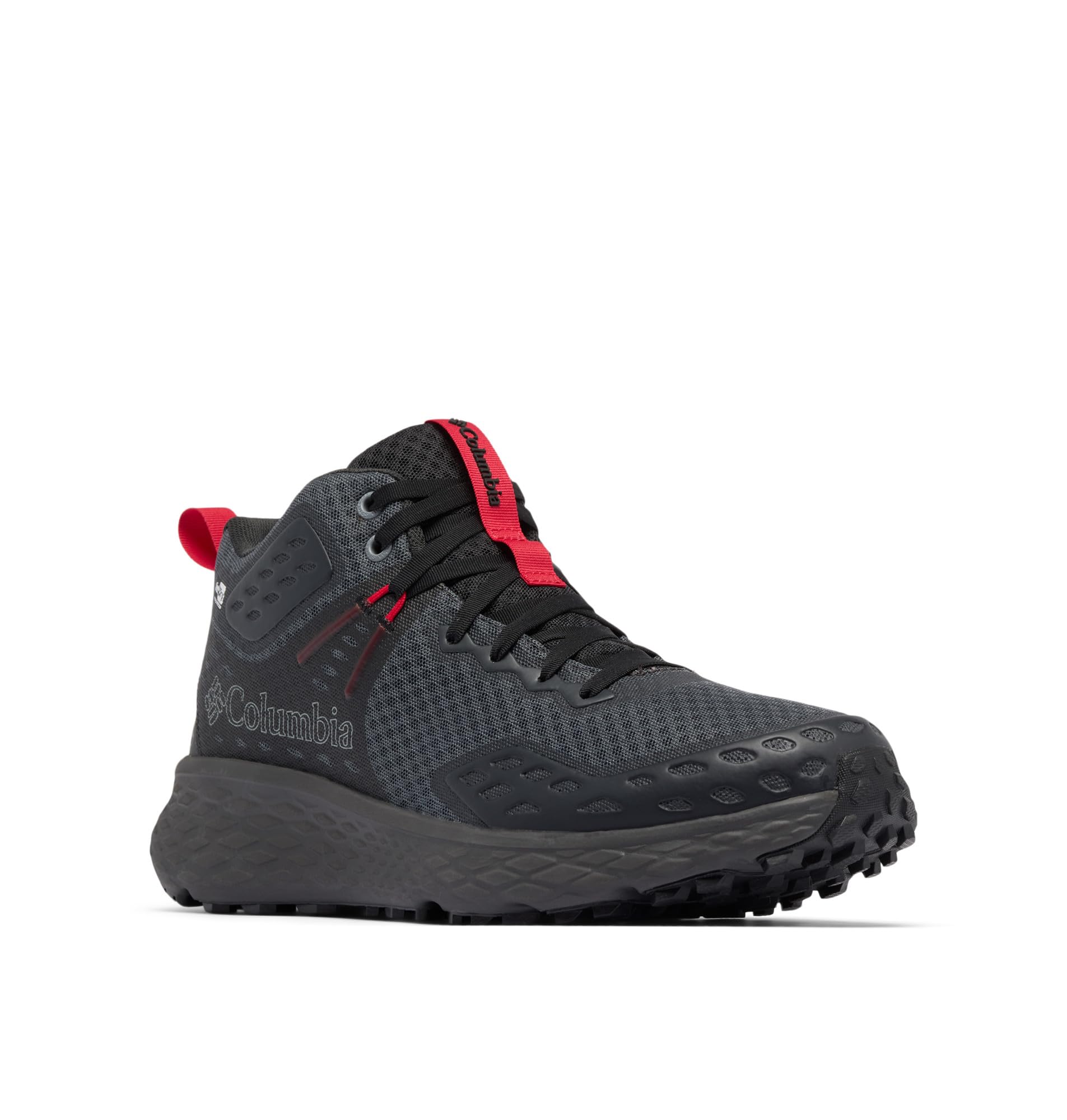
The Columbia Konos TRS Outdry is a lightweight hiking boot that delivers impressive out-of-box comfort, with a roomy toe box, solid arch support, and heel cushioning that supports all-day walking. One reviewer weighing 300 pounds completed a 20-mile hike without a single blister, a testament to the boot’s cushioning and fit consistency. The Outdry waterproof membrane keeps feet dry through rain and puddles, though the boot runs warm, making wicking socks a necessary pairing for warmer hikes.
Traction on steep terrain is reliable, and the boot remains stable on loose surfaces. The most frequently cited annoyance is a loud squeaking sound from the tongue or insole area, which owners in quiet work environments like veterinary hospitals find disruptive. The outsole tread is aggressive enough for hiking but may pick up mud and debris that carries onto job site floors.
The Konos TRS is a strong hiking-first boot that can pull light worksite duty. It lacks safety toe ratings, so it’s not appropriate for OSHA-regulated environments, but for anyone who spends 90% of their day on trails and 10% on light tasks, this is one of the most comfortable options in the mid-range tier.
Why it’s great
- Exceptional out-of-box comfort with roomy toe box and arch support
- Outdry membrane provides reliable waterproofing in wet conditions
- Lightweight build supports high-mileage days without fatigue
Good to know
- Users report a loud squeaking noise during walking
- Runs warm; needs wicking socks to manage moisture
- Not suitable for regulated job sites without safety toe
9. Merrell Men’s Accentor 3 Hiking Shoe
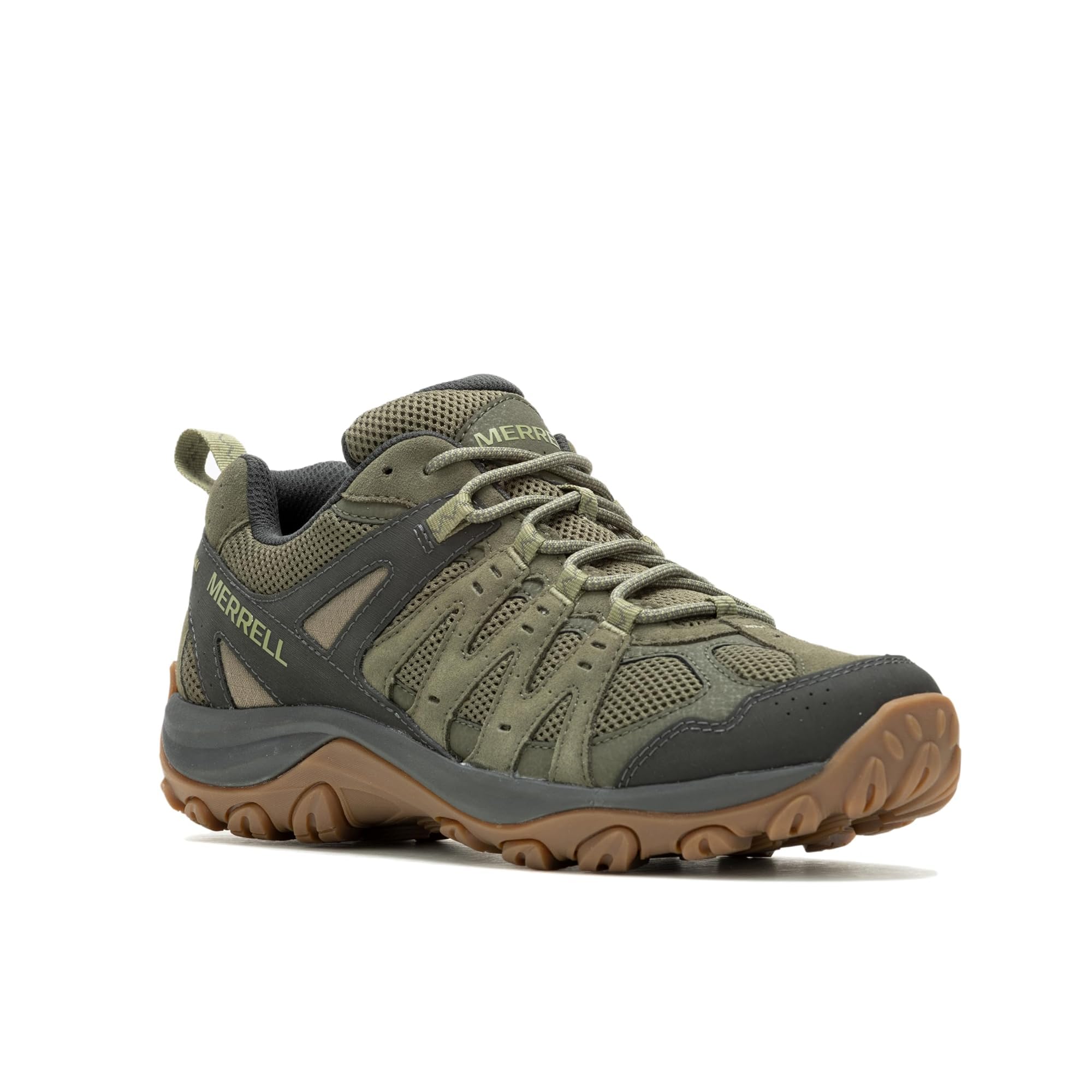
The Merrell Accentor 3 is a low-top hiking shoe that prioritizes lightweight comfort and quick break-in for the everyday user. Owners walking over 100 miles per month report consistent comfort, support, and fit across multiple pairs, with several buyers on their fourth or fifth iteration of the Accentor line. The roomy toe box is a standout feature for those with wider feet, and the cushioning holds up well on long days standing on concrete floors in machine shop environments.
The low-cut design means minimal ankle support—this is a hiking shoe, not a boot, and it’s best suited for well-groomed trails and worksites that don’t require ankle coverage or safety toe protection. Traction is good on dry dirt and wet rocks but not aggressive enough for deep mud or loose scree. Some repeat Merrell buyers note that the Accentor 3 runs slightly wider than previous models, which is a plus for wide-footed users but may feel loose for narrow-footed wearers.
For someone whose work and hiking both happen on forgiving terrain and doesn’t require OSHA-rated gear, the Accentor 3 is a durable, comfortable, and budget-friendly option. It’s a shoe, not a boot, so it fills the lightest end of the work-hiking spectrum, but its reliability and low price make it a worthy entry point for casual crossover use.
Why it’s great
- Proven durability across 100+ monthly miles for repeat buyers
- Roomy toe box accommodates wide feet without heel slip
- Quick break-in period with minimal rubbing or hot spots
Good to know
- Low-top design provides minimal ankle support
- No safety toe or waterproofing for job site compliance
- Slightly wider fit may not suit narrow-footed users
FAQ
Can I wear composite toe boots on long day hikes?
How do I waterproof work boots without ruining breathability?
What does EH rating mean for a work-and-hike boot?
How should work-and-hike boots fit compared to sneakers?
Final Thoughts: The Verdict
For most users, the boots for work and hiking winner is the Merrell Moab 3 8 Inch Tactical Zip because it blends an 8-inch safety height, side zip convenience, and trail-proven Vibram traction into a single do-it-all package. If you need an ASTM-rated safety toe for job site compliance, grab the ARIAT Turbo Carbon Toe. And for warm-weather hiking with tactical-grade durability, nothing beats the Danner Fullbore 4.5.

Mo Maruf
I created WellFizz to bridge the gap between vague wellness advice and actionable solutions. My mission is simple: to decode the research and give you practical tools you can actually use.
Beyond the data, I am a passionate traveler. I believe that stepping away from the screen to explore new environments is essential for mental clarity and physical vitality.