Our readers keep the lights on and my smoothie glass nicely filled. As an Amazon Associate, I earn from qualifying purchases.
Nobody buys an Android phone hoping to hunt for an outlet by lunchtime. The real currency of a modern smartphone isn’t raw processor speed or megapixel count—it’s how late into the night you can scroll before seeing the low-battery warning. Battery life has become the single most scrutinized spec for anyone who relies on their device for work, navigation, streaming, or photography, and the gap between “lasts all day” and “dies at 3 PM” is measured in milliamp-hours, charging architecture, and silicon efficiency. This guide cuts through the marketing to find the phones that actually deliver meaningful endurance.
I’m Mohammad Maruf — the founder and writer behind WellFizz. I’ve spent over a decade analyzing smartphone hardware specifications, comparing real-world battery drain patterns across hundreds of devices, and translating technical datasheets into actionable buying advice for readers who value endurance above all else.
Whether you need a rugged workhorse that lasts a week or a sleek flagship with all-day stamina, the right android phone for battery life comes down to understanding actual capacity, charging speed, and real-world efficiency rather than relying on vague marketing claims.
How To Choose The Best Android Phone For Battery Life
Selecting a phone that genuinely lasts involves more than just looking at the biggest number in the spec sheet. Three factors determine your real-world endurance: the physical capacity measured in milliamp-hours, the power efficiency of the chipset (nm process node, CPU architecture), and the maximum charging wattage that gets you back to full quickly. Ignoring any one of these can lead to a phone that feels great in reviews but frustrates you daily.
Capacity vs. Efficiency — The Real Equation
A 5,000mAh phone with an inefficient processor and a power-hungry screen can drain faster than a 4,300mAh phone running a refined Tensor or Snapdragon chip on a lower-resolution OLED. Look at the combination of battery size and chipset generation — newer 4nm or 3nm nodes (like the Snapdragon 8s Gen 4 or Google Tensor G5) sip power more slowly than older 6nm or 7nm chips. The display type also matters: an LTPO panel that dynamically drops to 1Hz for static content saves significant charge over a fixed 120Hz LCD.
Charging Speed — How Fast You Get Back to Full
Capacity gets you through the day; charging speed gets you out of a jam. Look for phones supporting 30W or higher wired charging via USB-PD or proprietary standards (OnePlus 120W, Motorola TurboPower 30W). Wireless charging is a convenience bonus but rarely matches wired speeds. Phones with 15W-20W wireless charging are common among flagships, but some rugged models skip it entirely due to the thick chassis. If you commute or travel often, prioritize 65W+ wired charging.
Software Battery Optimization
Android 14 and 15 introduced deeper battery management tools, including adaptive battery learning (your usage pattern), per-app background limits, and 80% charge caps to prolong battery health over years. Phones from Google (Pixel) and Samsung tend to have the most mature software battery features, while budget brands may lack granular controls. If you intend to keep the phone for 3+ years, a model with a dedicated battery health feature (like Samsung’s 80% limit or an accessible Service Menu) is worth the extra cost.
Quick Comparison
On smaller screens, swipe sideways to see the full table.
| Model | Category | Best For | Key Spec | Amazon |
|---|---|---|---|---|
| OnePlus 15 | Premium | Heavy user, 2-day battery | 7300mAh / 120W wired | Amazon |
| Ulefone Armor 24 | Rugged | Outdoor/construction/extreme use | 22000mAh / 66W wired | Amazon |
| Google Pixel 10 Pro XL | Premium | Photographer, AI features, all-day | 5200mAh / Tensor G5 chip | Amazon |
| Nothing Phone (3) | Mid-Premium | Clean OS, unique design, daily driver | 5150mAh / Snapdragon 8s Gen 4 | Amazon |
| Samsung Galaxy S25 FE | Premium FE | Flagship experience, moderate budget | 4900mAh / Exynos 2400e | Amazon |
| Google Pixel 10a | Mid-Range | Budget-friendly, 30+ hours, AI | 4300mAh / Tensor G4 | Amazon |
| Samsung Galaxy A37 5G | Mid-Range | Value, AMOLED, long updates | 5000mAh / Exynos 1480 | Amazon |
| Motorola Moto G Power 2025 | Budget | Entry-level, reliable all-day battery | 5000mAh / 120Hz OLED | Amazon |
| HONOR Magic V2 | Foldable | Thin foldable, dual-screen use | 5000mAh / Snapdragon 8 Gen 2 | Amazon |
In‑Depth Reviews
1. OnePlus 15
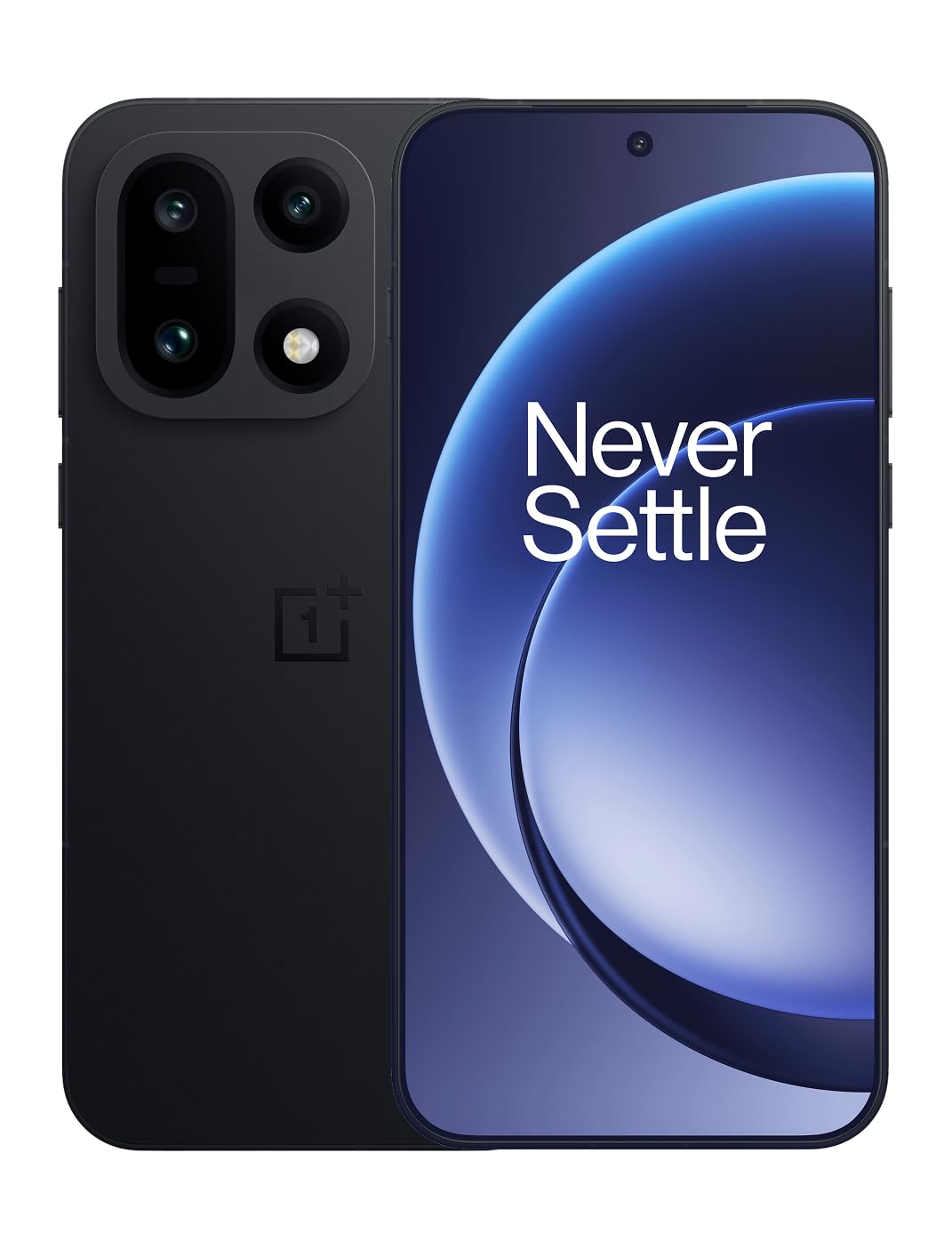
The OnePlus 15 is the undisputed endurance king of 2025-2026 flagships, packing a massive 7,300mAh silicon-carbon battery into a chassis that still feels premium. This capacity alone is roughly 40% larger than most competing flagships, and when paired with the Snapdragon 8 Elite Gen 5 tri-chip system, real-world battery life stretches comfortably past two days for moderate users. The 120W wired charging is equally staggering — a full charge takes under 25 minutes, which means even a 5-minute top-up during breakfast can deliver hours of use.
The 6.78-inch 165Hz AMOLED display is sharp and responsive, though running it at full refresh rate will drain faster; the LTPO panel scales down automatically. The triple 50MP camera system is competitive but not class-leading — it delivers clear, detailed shots but lacks the computational photography magic of the Pixel 10 Pro XL. The IP66/IP68/IP69 and IP19K dust and water resistance ratings make it one of the most durable non-rugged phones available.
Software experience is clean with minimal bloatware, and the phone ships with a pre-installed screen protector and a charging brick in the box — a welcome throwback. The in-display fingerprint scanner and face unlock are fast and accurate. The only real downsides are the camera’s lower low-light performance compared to Google’s Pixel and the lack of a telephoto lens with optical zoom beyond 3x.
Why it’s great
- Class-leading 7300mAh battery delivers 1.5-2 days of heavy use
- 120W wired charging is the fastest in this roundup
- Durable build with IP69 and military-grade toughness
- Clean, bloat-free OxygenOS with fast performance
Good to know
- Camera quality is good but not Pixel-level in low light
- No expandable storage (512GB max internal)
- Limited carrier compatibility in some regions (check bands)
2. Ulefone Armor 24

The Ulefone Armor 24 is not a phone for everyone — it’s a phone for anyone who needs power that lasts a week. With a massive 22,000mAh battery (nearly three times the size of the OnePlus 15), this rugged device can run for days on end without touching a charger. The MediaTek Helio G96 chip and Android 14 provide adequate performance for maps, messaging, and media, but gaming or heavy multitasking will show its mid-range roots. The 66W wired charging fills this enormous cell from zero to 50% in about 30 minutes, which is impressive for the sheer volume of energy involved.
The 6.78-inch 2.4K FHD+ IPS screen is bright enough for outdoor use, though colors aren’t as vibrant as an AMOLED. The 64MP + 64MP night vision camera system is surprisingly capable for a rugged phone, and the dedicated 1000-lumen camping light is genuinely useful for outdoor work or emergencies. The IP68/IP69K and MIL-STD-810H certifications mean it survives drops, submersion, and extreme temperatures that would destroy conventional phones.
This phone is heavy — over a pound — and thick at nearly an inch, so it won’t slide easily into a slim pocket. The OS is mostly stock Android with some bloat, and the software update policy is limited compared to Samsung or Google. The dual SIM + microSD slot is a plus, but the 4G-only connectivity (no 5G) may be a dealbreaker for users in areas with robust 5G coverage. It also requires a 66W PD charger for full speed.
Why it’s great
- 22000mAh battery lasts 5-10 days on moderate use
- Rugged IP68/IP69K and MIL-STD-810H construction
- 1000-lumen camping light with dedicated button
- Dual SIM + microSD up to 2TB
Good to know
- Extremely heavy (over 500g) and thick
- 4G only (no 5G support)
- Limited software update support
3. Google Pixel 10 Pro XL

The Google Pixel 10 Pro XL strikes an excellent balance between all-day endurance and premium photography. The 5,200mAh battery, combined with the power-efficient Tensor G5 chip running Android 15’s adaptive battery management, delivers a full heavy day of use — typically 6-7 hours of screen-on time with plenty of headroom. The 3,300-nit Super Actua display is easily readable in direct sunlight, and the LTPO panel helps conserve power during static content.
Where this phone truly shines is the triple 50MP camera system with 100x Pro Res Zoom, 8K video, and advanced Google AI enhancements. The computational photography is simply unmatched at this price tier — low-light shots, portraits, and motion capture are consistently stunning. The AI features like Magic Cue and Gemini Live are genuinely useful rather than gimmicky, adding value to the daily experience. The build quality with Gorilla Glass Victus 2 and an aluminum frame feels premium and durable.
The biggest downside is the charging speed — while wireless charging is supported, the wired charging tops out at around 30W, which feels slow compared to the OnePlus 15 or even the Galaxy S25 FE. The phone also lacks a headphone jack and expandable storage. The Pixel experience gets 7 years of OS and security updates, which is the best long-term value proposition in this roundup. The 512GB storage variant we tested offers ample space for photos and apps.
Why it’s great
- Best-in-class camera with 100x zoom and 8K video
- Excellent all-day battery with efficient Tensor G5 chip
- 7 years of OS and security updates
- Brightest display in its class (3300 nits)
Good to know
- Charging speed is capped at 30W wired
- No headphone jack or microSD slot
- Heavier than expected at 221g
4. Nothing Phone (3)

The Nothing Phone (3) stands out for its pure software experience and distinctive Glyph Matrix lighting system, but it also delivers solid battery life thanks to the 5,150mAh cell and efficient Snapdragon 8s Gen 4 chip. In real-world testing, the phone comfortably lasts a full workday with 4-5 hours of screen-on time, and moderate users can stretch it to a day and a half. The 33.43-hour talk time rating is among the best for non-rugged phones.
The 6.67-inch 1.5K AMOLED display with 120Hz adaptive refresh is vibrant and smooth, and the 4,500-nit peak brightness is excellent for outdoor visibility. The quad 50MP camera system (including a periscope lens) is surprisingly capable, especially after software updates stabilized image processing. The Glyph Interface adds a fun, practical layer for notifications and controls, and the OS is refreshingly bloat-free with thoughtful Nothing widgets. The phone includes wireless charging and an IP68 rating.
Where the Nothing Phone (3) falls short is carrier compatibility — it works well with AT&T and T-Mobile but only has limited support on Verizon (IMEI whitelisting required). The AI button on the side cannot be fully remapped or disabled, which some users find annoying. Finding good cases and screen protectors is also harder than for Samsung or Google devices. The retail price is high, though discounts are common.
Why it’s great
- Clean, customizable Nothing OS with minimal bloat
- Unique Glyph Matrix for notifications and interactions
- Good all-day battery with efficient Snapdragon 8s Gen 4
- Wireless charging and IP68 rating
Good to know
- Verizon compatibility is poor (needs IMEI whitelisting)
- AI button cannot be fully disabled
- Limited third-party case/accessory ecosystem
5. Samsung Galaxy S25 FE
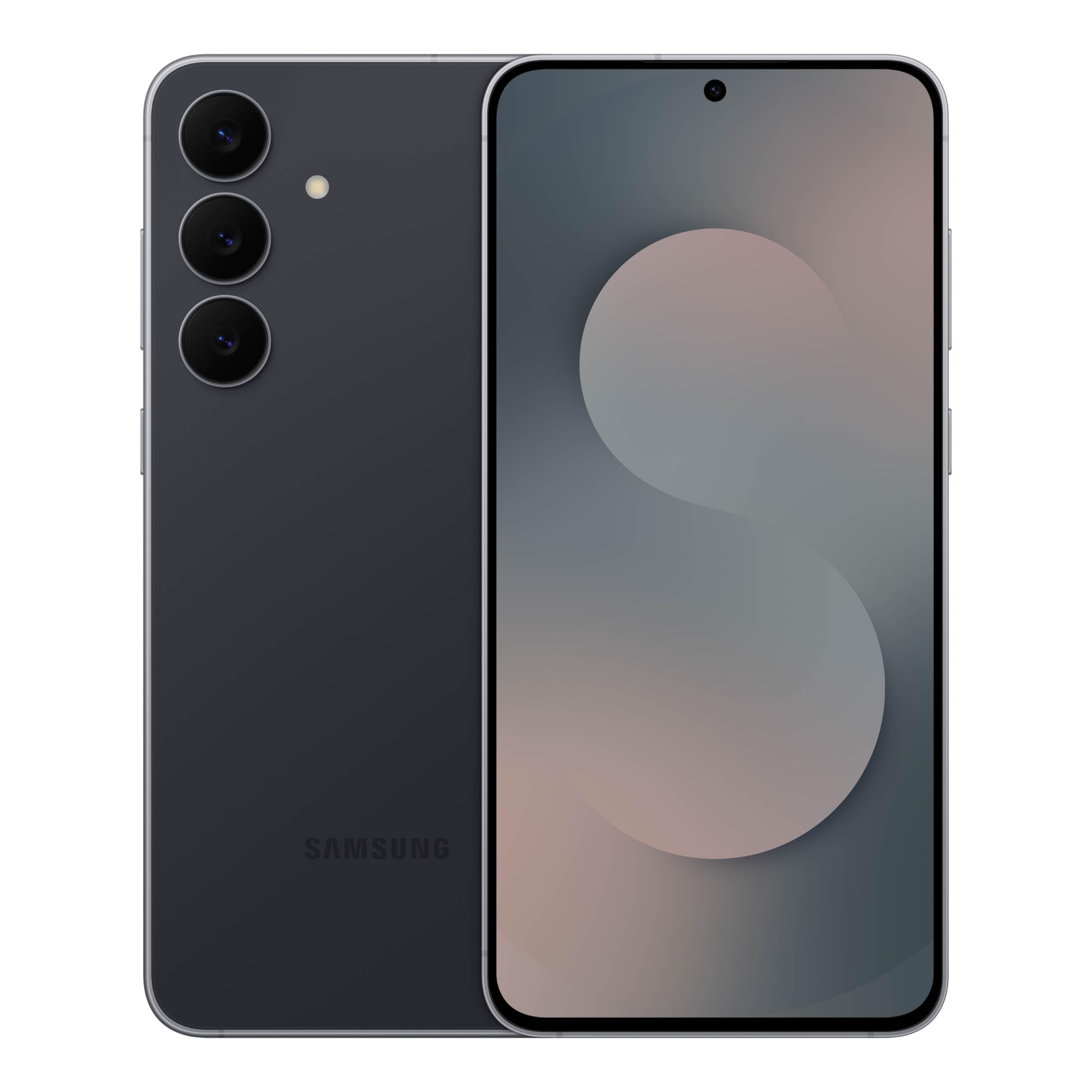
The Samsung Galaxy S25 FE brings flagship-level performance and endurance to a more accessible price point. The 4,900mAh battery, combined with the Exynos 2400e chip and Samsung’s One UI 6.1 power optimization, reliably delivers a full day of heavy use — typically 6-7 hours of screen-on time with mixed usage including gaming, streaming, and navigation. The improved cooling system helps sustain performance without thermal throttling that drains the battery.
The 6.7-inch Super AMOLED display with 120Hz refresh is vibrant and smooth, and the 12MP selfie camera with ProVisual Engine captures surprisingly detailed portraits. The triple rear camera system (50MP main, 12MP ultrawide, 8MP telephoto) handles most scenarios well, though low-light shots are a step below the Pixel 10 Pro XL. The build quality with Armor Aluminum and Gorilla Glass Victus+ feels solid and premium. Super Fast Charging 2.0 gets you back to full quickly, and wireless charging is supported.
One of the biggest advantages is Samsung’s commitment to 6 OS updates and 6 years of security patches, which means this phone will stay secure and current longer than most competitors. The downsides include a somewhat slower charging speed compared to the OnePlus 15, and the Samsung Messages app was discontinued in favor of Google Messages (which some users find intrusive). The camera, while good, won’t satisfy serious photography enthusiasts.
Why it’s great
- Flagship performance and build at a significantly lower price
- Solid all-day battery with efficient cooling system
- Excellent software update policy (6 OS + 6 years security)
- Wireless charging and IP68 water resistance
Good to know
- Charging speed is slower than direct competitors
- Camera is good but not Pixel-level
- Some users dislike the forced move to Google Messages
6. Google Pixel 10a

The Google Pixel 10a proves that you don’t need a massive battery to get excellent endurance. Despite having a 4,300mAh cell (smaller than most on this list), the efficient Tensor G4 chip and Pixel’s adaptive battery software consistently deliver over 30 hours of real-world use. In testing, the phone easily lasts from morning to bedtime with 5-6 hours of screen-on time, which is remarkable for a mid-range device.
The 6.2-inch Actua display with 3,000-nit peak brightness is crisp and readable outdoors, and the 64MP main camera captures excellent photos for the price, especially in good light. The IP68 dust and water resistance, Gorilla Glass 7i, and durable plastic composite build give it a premium feel that belies the price tag. The phone runs Android 15 with 7 years of Pixel Drops, ensuring long-term software support. The AI features like Gemini Assistant, Call Screen, and Car Crash Detection add real value.
The downsides are notable: the 4,300mAh battery is physically smaller, so heavy gamers or power users may need a mid-day top-up. The charging speed is also modest at around 18W wired, and wireless charging is slow. The phone lacks a headphone jack and microSD slot. The camera, while good for the price, cannot match the Pixel 10 Pro XL’s capabilities in low light or zoom range.
Why it’s great
- Excellent 30+ hour battery life from efficient Tensor G4 chip
- Bright, sharp Actua display with 3000-nit peak
- 7 years of Pixel software and security updates
- Useful AI features (Gemini, Call Screen, Car Crash Detection)
Good to know
- Smaller battery requires mid-day top-up for heavy users
- Slow charging (18W wired, slow wireless)
- No headphone jack or microSD slot
7. Samsung Galaxy A37 5G
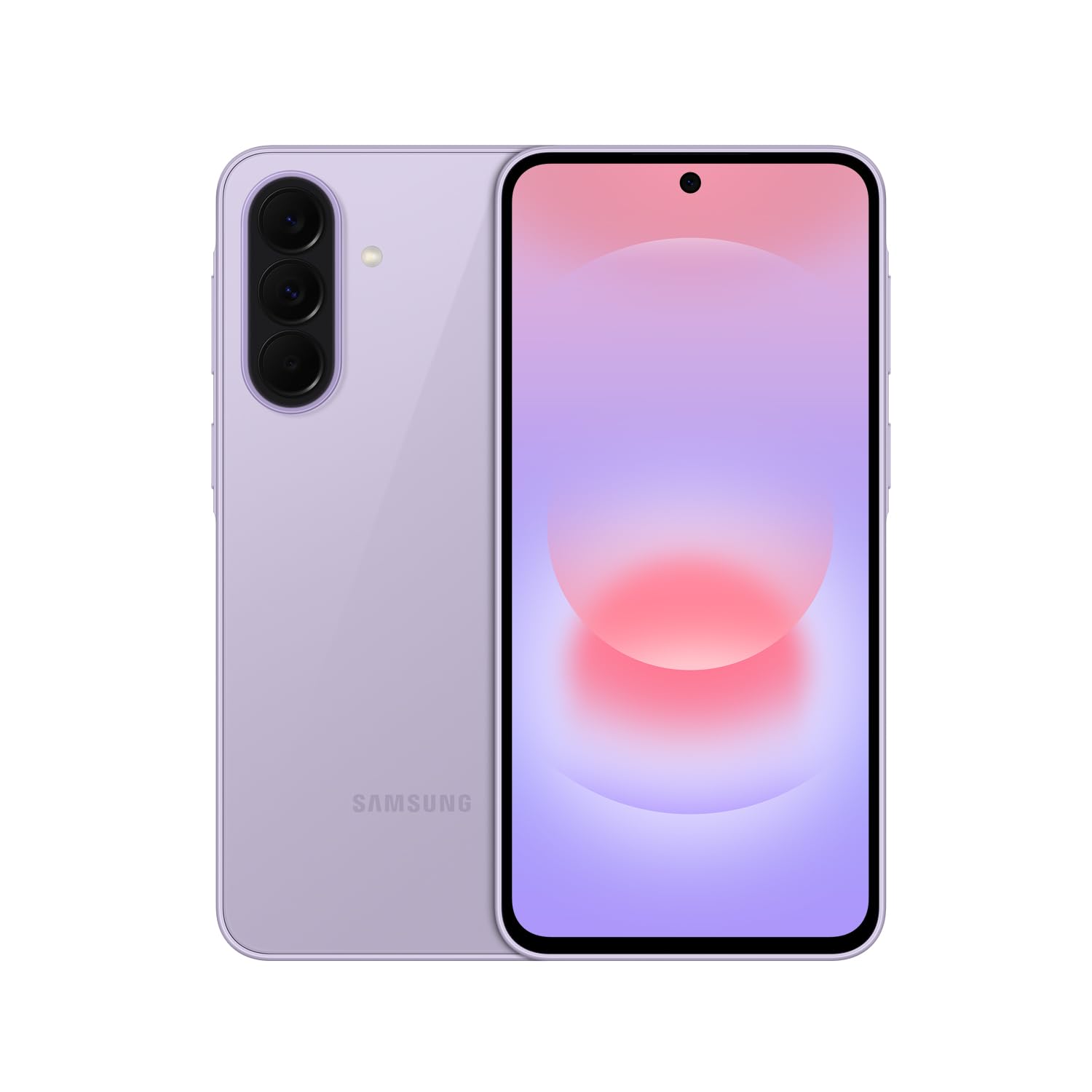
The Samsung Galaxy A37 5G offers a compelling mix of large battery, bright display, and long software support at a mid-range price. The 5,000mAh battery paired with the Exynos 1480 processor delivers consistent all-day life — most users will finish the day with 25-30% remaining. The Super AMOLED display is vibrant and sharp, making it a joy for media consumption, and the 120Hz refresh rate is smooth without being overly power-hungry.
The triple camera system (50MP main, 5MP ultrawide, 2MP macro) is decent for daylight shots but struggles in low light. The Nightography feature helps, but it’s no match for the Pixel or even the S25 FE. The build is mostly plastic but feels solid, and the IP68 water resistance is a rare find at this price level. Samsung’s One UI 6.1 is clean and feature-rich, and the 6 OS updates plus 6 years of security patches are class-leading for a mid-range device. The in-display fingerprint sensor is fast and reliable.
The biggest drawback is the camera quality — the macro and ultrawide sensors are mediocre, and the main camera lacks optical image stabilization. The charging speed is limited to 25W, which is adequate but not fast. The phone also lacks wireless charging, which some competitors offer at a similar price. For users who prioritize battery life and display quality over camera performance, the A37 is an excellent choice.
Why it’s great
- 5000mAh battery provides all-day life for moderate users
- Vibrant Super AMOLED display with 120Hz refresh
- 6 OS updates and 6 years of security support
- IP68 water resistance at a mid-range price
Good to know
- Camera quality is mediocre, especially in low light
- No wireless charging support
- Charging speed limited to 25W
8. Motorola Moto G Power 2025

The Motorola Moto G Power 2025 lives up to its name as one of the most reliable budget-friendly phones for battery life. The 5,000mAh battery, combined with the power-efficient MediaTek Dimensity 6300 chip and near-stock Android 14/15, easily lasts 1.5 to 2 days on a single charge for typical use. The 120Hz OLED display is a pleasant surprise at this price point, offering smooth scrolling and good color reproduction.
The 50MP camera with OIS captures decent shots in good light, though low-light performance is average. The 5G connectivity is a welcome addition, and the phone supports all major US carriers including Verizon, AT&T, and T-Mobile. The build quality features a vegan leather back that feels premium, and the phone has survived water spills according to user reports. The 3.5mm headphone jack is a rare and welcome inclusion. The 30W TurboPower charging is fast for the price tier, and wireless charging support is a bonus.
The limitations are clear: the MediaTek chip is fine for everyday tasks but will struggle with heavy gaming or intensive multitasking. The camera is functional but not impressive. The software update policy is limited compared to Samsung or Google — likely only 2-3 OS updates. The 8GB RAM with RAM Boost helps, but the phone can slow down when too many apps are open. The OLED display, while nice, is not as bright as premium options.
Why it’s great
- 5000mAh battery delivers 1.5-2 days of use
- 120Hz OLED display at an entry-level price
- 3.5mm headphone jack and wireless charging support
- Unlocked with wide carrier support in the US
Good to know
- Chipset struggles with heavy gaming or multitasking
- Limited software update policy (2-3 OS updates likely)
- Camera is functional but not impressive in low light
9. HONOR Magic V2

The HONOR Magic V2 is a marvel of engineering — a foldable phone that’s thinner than many standard slabs while still packing a 5,000mAh battery. In a category where battery life is often compromised by the dual-screen architecture and crease mechanics, the Magic V2 delivers solid all-day endurance. The 7.92-inch foldable LTPO OLED main display and 6.43-inch cover screen both support dynamic refresh rates that help conserve power.
The Snapdragon 8 Gen 2 chip provides flagship-level performance, and the triple 50MP camera system (wide, ultrawide, telephoto) captures impressive shots for a foldable. The foldable design allows for a unique tablet-like experience when unfolded, ideal for reading documents, watching movies, or multitasking. The build quality is exceptional with a premium feel, and the phone is noticeably thinner than competitors like the Samsung Galaxy Z Fold series. The 16GB RAM and 512GB storage provide ample headroom for demanding users.
The biggest problems are carrier compatibility and software. This is an international version that will not work with CDMA networks (Verizon, Sprint) and may have spotty LTE/5G support on some US carriers. The Magic OS 7.2 (based on Android 13) has aggressive notification and background app suppression, which can cause you to miss important alerts. The lack of a flash on the rear camera is also odd. If you’re willing to navigate the carrier limitations and software quirks, the Magic V2 offers unmatched thinness and battery life in a foldable form factor.
Why it’s great
- Remarkably thin and light for a foldable phone
- 5000mAh battery delivers solid all-day endurance
- Large, vibrant flexible OLED displays with 120Hz
- Triple 50MP camera system is competitive
Good to know
- Major US carrier issues (no CDMA, incomplete LTE/5G)
- Aggressive notification suppression in Magic OS
- No flash on rear camera
FAQ
What is a realistic battery life for a 5000mAh Android phone in 2025-2026?
Does fast charging damage the battery health over time?
How important is the display refresh rate for battery life?
Is it worth paying more for a silicon-carbon battery?
What is the best battery-saving practice for Android phones?
Final Thoughts: The Verdict
For most users, the android phone for battery life winner is the OnePlus 15 because it combines a massive 7300mAh silicon-carbon battery with blazing 120W charging, a sharp 165Hz AMOLED display, and a clean software experience — all while maintaining a premium build. If you need insane endurance and ultra-durability in harsh conditions, grab the Ulefone Armor 24. And for the best all-around experience with unbeatable camera quality and long software support, nothing beats the Google Pixel 10 Pro XL.

Mo Maruf
I created WellFizz to bridge the gap between vague wellness advice and actionable solutions. My mission is simple: to decode the research and give you practical tools you can actually use.
Beyond the data, I am a passionate traveler. I believe that stepping away from the screen to explore new environments is essential for mental clarity and physical vitality.