Our readers keep the lights on and my smoothie glass nicely filled. As an Amazon Associate, I earn from qualifying purchases.
Standard training shoes with thick, cushioned heels actually rob you of stability under a heavy barbell, forcing your ankles into compromised positions during squats and deadlifts. A true lifting shoe must keep your foot flat, your weight centered over the midfoot, and your connection to the ground unbroken from the first rep to the last.
I’m Mohammad Maruf — the founder and writer behind WellFizz. I research the biomechanics, sole construction, and material science of training footwear to break down exactly why certain designs enhance bar path and force transfer while others just get in the way.
After digging through seven models across price tiers and analyzing hundreds of verified owner experiences, I found that the right barefoot shoes for lifting must pair a completely flat, low-to-ground outsole with a toe box wide enough to let your toes splay naturally under load.
How To Choose The Best Barefoot Shoes For Lifting
The biggest mistake lifters make when shopping for barefoot training shoes is chasing the thinnest sole possible without considering how the shoe behaves under heavy axial load. A sole that feels great for walking can collapse or squirm during a 1RM squat attempt. You need to balance ground feel with lateral stability, and that starts with understanding three key traits.
Zero-Drop Platform and Sole Thickness
Zero-drop means the heel and forefoot sit at the same height from the ground — typically between 4mm and 8mm of total material. For lifting, the ideal range sits around 5mm to 7mm. Thinner than that and you risk discomfort from knurling or pressure points under heavy loads; thicker than that and you lose the proprioceptive feedback that makes barefoot training effective.
Toe Box Shape and Splay Room
Your foot widens under load as your arches flatten slightly and your toes spread for balance. A narrow toe box pinches this natural splay, shifting your center of gravity and reducing your ability to generate torque through the floor. Look for a shoe that gives your big toe a straight line forward rather than angling it toward the midline.
Outsole Grip and Lacing Security
Rubber compounds vary widely in how they grip gym floors. A tacky, moderately dense rubber prevents micro-sliding during heavy squats and deadlifts. Pair that with a lacing system that locks your heel — integrated heel grippers and an extra top eyelet make a measurable difference in preventing lift-off during dynamic movements.
Quick Comparison
On smaller screens, swipe sideways to see the full table.
| Model | Category | Best For | Key Spec | Amazon |
|---|---|---|---|---|
| Vivobarefoot Primus Lite III | Barefoot | Heavy squats & deadlifts | 5mm sole, zero drop | Amazon |
| Reebok Nano X5 | Cross-Training | Lifting plus explosive movement | Flat sole, wide toe box | Amazon |
| Under Armour TriBase Reign 6 | Training | All-day gym versatility | Zero-drop, flexible sole | Amazon |
| New Balance Minimus Tr V2 | Minimal | Light lifts & P90x-style training | Lightweight, zero drop | Amazon |
| Adidas Powerlift 5 | Weightlifting | Competitive squatting | 0.6in raised heel | Amazon |
| Xero Shoes Prio Neo | Barefoot | Transition to minimalist lifting | 5.5mm FeelTrue sole | Amazon |
| Generic Weightlifting Shoe | Budget | Entry-level squat shoe | Elevated heel, strap | Amazon |
In‑Depth Reviews
1. Vivobarefoot Primus Lite III

The Vivobarefoot Primus Lite III represents the purest expression of barefoot lifting footwear on this list. Its 5mm sole puts your foot only a few millimeters from the floor, giving you direct tactile feedback from the barbell and platform. The wide anatomical toe box lets your toes fully splay — a critical detail for generating torque through the ground during heavy squats and deadlifts. Owners report zero lower back pain after switching, with one reviewer logging over 750 running miles on a single pair while still using them for squats in the gym.
This shoe is built from recycled materials and weighs almost nothing on foot. The upper is thin, breathable, and feels like a sock with a rubber bottom — which is exactly the point. For lifters who have already transitioned to minimalist footwear, the Primus Lite III provides the maximum ground feel available without going fully unshod. Reviewers with Morton’s toe and hammer toes found the toebox relieved pain that traditional lifting shoes aggravated.
The trade-off is durability in the upper mesh: several users noted the big toe area wears through after many months of heavy use, though the outsole itself holds up remarkably well. Size down slightly for a snug fit, and be prepared for an adjustment period if you are switching from heavily cushioned trainers. This is the benchmark that other barefoot lifting shoes are measured against.
Why it’s great
- Extremely thin 5mm sole provides unmatched ground feel for heavy lifts
- Anatomical toe box allows full toe splay for better balance under load
- Ultra-lightweight construction makes them easy to pack or wear all day
Good to know
- Upper mesh may wear through at the big toe after months of heavy use
- Transition period required if coming from traditional cushioned trainers
2. Reebok Nano X5
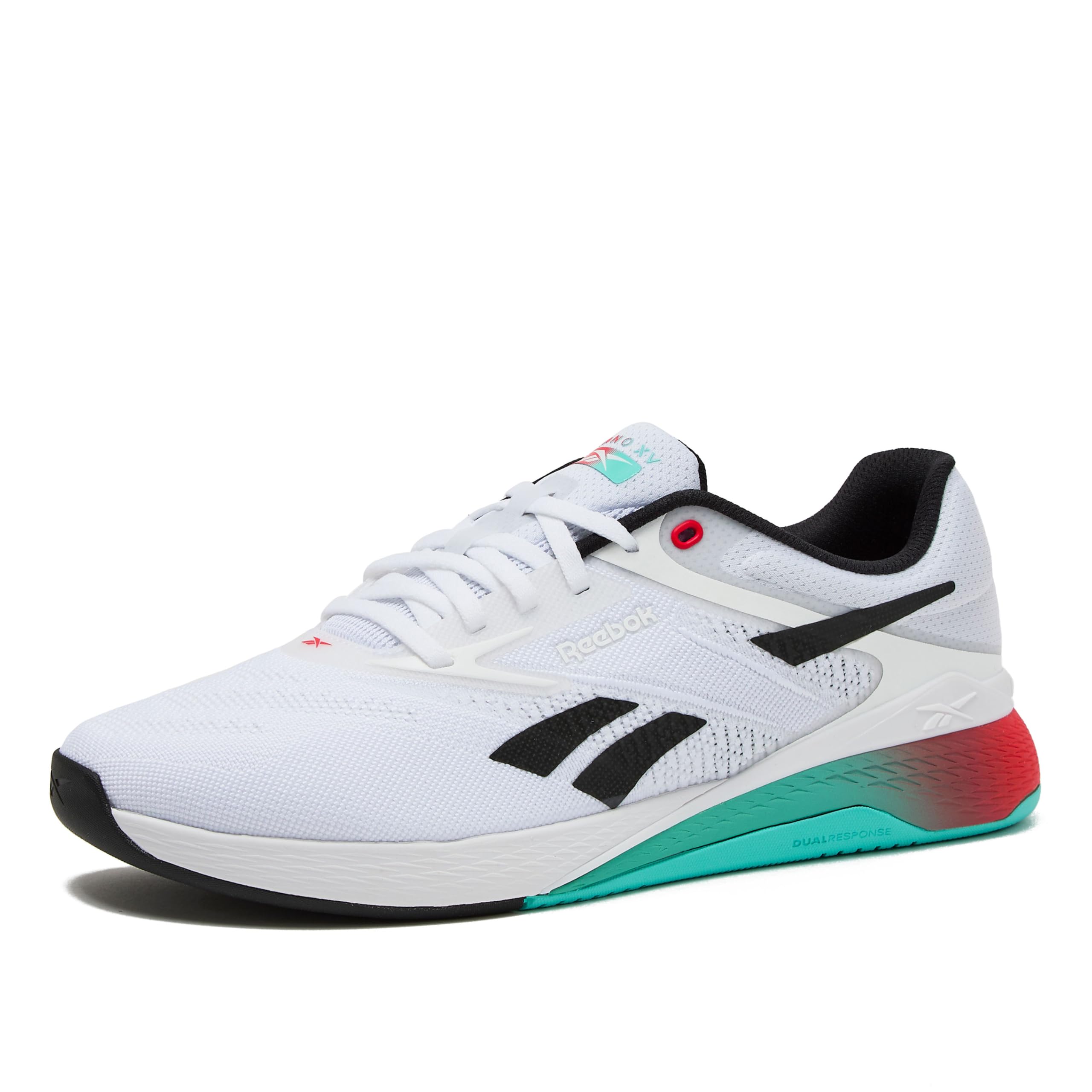
The Reebok Nano X5 bridges the gap between a pure barefoot experience and a versatile cross-training shoe that doubles for explosive movements. Its flat platform is stable enough for deadlifts and squats, while the moderately wide toe box gives your toes enough room to spread without feeling loose. Owners consistently praise the stability during heavy compound lifts — several reviewers noted immediate balance improvements compared to running shoes or previous Nano generations.
This model shines when your training includes lateral work like bouldering, MMA, or HIIT alongside your main lifts. The outsole provides excellent traction for side-to-side movements, and the heel lockdown prevents slippage during dynamic drills. The built quality feels premium, with a stitch density that holds up to daily abuse. One reviewer specifically called out the improved balance during squats and deadlifts versus traditional cross-trainers.
Breathability is a noted weakness — the upper traps heat during long sessions, and multiple users reported odor issues after extended wear even with socks. The fit runs true to size for most, but a handful of reviewers found the toe box slightly narrow. If you need a shoe that handles both a heavy squat session and a conditioning workout without changing footwear, the Nano X5 delivers the best compromise on this list.
Why it’s great
- Flat platform with good grip for stable squats and deadlifts
- Versatile enough for lateral movements and explosive training
- Premium build quality with durable stitching and materials
Good to know
- Upper lacks breathability — can become warm and odorous during long sessions
- Some users find the toe box slightly narrow for true splay
3. Under Armour TriBase Reign 6
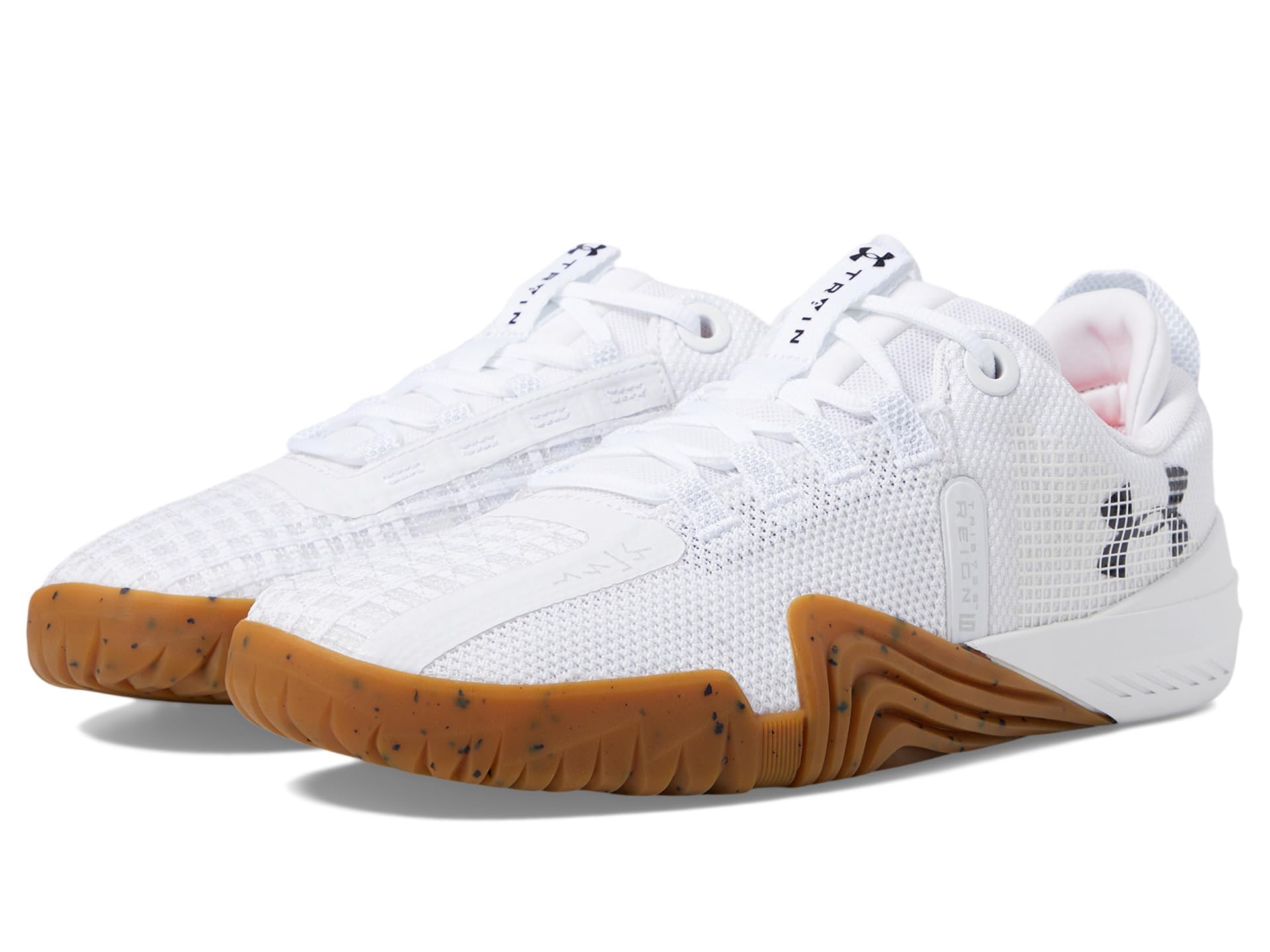
The Under Armour TriBase Reign 6 positions itself as a do-everything trainer that still respects barefoot principles. Out of the box, it feels slightly stiff, but the zero-drop platform and flexible forefoot break in to contour to your foot shape after a few sessions. The wide toe box is a standout feature — reviewers with flat feet specifically called out the low arch support and roomy forefoot as a relief from the pinching found in other cross-training shoes.
This shoe handles squats and deadlifts with authority, thanks to a sturdy sole that resists compression under heavy loads. It also manages short runs on the treadmill and incline walking without feeling clunky. The TriBase outsole pattern provides solid grip on rubber gym flooring, and the heel counter locks your foot in place during dynamic movements. One owner running over 200 pounds reported zero heel slippage and no arch ache, even during high-rep sets.
The main compromise is weight — it is slightly heavier than dedicated barefoot options. The white colorway is notoriously difficult to keep clean, and the initial break-in period may frustrate lifters who want immediate flexibility. Size down half a step for a performance fit. For the lifter who wants a zero-drop platform without committing to a fully minimalist shoe, the Reign 6 offers the best value on the premium tier.
Why it’s great
- Wide toe box with low arch support ideal for flat-footed lifters
- Stable platform for squats and deadlifts after break-in
- Versatile enough for treadmill work alongside heavy lifting
Good to know
- Heavier than dedicated barefoot options
- White colorway stains easily during gym use
4. New Balance Minimus Tr V2

New Balance revived the Minimus line with the Tr V2, and it remains one of the lightest zero-drop training shoes available. The flexible sole and thin profile give you decent ground feedback, and the Vibram-esque outsole pattern offers reliable traction on gym floors. Owners coming from the original Minimus V1 were divided — many loved the V2’s improved durability and grip, while die-hard minimalists felt the thicker midsole and added padding betrayed the spirit of the original.
Sizing is the most discussed issue across all reviews. Virtually every owner recommends going up at least half a size, and many suggest going up a full size plus ordering the wide width. The neoprene tongue has a tendency to slide sideways during wear, which can feel distracting during heavy sets. For P90x, light lifting, and general conditioning, the Minimus Tr V2 works well, but it lacks the stability needed for heavy squats above 300 pounds.
The upper material feels breathable and the shoe cleans up easily after gym use. If you have narrow feet or prefer a closer fit, the wide toe box may feel too spacious. The Tr V2 is a solid entry-level barefoot shoe that prioritizes weight savings over absolute rigidity — perfect for lifters who mix bodyweight work with moderate barbell training.
Why it’s great
- Extremely lightweight — barely noticeable during dynamic training
- Zero-drop platform with decent ground feel for moderate lifts
- Breathable upper that stays comfortable during long sessions
Good to know
- Sizing is inconsistent — most users must size up significantly
- Lacks the lateral stability needed for very heavy compound lifts
5. Adidas Powerlift 5
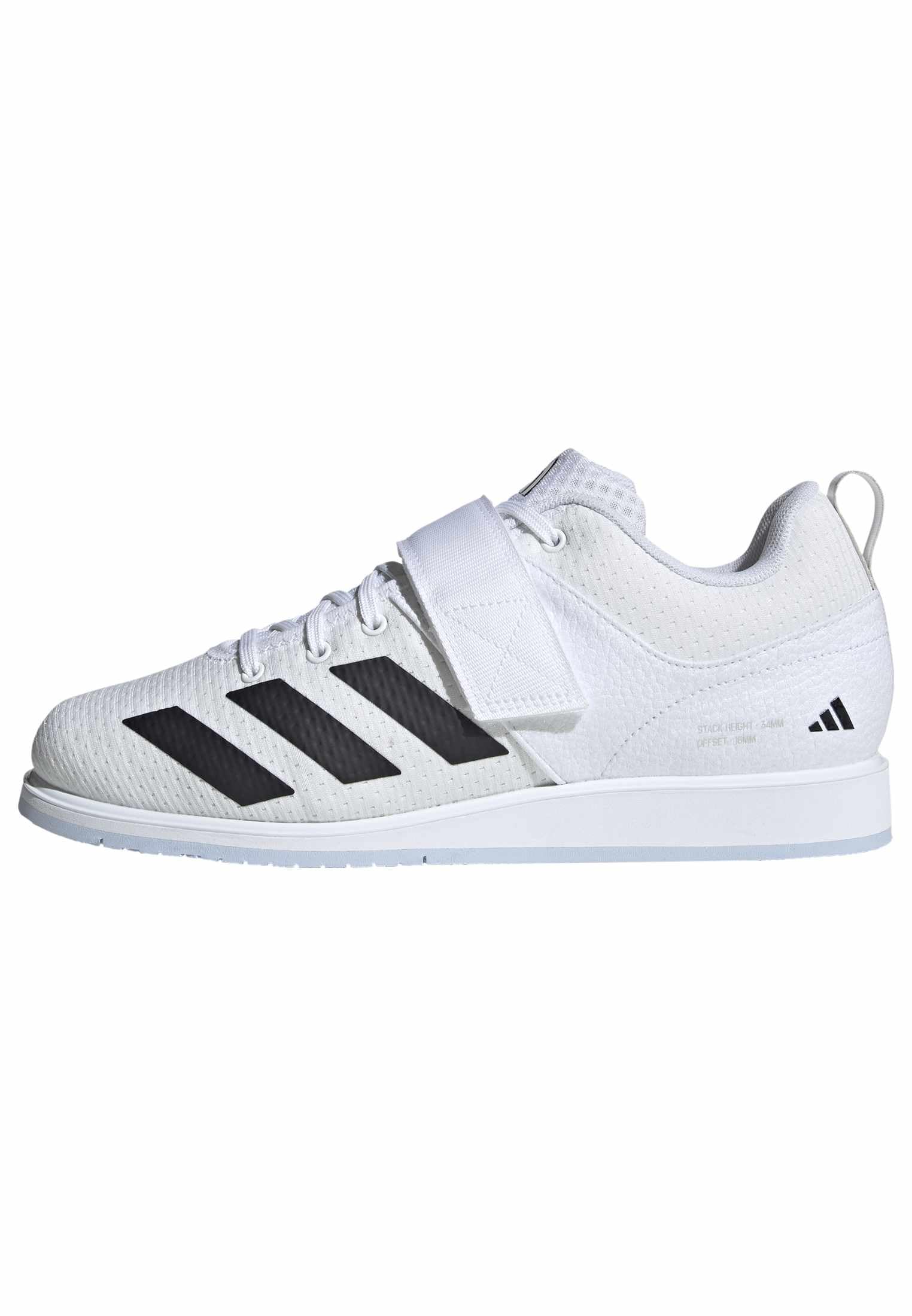
Unlike the barefoot models on this list, the Adidas Powerlift 5 uses a raised heel — 0.6 inches — to artificially create ankle dorsiflexion for deeper squats. This makes it a specialized tool for lifters who struggle with squat depth due to ankle mobility restrictions. The dual Velcro straps lock the foot securely in place, and the rigid sole provides a solid platform that compresses very little under heavy loads. Reviewers consistently describe it as a “game changer” for quad and glute activation.
This shoe is narrow through the toe box — easily the most restrictive of all seven options. Multiple reviewers strongly advise ordering half a size up or even a full size up if you have wide feet. The elevated heel also shifts your weight forward slightly, which takes adjustment if you are accustomed to flat soles for deadlifting. For pure squatting and Olympic lifts like the clean and jerk, the Powerlift 5 is effective; for deadlifts or lateral work, it is a poor choice.
At its price point, it represents good value for lifters who want a dedicated squat shoe without spending on premium weightlifting models. The flexible sole allows walking between sets without feeling like you are wearing wooden clogs, and the overall construction has held up through years of use according to long-term owner reports. Buy this only if your primary goal is maximizing squat depth and quad recruitment — not for general gym versatility.
Why it’s great
- Elevated heel improves squat depth for lifters with limited ankle mobility
- Dual Velcro straps provide secure lockdown for heavy loads
- Durable construction that holds up over years of regular use
Good to know
- Toe box is very narrow — size up significantly for wide feet
- Raised heel is counterproductive for deadlifts and lateral work
6. Xero Shoes Prio Neo
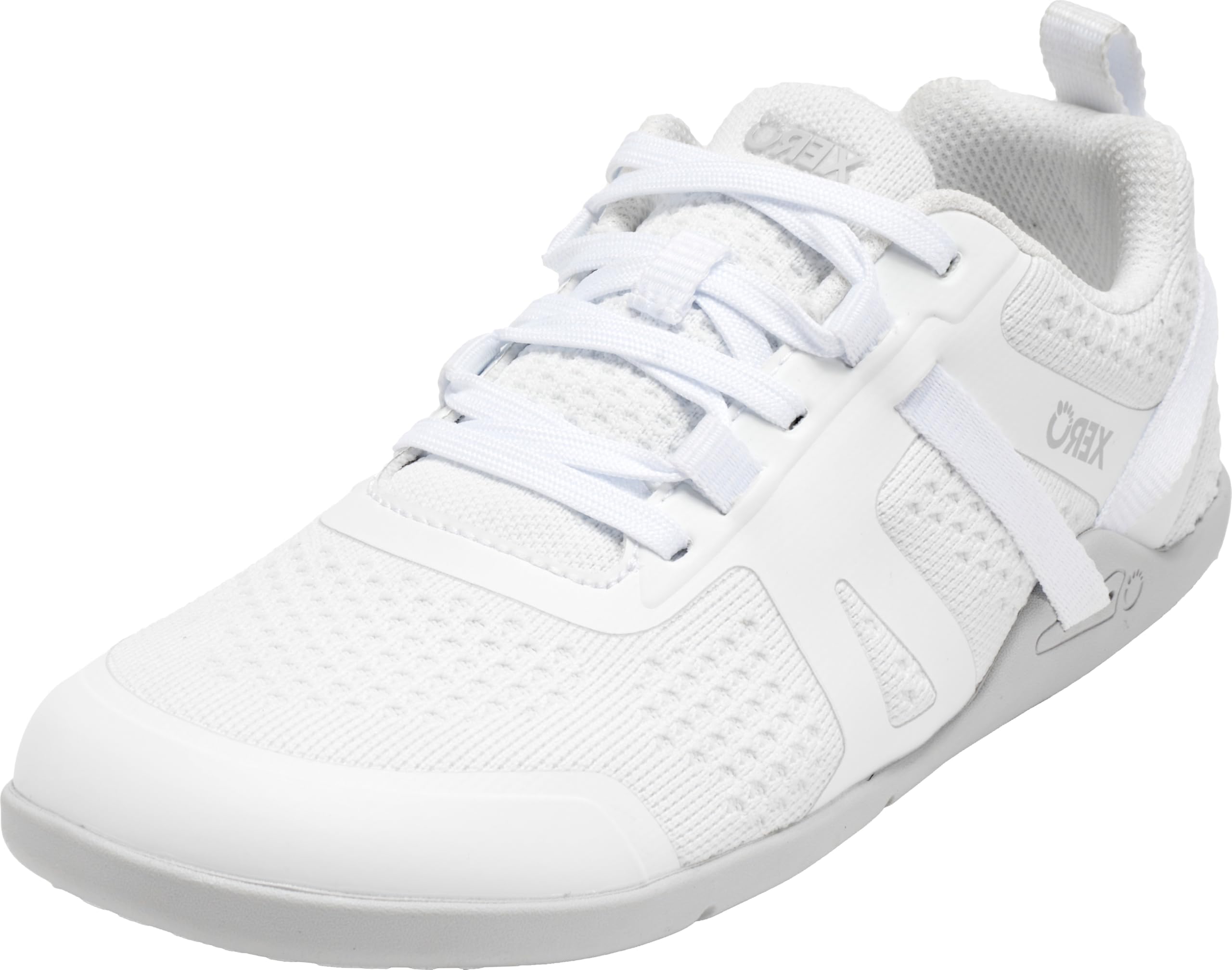
The Xero Shoes Prio Neo is built for lifters making the transition from traditional cushioned trainers to barefoot footwear. Its 5.5mm FeelTrue sole sits right at the sweet spot — thin enough to feel the ground, thick enough to protect your feet from knurling and debris. The wide toe box is generous, accommodating splay for all foot shapes including Morton’s toe and hammer toes. Owners coming from Brooks, Hoka, or similar high-cushion brands reported a noticeable improvement in balance and a reduction in knee pain after the adjustment period.
The upper uses a stretchy, breathable material that conforms to your foot like a slipper. Multiple reviewers noted that the shoes looked smaller than their labeled size but still fit with plenty of toe room — a quirk of the anatomical last shape. The removable insole gives you the option to add a thin orthotic during the transition phase if your calves and Achilles need time to adapt to the zero-drop platform.
The laces are excessively long — a common complaint — and tend to come undone unless you double-knot them. The overall durability seems solid for gym use, but long-term reports beyond two years are limited. The Prio Neo is the best choice for lifters who want a true barefoot shoe without the sticker shock of premium models, and the removable insole makes it particularly forgiving during the initial transition period.
Why it’s great
- 5.5mm sole provides good ground feel without sacrificing foot protection
- Wide, anatomical toe box accommodates all foot shapes comfortably
- Removable insole helps ease the transition from cushioned trainers
Good to know
- Stock laces are too long and require double-knotting to stay tied
- Limited long-term durability data past two years of heavy use
7. Generic Weightlifting Shoe
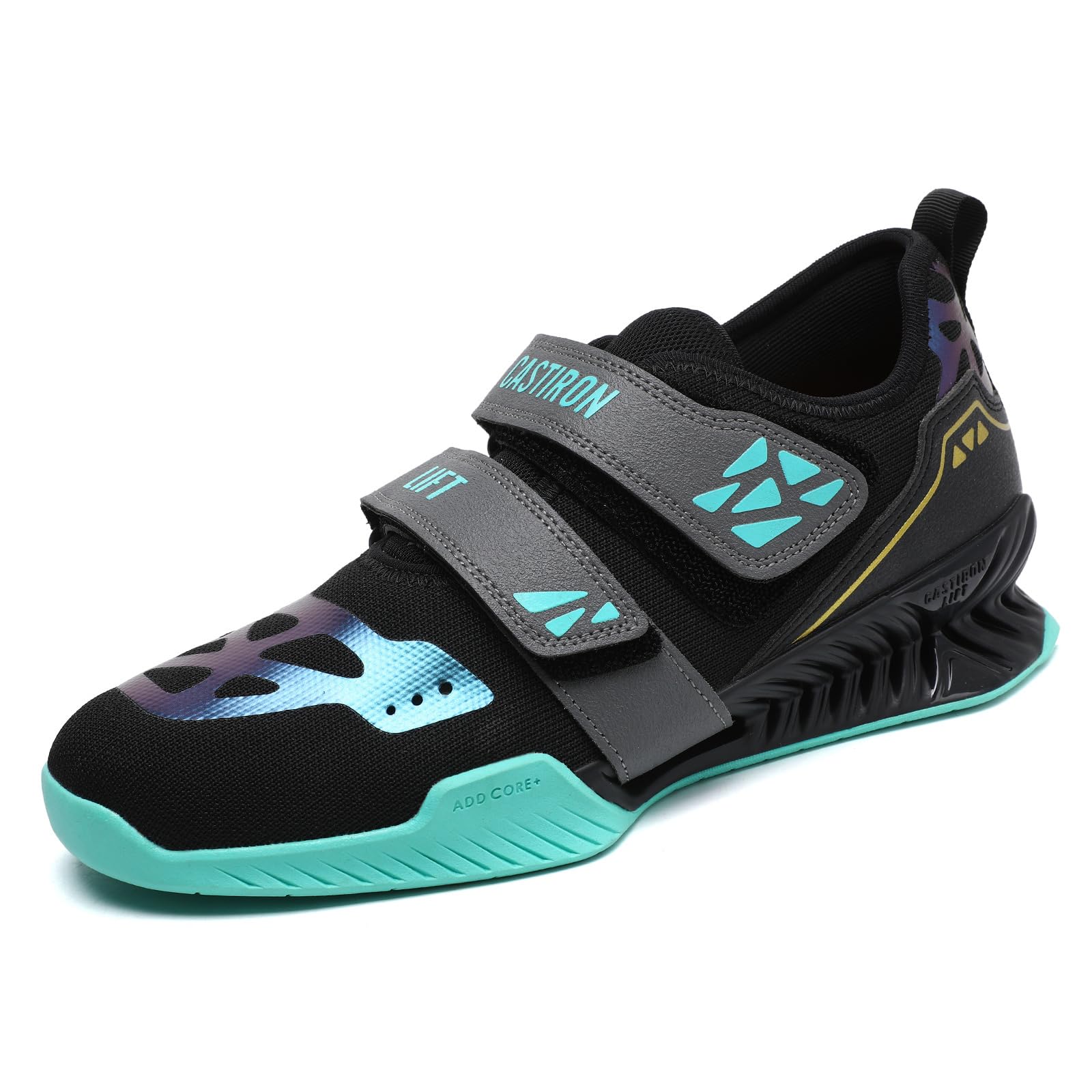
This budget-friendly weightlifting shoe uses a solid, angled sole with an elevated heel — similar in concept to the Adidas Powerlift 5 but at a lower entry point. Owners report that it provides stable footing for leg exercises and standing upper body lifts, with one reviewer noting it held up well over two years of squat use. The Velcro straps are secure, and the elevated heel genuinely aids squat depth for low-bar squatters who lack ankle mobility.
The toe box is moderately wide but not anatomical — it won’t give you the full splay of true barefoot shoes. Sizing runs true for most, but one reviewer with wide feet recommended going up half a size. The grip is excellent on standard gym flooring, and the overall construction feels durable despite the lower price point. Multiple owners used these for clean and jerk, snatch, and power lifts without any structural failures.
The black flap covering the laces tends to curl over time, which is a cosmetic rather than functional issue. These shoes are weightlifting-specific — they are not designed for running, lateral movements, or general training. If your sole focus is squatting and Olympic lifting on a budget, this model delivers adequate performance. For lifters who need a do-everything shoe, the narrow application and lack of barefoot ground feel make it a niche choice.
Why it’s great
- Angled, elevated heel improves squat depth for mobility-limited lifters
- Velcro straps provide secure lockdown for heavy compound lifts
- Durable construction that lasts through years of regular squat use
Good to know
- Not a true barefoot design — limited ground feel and toe splay
- Black flap covering laces curls over time, affecting appearance
FAQ
Can I wear barefoot shoes for heavy squats above 400 pounds?
How long does it take to transition to barefoot lifting shoes?
Are raised-heel lifting shoes better than zero-drop barefoot shoes for squats?
Can I run in barefoot lifting shoes?
Final Thoughts: The Verdict
For most users, the barefoot shoes for lifting winner is the Vivobarefoot Primus Lite III because its 5mm sole, anatomical toe box, and ultra-lightweight construction deliver maximum ground feel without sacrificing stability under heavy barbell loads. If you want a versatile shoe that handles lifting plus explosive lateral movements, grab the Reebok Nano X5. And for the lifter on a tighter budget who still needs a dedicated barefoot platform, nothing beats the Xero Shoes Prio Neo.

Mo Maruf
I created WellFizz to bridge the gap between vague wellness advice and actionable solutions. My mission is simple: to decode the research and give you practical tools you can actually use.
Beyond the data, I am a passionate traveler. I believe that stepping away from the screen to explore new environments is essential for mental clarity and physical vitality.