Our readers keep the lights on and my smoothie glass nicely filled. As an Amazon Associate, I earn from qualifying purchases.
A Colorado winter isn’t a single season — it’s a gauntlet of freeze-thaw cycles, powder dumps, and rock-hard ice patches that punish cheap soles and thin linings. The wrong boot leaves you with wet socks, cold toes, and zero confidence on a 6 a.m. commute or a Saturday hike up a 14er. You need a boot that handles the slush of Denver, the packed snow of Summit County, and the sub-zero windchill of a Front Range morning without cracking, soaking through, or turning your feet into ice blocks. That means waterproof membranes, aggressive outsole lugs, and insulation ratings that match your actual activity level — not just marketing claims.
I’m Mohammad Maruf — the founder and writer behind WellFizz. I’ve spent hundreds of hours analyzing cold-weather footwear performance data, customer stress tests, and material engineering specs to identify the boots that actually deliver warmth, traction, and durability across Colorado’s unpredictable winter conditions.
Whether you’re a daily commuter in the metro area, an ice fisherman on a frozen reservoir, or a weekend warrior heading for the backcountry, this guide cuts through the noise to find the best boots for colorado winter landscapes.
How To Choose The Best Boots For Colorado Winter
Colorado winters demand specific boot traits that a general “winter boot” shopping list misses entirely. The key variables aren’t just warmth — they are moisture management, traction geometry, and the ability to transition from salted sidewalks to high-altitude hiking without catastrophic failure. Here is how to evaluate each factor before you buy.
Insulation Weight: Match It to Your Activity Level
Insulation in winter boots is measured in grams — 200g, 400g, 600g, 800g, or 1200g. The heavier the insulation, the warmer the boot, but also the faster your feet will sweat if you’re moving. For a daily commute with short walks, 400g to 600g is the sweet spot for Colorado’s typical 15-30°F days. For standing still on an icy reservoir or waiting for a bus in sub-zero winds, 800g to 1200g is necessary. For active hiking where you’ll generate body heat, 200g to 400g is often enough — heavier insulation turns into a liability once you start climbing.
Waterproof Membrane: Non-Negotiable for Freeze-Thaw
Colorado’s freeze-thaw cycle means snow melts on the trail, slush pools on sidewalks, and puddles form on parking lots. A waterproof membrane — like Columbia’s Omni-Tech, KEEN’s KEEN.Dry, or a rubber neoprene construction — blocks liquid water from entering while allowing vapor to escape. Without it, your socks will be wet within 30 minutes of walking through any accumulation. Look for seams that are taped or sealed, not just a waterproof spray coating.
Outsole Traction: Lug Depth and Rubber Compound Matter More Than Brand
Ice and packed snow require a rubber compound that stays pliable in cold temperatures — look for materials labeled “arctic grip,” “IceGrip,” or “vibram arctic” rather than standard rubber, which turns stiff and slippery below freezing. Lug depth should be at least 5mm for trail use; deeper lugs shed snow faster. For purely urban use, a flatter tread with siping (small slits) provides more surface contact on smooth ice. Avoid fashion-first soles with shallow, widely spaced lugs — they are dangerous on Colorado’s icy concrete.
Sizing for Sock Layering
Nearly every winter boot reviewed below triggers the same warning: size up. A boot that fits perfectly with a thin dress sock will compress your toes and reduce circulation when you add a thick wool sock. For Colorado winters, where a 20°F swing in daily high means you may need to switch sock weights, buy a half size to a full size larger than your normal shoe size. Always test the boot with the thickest sock you plan to wear — your toes should not touch the front of the boot, and you should be able to wiggle them slightly.
Quick Comparison
On smaller screens, swipe sideways to see the full table.
| Model | Category | Best For | Key Spec | Amazon |
|---|---|---|---|---|
| KEEN Revel 4 Mid | Hiking | 14er hikes & snowshoeing | 200g insulation, KEEN.Dry membrane | Amazon |
| Merrell Coldpack 3 Thermo | All-Rounder | Ice traction & deep snow | 400g insulation, waterproof membrane | Amazon |
| ROCKY Blizzard Stalker | Extreme Cold | Ice fishing & standing still | 1200g insulation, 4.5 lbs weight | Amazon |
| Columbia Minx IV | Mid-Height | Sub-zero winds & urban wear | Omni-Tech membrane, mid-calf height | Amazon |
| Columbia Expeditionist Shield | Daily Driver | Warm, lightweight daily use | Warm to 10°F, works-style look | Amazon |
| Columbia Bugaboot III XTM | Snow Boot | Heavy snow, longevity | Heavy insulation, durable non-scuffing | Amazon |
| TIDEWE Rubber Hunting | Wet Work | Wet mud & deep puddles | 7mm neoprene, 800g insulation | Amazon |
| SOREL Tivoli V Tall | Tall Boot | Women’s style & snow depth | Tall shaft, waterproof, orthotic-friendly | Amazon |
| Columbia Bugaboot III | Entry-Level | Value warmth & waterproofing | Lightweight, 200-400g insulation | Amazon |
In‑Depth Reviews
1. KEEN Revel 4 Mid Height Polar Insulated Waterproof
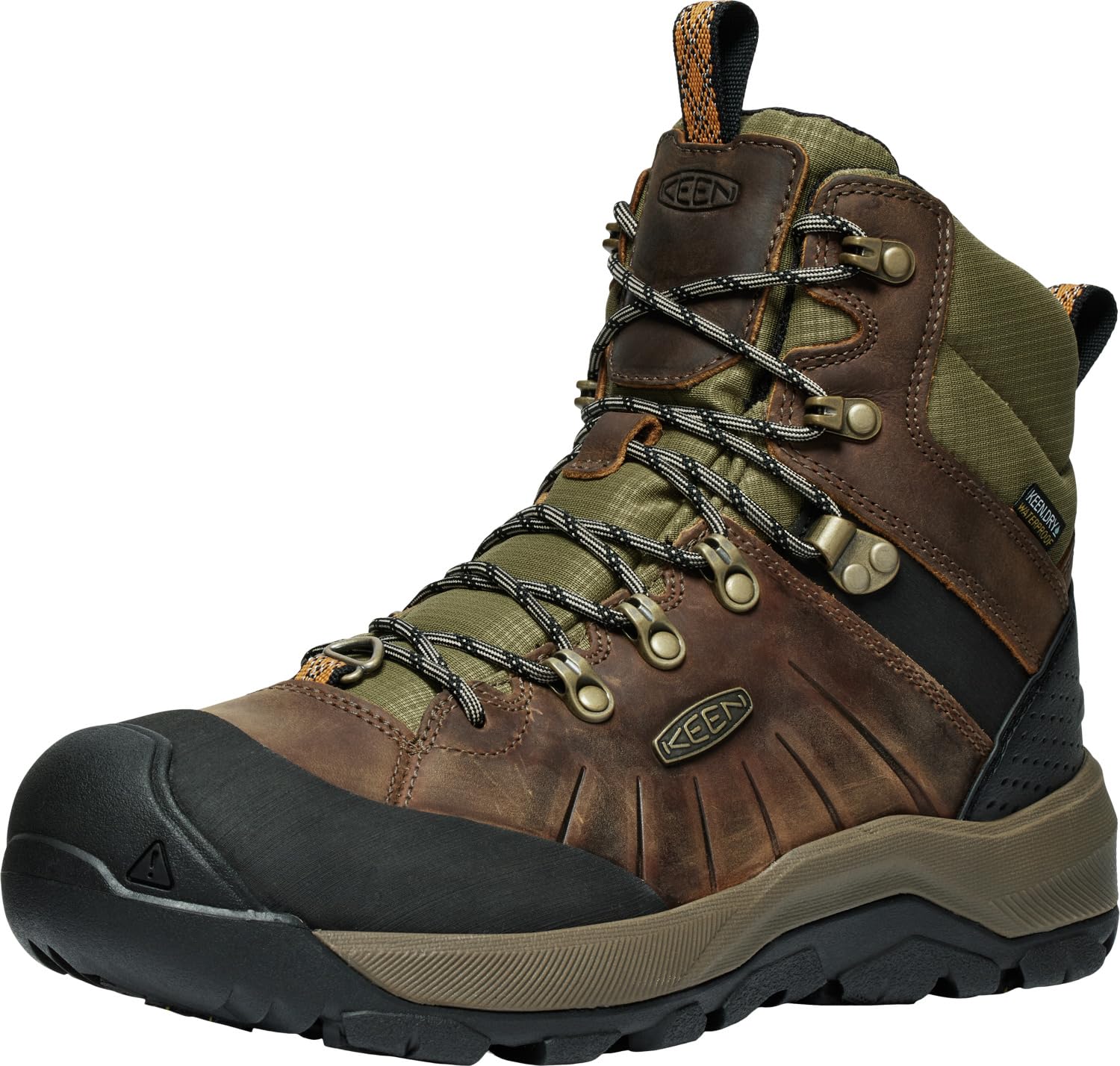
This is the boot that earned its spot as Best Overall because it successfully threads the needle between ultra-warm and highly active. The 200g insulation rating might seem low compared to the 1200g monsters, but for the majority of Colorado winter scenarios — a morning commute, a trek to a trailhead, an afternoon of snowshoeing — it’s ideal. The KEEN.Dry membrane is fully waterproof, and the mid-height cut provides enough coverage for several inches of powder without restricting ankle mobility. Testers on a 14er in March reported dry feet at -5°F wind chill, which suggests the insulation is paired with an effective thermal barrier.
The outsole is where this boot really separates from the pack. The rubber compound stays pliable well below freezing, and the multi-directional lugs provide reliable grip on packed snow and loose rock. Multiple reviewers noted they didn’t need separate traction devices (crampons or spikes) for most conditions, which is a strong endorsement. The wide toe box is a genuine advantage for toe splay and circulation, and the snug heel pocket prevents heel lift during steep climbs.
For the price, you get a boot that can handle everything from an icy sidewalk to a Class 2 scramble. It’s not the warmest option for standing still in sub-zero temperatures for hours, and the mid height won’t stop powder from entering over the top in deep snow, but as a do-everything Colorado winter boot, it outpaces the competition.
Why it’s great
- Exceptional traction on ice and packed snow without additional spikes
- Roomy toe box allows thicker wool socks without compressing circulation
- Proven waterproof and warm performance in sub-zero hiking conditions
Good to know
- 200g insulation is insufficient for static use below 0°F; needs active movement to stay warm
- Mid height leaves ankles exposed in snow deeper than 6 inches
2. Merrell Men’s Coldpack 3 Thermo Mid Waterproof

This Merrell boot steps into a specific role that many Coloradans need: a boot that handles ice rink-grade slickness without requiring separate traction aids. The outsole compound is formulated specifically for ice grip — not just snow grip — and multiple reviewers working at ice rinks confirmed it kept them stable on frozen surfaces for full shifts. That same compound translates directly to icy sidewalks, frozen trails, and the slick concrete of parking garages after a thaw-freeze cycle. The boot is also fully waterproof and survived heavy rain testing without leakage.
The 400g insulation is a smart middle ground. It’s warm enough for standing around in 20°F weather without your feet getting cold, but not so thick that your feet sweat during a brisk hike. The fit is true to size, and the wide sizing (matching New Balance wide) accommodates orthotics or high-volume feet without pinching. The boot required virtually no break-in — reviewers noted zero blisters even on first-use hikes through deep snow.
The only trade-off is that the waterproof membrane, while effective, doesn’t breathe as well as some Gore-Tex alternatives. If you run hot or plan to wear these during high-output activities, you may need to manage moisture with a wool sock that wicks. But for the combination of ice grip, warmth, and waterproofing at this price, it’s a serious contender.
Why it’s great
- Superior ice grip outsole reduces the need for separate traction spikes
- No break-in required; comfortable for long hikes from day one
- 400g insulation balances warmth for static use without overheating during activity
Good to know
- Breathability is limited; sweat buildup can occur during high-exertion hiking
- True-to-size fit may require half-size-up for thick sock layering
3. ROCKY Blizzard Stalker Waterproof 1200G Insulated Boot

This is not a boot for walking the dog around the block in Denver. The ROCKY Blizzard Stalker is designed for a specific Colorado winter scenario: standing still for extended periods in temperatures well below zero. The 1200g insulation rating is the heaviest on this list, and it delivers exactly what it promises — testers confirmed warm feet at 6°F, and the boot is designed to keep going down past -20°F. For ice fishing on a frozen reservoir, waiting for a sunrise shot at 11,000 feet, or shoveling a driveway in Breckenridge in January, this boot is the answer.
The boot runs large intentionally, accommodating a thick sock layering system without compressing the insulation. The outsole provides solid traction on snow, though ice grip is merely adequate — you’ll still want spikes for true ice. The construction is heavy-duty, with a full rubber shell over the lower portion that is genuinely waterproof. At 4.5 pounds per boot, this is a heavy option, and your legs will feel it after a 2-mile walk. There have been reported issues with bootlace hooks breaking after repeated use, so check the lacing hardware immediately and reinforce if needed.
The value proposition here is clear: if you need to survive hours of inactivity in Colorado’s deepest cold, no mid-range boot can match the Blizzard Stalker. For active use, you would be better served by a lighter option, but for extreme cold, this is the specialist pick.
Why it’s great
- Extreme cold insulation keeps feet warm during hours of static exposure below zero
- Generous sizing allows multiple sock layers without reducing circulation
- Heavy-duty rubber lower is completely waterproof for wet snow and slush
Good to know
- Very heavy at 4.5 pounds per boot; poor choice for hiking or walking
- Bootlace hooks may break under tension; verify hardware early
4. Columbia Minx IV
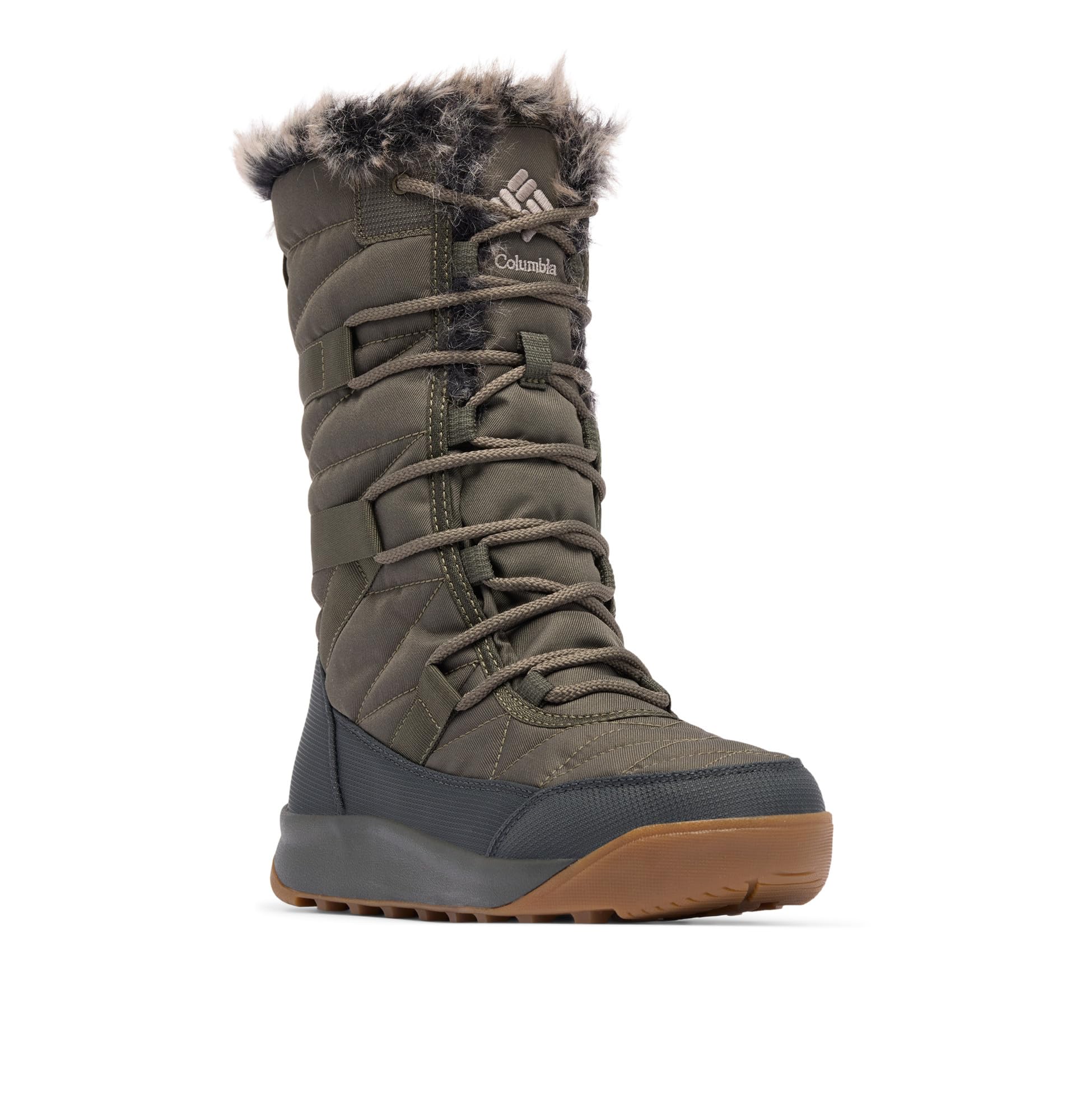
For those who face Colorado’s coldest winds and need more coverage than a standard boot, the Minx IV is a strong performer. The mid-calf height provides extra protection against powder entry and wind sneaking over the top of a shorter boot. Owners report that the boot keeps feet warm in sub-zero temperatures without needing the thickest socks — the insulation is generous and well-distributed. The Omni-Tech membrane is proven across Columbia’s lineup, blocking moisture reliably while allowing some vapor release.
The biggest catch here is the fit. Multiple reviewers noted that the boot runs narrow. If you have wide feet or plan to wear thick wool socks, ordering the wide size is strongly recommended. The narrow fit causes toe numbness and pinching for some users, though a boot stretcher can resolve this. The outsole traction is good on snow but notably slippery on ice — several owners flagged this as a limitation in icy conditions. The laces are also reported to be too short, making it difficult to achieve a locked-in fit at the top of the boot.
Despite these fit quirks, the Minx IV is an excellent cold-weather boot for those with narrow to medium feet who want extra leg coverage. The warmth per weight ratio is impressive, and the quick-drying interior is a practical bonus for multi-day use. Just be prepared to buy the wide version or add a boot stretcher to your shopping list.
Why it’s great
- Mid-calf height blocks snow entry and wind better than standard boots
- Very warm insulation for sub-zero temperatures without heavy socks
- Quick-drying interior material prevents moisture buildup between wears
Good to know
- Narrow fit requires ordering wide for most users; toe numbness reported
- Outsole is slippery on ice; traction on snow is adequate
5. Columbia Men’s Expeditionist Shield

The Expeditionist Shield is a versatile daily boot that bridges the gap between a snow boot and a hiking shoe. At this price point, it delivers legitimate warmth down to 10°F, solid water resistance, and a weight that feels closer to a lightweight hiker than a bulky winter boot. That makes it a strong option for people who need one boot that works for walking to the office, running errands, and short trail walks without feeling like you’re wearing moon boots.
The boot has some compromises worth noting. The aggressive tread pattern shines in snow but acts like a magnet for sand, salt, and mud — expect to do regular cleaning if you wear these indoors. The fit runs small; most owners recommend ordering a half size up. The insole is thin and will benefit from a replacement if you want all-day arch support. The gold trim styling is a point of contention — some find it juvenile, others don’t mind it. After a short break-in period, users report good comfort for daily wear and light trail hiking.
For the price, the Expeditionist Shield offers the best warmth-per-pound value on this list. It won’t stand up to true arctic conditions or heavy- duty backcountry use, but for the vast majority of Colorado winter scenarios — commuting, errands, casual outdoor time — it performs admirably.
Why it’s great
- Lightweight construction makes it comfortable for all-day daily wear
- Warm to 10°F with good moisture resistance for a mid-range boot
- Versatile design works for urban and light trail settings
Good to know
- Aggressive tread collects snow, sand, and salt; requires frequent cleaning
- Runs small; order half size up and consider replacing the thin insole
6. Columbia Bugaboot III XTM
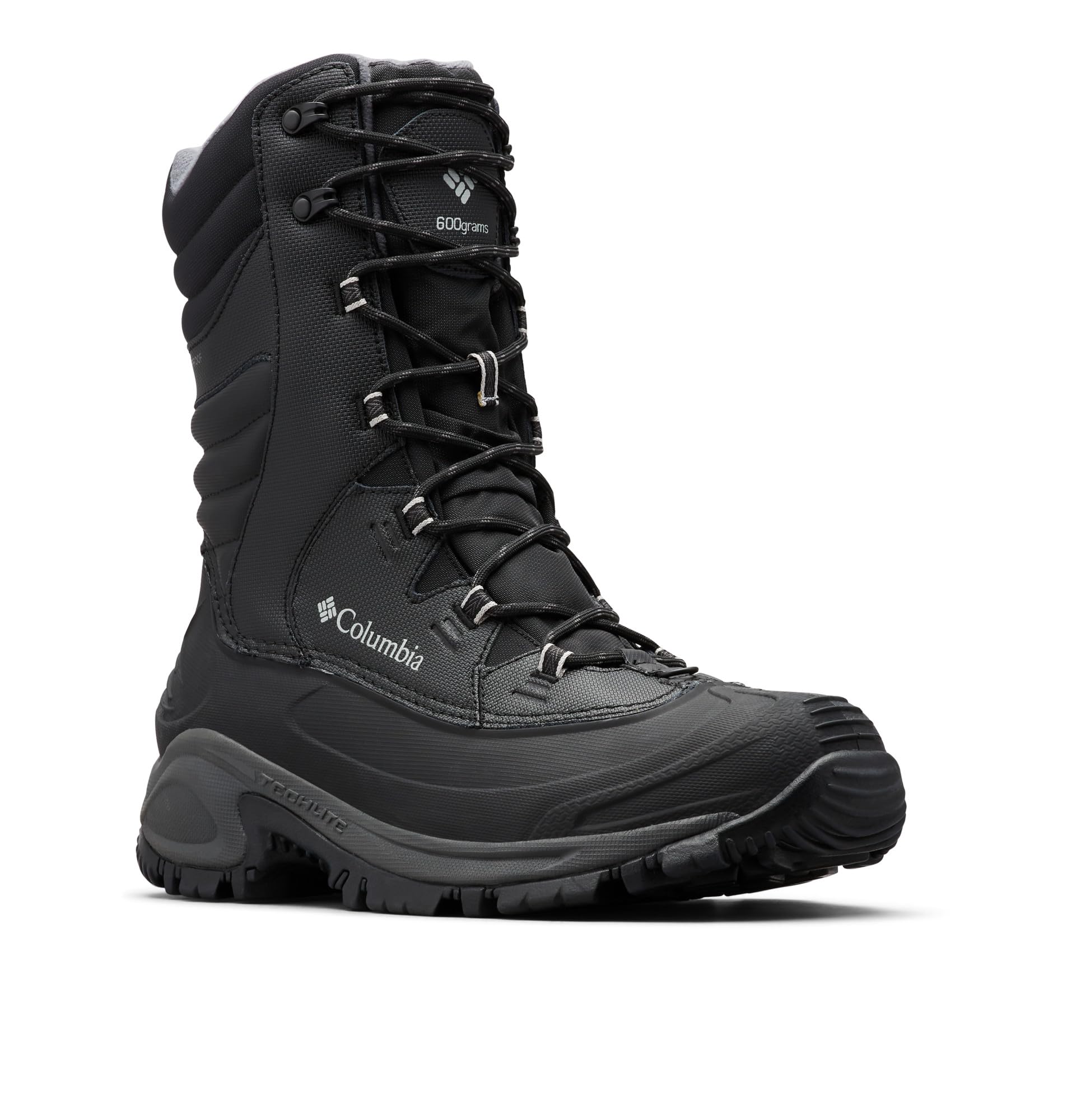
The Bugaboot III XTM is a no-frills snow boot built for deep snow and cold temperatures. The heavy insulation layer makes this one of the warmer options in the Columbia lineup, and the non-scuffing outsole is noticeably more durable than the standard Bugaboot III. Owners consistently describe it as well-made and capable of handling multiple seasons of harsh winter wear without breaking down.
Sizing is the primary headache. Nearly every reviewer warns that this boot runs a full size small — ordering one to two sizes up is standard practice for accommodating thick socks. Once you get the fit right, the warmth is outstanding. The boot is relatively lightweight given the insulation density, and the ankle mobility is good enough for moderate walking. The laces stay tight during use, which eliminates the need for re-lacing mid-day.
The biggest drawback beyond sizing is the lack of advanced traction for ice. The outsole is solid on snow and slush, but on glare ice it offers minimal grip. If your winter routine involves significant ice exposure, you’ll need separate traction devices. For heavy snow and cold temperatures where ice is not the primary concern, this boot is a workhorse.
Why it’s great
- Heavy insulation keeps feet very warm in deep snow and cold temperatures
- Non-scuff outsole extends the lifespan of the boot across multiple seasons
- Relatively lightweight for the insulation density; good ankle mobility
Good to know
- Runs a full 1-2 sizes small; must size up significantly for proper fit
- Outsole traction is weak on ice; requires separate spikes or cleats for icy conditions
7. TIDEWE Rubber Hunting Boots, Waterproof Insulated Next Camo G2

When the question is “can I stand in a puddle for an hour and still have dry feet,” the answer is a rubber boot. The TIDEWE uses a full rubber lower with 7mm neoprene lining, which provides absolute waterproof protection and significant insulation weight — 800 grams in the insulated version. This is an excellent choice for wet snow, muddy trails, and situations where you’ll be standing in slush or shallow water. The boot is flexible enough for comfortable walking, unlike stiffer traditional rubber boots.
Fit and sizing are solid: the boot runs close to true size, and the size chart is accurate. Users with wide feet found it accommodating, and the adjustable top closure allows a snug fit around the calf to keep debris out. The insulation is warm; testers reported comfort in single-digit temperatures during stationary hunting. The rubber construction does produce a distinct “boot smell” initially, and there are minor cosmetic imperfections from the manufacturing process (overrun glue), but these do not affect function.
The most significant functional issue is the heel lugs — they are slippery on smooth, hard surfaces. The boot’s traction is excellent in mud and soft snow, but on wet tile, concrete, or ice, the heel offers poor grip. This limits the boot’s use for purely urban environments. For hunting, outdoor work, or any scenario where wet conditions are the primary challenge, it’s a budget-friendly specialist.
Why it’s great
- Absolute waterproof protection from rubber lower and sealed neoprene shaft
- Flexible neoprene allows comfortable walking unlike stiff traditional rubber boots
- Generous insulation rating keeps feet warm during stationary outdoor use in single digits
Good to know
- Heel lugs are slippery on smooth hard surfaces like wet concrete and ice
- Initial rubber smell and minor cosmetic imperfections from manufacturing are common
8. SOREL Women’s Tivoli V Tall Waterproof Boot
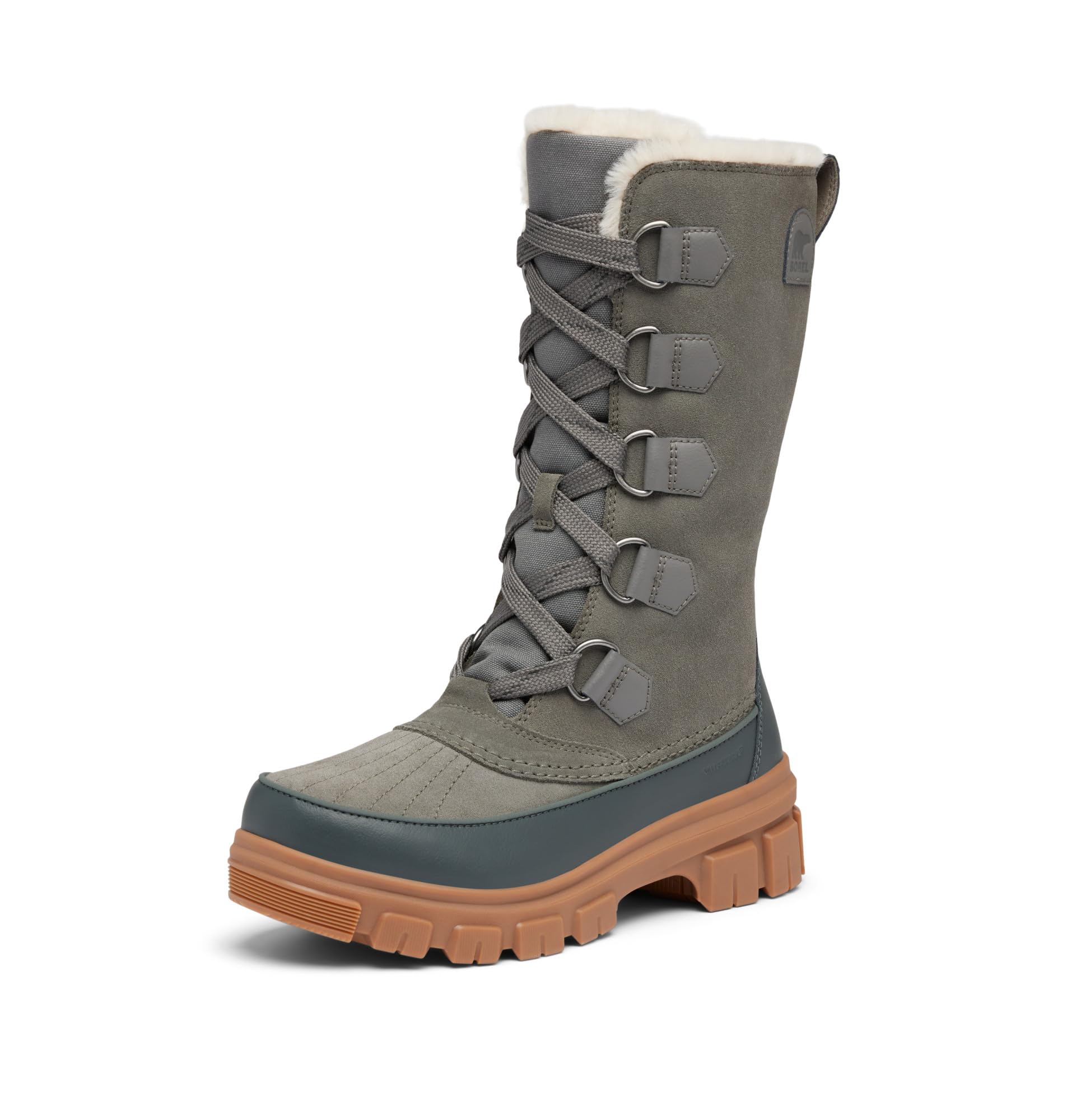
The SOREL Tivoli V combines style with genuine cold-weather utility, a rare pairing. The tall shaft provides deep snow protection, and the waterproof construction has held up through multiple winters for long-term owners. The boot is true to size and has enough interior volume to accommodate custom orthotics, which is a specific win for those with arch or gait issues. The laces are thick and resist freezing in cold temperatures, a small but meaningful detail.
Warmth is excellent down to around 0°F, with testers noting that below that threshold, heated insoles are helpful for those with poor circulation. The traction is good on snow and packed trails. A minor but consistent complaint is that the boot can rub the ankle bone when laced tightly — loosening the laces or using moleskin pads resolves the issue. The boot is moderately heavy, but the height provides stability that compensates.
For a woman who wants a boot that looks good enough for the apres-ski scene but can actually handle a day in the snow, the Tivoli V is the clear choice. It doesn’t have the extreme insulation of the ROCKY or the high-end hiking performance of the Merrell, but it occupies a valuable niche: warm, tall, waterproof, and genuinely attractive.
Why it’s great
- Tall shaft provides excellent deep snow coverage and prevents powder entry
- Sufficient interior space for custom orthotics and thick wool socks
- Thick laces resist freezing in cold temperatures, maintaining adjustability
Good to know
- Ankle rub may occur when laced tightly; looser lacing or moleskin helps
- Heated insoles recommended for extended static use below 0°F
9. Columbia Men’s Bugaboot III (Standard)

The standard Bugaboot III is the entry point for Columbia’s snow boot lineup, and it delivers an excellent warmth-to-weight ratio at a budget-friendly price. The boot is durable, waterproof, and reasonably lightweight. Owners consistently describe it as comfortable for daily winter use and a strong value proposition. For dry snow and temperatures above 15-20°F with a single sock, it performs well. With a thick wool sock, it can handle colder conditions.
Sizing is tricky — it runs small, and buyers are advised to order a full size up, especially if they plan to wear thick socks. The boot lacks lace hooks at the top, which some users find less secure. The insulation is adequate for most Colorado winter days, but reviewers report cold feet below 15-20°F if wearing only one pair of socks. The traction is sufficient for snow-covered sidewalks and trails, but like other Columbia boots, it’s not optimized for pure ice.
For someone buying their first winter boot or looking for a reliable secondary pair for casual wear, the Bugaboot III is the best value on this list. It won’t win any awards for absolute warmth or advanced traction, but it gets the job done without emptying your wallet.
Why it’s great
- Lightweight and comfortable for daily winter wear without feeling bulky
- Durable waterproof construction at a budget-friendly entry point
- Proven Columbia quality with good longevity for the price tier
Good to know
- Runs small; order one full size up, especially for thick sock wearers
- Insulation is thin below 15°F; a second sock layer or heated insole may be needed
FAQ
Do I need 1200g insulation for a Colorado winter?
How much should I size up for winter boots in Colorado?
Can I use these boots for hiking 14ers in winter?
Are these boots safe for driving in Colorado winter conditions?
How do I keep my boots from slipping on ice?
Final Thoughts: The Verdict
For most users, the best boots for colorado winter winner is the KEEN Revel 4 Mid Height Polar because it combines reliable waterproofing, effective ice-and-snow traction, and a warm-but-active-friendly 200g insulation that works for both urban commuting and 14er hiking. If you need superior ice grip and a true-to-size fit, grab the Merrell Coldpack 3 Thermo. And for extreme cold standing still — ice fishing, overnight shoots, or arctic waiting — nothing beats the ROCKY Blizzard Stalker.

Mo Maruf
I created WellFizz to bridge the gap between vague wellness advice and actionable solutions. My mission is simple: to decode the research and give you practical tools you can actually use.
Beyond the data, I am a passionate traveler. I believe that stepping away from the screen to explore new environments is essential for mental clarity and physical vitality.