Our readers keep the lights on and my smoothie glass nicely filled. As an Amazon Associate, I earn from qualifying purchases.
If you’ve ever gagged while swallowing a fish oil capsule or spent the rest of the day tasting salmon in your burps, you know the appeal of algal oil isn’t just about being plant-based — it’s about tolerating your daily supplement routine. These omega-3s come from microalgae, the same source fish eat, delivering DHA and EPA without the ocean-borne contaminants, the marine aftertaste, or the ethical compromise.
I’m Mohammad Maruf — the founder and writer behind WellFizz. I’ve spent months digging into the third-party test results, triglyceride vs. ethyl ester debates, and sourcing practices that separate a genuinely effective algal oil from one that just looks green in the bottle.
Whether you’re vegan, pregnant, or simply tired of the fishy burps, finding the right best algal oil supplement means balancing DHA potency, purity certifications, and softgel form factors that make daily use sustainable.
How To Choose The Best Algal Oil Supplement
Not all algal oils are created equal. The source algae species, the extraction method, the fatty acid profile, and even the softgel shell composition all affect how much omega-3 actually reaches your cells. Here’s what to look for when comparing labels.
DHA vs. EPA — Which Ratio Is Right For You?
Most algal oil supplements lean heavily on DHA, since microalgae naturally produce more DHA than EPA. For brain development during pregnancy and lactation, a higher DHA-to-EPA ratio is ideal. For cardiovascular or joint support, you’ll want a formula with a meaningful EPA dose — look for at least 100 mg EPA per serving. If a product lists only DHA, it’s fine for prenatal use but less versatile for full-body omega-3 benefits.
Triglyceride Form vs. Ethyl Ester — The Absorption Difference
The molecular form of the oil determines how well your body absorbs it. Triglyceride-form (also called natural or rTG) mimics the structure of omega-3s found in whole fish and is generally absorbed better than ethyl ester, a synthetic form often used to concentrate DHA and EPA. Premium brands will explicitly state “triglyceride form” on the label. Avoid products that only list “esters” or are vague about the molecular structure.
Third-Party Testing and Certifications
Supplements aren’t FDA-approved for purity before they hit the shelf. That makes independent verification critical. Look for products that name their testing lab (Eurofins, NSF International, USP) and publish batch results. Non-GMO Verified, Vegan Certification, and GMP certification are additional quality signals. If a brand won’t tell you who tests their oil, treat the label as marketing, not data.
Softgel Integrity — What’s In The Capsule Shell?
The softgel itself matters more than you might think. Many standard softgels contain carrageenan (a seaweed-derived thickener that some users find inflammatory) or sorbitol (a sugar alcohol that can cause digestive discomfort). Premium and clean-label brands now use tapioca-based shells free of both. If you have a sensitive stomach or follow a strict whole-foods diet, check the “other ingredients” list carefully.
Quick Comparison
On smaller screens, swipe sideways to see the full table.
| Model | Category | Best For | Key Spec | Amazon |
|---|---|---|---|---|
| Garden of Life Prenatal Vegan DHA | Mid-Range/Prenatal | Pregnancy & Lactation | 400mg DHA + 90mg DPA per softgel | Amazon |
| TAHIRO Vegan Omega-3 | Mid-Range | Balanced DHA/EPA Profile | 300mg DHA + 150mg EPA per serving | Amazon |
| Micro Ingredients Algae Oil | Budget-Friendly | High-Volume Value | 500mg DHA + 100mg DPA; 240 softgels | Amazon |
| Calgee Algae Omega 3 | Premium/Clean | Carrageenan-Free Formula | 450mg DHA+EPA third-party verified by Eurofins | Amazon |
| Nordic Naturals Algae DHA | Premium | Trusted Brand, Pure DHA | 500mg DHA per serving; AVA Certified Vegan | Amazon |
In‑Depth Reviews
1. Garden of Life Dr. Formulated Prenatal Vegan DHA

This is the rare algal oil that targets a specific physiological window — pregnancy and lactation — with precision. Each small, easy-to-swallow softgel delivers 400 mg of DHA plus 90 mg of DPA in the natural triglyceride form, which means your body absorbs it more efficiently than methyl ester alternatives. The Schizochytrium sp. algae source is single-sourced and fully traceable, a detail that matters when you’re avoiding heavy metal contamination while growing a human.
The formula also includes naturally occurring Specialized Pro-Resolving Mediators (SPMs) — compounds like Resolvins and Protectins that support the body’s normal inflammatory response. That’s an extra layer of value you won’t find in most mainstream omega-3 supplements. The softgels are small enough to swallow without water for most users, and the packaging uses post-consumer recycled materials, aligning with broader sustainability concerns.
Customer feedback consistently confirms zero fishy burps and easy digestion, even for users with sensitive stomachs during pregnancy. The formula did shift slightly in 2022 (DPA increased from 70 mg to 90 mg, and the softgel changed from red to clear), but long-term users report the same effectiveness. If you’re pregnant, nursing, or planning to be, this is the most targeted and well-formulated option in the algal oil space right now.
Why it’s great
- Triglyceride-form DHA for superior absorption
- Includes DPA and SPMs for added anti-inflammatory support
- Post-consumer recycled packaging
Good to know
- Best suited for prenatal/lactation, not broad spectrum
- Contains coconut-derived ingredients
2. TAHIRO Vegan Omega-3 Softgels

TAHIRO stands out because it actually delivers a meaningful EPA dose alongside DHA — 150 mg EPA and 300 mg DHA per serving. That’s uncommon in the algal oil category, where most products lean almost exclusively on DHA. If you’re taking omega-3s for cardiovascular health, joint mobility, or general cognitive function rather than specifically for pregnancy, this broader fatty acid profile makes TAHIRO a more versatile daily supplement.
The softgels are notably small compared to standard fish oil capsules, and they don’t require refrigeration until after opening. Users report zero fishy taste or smell, though a few note mild burps if taken without food — par for the course with any concentrated oil supplement. The brand’s Plastic Negative commitment and scholarship program add a feel-good layer, but the real value here is the EPA content at a fraction of the cost per milligram of premium competitors.
It’s worth noting that TAHIRO doesn’t prominently advertise third-party testing specifics on the label, unlike Calgee or Nordic Naturals. For most users, the balance of price, fatty acid profile, and clean taste makes this an easy daily driver. If you’re looking for a general-purpose algal oil that doesn’t lock you into a single health outcome, this is the smartest buy in the mid-range tier.
Why it’s great
- Rare EPA inclusion for algal oil (150 mg per serving)
- Small, easy-to-swallow softgels
- Competitive price per serving for nutrient profile
Good to know
- Third-party testing lab not explicitly named
- Refrigeration recommended after opening
3. Calgee Algae Omega 3 Supplement
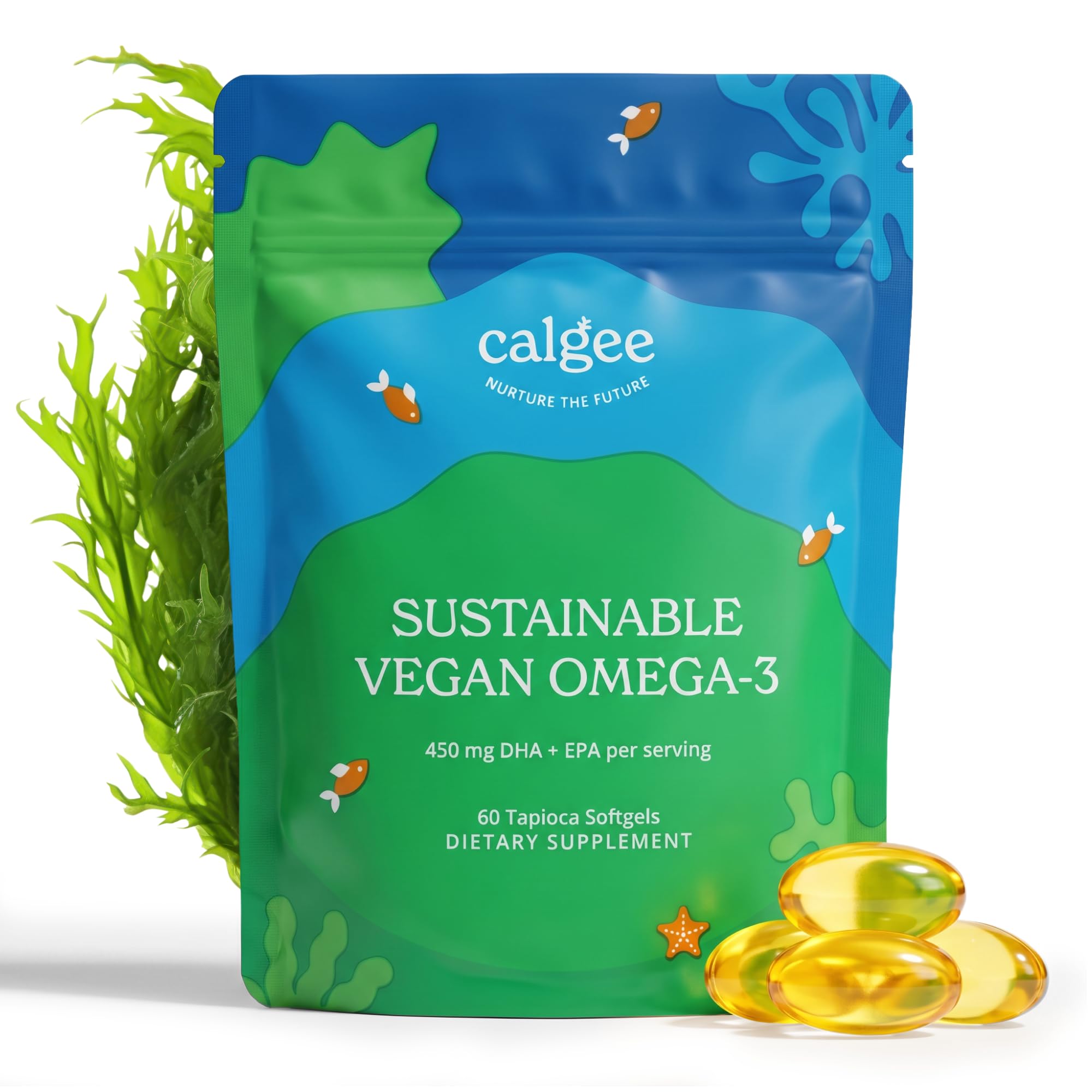
Calgee is the clear winner for anyone who reads “other ingredients” lists obsessively. The softgel shell is made from tapioca starch — completely free of carrageenan, sorbitol, corn starch, soy, and artificial colors. That matters because carrageenan, despite being plant-derived, can provoke inflammatory responses in some people. Calgee’s tapioca-based capsule eliminates that variable entirely, making this the most digestive-friendly option in the category.
The oil itself is water-extracted from algae grown indoors in freshwater tanks — no ocean contamination risk, no bycatch, no microplastic exposure. Every batch is tested by Eurofins Scientific, and the brand publishes the results. The 450 mg combined DHA+EPA per serving is stable and third-party verified. Users report significant biomarker improvements: one reviewer noted a 30-point HDL increase within months of switching from no omega-3 source to this product.
The trade-off is the lowest total bottle count of the premium tier and a higher per-capsule cost. But if dietary purity and batch transparency are non-negotiable for you — if you want to know exactly which lab verified the numbers on the label — Calgee justifies every penny of its premium positioning. The carbon-negative sugarcane pouch is a bonus, not the reason to buy it.
Why it’s great
- Carrageenan- and sorbitol-free tapioca softgel
- Eurofins third-party verification on every batch
- Water-extracted, no ocean contamination risk
Good to know
- Lower bottle quantity per dollar
- Refrigeration recommended for long-term freshness
4. Nordic Naturals Algae DHA

Nordic Naturals has been a fixture in the omega-3 space for decades, and their algae-based DHA carries the same quality infrastructure as their fish oil line. Each serving delivers 500 mg of DHA — one of the highest per-capsule DHA counts in this comparison — certified vegan by the American Vegetarian Association. The softgels are third-party tested for purity and are free from gluten, dairy, and artificial additives.
The formula is DHA-only, with no EPA content. That makes it ideal for prenatal use, infant development, and general brain and eye health support, but less suited for users seeking the anti-inflammatory benefits of EPA. If you’re already getting EPA from another source (like flax or a separate supplement), this is a clean, concentrated DHA addition. If you want both in one pill, you’ll need to look at TAHIRO or a combined product.
Customers consistently note the absence of fishy taste or stomach upset, even after three months of daily use. The bottle size is 60 softgels (30 servings at 2 per day), which means a monthly supply runs out quickly if you’re taking the full dose. The brand trust is earned — decades of third-party testing and a well-known commitment to sustainability — but for EPA seekers, this is best used as a complementary product rather than a standalone solution.
Why it’s great
- High-potency DHA at 500 mg per serving
- AVA Certified Vegan with rigorous third-party testing
- No stomach upset or fishy aftertaste
Good to know
- DHA-only — no EPA for anti-inflammatory support
- 2-softgel serving size reduces bottle longevity
5. Micro Ingredients Vegan Omega 3 Algae Oil

Micro Ingredients solves the cost-per-serving problem that keeps many people from sticking with algal oil. At 240 softgels per pouch, you’re paying less than most competitors charge for 60 or 90 capsules, even though the serving size is 3 softgels. The formula combines algal oil with flaxseed oil and ALA, creating a 3-in-1 omega profile that includes 500 mg DHA and 100 mg DPA per serving.
The lemon flavor is the standout feature here. Users consistently report that the light lemon taste completely masks any residual algae notes, making the 3-softgel dose far more palatable than unflavored alternatives. The softgels themselves are carrageenan-free, and the brand emphasizes third-party lab testing, though the specific lab isn’t named on the front label. For the price point, the transparency is adequate but not at Calgee’s level.
The main compromise is the serving size — 3 softgels daily instead of the industry-standard 1 or 2. That’s three extra swallows per day, and the bottle won’t feel as bottomless as the 240 count suggests when you’re using 90 per month. But if your budget is the primary constraint and you want a solid DHA dose without fishy burps, the math works in your favor. The flaxseed addition also provides ALA, which is an extra omega-3 fraction most pure algal oils lack.
Why it’s great
- Excellent value per serving at 240 softgels
- Lemon flavor eliminates any aftertaste
- Includes flaxseed oil and ALA for broader omega profile
Good to know
- 3-softgel serving size is higher than average
- Third-party testing lab not explicitly named
FAQ
Is algal oil as effective as fish oil for raising omega-3 levels?
Can I take algal oil during pregnancy instead of fish oil?
Why do some algal oil softgels cause burps and others don’t?
Final Thoughts: The Verdict
For most users, the best algal oil supplement winner is the Garden of Life Dr. Formulated Prenatal Vegan DHA because it combines triglyceride-form DHA, naturally occurring SPMs, and third-party certifications in a once-daily softgel designed for the most demanding use case — pregnancy. If you want a balanced DHA-to-EPA ratio for general health, grab the TAHIRO Vegan Omega-3. And for absolute purity — carrageenan-free, sorbitol-free, with Eurofins-verified batch testing — nothing beats the Calgee Algae Omega 3.

Mo Maruf
I created WellFizz to bridge the gap between vague wellness advice and actionable solutions. My mission is simple: to decode the research and give you practical tools you can actually use.
Beyond the data, I am a passionate traveler. I believe that stepping away from the screen to explore new environments is essential for mental clarity and physical vitality.