Psoriasis itching can ease when you cool the skin, moisturize right after washing, and treat redness early with topicals.
If you’re searching how to stop psoriasis itch, you’re probably dealing with that nagging urge to scratch that shows up at the worst moments. Scratching can feel good for a beat, then the sting arrives and the patch looks angrier. The goal isn’t “never feel an itch again.” It’s to cut the itch down, shorten flare time, and keep your skin from cracking or bleeding. And your hands will thank you.
This article gives you a practical plan you can use tonight, plus steady habits that make flare days less miserable. It sticks to simple steps and clear warning signs that mean it’s time to call your dermatologist.
| Itch Tactic | How It Helps | Watch Outs |
|---|---|---|
| Cold compress (5–10 minutes) | Dulls nerve signals and cools heat in the plaque | Wrap ice in cloth; don’t freeze skin |
| Thick ointment after bathing | Seals water into the outer layer and cuts dryness itch | Ointments can stain fabric; use old pajamas |
| Short lukewarm shower | Removes sweat and irritants without stripping oils | Hot water can spike itch fast |
| Fragrance-free moisturizer, twice daily | Builds a smoother barrier that itches less | Patch-test new products on a small area |
| OTC itch-relief lotion (pramoxine or menthol) | Temporarily numbs or cools the skin surface | Menthol may sting on open cracks |
| Wet wrap for stubborn areas | Boosts hydration and helps topicals work better | Ask your clinician before wrapping strong steroids |
| Trim nails and use a “press” method | Prevents skin breaks while you ride out a wave of itch | Scratching in sleep still happens; try gloves |
| Topical steroid as prescribed | Turns down inflammation that drives itch and scaling | Follow directions; overuse can thin skin |
| Plan for sweat and friction | Reduces heat buildup that can set off itching | Change out of damp clothes soon |
Why Psoriasis Itch Shows Up
Psoriasis isn’t just “dry skin.” It’s an immune-driven skin condition where inflammation speeds up skin cell growth. That mix can create thick plaques, scale, and tiny breaks in the surface. When the barrier gets rough, nerves in the skin get jumpy and start firing more itch signals.
Heat, sweat, and friction can make that signal louder. So can dryness after a hot shower or harsh soap.
How To Stop Psoriasis Itch Without Breaking Skin
When itch hits, you want a plan that’s faster than your hands. Start with cooling, then lock in moisture, then protect the area so you don’t tear it up.
Cool The Spot First
Grab a clean washcloth, wet it with cool water, wring it out, and hold it on the itchy patch for 5–10 minutes. If you use an ice pack, wrap it in a towel. Cooling calms the surface nerves and can cut the “hot itch” feeling that keeps you scratching.
Pat Dry And Seal In Water
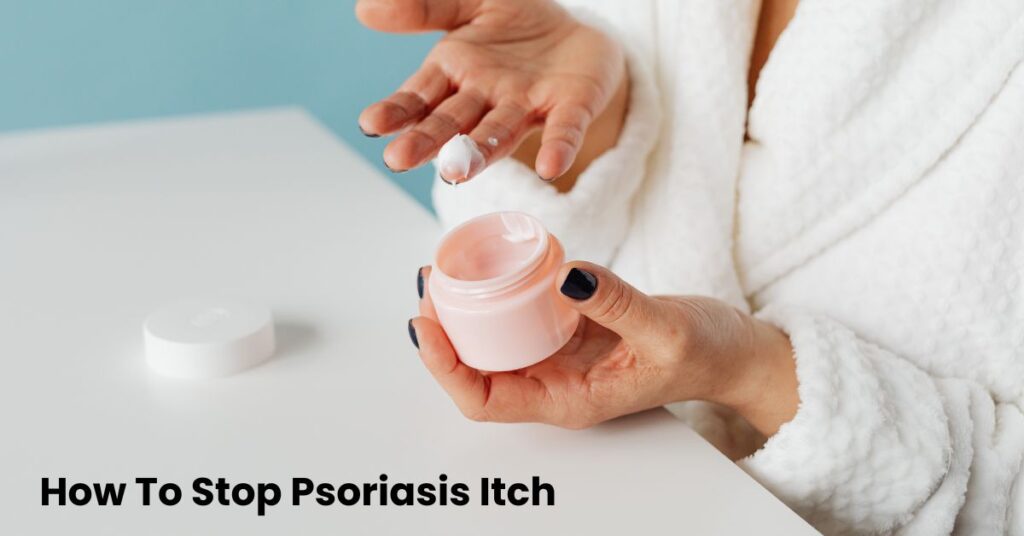
After cooling or washing, don’t rub. Pat dry, then apply a thick ointment or cream while the skin still feels slightly damp. This is one of the quickest ways to reduce itch from dryness.
Use Scratch Substitutes That Don’t Shred Skin
- Press, don’t rake. Use your palm to press the area for 10–20 seconds, then release.
- Tap or pat. Light tapping can “overwrite” the itch signal without breaking the surface.
- Use fabric. If you must rub, do it over clothing with a smooth cotton layer.
Block Night Scratching
Sleep scratching is sneaky. Trim nails short and smooth the edges with a file. If your hands wander at night, try soft cotton gloves. A thin layer of ointment plus gloves can cut friction and help you wake up without fresh scratches.
Bathing And Moisture Timing That Reduces Itching
Water can help or hurt. The difference comes down to temperature, time, and what you put on after.
Keep Showers Short And Lukewarm
A 5–10 minute shower with lukewarm water removes sweat and loose scale without stripping oils. Hot water can set off itching fast, even when it feels soothing in the moment.
Use Gentle Cleansers
Choose fragrance-free, dye-free cleansers. Skip scrubby loofahs and gritty exfoliants on plaques. If you lift scale too aggressively, you can cause pinpoint bleeding and a longer flare.
Try A Soak On Stubborn Days
A short bath can soften thick scale and ease tightness. Many people do well with colloidal oatmeal or Dead Sea salt products. Keep the soak brief, then rinse off and pat dry. Right after, apply moisturizer or your prescribed topical.
Topical Products And Treatments That Calm Itch
Psoriasis itch can come from inflammation, dryness, or both. Products work best when they match the reason you’re itching that day. A simple way to think about it: cool it, moisturize it, then treat the inflammation.
Over-The-Counter Options
Some OTC lotions use pramoxine to numb surface nerves. Others use menthol to create a cooling feeling that distracts from itch. If your skin is cracked, menthol can sting, so test it on a small area first.
Prescription Topicals
When plaques stay red, thick, and itchy, prescription topicals can change the whole week. Topical corticosteroids are common and can reduce redness and itching when used the way your dermatologist directs. Other options include vitamin D analogs or calcineurin inhibitors for certain body areas.
If you want a solid self-care checklist from a dermatology authority, the American Academy of Dermatology’s psoriasis self-care tips lay out moisturizing, bathing, and daily habits that protect plaques.
When Systemic Treatment Enters The Picture
If psoriasis spreads over wide areas, affects nails, or keeps flaring after topicals, your clinician may talk with you about phototherapy or medicines that work through the whole body. For itch-specific education and treatment options, the National Psoriasis Foundation page on itch explains why itch happens and what therapies can help.
Everyday Friction And Heat Problems That Sneak Up
Many itch spikes don’t come from a new product. They come from daily stuff: tight waistbands, sweaty workouts, scratchy fabric, and long days where you forget to moisturize. A few small swaps can lower the number of “itch emergencies” you get each week.
| Situation | What You Can Try | Notes |
|---|---|---|
| Itch spikes after a hot shower | Lower water temp and apply ointment while damp | Heat can make plaques feel “on fire” |
| Scalp itching under hats | Use a medicated shampoo on schedule and air out scalp | Friction and sweat can worsen itch |
| Hands crack and sting | Apply barrier ointment after washing; wear gloves for dishes | Cracks itch as they heal |
| Itch during workouts | Wear moisture-wicking layers; rinse and moisturize soon after | Sweat salt can irritate plaques |
| Waistband or bra line plaques | Switch to softer seams; apply ointment as a friction shield | Pressure plus rubbing can trigger a flare |
| Itch after using fragranced products | Swap to fragrance-free lotion, detergent, and soap | Fragrance can irritate sensitive skin |
| Winter dryness in heated rooms | Use a humidifier and moisturize more often | Dry air can raise itch |
| New red bumps around plaques | Pause new products; ask your clinician about infection | Open scratches raise risk |
Nighttime Steps That Make Sleep Easier
Night is when itch gets loud. You’re still, the room is warm, and distractions are gone. A short pre-bed routine can keep you from waking up in scratch mode.
Do A Two-Layer Moisture Routine
Start with a plain moisturizer, then add a thin layer of ointment on top as a seal. If the area is limited, place soft cotton over it or use a bandage. This keeps sheets from sticking and lowers the scratch temptation.
Keep The Skin Cool
Use lighter blankets and keep a cool pack near the bed. If you wake up itching, hold the cool cloth on the spot for a few minutes. You’ll often fall back asleep faster than if you scratch and restart the cycle.
Plan For Hands That Scratch In Sleep
Trim nails weekly and file them smooth. On rough nights, cotton gloves can help.
When Itch Means You Should Call A Clinician
Itch is common with psoriasis, yet some changes point to a new issue. If a plaque becomes hot, swollen, painful, or starts oozing, you may have an infection. Fever, spreading redness, or red streaks also merit quick medical attention.
Call your dermatologist if itch keeps you from sleeping for several nights, if cracks won’t heal, or if you’re using OTC itch products daily with little relief. A clear prescription plan can cut itching and lower flare frequency. If you feel joint pain, morning stiffness, or swelling, mention it. Psoriatic arthritis can travel with skin symptoms and deserves early care.
Build A Routine So Itch Hits Less Often
Once you get a few calmer days, hold onto them with steady habits. Aim for moisturize-on-wake and moisturize-before-bed. Keep one product where you’ll see it: by the sink, next to your toothbrush, or in your bag.
Track what sets off your worst itch weeks. Was it a new soap? Extra sweating? A stretch of missed moisturizers? You don’t need a fancy journal. A quick note on your phone can help you spot patterns and skip repeat mistakes.
Simple Checklist For The Next Itch Wave
- Cool the patch for 5–10 minutes.
- Pat dry, then apply moisturizer and a thin ointment seal.
- Press or tap the area instead of scratching.
- Place soft cotton over the area if friction is setting it off.
- Use prescribed topicals on schedule, not only when it’s unbearable.
- Call your clinician if you see oozing, warmth, spreading redness, or fever.
If you came here for how to stop psoriasis itch fast, start with cooling and moisture timing tonight. Then keep the routine steady for a week. That’s when many people notice the itch losing its grip on rough days.
References & Sources
- American Academy of Dermatology (AAD).“Psoriasis: Self-Care.”Practical self-care steps on bathing, moisturizing, and daily habits for psoriasis.
- National Psoriasis Foundation (NPF).“Psoriasis Itch.”Explanation of why itch happens in psoriasis and common treatment paths.

Mo Maruf
I created WellFizz to bridge the gap between vague wellness advice and actionable solutions. My mission is simple: to decode the research and give you practical tools you can actually use.
Beyond the data, I am a passionate traveler. I believe that stepping away from the screen to explore new environments is essential for mental clarity and physical vitality.