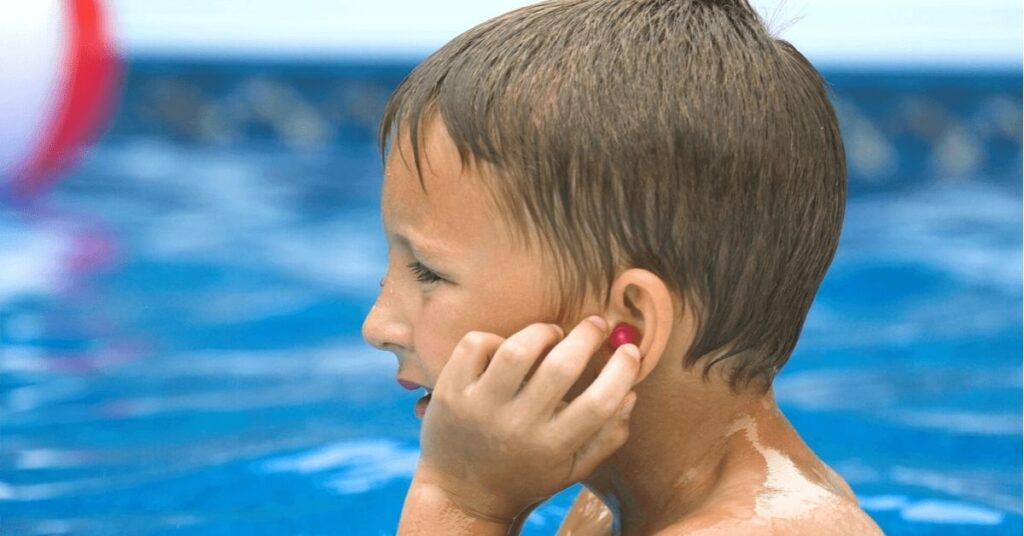
Swim-related ear clogging often clears by draining trapped water and opening the Eustachian tube with swallowing, jaw moves, and pressure changes.
You hop out of the pool and your hearing turns muffled. It can feel like your ear has a plug, or like there’s water swishing when you move your head. Most of the time it’s not a mystery problem. It’s water stuck in the ear canal, pressure behind the eardrum, or both.
Searched how to unclog ears from swimming? Start right below.
This article maps a sequence that starts with low-risk moves and adds more only if you still feel blocked. You’ll also see signs to stop early and get checked.
| What You Feel After Swimming | What Might Be Going On | What To Try First |
|---|---|---|
| Sloshy feeling when you tilt your head | Water trapped in the outer ear canal | Gravity drain with head tilt and ear lobe tug |
| Muffled hearing with no pain | Water film on the eardrum or swollen earwax | Drying steps: towel, jaw motion, warm cloth |
| Pop or click when you swallow | Eustachian tube opening and closing | Swallow, yawn, chew gum, sip water |
| Pressure that rises after you leave the water | Eustachian tube not venting well | Nose pinch with light exhale, then swallow |
| Itching in the canal | Irritated skin, early swimmer’s ear risk | Dry the canal; avoid scratching or swabs |
| Sharp pain, worse when you pull the outer ear | Swimmer’s ear may be starting | Stop home clearing; arrange a medical visit |
| Drainage, blood, or sudden hearing drop | Possible eardrum injury or infection | Skip drops and pressure tricks; get urgent care |
| Dizziness or spinning sensation | Inner ear irritation is on the table | Sit still; seek urgent assessment |
Why Ears Feel Clogged After A Swim
Your ear has three parts: the outer ear canal, the middle ear behind the eardrum, and the inner ear that handles balance and hearing signals. Swimming usually triggers trouble in the first two.
Trapped Water In The Ear Canal
Pool or ocean water can sit in the ear canal, held in place by the canal shape, earwax, or a tight seal from earbuds or swim plugs. When that water sits, sound waves don’t travel the same way, so everything feels muted. If the skin stays wet, irritation can follow.
Pressure Behind The Eardrum
The middle ear connects to the back of your nose through the Eustachian tube. Its job is to let air move in and out so pressure stays even. After swimming, mucus, allergies, or a head cold can keep that tube from opening. The result is pressure and a blocked sensation, even if there’s no water in the canal.
Earwax That Swells When Wet
Earwax can soak up water and expand. If you already have a narrow canal or a wax buildup, the swelling can act like a stopper. That’s why some people feel fine in the shower, then feel clogged after a long swim session.
How To Unclog Ears After Swimming With Safe Moves
If you want a simple rule, start with gravity and jaw motion. Then add mild pressure changes only if you have no pain, no drainage, and no history of a torn eardrum or ear tubes.
Step 1: Use Gravity First
Stand or sit upright. Tilt the blocked ear down toward your shoulder. Hold that position for 30 to 60 seconds. While you’re there, pull the ear lobe down and back, then release. That straightens the canal and gives water a path to slide out.
Tip: Add A Towel Catch
Press a towel to the outer ear, not inside it. Let the towel catch any drips. Skip cotton swabs. Swabs can push wax deeper and scratch the canal.
Step 2: Create A Small “Seal And Release” With Your Palm
With the ear still facing down, place your palm over the ear to make a light seal. Push in and release a few times. You’re trying to shift the water, not pound it. If you feel pain, stop.
Step 3: Move Your Jaw And Throat
Chew gum, yawn, or swallow with small sips of water. These moves help the Eustachian tube open. If you hear a pop and your hearing clears, you’ve likely solved the pressure piece.
Step 4: Try A Warm Cloth On The Outer Ear
Heat can thin sticky mucus and help the tube open. Hold a warm, dry cloth against the ear for 5 to 10 minutes. Keep the cloth warm, not hot. Then repeat swallowing or chewing.
Step 5: Use A Nose Pinch With A Light Exhale
This is the classic equalizing move. Pinch your nostrils closed. Keep your mouth shut. Exhale lightly against the closed nose for one second, then stop and swallow. The goal is a small pressure nudge, not a blast. If you feel pain, stop right away.
How To Unclog Ears From Swimming
If you’re still blocked after the steps above, the next question is whether the problem is trapped water, swollen wax, or an irritated canal. Your next move depends on that.
When It Feels Like Water Is Still Sitting In The Canal
Drying the canal can help water evaporate. One option is an over-the-counter ear-drying drop made for swimmers. Another is a home mix used by many clinicians: equal parts white vinegar and rubbing alcohol. This can sting if the skin is raw, and it should not be used if you have ear tubes, a punctured eardrum, ear drainage, or active ear pain.
The CDC lists the same safety checks for ear-drying drops and warns against putting objects into the ear canal. You can read the details on CDC tips for preventing swimmer’s ear.
Mayo Clinic also describes the vinegar-and-alcohol mix and flags the same caution about a punctured eardrum. See Mayo Clinic swimmer’s ear symptoms and causes for the wording and context.
When You Suspect Swollen Earwax
If your ear feels stuffed and the sound is dull, wax may be part of the story. Water can turn wax into a soft plug. Digging at it tends to pack it tighter. If you often get wax plugs, swim plugs that fit well can help.
At home, avoid oil drops or wax-softening drops unless you’re sure your eardrum is intact. If you’ve had ear surgery, tubes, or past eardrum injury, it’s safer to get a clinician to check before you put any liquid in the canal.
When The Blocked Feeling Is Mostly Pressure
Pressure usually shifts with swallowing, chewing, and light equalizing. It can linger after a cold or allergy flare. You can also try a “swallow with pinched nose” move: pinch your nostrils, take a sip of water, then swallow. Many people find this easier than exhaling against a pinched nose.
What Not To Do While Clearing A Swimmer’s Clog
Some common tricks feel satisfying in the moment, yet they can scrape skin, push wax deeper, or raise infection risk. Here are the big ones to skip.
- Don’t put cotton swabs, fingers, hairpins, or tissue in your ear.
- Don’t blast air from a hair dryer into the canal. If you use a dryer, keep it on low, hold it far away, and aim across the ear, not into it.
- Don’t keep repeating forceful pressure equalizing if it hurts.
- Don’t keep swimming with a painful ear. Water plus irritated skin can spiral into swimmer’s ear.
When To Stop And Get Medical Care
A clogged ear after swimming is common. Pain, fever, drainage, or worsening hearing is a different category. Use this list as your stop sign.
| Red Flag | Why It Matters | What To Do Next |
|---|---|---|
| Ear pain that ramps up over hours | Swimmer’s ear can move fast | Arrange a same-day clinic visit |
| Pain when you tug the outer ear | Points toward outer canal infection | Stop drops and pressure moves |
| Drainage, pus, or blood | Infection or eardrum injury is possible | Seek urgent assessment |
| Fever or feeling sick | System symptoms need a check | Get medical care soon |
| New ringing or sudden hearing drop | Needs prompt evaluation | Urgent care or ENT clinic |
| Dizziness, spinning, or vomiting | Inner ear issue may be present | Emergency care |
| Symptoms last more than 48 hours | Trapped water can irritate the canal | Schedule an exam |
How To Keep Ears From Clogging Next Time
Once your ears clear, a few habits cut the odds of a repeat. None are fancy. They just keep the canal dry and limit irritation.
Dry Your Ears Right After You Swim
Tilt each ear down for a minute, then blot the outer ear with a towel. Do a few big swallows on the walk back to the locker room. If you use swimmer ear drops, use them only when your ears are healthy and you know you don’t have tubes or a torn eardrum.
Use Swim Plugs That Fit
Loose plugs leak. Tight plugs hurt and can scrape the canal. A good fit feels snug and stays put when you turn your head. Rinse reusable plugs and let them dry between swims.
Respect Your Earwax
Wax isn’t dirt. It helps shield the canal skin. If you’re a wax-plug regular, ask a clinician about safe wax removal and a schedule that matches your swim routine.
Watch For Early Swimmer’s Ear Clues
Itching, mild soreness, and a feeling of fullness can be the first hints. Dry the ear, skip swimming for a day, and don’t scratch. If pain builds, get checked before it turns into a bigger problem.
Putting It All Together Without Overthinking It
Most clogged ears clear with gravity and time. Run through the steps once, then pause. Repeating forceful tricks can irritate the canal.
If you searched for how to unclog ears from swimming because it keeps happening, treat it like a pattern. Dry your ears after each session, keep swabs out, and use drops only when the safety rules fit. If pain, drainage, dizziness, or fever shows up, stop and get checked.
References & Sources
- Centers for Disease Control and Prevention (CDC).“Preventing Swimmer’s Ear.”Safety notes on ear-drying drops and avoiding objects in the ear canal after swimming.
- Mayo Clinic.“Swimmer’s ear: Symptoms & causes.”Overview of swimmer’s ear risk and guidance on drying drops when the eardrum is intact.

Mo Maruf
I created WellFizz to bridge the gap between vague wellness advice and actionable solutions. My mission is simple: to decode the research and give you practical tools you can actually use.
Beyond the data, I am a passionate traveler. I believe that stepping away from the screen to explore new environments is essential for mental clarity and physical vitality.