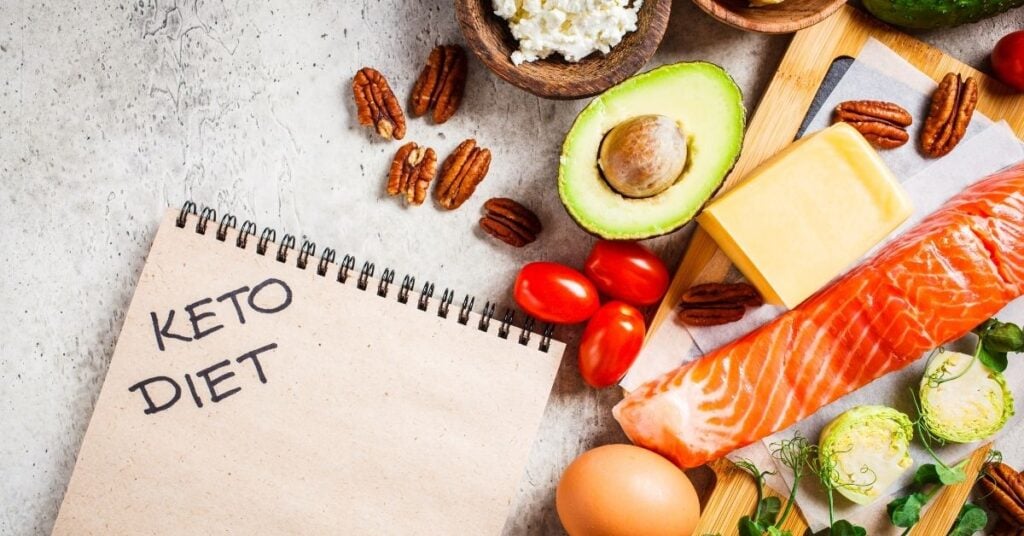
A keto start works best when you set a clear carb cap, build simple meals you’ll repeat, and track how you feel for 14 days.
Keto can feel like a big switch. One day you’re eating toast and fruit, the next you’re scanning labels and counting carbs. If you searched how to start keto diet for weight loss, you want a start that feels steady, not chaotic.
This page walks you through a practical setup: what to buy, what to eat, how to handle the first week, and how to dodge the usual traps that slow progress. You’ll also get a simple way to test keto for two weeks so you can keep what works and drop what doesn’t.
Keto isn’t magic. It’s a low-carb plan that nudges your body toward using more fat for fuel. Some people like the appetite control and the simple rules. Others feel flat or miss carbs too much. A clean start gives you the best shot at finding out which group you’re in.
| Starter Step | Why It Helps | Do This Today |
|---|---|---|
| Set net carbs | Moves you toward ketosis | Start at 20–30 g net carbs per day |
| Set protein | Helps keep muscle while dropping fat | Aim for 1.2–1.6 g per kg goal body weight |
| Pick repeat meals | Stops daily decision overload | Choose 5 breakfasts + 5 dinners you’ll rotate |
| Stock low-carb veg | Adds fiber and plate volume | Leafy greens, zucchini, broccoli, cauliflower |
| Plan snacks | Keeps you from “panic eating” | Hard-boiled eggs, cheese sticks, olives, nuts |
| Handle electrolytes | Reduces early headaches and fatigue | Salt meals, eat potassium foods, add magnesium if needed |
| Track for 14 days | Shows what’s happening in real life | Log carbs, protein, hunger, sleep, workouts |
| Set a stop rule | Keeps you safe if symptoms stack up | Get medical help for fainting, chest pain, severe vomiting |
Who Keto Fits Best And Who Should Skip It
Keto often suits people who like clear boundaries. “Keep carbs low” is easy to follow once your kitchen matches the plan. It can also work well if you prefer savory meals and don’t want frequent snacks.
Some people should not start a strict low-carb plan without medical guidance. That includes anyone using insulin or glucose-lowering medicines, people who are pregnant or breastfeeding, and people with kidney, liver, or pancreas disease. If that’s you, talk with your doctor before you drop carbs fast.
Even if you’re healthy, the first week can bring constipation, cramps, lightheadedness, or a foggy feeling. That usually ties back to fluid and electrolyte shifts. You can plan for that instead of getting blindsided.
How To Start Keto Diet For Weight Loss Step By Step
This is the cleanest way to begin: set numbers, set your kitchen, then run a two-week test. Treat it like a trial. You’re learning what your body does when carbs drop.
Step 1: Pick a carb cap you can follow
Most beginners do well with 20–30 grams of net carbs per day. Net carbs means total carbs minus fiber. Start with whole foods so tracking stays simple. Packaged “keto” treats can wait until you’ve got your footing.
Choose one tracking method and stick with it daily for 14 days. A food app is fine. A notes app is fine. Pen and paper is fine. The habit matters more than the tool.
Step 2: Set protein first
Protein is your anchor. Too little protein can leave you hungry and can make training feel rough. A solid starting range is 1.2–1.6 grams of protein per kilogram of your goal body weight.
Split protein across meals. That usually means 25–45 grams per meal for many adults, depending on body size. If you lift weights, you may feel better near the upper end of your range.
Step 3: Add fat for satiety, not as a free-for-all
On keto, fat fills in the rest of your calories. It also makes meals satisfying. Still, it’s easy to overshoot calories with oils, nuts, and cheese. Use fat to feel comfortably full, then stop. You don’t need to “hit” a giant fat number every day.
Step 4: Build a small meal list you’ll repeat
Early keto tends to fail in the kitchen. If every meal needs a new recipe, burnout shows up fast. Pick a short list you like and repeat it. Variety can come later.
- Breakfast ideas: eggs with spinach; plain Greek yogurt with chia; smoked salmon with cucumber.
- Lunch ideas: chicken salad over greens; bunless burger with slaw; tuna with olive oil and pickles.
- Dinner ideas: steak and broccoli; salmon and asparagus; taco bowl with lettuce, cheese, and salsa with no added sugar.
Starting A Keto Diet For Weight Loss With A Two-Week Test
Two weeks is long enough to see patterns and short enough to stick with even if you’re unsure. During this window, keep your routine steady: similar meal timing, similar sleep timing, and workouts that don’t change wildly from day to day.
Days 1–3: Clear out sneaky carbs
Most carb blowups come from sauces, drinks, and “healthy” snacks. Check your kitchen for sweet dressings, ketchup, granola, flavored yogurt, juice, and bars. Swap them for simple staples like olive oil, vinegar, mustard, plain dairy, eggs, meat, and low-carb vegetables.
If you drink alcohol, pause it for the first two weeks. It can slow progress, mess with sleep, and make hunger harder to read.
Days 4–7: Get ahead of electrolytes
When carbs drop, your body sheds water. You may see a fast scale drop early. That’s mostly water. The downside is you also lose sodium, and your body holds less potassium and magnesium. That’s where headaches, fatigue, and cramps can show up.
Salt your meals. Use broth if you like it. Eat potassium-rich keto foods like avocado, spinach, and salmon. If you add magnesium, follow label directions and stop if it upsets your stomach.
Week 2: Tighten calories without feeling starved
Keto can reduce appetite, but it can also lead to “fat creep,” where oils and nuts push calories up without you noticing. Use a simple rule: keep protein steady, keep carbs low, then add fat until you feel calm and satisfied.
For a steady pace, many people aim for a weekly rate that’s not aggressive. The NIDDK page on choosing a safe weight-loss program spells out what safe rates and red flags look like, which helps you keep expectations grounded.
What To Eat On Keto Without Getting Stuck
Keto gets easier when your shopping list is built around three parts: a protein, a low-carb vegetable, and a fat that tastes good. Keep those parts stocked and you’ll stop “winging it” at 6 p.m.
Proteins that stay easy
Pick proteins you’ll actually cook: eggs, chicken thighs, ground beef, turkey, pork chops, tofu, sardines, salmon, and shrimp. Choose minimally processed items most days. Deli meats and sausages can fit, but read labels for added sugar.
Low-carb vegetables that carry meals
Think green and crunchy: lettuce, spinach, arugula, cucumbers, zucchini, mushrooms, asparagus, broccoli, cauliflower, cabbage, and green beans. Roast them, sauté them, or shred them into slaws. They help with fullness and bathroom regularity.
Fats that earn their spot
Use fats that add flavor: olive oil, avocado oil, butter, ghee, olives, avocado, nuts, seeds, and full-fat dairy. Watch “liquid calories.” It’s easy to pour a lot of oil into a pan and never notice it.
Drinks and sweet tastes
Water, coffee, tea, and sparkling water work well. If you use sweeteners, keep them minimal in week one. Some people find that sweet tastes ramp up cravings even when carbs stay low.
Label Reading And Eating Out Without Guessing
Front-of-package “keto” claims can mislead. Flip the item over. Check total carbs, fiber, and added sugars. In week one, stick to foods with short ingredient lists and no added sugar.
When eating out, order a protein and a non-starchy side. Swap fries for salad, skip sweet sauces, and ask for dressing on the side. When you’re unsure, pick the plain option. A grilled steak with broccoli is easier to track than a “keto” dessert.
Common Mistakes That Stall Progress
Most stalls have boring causes: hidden carbs, extra calories from fats, poor sleep, or stress eating. Keto doesn’t remove those realities. It just changes the menu.
Hidden carbs from drinks and condiments
Sweet coffee drinks, smoothies, and sauces can push carbs up fast. If progress slows, check beverages first. Next, check condiments and snack foods.
Protein slipping too low
Low protein can leave you hunting for snacks. Then fats creep up. If you feel snacky all day, raise protein at meals before adding more fat.
Chasing ketone numbers
Urine strips can turn unreliable once your body adapts. Blood meters can help some people, but they can also distract. Fat loss still comes from a calorie deficit over time. Ketosis is a tool, not the finish line.
Side Effects To Watch And What To Do
Early side effects are common. Most are mild and fade as your body adjusts. Pay attention anyway. Your goal is steady progress with stable energy, not white-knuckling through misery.
Headache, dizziness, fatigue
Try salt and fluids first. Salt meals, drink water, and add broth if you like it. If symptoms keep stacking up, stop and talk with a clinician. A sharp carb drop can interact with blood pressure or blood sugar medicines.
Constipation
Fiber and fluids fix many cases. Add leafy greens, chia, flax, and zucchini. Magnesium can help some people. Keep fat intake steady; big swings can upset your gut.
Leg cramps
Cramps often link to low magnesium or low sodium. Salt meals and try magnesium. If cramps are severe or come with swelling, get medical care.
Training During Your First Two Weeks
Your first week can feel slower in the gym. That’s normal. Your muscles hold less glycogen when carbs drop, and that changes how workouts feel. Stay consistent, but dial down intensity if you feel flat.
Strength work
Keep lifting. Use the same exercises, but cut a set or two in week one if needed. Keep protein steady and hydrate well.
Cardio and steps
Easy cardio and daily steps fit well during the transition. Long hard sessions can feel rough early on. Give your body time to adapt.
Table: Simple Keto Swaps You’ll Use All Week
This table helps you switch common meals without turning your kitchen upside down. It’s handy when you’re hungry and tempted.
| Instead Of | Try | Why It Works |
|---|---|---|
| Toast and jam | Eggs with sautéed greens | Low carbs, solid protein |
| Oatmeal | Chia pudding with unsweetened milk | More fiber, fewer carbs |
| Rice bowl | Cauliflower rice bowl | Same format, less starch |
| Pasta night | Zucchini noodles with meat sauce | Less starch, still filling |
| Chips | Cucumbers with dip | Crunch with low carbs |
| Sweet latte | Coffee with cream | Fewer sugars |
| Ice cream | Greek yogurt with cocoa and nuts | More protein, less sugar |
| Burger and fries | Bunless burger with side salad | Same protein, fewer carbs |
Keeping Results After The First Two Weeks
Once the first two weeks pass, keto gets quieter. That’s when results tend to show up: steady habits, fewer cravings, and meals you can repeat without drama.
Use a weekly check-in that’s not just the scale
Track three signals: weight trend, waist measurement, and how your clothes fit. A single weigh-in can bounce from water and salt. A weekly average is steadier.
Plan how you’ll eat when life gets messy
Busy weeks happen. Keep a short backup plan: rotisserie chicken, bagged salad, hard-boiled eggs, canned fish, and frozen vegetables. That way you’re still eating keto meals even when cooking time disappears.
Decide your long-term carb level early
Keto doesn’t have to be forever. Some people stay low-carb long term. Others shift to a moderate-carb pattern after reaching a goal. If you want a broad set of nutrition targets to guide that next phase, the Dietary Guidelines for Americans lays out standard food group patterns and limits used in the U.S.
If you’re still searching how to start keto diet for weight loss because you want a clean plan you can follow today, run the two-week test, track what happens, then keep the pieces that feel sustainable. That’s how keto turns from a stressful idea into a routine you can live with.
References & Sources
- National Institute of Diabetes and Digestive and Kidney Diseases (NIDDK).“Choosing a Safe Weight-loss Program.”Outlines safe weight-loss rates and warning signs to avoid.
- U.S. Department of Agriculture (USDA) and U.S. Department of Health and Human Services (HHS).“Dietary Guidelines for Americans.”Provides national nutrition guidance that can help plan eating patterns after keto.

Mo Maruf
I created WellFizz to bridge the gap between vague wellness advice and actionable solutions. My mission is simple: to decode the research and give you practical tools you can actually use.
Beyond the data, I am a passionate traveler. I believe that stepping away from the screen to explore new environments is essential for mental clarity and physical vitality.