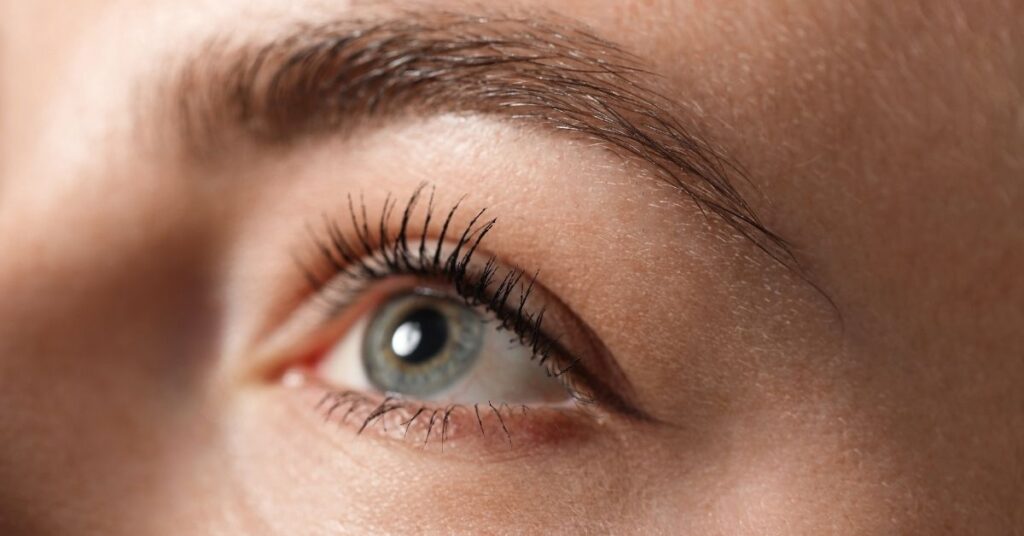
Eyebrow hairs tend to return when you stop trauma, keep follicles calm, and give each growth cycle time to finish.
If you’re here for how to grow your brows, start by thinking less about “making hair appear” and more about removing the stuff that keeps follicles stuck. Thin brows usually come from repeated removal, irritation right at the skin line, or a body-level trigger that slows hair cycling.
The plan is simple on paper: stop the damage, keep the brow line comfortable, and stay consistent long enough for new hairs to push through. The hard part is patience, since brow regrowth rarely shows up in days.
Taking An Eyebrow Growth Approach That Fits Your Situation
| Situation | What helps most | What to avoid |
|---|---|---|
| Over-tweezed or waxed brows | Pause removal for 8–12 weeks, brush daily, fill with makeup while you wait | “Just one hair” plucking, magnifying mirrors that tempt over-picking |
| Patchy spots from picking or rubbing | Cover the mirror trigger, keep nails short, use a bland ointment on irritated skin | Scrubbing, harsh exfoliants, fragranced brow gels |
| Dry, flaky skin under the brow | Gentle cleanse, moisturize, treat dandruff-type flakes with an anti-yeast wash used carefully | Alcohol-heavy toners, peeling acids near the brow line |
| Sparse tails (outer third) | Check friction (sleep masks, helmets), reduce rubbing, map a softer tail shape | Sharp pencil lines that force daily hard cleansing |
| Sudden shedding in both brows | Track timing: illness, new meds, stress spike; book a dermatology visit if fast or severe | Blaming one product without checking timing and pattern |
| Postpartum or after stopping hormonal meds | Give it 3–6 months, keep skin calm, use light filling techniques | High-tension threading while shedding is active |
| Age-related thinning | Gentle grooming, protein at meals, tinted gels, longer timelines | Strong retinoids placed right up to the brow hairs |
| History of eczema or contact reactions | Patch-test new products, keep formulas simple, switch to fragrance-free removers | Fragrant plant oils, “tingly” growth serums, frequent product swapping |
Growing Your Brows Back After Over-tweezing
Brows grow in a shorter cycle than scalp hair. That’s why they can feel “stuck” for weeks, then show a small burst of change. It also means some areas may never return if follicles were damaged over many years.
Still, most people see a clear improvement once irritation stops and the skin barrier stays steady. A calmer brow line sheds less, breaks hairs less, and gives new growth a clean path out.
What a normal timeline often feels like
- Weeks 1–2: Redness settles, fewer broken hairs, less itch or flake.
- Weeks 3–6: Tiny “vellus” hairs appear; they’re soft and easy to miss.
- Weeks 7–12: More dark, thicker hairs arrive; gaps start to close.
- Months 3–6: Shape looks steadier; you can trim strays instead of plucking the line.
Take progress photos every two weeks, in the same light, with the same face angle. Daily mirror checks can mess with your head and tempt you to pull “strays” that are actually new growth.
How To Grow Your Brows With A Low-drama Daily Routine
The fastest gains come from not doing too much. Brows sit on thin facial skin, so irritation can shut down growth signals. Run this routine for at least eight weeks before you judge it.
Step 1: Stop the repeated trauma
Give tweezers, wax, and threading a break. If you must tidy, limit it to hairs clearly outside your intended shape, and do it in daylight, not under a strong vanity bulb.
If picking is part of the story, move tweezers to a different room. Add a small speed bump between the urge and the action.
Step 2: Cleanse softly and remove makeup without friction
Use a gentle cleanser, then lift brow makeup with a soaked cotton pad held on the area for a few seconds. Let the product loosen pigment so you can wipe once or twice, not ten times.
Rubbing is a common reason tails stay thin. It also frays hairs mid-shaft, so brows look sparse even when follicles are trying.
Step 3: Moisturize the skin line, not the hairs
Dry, tight skin can flake and carry hairs with it. Apply a small amount of plain moisturizer along the brow line after cleansing.
If you want an occlusive layer at night, a thin film of petroleum jelly can cut water loss and reduce rubbing from pillows. Keep it light so it doesn’t migrate into the eyes.
Step 4: Brush to set direction and spot progress
Use a clean spoolie. Brush up and out once daily. This won’t magically create new follicles, but it keeps styling gentle, spreads natural oils, and helps you notice new hairs early so you don’t pluck them by mistake.
Step 5: Eat for steady hair building blocks
Hair is made from protein, and low intake can show up in brows, lashes, and nails. Aim for protein at each meal, plus iron-rich foods and zinc sources.
If you’re vegetarian or you have heavy periods, iron can run low. If fatigue, pale skin, or shortness of breath show up, bring it up at your next checkup.
Common reasons brows thin out
Some brow loss is about grooming habits. Some points to a skin condition, hormone shifts, or immune-driven hair loss. The pattern often tells you what to do next.
Over-plucking and harsh removal
Follicles dislike repeated ripping. Over time, some hairs come back finer, and some stop returning. The earlier you stop, the better your odds.
While you wait, fill with a pencil using hair-like strokes, then set with a tinted gel so the finish stays soft and natural.
Irritant and allergy reactions
Fragrance and strong preservatives can inflame the brow line and interrupt growth. If brow gel or soap brows leave burning or flakes, switch to a simpler formula and a gentler remover.
Wash brushes weekly. Replace old spoolies you’ve reused from mascara tubes, since they can hold buildup and irritants.
Skin conditions at the brow line
Flaking under brow hairs can loosen hairs at the root. Dandruff-type scaling can show up on brows, not just the scalp.
If you also get scalp flakes, a gentle anti-dandruff shampoo used as a quick face wash (kept out of eyes) can help. If redness spreads or stings, a dermatologist can confirm the cause and pick a facial-safe plan.
Autoimmune hair loss and sudden patches
Round, smooth bald spots in the brows can point to alopecia areata. This condition can come and go, and early treatment can make a difference for some people.
The American Academy of Dermatology explains common patterns and treatment paths on its page about alopecia areata, which can help you describe what you’re seeing before an appointment.
Choosing products that don’t backfire
Brow oils and serums can reduce breakage and keep the skin line comfortable, but not every bottle is a win. Some formulas rely on “tingle” ingredients that leave the brow line sore, which is the opposite of what you want.
Simple oils
Oils can cut friction and reduce breakage, so brows look fuller while true regrowth happens quietly. Use a pinhead amount on clean skin at night.
If you wake up with clogged pores, use less, apply only to hair tips, or switch to a lighter oil.
Peptides and conditioning serums
These can make hairs feel smoother and less brittle. Choose fragrance-free formulas and patch-test on the side of the neck for two nights.
Stop if you get burning, swelling, or tiny bumps. Your skin is giving you an answer.
Minoxidil: what to know before trying it
Some people use topical minoxidil off-label on brows. It can irritate facial skin, and it is dangerous to pets if they lick it. Keep that risk front and center.
If you’re curious, read the safety notes on MedlinePlus minoxidil topical first, then ask a clinician whether it fits your history. Never put it into the eye area.
Tools and techniques that make regrowth easier
When you’re growing brows out, the goal is a routine that lets new hairs stay put. Small technique changes can stop the cycle of pulling hairs out while trying to “fix” the shape.
Mapping a shape that matches natural growth
Use a brow pencil to mark three points: start (side of nostril straight up), arch (nostril through the iris), and tail (nostril to outer corner). Then fill lightly.
If your natural tail is short, keep the drawn tail soft and slightly lifted so it doesn’t demand heavy daily scrubbing to erase and redo.
Trimming instead of plucking
Long hairs can make brows look messy during regrowth. Brush hairs up, then snip only the tips that extend far past the top line.
This keeps density while you wait for gaps to close.
Makeup that protects the skin
Powders and pencils sit on the surface and often wash off with less rubbing than long-wear gels. That means fewer broken hairs and less irritation.
If you love a strong-hold product, pair it with a gentle remover and a press-and-lift technique, not back-and-forth scrubbing.
How To Grow Your Brows When A Medical Trigger Is Likely
If brow loss is new, fast, or paired with scalp shedding, treat it as a clue, not a cosmetic glitch. Bring a short timeline to your appointment: when it started, new meds, recent illness, and any skin symptoms like scale or itch.
A dermatologist may check for thyroid issues, low iron, or inflammatory skin disease, since each can slow brow cycling. Treating the root cause can bring hair back more reliably than any cosmetic serum.
Product types and safe use notes
| Product type | Best fit | Use notes |
|---|---|---|
| Fragrance-free moisturizer | Dryness, mild flaking, barrier repair | Apply to skin line after cleansing; keep out of eyes |
| Petroleum jelly | Friction from sleep, wind, masks | Thin film at night; cleanse gently in the morning |
| Light facial oil | Breakage, coarse hairs, dry tips | Use a tiny amount; stop if bumps appear |
| Peptide conditioner serum | Brittle hairs, makeup wear | Patch-test; avoid formulas with fragrance |
| Anti-dandruff shampoo (short contact) | Scalp flakes plus brow scale | Massage onto brows for 20–30 seconds, rinse well |
| Soft pencil + tinted gel | Camouflage during regrowth | Remove with press-and-lift, not rubbing |
| Topical minoxidil (off-label) | Stubborn thinning with clinician input | Keep away from eyes; wash hands; keep from pets |
Professional options that don’t derail progress
If you want a polished look while waiting for hairs to return, choose options that don’t pull at follicles. You’re buying time, not trading regrowth for a sharper line.
Tinting and gentle lamination
Tinting can make pale new hairs show up sooner. Lamination can hold wiry hairs in place so brows look fuller without extra makeup.
Patch-test matters here. If you’ve reacted to hair dye or scented products before, mention it and ask for a conservative approach.
Semi-permanent makeup
Microblading and nano-brows can look natural in the right hands, but they still create tiny cuts. If your brow loss is tied to eczema flares, easy irritation, or active flaking, wait until skin is calm for a while.
If you go this route, ask about sterilization, pigment ingredients, aftercare, and how they handle touch-ups when your real hair pattern changes.
Common mistakes that keep brows thin
Most setbacks come from impatience. A few habits can wipe out weeks of progress in one night.
- Over-cleansing: Stripping the skin means you scrub makeup off harder later.
- Switching products every week: You can’t tell what’s helping, and irritated skin sheds more.
- Chasing symmetry hair by hair: Brows are siblings, not twins. Let them fill, then refine.
- Using acids or retinoids too close to the brow: Keep strong actives a finger-width away if you get dryness.
- Sleeping in makeup: Pigment and waxes can trap sweat and itch, which leads to rubbing.
A 30-day plan you can repeat
This plan keeps actions simple so you can stick with it. Take a starting photo today, then repeat on day 15 and day 30.
Days 1–7
- Stop tweezing and waxing.
- Switch to gentle makeup removal with a press-and-lift motion.
- Moisturize the brow line nightly.
Days 8–14
- Brush brows once daily with a clean spoolie.
- Trim tips only if hairs get long and bend over.
- Keep protein steady at meals.
Days 15–30
- Stay consistent. New hairs can be pale at first.
- Fill gaps with light strokes, then set with a tinted gel.
- If itch or scale is still active, book a dermatology visit.
If you’ve been searching for how to grow your brows, treat this month as your reset. Put tweezers away, calm the skin, and let the cycle run.
If you still don’t see change by month three, bring your photos to a dermatologist and ask what might be blocking regrowth.
References & Sources
- American Academy of Dermatology.“Alopecia areata: Overview.”Explains patchy hair loss patterns and common treatment paths that can involve eyebrows.
- MedlinePlus (U.S. National Library of Medicine).“Minoxidil topical.”Lists side effects, safety notes, and handling tips before using minoxidil near the face.

Mo Maruf
I created WellFizz to bridge the gap between vague wellness advice and actionable solutions. My mission is simple: to decode the research and give you practical tools you can actually use.
Beyond the data, I am a passionate traveler. I believe that stepping away from the screen to explore new environments is essential for mental clarity and physical vitality.