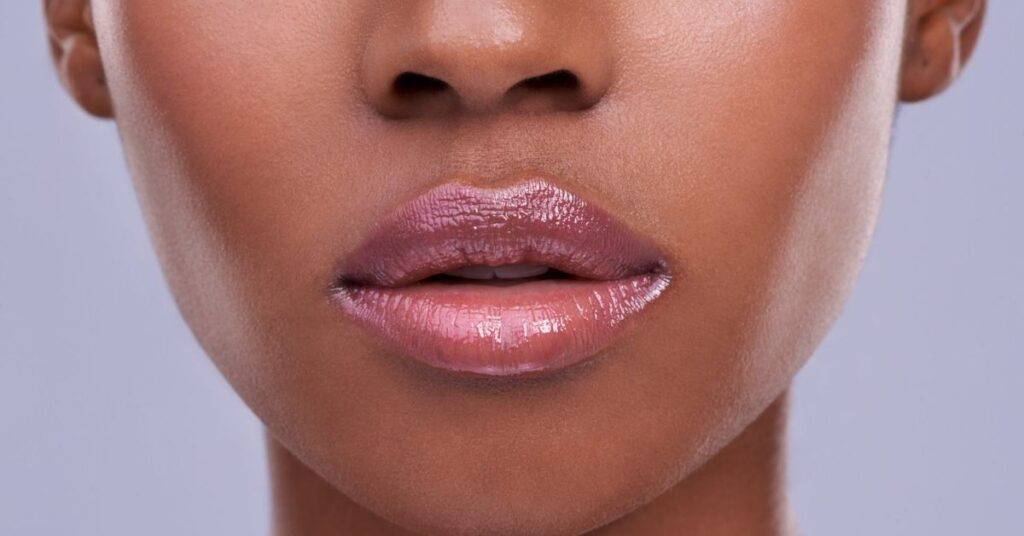
Lip lines can look softer with daily sun protection, steady retinoid use, layered hydration, and targeted resurfacing that doesn’t add volume.
If you’re searching for how to get rid of lip lines without fillers, you’re probably after one thing: a smoother lip area without changing your lip shape. That’s doable. It just takes the right mix of prevention, texture care, and a little patience.
Lip lines come from a few forces working together: thinner skin around the mouth, repeated puckering, sun exposure, and dryness that makes every crease stand out. Lipstick can make the effect louder, especially matte formulas that grip onto texture.
Below, you’ll get a daily routine, ingredient traits that matter, and clinic options that smooth without adding volume. Pick what fits your skin and your schedule, then stay consistent for a couple of months.
| Non-Filler Option | What It Improves | Best Use Notes |
|---|---|---|
| Broad-spectrum SPF 30+ on the lip area | Prevents lines from deepening | Reapply; use a lip balm with SPF or a face sunscreen feathered over the upper lip |
| Night retinoid near the vermilion border | Fine lines, rough texture | Start slow; keep a small “no-go” zone on the pink lip to avoid irritation |
| Barrier repair balm (petrolatum/ceramides) | Dryness that makes lines pop | Seal in moisture after serum; great before bed and before matte lipstick |
| Hyaluronic acid or glycerin serum | Short-term plump look | Apply on damp skin; seal fast so it doesn’t feel tight |
| Gentle exfoliation (low % lactic acid) | Flaky buildup, lipstick drag | Use 1–2× weekly on the skin above the lip, not the pink lip |
| Silicone lip-line patch (overnight) | Temporary smoothing | Works like a moisture seal; repeat use keeps the effect going |
| Peptide-rich moisturizer | Surface bounce, comfort | Pair with SPF by day; layer under makeup |
| Neuromodulator “lip flip” | Puckering lines | Done in-office; subtle change in muscle pull, no added volume |
| Resurfacing (laser/peel/microneedling) | Etched-in lines | Best for deeper creases; downtime varies by method and intensity |
Why Lip Lines Show Up And Why Lipstick Makes Them Louder
The skin around your mouth is thin and busy. It folds when you talk, sip, smile, and pucker. With time, collagen and elastin drop, so the skin doesn’t spring back the same way. Sun exposure speeds that up, and dryness turns faint creases into lines you can spot.
Most people notice two “types” of lines:
- Dehydration lines: fine, crinkly texture that changes day to day. These respond fast to hydration and barrier care.
- Etched lines: deeper vertical creases above the upper lip that stay put. These respond best to retinoids and resurfacing over time.
Makeup plays a role, too. Matte lipstick and heavy powder can settle into creases. Overlining can drag pigment into lines. A better routine won’t just chase “wrinkle care.” It improves the surface so makeup sits flatter and the mouth area feels calmer.
How To Get Rid Of Lip Lines Without Fillers With A Daily Plan
Let’s set expectations. Lip lines rarely vanish fully without procedures. Still, you can make them look softer in a way that feels like a real change. Consistency beats intensity. Give any plan 8–12 weeks before you judge it.
Morning Routine That Keeps Lines From Getting Deeper
Step 1: Cleanse gently. Skip harsh foaming cleansers on the mouth area. If your skin feels tight after washing, swap to a cream or oil cleanser and keep water lukewarm.
Step 2: Add water-based hydration. A serum with hyaluronic acid, glycerin, or panthenol can make the surface look smoother fast. Apply on slightly damp skin, then follow fast with moisturizer.
Step 3: Use sun protection every day. UV exposure is a major driver of wrinkling around the mouth. The American Academy of Dermatology’s instructions on how to apply sunscreen are worth following, especially the reapplication piece.
Step 4: Make lipstick work with you. If you love matte lipstick, prep with a thin balm layer, blot once, then apply color. Keep powder away from the corners of the mouth. A satin finish is often kinder to texture.
Night Routine That Changes Texture Over Time
Step 1: Remove makeup without friction. Hold an oil cleanser or balm cleanser over the mouth for 10–15 seconds, then wipe gently. Less rubbing means less irritation.
Step 2: Retinoid, placed with care. Retinoids can soften fine lines by improving cell turnover and collagen over time. If you’re new, start two nights per week for two weeks, then move to every other night. Keep it on the skin above the lip and along the vermilion border, not on the pink lip itself.
If you use prescription tretinoin, the National Library of Medicine’s tretinoin topical information spells out common side effects like dryness and peeling, plus basic use tips.
Step 3: Buffer and seal. Use the “sandwich” method: moisturizer, retinoid, moisturizer. Finish with a thin layer of balm near the lip border, then use plain balm on the lip itself. This cuts dryness and helps you stay consistent.
Weekly Add-Ons That Make A Visible Difference
Mild exfoliation (1–2 nights weekly). A low-strength lactic acid product on the skin above the lip can smooth flakes that catch lipstick. Use a tiny amount, then moisturize. Skip this step if you’re irritated or peeling from a retinoid.
Silicone patch nights. Silicone patches act as a moisture seal and can smooth the look by the next day; repeat use keeps that going.
Product Traits That Matter More Than Brand Names
Marketing gets loud in wrinkle care. The mouth area doesn’t need ten steps. It needs the right steps that your skin tolerates.
Retinoid Options And A Simple Ramp-Up
If you’re sensitive, start with a low-strength retinol or retinaldehyde. If you’ve already tolerated retinoids on your cheeks and forehead, you can bring them closer to the mouth, just not directly onto the pink lip.
Ramp up slowly: start 2 nights per week, then move toward every other night if your skin stays calm.
If burning or peeling shows up, don’t push through. Drop back to fewer nights, buffer with moisturizer, and skip exfoliation until you’re steady again.
Hydrators That Create A Smoother Look Fast
Hyaluronic acid and glycerin draw water into the surface layers of skin. Panthenol can feel soothing when you’re dry. These don’t “fill” lines, yet they can make them look shallower for hours.
The catch is sealing. If you put a humectant on dry skin and walk away, it can feel tight. Apply on damp skin, then lock it in with a moisturizer or balm within a minute.
Barrier Helpers That Keep Lines From Looking Sharp
Petrolatum, ceramides, dimethicone, and squalane reduce water loss and smooth the surface. They’re simple, and that’s the point. A pea-size amount around the mouth is plenty.
Quick cautions: Skip fragranced or tingly balms, keep strong acids off the lip area, and add one new step at a time.
Technique Fixes That Change The Look In Minutes
Use A Feathered Sunscreen Edge
Many people stop sunscreen right before the lip line. Feather it over the upper lip and the corners of the mouth. That’s where vertical lines often form first.
Makeup Placement Tricks For Smoother Lipstick Days
Keep it light around the mouth. Hydrate first, line at the natural edge, blot once, then add a thin second layer. A softer finish tends to show fewer lines.
In-Office Options That Smooth Without Adding Volume
Home care can take you far, yet etched-in lines may call for a clinician’s tools. These options don’t rely on dermal fillers. They work by relaxing muscle pull, improving texture, or prompting collagen remodeling.
| Treatment | Typical Downtime | What You May Notice |
|---|---|---|
| Neuromodulator “lip flip” | None to 1 day | Softer puckering lines; slight change in lip movement for a week or two |
| Fractional laser resurfacing | 3–7 days | Smoother texture as healing finishes; gradual line softening over weeks |
| Medium-depth chemical peel | 5–10 days | Peeling phase, then more even skin around the mouth |
| Microneedling | 1–3 days | Short-term swelling; firmer feel as weeks pass |
| RF microneedling | 2–5 days | More tightening than standard microneedling; often done as a series |
| Dermabrasion (selected cases) | 7–14 days | Stronger resurfacing for deeper lines; aftercare matters a lot |
| Non-needle ultrasound or RF tightening | Little to none | Gradual firmness; best for mild texture changes |
What To Ask At Your Appointment
Ask what result is realistic for your skin type, how many sessions are common, and what your recovery days will look like. If you get cold sores, mention it before treatment.
Timeline: What Changes First And What Takes Patience
Hydration and makeup tweaks can change the look the same day. A retinoid routine usually needs 8–12 weeks for steadier texture changes. Resurfacing results show as healing finishes, then keep improving over the next couple of months.
Mistakes That Keep Lip Lines Stuck
Skipping SPF On Cloudy Days
UV still reaches you through clouds and car windows. If you only wear SPF on beach days, you’re leaving the mouth area exposed most of the week.
Putting Strong Actives Right On The Pink Lip
The pink lip isn’t built for acids or retinoids. Keep strong actives on the surrounding skin and use balm on the lip itself.
Chasing Too Many Products At Once
When everything burns, it’s hard to know what caused it. Start with SPF, moisturizer, and one active. Add the next step after your skin settles.
A Simple Checklist You Can Stick To
- Every morning: hydrate, moisturize, SPF on face and feathered over upper lip.
- Every night: cleanse, retinoid on scheduled nights, moisturize, balm seal.
- Weekly: mild exfoliation 1–2×, silicone patch nights as desired.
- Makeup: less powder near the mouth, soften matte finishes with a thin balm layer and careful liner blending.
If you’re still wondering how to get rid of lip lines without fillers, keep your goal practical: soften the look, slow new lines, and add one in-office option if you want a bigger shift. Do those well, and your lip area can look smoother without added volume.
References & Sources
- American Academy of Dermatology (AAD).“How to Apply Sunscreen.”Steps for applying and reapplying sunscreen that help protect the skin around the mouth.
- National Library of Medicine (MedlinePlus).“Tretinoin Topical.”Use and side-effect details for prescription tretinoin used in texture and fine-line care.

Mo Maruf
I created WellFizz to bridge the gap between vague wellness advice and actionable solutions. My mission is simple: to decode the research and give you practical tools you can actually use.
Beyond the data, I am a passionate traveler. I believe that stepping away from the screen to explore new environments is essential for mental clarity and physical vitality.