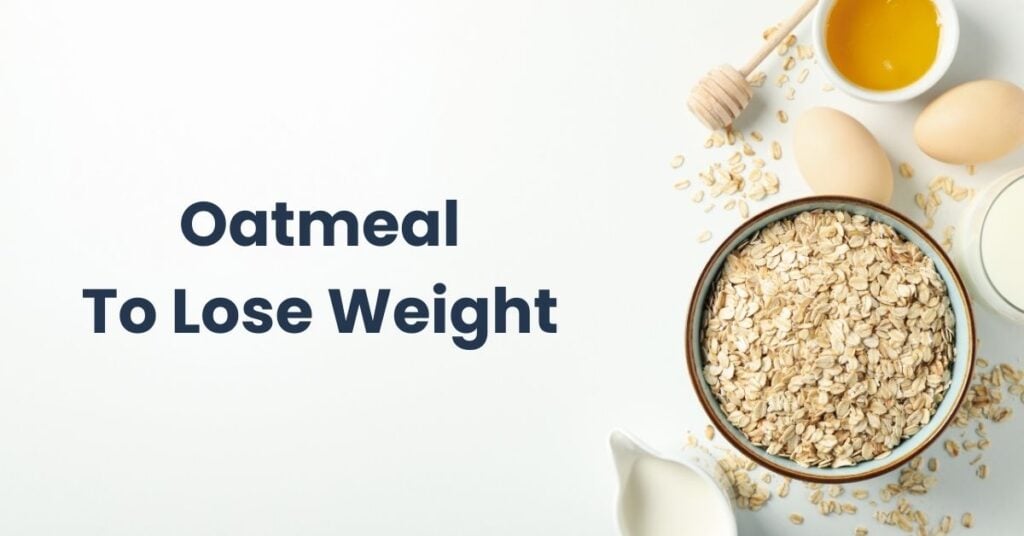
Build your oatmeal with measured oats, a protein add-in, and fruit or spice so it stays filling while staying within your daily calorie target.
Oatmeal can fit weight loss because it’s warm, high in fiber, and easy to shape into a real meal. The problem isn’t oats. It’s what happens after the oats hit the bowl. A loose pour of dry oats, a heavy hand with nut butter, and a drizzle of syrup can turn breakfast into a calorie pile.
This article shows how to keep oatmeal working for you. You’ll learn portion cues, smart add-ins, and simple bowl patterns you can repeat without getting bored. You’ll also see the common traps that make people say “oatmeal didn’t work for me.”
| Part Of The Bowl | Portion Cue | What It Does For Weight Loss |
|---|---|---|
| Dry Oats | 1/2 cup dry (most days) | Gives structure and fiber; sets the calorie floor before toppings. |
| Liquid | Water, or half milk and half water | Keeps texture creamy while letting you control calories. |
| Protein Add-In | 20–30 g protein source | Helps you stay full longer and reduces snack cravings later. |
| Fruit | 1 cup berries or 1 small banana | Adds volume and sweetness with fiber and water content. |
| Crunch | 1 tbsp chopped nuts or seeds | Adds texture; keeps fat in check when measured. |
| Flavor Boost | Cinnamon, cocoa, vanilla, citrus zest | Makes the bowl feel “done” without extra sugar. |
| Extra Volume | 1/2–1 cup shredded zucchini or grated apple | Bulks the bowl with minimal calories and a better spoon feel. |
| Salt Pinch | Small pinch | Improves flavor so you don’t chase sweetness. |
| Sweetener | Skip or keep to 1 tsp | Stops “healthy dessert” bowls from stacking calories fast. |
How To Eat Oatmeal To Lose Weight
When people ask how to eat oatmeal to lose weight, the answer isn’t “eat oats every day.” It’s “eat the right bowl, the right way.” Use these four anchors and the rest gets simpler.
Start With The Oat Type That Fits Your Mornings
Steel-cut oats take longer and feel chewy. Old-fashioned rolled oats cook faster and still hold texture. Instant packets can work, but watch added sugar and tiny serving sizes that leave you hungry.
If time is tight, rolled oats are the easiest repeat option. If you love batch prep, steel-cut oats shine because they reheat well.
Measure Dry Oats Before You Cook
Most oatmeal “mystery calories” come from eyeballing the dry oats. Start with 1/2 cup dry oats for a standard bowl. If you’re small, not that active, or pairing oatmeal with other foods, 1/3 cup may fit better. If you’re tall, active, or eating this as your only meal until lunch, 1/2 cup is often the better starting point.
Once you choose a starting amount, keep it steady for a week. That way, you can judge hunger and progress without the bowl changing every day.
Choose Liquid On Purpose
Water gives you the lowest calories. Milk makes it richer and adds protein, but it also adds calories. A simple middle lane is half milk and half water. It tastes good and still keeps the bowl manageable.
Whichever liquid you choose, keep it consistent for a stretch. Changing liquid day to day makes it harder to see what’s driving results.
Cook For Texture That Feels Like A Meal
Thin oatmeal is easy to overeat because it doesn’t feel satisfying. Cook a little longer to thicken it. If it gets pasty, loosen it with a splash of hot water at the end instead of adding extra milk early.
Use a small pinch of salt during cooking. It lifts the flavor so you rely less on sweeteners.
Eating Oatmeal To Lose Weight With Protein And Fiber
Oats bring fiber. Your job is to add protein and smart volume. This combo is what makes oatmeal feel steady through the morning.
Pick One Protein Route And Repeat It
A reliable protein add-in turns oatmeal from a snack into a full meal. Choose one of these routes, then rotate flavors around it:
- Greek yogurt: Stir it in after cooking so it stays creamy. If the oatmeal is piping hot, let it sit one minute first.
- Cottage cheese: Adds a mild, salty note that works with berries or cinnamon. Blend it first if you want a smoother bowl.
- Protein powder: Mix it with a splash of cool liquid into a paste, then stir that into warm oats to avoid clumps.
- Egg whites: Whisk and stream into simmering oats while stirring. The bowl thickens and the protein rises without tasting “eggy” when seasoned well.
If you want a simple benchmark, build the bowl so it lands in the “meal” range, not the “tasting cup” range. The CDC notes that healthy weight loss ties back to steady eating patterns and a plan you can stick with, not random swings day to day. See CDC’s “Steps for Losing Weight” for their overview of steady planning and pace.
Add Fruit For Sweetness And Size
Fruit is the easiest way to make oatmeal feel bigger without making it feel heavy. Berries are a go-to because they add a lot of volume for the calories. Sliced apples, peaches, and pears also work well. If you use dried fruit, measure it. A small sprinkle is plenty.
Try “fruit first” plating: put fruit in the bowl, then pour the oats over it. You get sweetness in each bite, so you don’t need sugar on top.
Use Crunch Like A Garnish, Not A Layer
Nuts and seeds are nutrient dense. That’s good, but they can stack calories fast. Keep the portion to one tablespoon most days. Chop nuts so the spoon catches flavor in each bite without needing a big handful.
If you love nut butter, treat it the same way: measure it. Stirring in a measured teaspoon gives flavor without turning the bowl into a peanut-butter tub.
Sweeten With Spice, Not With A Sugar Slide
Most people don’t need oatmeal to be “sweet.” They need it to taste finished. Cinnamon, cocoa, vanilla, cardamom, and citrus zest do that job. A pinch of salt helps too.
If you add honey or maple syrup, keep it small and count it as a topping choice, not “free.” One teaspoon can be enough once the bowl has fruit and spice.
Know What A Plain Oat Serving Looks Like
If you want a quick reference point for oat nutrition, the USDA has a plain nutrition facts sheet for cooked quick oats. It’s handy when you’re comparing bowls and portion sizes. See USDA “Oats, Rolled, Quick Cooking” nutrition facts.
Timing And Routines That Make Oatmeal Easy To Stick With
Oatmeal works when it fits your day. Some people like it at breakfast. Others like it as a late-afternoon bridge meal that stops a drive-thru run.
Match The Bowl To When You’ll Eat Next
If lunch is soon, keep the bowl lighter: measured oats, fruit, and one protein add-in. If lunch is far away, keep the same oats, then raise protein and volume. Extra berries, grated apple, or shredded zucchini can stretch the bowl without a big calorie jump.
If you train in the morning, oatmeal can work before or after. Before training, keep fat low so it digests easily. After training, add protein and a bit more fruit.
Batch Prep Without Getting Mushy Oats
For batch prep, cook a pot of steel-cut oats and portion it into containers. Reheat with a splash of water so it loosens back up. Add yogurt, fruit, and crunch after reheating so texture stays good.
Overnight oats are another option. Use rolled oats, add yogurt or milk, then let it sit in the fridge. In the morning, add fruit and crunch. If it turns too thick, stir in a splash of water.
| Common Mistake | What Happens | Better Move |
|---|---|---|
| Eyeballing dry oats | Calories swing day to day | Measure 1/3–1/2 cup dry and repeat it for a week |
| Turning toppings into layers | Nut butter, nuts, and granola stack fast | Use a measured garnish: 1 tbsp nuts or seeds |
| Using sweetened instant packets daily | Sugar climbs, fullness drops | Use plain oats and add fruit plus spice |
| Skipping protein | Hunger returns early | Add yogurt, cottage cheese, egg whites, or protein powder |
| Making oats too thin | Bowl feels like a drink | Cook longer, then loosen at the end if needed |
| Pouring syrup “to taste” | Sweetness keeps creeping up | Use cinnamon, vanilla, cocoa, and a measured 1 tsp sweetener |
| Relying on granola for crunch | Portions run big | Swap to chopped nuts or seeds, measured |
| Making oatmeal your only plan | Boredom hits, then a rebound meal | Rotate flavors and keep one non-oat breakfast option |
| Eating too little at breakfast | Late-morning snack spiral | Keep oats measured, then raise protein and fruit for a fuller bowl |
Bowls You Can Repeat Without Getting Bored
Variety keeps oatmeal from feeling like punishment. These ideas keep the same structure: measured oats, one protein route, and toppings that stay measured.
Berry Cheesecake Bowl
Cook rolled oats with water. Stir in cottage cheese after cooking, then top with mixed berries and cinnamon. Add one tablespoon crushed walnuts for crunch.
Apple Pie Bowl
Simmer oats with grated apple and cinnamon. Stir in Greek yogurt once it cools a bit. Finish with chopped pecans and a pinch of salt.
Chocolate Banana Bowl
Cook oats, then stir in cocoa and protein powder mixed into a smooth paste. Top with sliced banana and one tablespoon pumpkin seeds.
Savory Egg-White Bowl
Cook oats with water and a pinch of salt. Stream in egg whites while stirring until thick. Top with scallions and a spoon of salsa for a bowl that feels like comfort food.
Carrot Cake Bowl
Stir grated carrot into oats while they cook. Add vanilla and cinnamon. Mix in Greek yogurt after cooking, then sprinkle chopped almonds.
Tropical Bowl
Use half milk and half water for the liquid. Add pineapple chunks and toasted coconut, measured. Pair with a protein route that keeps the bowl steady, like yogurt or powder.
Mocha Bowl
Mix a small amount of instant coffee into the liquid and add cocoa. Stir in protein powder after cooking. Top with berries so the bitterness stays balanced.
Portion Checks That Keep Progress Moving
Weight loss happens from a calorie gap you can keep day after day. Oatmeal helps when it keeps hunger calm and keeps portions predictable.
Use Two Simple Checks After Breakfast
- Two-hour check: If you’re hungry again in two hours, raise protein first. Keep oats the same for now.
- Four-hour check: If you’re still fine at four hours, your bowl is close to the right size for that day.
If you’re stuffed, drop toppings first. A smaller nut portion often fixes the problem without changing the base.
Adjust One Lever At A Time
Changing oats, liquid, toppings, and lunch all at once makes it hard to tell what worked. Pick one lever for a week. Most people do best starting with the oat measure and the protein route.
If weight loss stalls for two to three weeks, tighten measurement on calorie-dense toppings. Nuts, seeds, coconut, and nut butter are common drift points. Keep them measured, keep fruit generous, and keep protein steady.
How To Eat Oatmeal To Lose Weight Without Feeling Deprived
The best oatmeal plan is the one you can keep. That means the bowl has to taste good, feel filling, and fit the rest of your day. Use the bowl builder table as your default, then rotate flavors so breakfast stays enjoyable.
If you want a simple daily script, start with measured oats, pick one protein route, add fruit, then add a measured crunch. Keep sweeteners light. Do that, and how to eat oatmeal to lose weight stops being a puzzle and turns into a habit you can repeat.
References & Sources
- Centers for Disease Control and Prevention (CDC).“Steps for Losing Weight.”Outlines a steady, plan-based approach to weight loss and maintenance habits.
- U.S. Department of Agriculture (USDA), Food and Nutrition Service.“Oats, Rolled, Quick Cooking” (Nutrition Facts PDF).Provides a plain reference label for cooked oats to help with portion and nutrition comparisons.

Mo Maruf
I created WellFizz to bridge the gap between vague wellness advice and actionable solutions. My mission is simple: to decode the research and give you practical tools you can actually use.
Beyond the data, I am a passionate traveler. I believe that stepping away from the screen to explore new environments is essential for mental clarity and physical vitality.