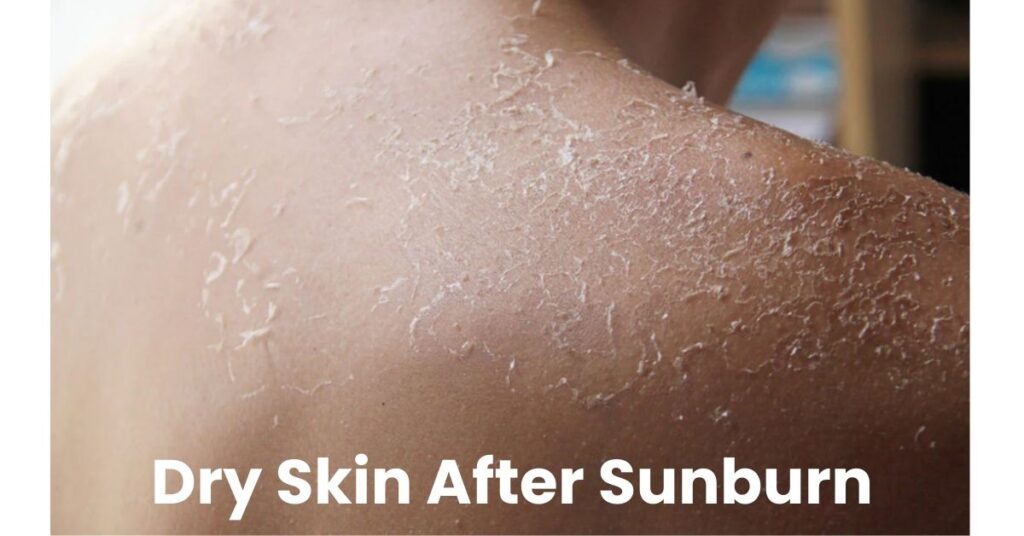
Sunburn dryness eases when you cool the skin, moisturize on damp skin, and let flaky areas shed on their own.
Dry skin after a burn is the skin barrier asking for a reset. The goal is simple: pull heat out, add water back in, then seal that water so the surface can repair.
This piece walks you through what to do in the first hour, the first night, and the next week. You’ll get ingredient cues, texture picks, and a few “don’ts” that prevent extra peeling.
What Dry Skin After Sunburn Usually Means
Sunburn can injure the outer layers of skin. When that happens, the barrier leaks water faster than normal, so skin feels rough, papery, or tight.
Flaking is part of the clean-up. Damaged cells loosen and lift so newer skin can take their place. You can’t switch that off, yet you can make it feel softer and less itchy.
First Steps By Timeline
Use this table to match what you feel with what to do next. It’s written for mild to moderate sunburn. If you have severe blistering, fever, confusion, or heavy swelling, skip the routine and get medical care.
| When | What To Do | Why It Helps |
|---|---|---|
| 0–1 hour | Get out of the sun, move to shade, and cool the area with a clean, damp cloth. | Reduces heat in the skin and cuts the “stinging” cycle. |
| After cooling | Take a cool shower, then pat dry—don’t rub. | Limits friction that can trigger more irritation. |
| Within 3 minutes | Apply a fragrance-free moisturizer while skin is still a bit damp. | Locks in water before it evaporates. |
| Day 1 evening | Reapply moisturizer, then wear loose, soft clothing. | Cuts rubbing that lifts flakes early. |
| Days 2–3 | Moisturize 3–6 times daily, using a thicker layer at night. | Keeps the surface flexible as it sheds. |
| When itching spikes | Use cool compresses in short rounds, then moisturize again. | Calms nerve endings and restores comfort. |
| When peeling starts | Let loose skin fall off on its own; trim hanging edges with clean scissors. | Prevents tears and lowers infection risk. |
| All week | Use broad-spectrum sunscreen on healed skin and wear clothing outdoors. | Stops repeat burns while the barrier rebuilds. |
How To Get Rid Of Dry Skin After Sunburn With A Simple Routine
If you searched “how to get rid of dry skin after sunburn,” you’re probably stuck in the tight-then-flaky loop. This routine breaks it into four moves: cool, hydrate, seal, protect.
Start as soon as you notice redness. Even if the burn happened earlier today, you can still calm heat and reduce the scratchy feel.
Cool The Skin Without Overdrying It
Cooling works best when it’s gentle and repeatable. Use cool water or a damp cloth for 10–15 minutes, then stop. Long, icy contact can irritate the skin.
If you shower, keep the water cool to lukewarm. Skip hot water and long soaks that leave you feeling “squeaky.” That squeak is oil loss, and burned skin can’t spare it.
Hydrate From The Outside And The Inside
Right after cooling, add moisture. Your best window is right after bathing, when water is sitting on the surface. Pat dry and go straight in with lotion or cream.
Drink water through the day, too. Sunburn can pull fluid toward the skin, and dehydration makes dryness feel sharper.
Seal With The Right Texture
Pick your texture based on how dry you feel. Lotions spread fast and feel lighter. Creams feel richer and last longer. Ointments seal the most, yet some people dislike the greasy feel.
At night, a thicker layer often feels best because you’re not rubbing it off on clothes as much. If sheets stick, use a cream, then add a thin layer of plain petrolatum on the driest patches.
Protect While Your Skin Rebuilds
Until redness is gone, stay out of direct sun on the burned area. Use fabric to shield it when you can. Once the surface is intact and no longer tender, use sunscreen every time you go outside.
Choose broad-spectrum SPF 30 or higher. Reapply if you sweat or swim. This step prevents a second hit while your barrier is still fragile.
Moisturizer Ingredients That Work Well On Sunburn Dryness
Moisturizers help in two ways: humectants pull water into the top layer, and occlusives slow water loss. Emollients fill rough gaps so skin feels smoother.
Go for fragrance-free products. Burned skin can react to scent, menthol, and heavy plant extracts even if you handle them fine on normal days.
Humectants For The Tight Phase
Look for glycerin, hyaluronic acid, panthenol, or aloe. They work best when you apply them to damp skin and follow with a cream or ointment to keep water in place.
Emollients For Rough, Patchy Texture
Ingredients like dimethicone, squalane, and ceramides help the surface feel less scratchy. Ceramides are part of the barrier, so they pair well with steady reapplication.
Occlusives For Peeling Days
Petrolatum and mineral oil slow evaporation and reduce cracking. Use a thin layer on top of a cream so it seals water instead of sealing dryness.
One Link Worth Reading From Dermatologists
The American Academy of Dermatology’s sunburn treatment tips match the routine above: cool the skin, moisturize, and avoid peeling.
What To Skip So Dryness Doesn’t Drag On
Some products feel soothing for five minutes, then leave you drier or more irritated. Sunburned skin is reactive, so keep your routine plain for a few days.
Scrubs, Brushes, And Exfoliating Acids
It’s tempting to buff off flakes. Don’t. Physical scrubs, washcloth friction, retinoids, and acids can turn a mild burn into a longer mess.
When the burn is fully healed and no longer pink, you can go back to your usual exfoliation. Until then, stick to gentle cleansing and moisturizer.
Numbing Sprays And Heavy Cooling Additives
Products with benzocaine or lidocaine can irritate some people and can trigger rash on damaged skin. Menthol and camphor can sting, too.
If you want relief, cool compresses plus a bland moisturizer usually beat the “icy” stuff.
Alcohol-Heavy After-Sun Gels
Some gels evaporate quickly because they’re built on alcohol. That quick dry-down can pull water from your skin and leave you tighter.
If you like gel texture, pick one that lists glycerin high on the ingredient list and doesn’t smell strongly of alcohol.
Getting Rid Of Dry Skin After Sunburn Without More Peeling
Peeling looks dramatic, yet it’s often the skin’s normal shed after injury. Your job is to keep that shed tidy and comfortable, not to rip it off early.
Trim, Don’t Pick
If a flap catches on clothing, trim the loose edge with clean scissors. Leave skin that’s still attached. Pulling can tear the tender layer underneath and raise the chance of infection.
Moisturize In Layers
Use a “water then seal” pattern. Lightly dampen the area, apply a cream, then seal the driest spots with a thin occlusive layer.
This keeps flakes soft so they release with less snagging. It also eases that tight, shiny feeling you get when skin dries mid-day.
Use Cool Compresses For Itch Spikes
Itch can ramp up at night, when you’re warm under blankets. Ten minutes of cooling, then moisturizer, can save you from scratching in your sleep.
When Dry Skin After Sunburn Signals A Bigger Problem
Most sunburn dryness improves over several days. Watch for red flags that call for medical help, especially in children, older adults, and anyone with immune issues.
- Large blisters, or blisters on the face, hands, or genitals
- Fever, chills, nausea, or dizziness
- Severe swelling, worsening pain, or pus
- Signs of dehydration: dark urine, faintness, dry mouth
If you’re unsure, use MedlinePlus on sunburn to compare symptoms and next steps.
Ingredient Cheat Sheet For Shopping
This table keeps the shopping part easy. Match what you feel to a short ingredient list you can scan at the store.
| If Your Skin Feels Like | Look For | Skip |
|---|---|---|
| Tight and hot | Aloe, glycerin, panthenol, cool compresses | Menthol, camphor, strong fragrance |
| Dry and rough | Ceramides, dimethicone, squalane | Scrubs, acids, retinoids |
| Peeling edges | Thick cream, then a thin petrolatum layer | Picking, tape, tight clothing |
| Itchy at night | Cool cloth, cream reapply, loose cotton | Hot showers, wool, rough seams |
| Stings on contact | Plain cream with minimal ingredients | Alcohol gels, scented oils |
| Oily yet flaky | Light lotion, reapply often, gentle cleanser | Heavy occlusive everywhere |
| Cracks or splits | Cream plus petrolatum just on cracks | Exfoliation, harsh soaps |
Seven Days Of Care So Skin Feels Normal Again
Think in short blocks. Day one is about cooling and water. Days two and three are about steady moisture. The rest of the week is about keeping the barrier calm while it finishes shedding.
Day 1
Cool the skin in short rounds, shower cool, then moisturize right away. Reapply before bed. Wear loose clothing and keep sheets soft.
Days 2–3
Moisturize often, even if you don’t feel dry in the moment. Apply after showers, after washing hands, and any time the surface starts to look dull.
If you’re peeling, trim loose flaps and keep your hands off the area. You’ll heal faster when you don’t tear the base layer.
Days 4–7
Most peeling settles. Keep using a gentle cleanser and a fragrance-free cream once or twice a day. Start sunscreen once the skin is intact and no longer tender.
If your skin is still rough at day seven, stay with the plain routine another week. Skin often catches up with steady moisture and less friction.
When Relief Stalls
If you’re still searching “how to get rid of dry skin after sunburn” days later, start with two checks: apply moisturizer on damp skin, and swap to a thicker cream at night. If aloe stings, drop it and stick to a plain cream for two days. If pain keeps you up, take breaks, cool the skin, then reapply cream.
If peeling looks messy, keep the surface soft and tidy. Moisturize, then trim loose edges only. Within a week, most mild burns feel close to normal.
References & Sources
- American Academy of Dermatology (AAD).“Treat sunburn.”Dermatologist-reviewed steps for cooling skin, moisturizing, and avoiding peeling.
- MedlinePlus (U.S. National Library of Medicine).“Sunburn.”Symptom guide and care notes, including when to seek medical help.

Mo Maruf
I created WellFizz to bridge the gap between vague wellness advice and actionable solutions. My mission is simple: to decode the research and give you practical tools you can actually use.
Beyond the data, I am a passionate traveler. I believe that stepping away from the screen to explore new environments is essential for mental clarity and physical vitality.