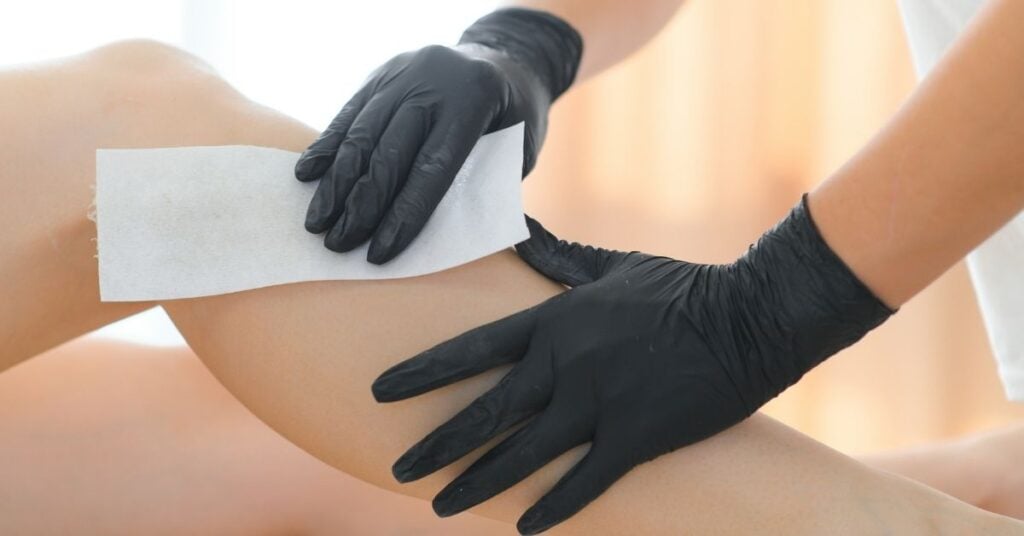
Electrolysis can remove hair for good; laser and IPL usually cut regrowth long-term and may need touch-ups.
Unwanted hair can be a daily hassle. Shaving nicks, waxing appointments, surprise stubble right before plans — it adds up.
If you want hair that stays gone, you need a method that matches how hair grows: in cycles, with follicles that “wake up” at different times. That’s why one session rarely delivers lasting change.
This article breaks down what “permanent” means in plain terms, what options work best on different hair and skin types, and how to plan treatments so you don’t burn money on the wrong approach.
| Option | What You Can Expect Over Time | Best Fit And Watch-Outs |
|---|---|---|
| Electrolysis (in-office) | Treats one follicle at a time; once a follicle is destroyed, that hair won’t return. | Works on all hair colors and skin tones; slower on large areas; technique and hygiene matter. |
| Laser hair removal (in-office) | Heats pigment in hair to damage follicles; strong long-term reduction after a series. | Best on dark hair; sessions vary by area; poor settings can cause burns or marks. |
| IPL (in-office) | Broad light can reduce regrowth, with outcomes that vary by device and operator. | Can be uneven on dense growth; needs careful matching to skin tone. |
| At-home IPL device | Gradual reduction with strict consistency; results often milder than clinic devices. | Best for small zones and routine users; follow safety steps and patch test. |
| Laser Then Electrolysis “Finish” | Laser reduces bulk growth; electrolysis clears lighter, stubborn, or scattered hairs left behind. | Good for legs, chest, or back; plan spacing so skin can settle between methods. |
| Prescription cream for facial hair | Slows growth while you use it; hair returns once you stop. | Not permanent; can pair with electrolysis on the face when new growth keeps appearing. |
| Hormone-related hair growth workup | Can reduce new hair formation when a medical cause is treated. | Not hair removal by itself; it matters if new follicles keep turning on. |
| Temporary methods (shave, wax, thread) | Removes hair above the skin or from the root, but follicles stay active. | Handy between sessions; avoid root-pulling before laser or electrolysis. |
What “Permanent” Means For Hair Removal
Two words get mixed up all the time: removal and reduction. They aren’t the same.
Electrolysis targets the follicle directly. The goal is to destroy the growth center so that specific hair does not come back.
Laser and IPL aim to damage follicles enough that many stop producing thick, visible hair. Some follicles can recover, and some can start producing finer regrowth. That’s still a win for many people, but it’s a different promise.
In the U.S., many light-based devices use the term “permanent hair reduction.” The FDA’s clearance language defines it as a long-term, stable drop in hairs measured months after finishing a treatment series. See FDA’s definition of permanent hair reduction for the exact wording used in device documentation.
So if your goal is “gone for good,” electrolysis is built for that. If your goal is “mostly gone with low upkeep,” laser can be a solid fit on the right hair and skin combo.
How To Get Rid Of Unwanted Hair Permanently With The Right Method
Picking the right method is less about hype and more about matching the tool to your hair, your skin, and the area you want treated. This section is the money saver.
Hair color and thickness
Lasers work by targeting pigment. Dark, coarse hair absorbs more energy, so it often responds better. Light blonde, red, gray, and white hairs have less pigment, so lasers may struggle. Electrolysis does not rely on pigment, so it can treat any hair color.
Skin tone and tanning
Laser settings must balance hair pigment against skin pigment. Tanned skin can raise burn risk because the skin also absorbs energy. Many clinics ask you to pause sun exposure and self-tanners before treatment so they can use safer settings.
Body area and regrowth patterns
Some zones respond more predictably than others. Underarms, lower legs, and bikini lines often do well with laser series. Facial hair can be trickier because hormones can keep waking up new follicles over time.
The American Academy of Dermatology’s hair-removal overview explains that electrolysis can permanently remove unwanted hair, and it also notes practical pros and risks for each option.
Your time budget
Electrolysis treats follicles one by one. That’s why it’s slower on large areas. Laser can cover wide zones fast, so it’s often chosen for legs, chest, or back. A blended plan — laser first, electrolysis later — can cut total chair time when you have lots of dark hair plus some lighter strays.
Electrolysis: The True Permanent Option
Electrolysis uses a fine probe to deliver energy into the follicle so the growth center is destroyed. Each treated follicle is a single “job,” which is why results build step by step.
What a solid electrolysis plan looks like
- Start with a small test area. You learn how your skin reacts and how the practitioner works.
- Expect repeated visits. Hair cycles mean new follicles enter the growth phase on a rolling schedule. Sessions keep catching what’s active.
- Track progress by “clearance.” The goal is to clear an area, then clear it again faster next time as density drops.
Where electrolysis shines
It’s the go-to for light or gray hair, small facial zones, and finishing work after laser. It also fits anyone who wants the clearest path to permanent results and can stick with the schedule.
Side effects and safety
After a session, mild redness and swelling are common. Tiny scabs can form. They should be left alone. Infection and scarring risks rise with poor technique or unclean tools, so hygiene and training matter.
Laser Hair Removal: Long-Term Reduction With Speed
Laser hair removal uses focused light to heat the hair shaft and damage the follicle. You still need multiple sessions because only hairs in the active growth phase respond well.
Session spacing
Most people need a series of sessions spaced weeks apart. Body hair cycles are slower than facial cycles, so spacing can differ by area. A clinic should set your schedule based on the zone, density, and your regrowth pace.
What “permanent” can look like with laser
With a full series, many people see a big drop in what returns, and regrowth can be finer and lighter. Some areas stay smooth for long stretches. Touch-ups can still be needed, especially if hormones shift or if the original hair pattern keeps activating follicles.
Risk control comes from good settings
Bad settings or rushed technique can lead to burns, pigment changes, or scars. Patch tests, cooling, and clear aftercare steps lower the odds of trouble. If a place treats everyone with the same settings, it’s a bad sign.
IPL And At-Home Devices: Where They Fit
IPL stands for intense pulsed light. It isn’t a single wavelength like a laser. It uses a range of light filtered to target pigment. Some people get useful reduction. Others get patchy results.
Who tends to do well
IPL often works best for people with light-to-medium skin tones and darker hair. The match between your skin tone and the device’s safety range matters. At home, consistency is the whole game: missed sessions can stall progress.
Common mistakes that waste months
- Using it on hair colors the device can’t “see,” like white or pale blonde.
- Jumping to a higher setting without patch testing.
- Switching methods mid-series and resetting your timing.
Picking A Provider Without Regrets
Skill matters as much as the device. A good provider will ask about your skin type, tanning habits, medications that raise light sensitivity, and any history of keloids or pigment changes.
Questions worth asking at the first visit
- Which device do you use for my skin tone and hair type, and why?
- How do you handle patch testing, and where will you place it?
- What’s the plan if I get blistering, dark marks, or light spots?
- What’s included in the price: touch-ups, missed appointments, or numbing options?
Red flags
- Guarantees of “permanent removal” from laser in a fixed number of sessions.
- No patch test offered on higher-risk skin tones or on tanned skin.
- Pressure to buy a package before you’ve seen how you respond.
Prep And Aftercare That Protects Your Skin
Prep and aftercare can shape your results. It’s not about fancy products. It’s about keeping the follicle accessible and keeping your skin calm.
Before your session
- Shave the day before laser or IPL unless the clinic says otherwise.
- Skip waxing, threading, and tweezing for weeks beforehand so follicles stay intact for treatment.
- Avoid heavy sun exposure and self-tanners in the lead-up.
- Arrive with clean skin: no oils, deodorant, or fragrance on the area.
Right after your session
- Use cool compresses if the area feels warm.
- Keep showers lukewarm for a day if you flush easily.
- Skip hot tubs, saunas, and hard workouts for a day or two if your skin gets red fast.
- Don’t pick at bumps or tiny scabs.
When you should pause and get medical care
Blistering, intense swelling, pus, fever, or spreading redness after a hair removal session calls for prompt medical attention.
| Timing | Do | Skip |
|---|---|---|
| 2–4 weeks before | Stop waxing, threading, and tweezing in the target area. | Root-pulling methods that remove the shaft from the follicle. |
| 1–2 weeks before | Keep sun exposure low; cover treated zones outdoors. | Intentional tanning and self-tanner on the area. |
| 24 hours before | Shave the area and cleanse well. | New fragranced products that can irritate skin. |
| Day of treatment | Arrive with bare skin; tell staff about rashes or new meds. | Deodorant, body oils, or perfume on the site. |
| First 24 hours after | Cool compresses; gentle moisturizer if skin feels dry. | Hot baths, saunas, and intense workouts if you flush easily. |
| Days 2–7 after | Let shedding happen; go gentle with exfoliation if your skin tolerates it. | Picking, scratching, or harsh scrubs. |
| Between sessions | Shave as needed; take progress photos in similar light. | Waxing or tweezing that disrupts the cycle you’re targeting. |
How Long It Takes To See Lasting Results
The timeline depends on the method and the area. The big driver is the hair growth cycle: only a slice of hairs are treatable at once, so you’re working in rounds.
With laser, you may notice slower regrowth after the first couple of sessions, then a sharper drop as you reach more follicles across cycles. With electrolysis, results build in a steadier way as clearances get faster and new growth thins out.
If you’re trying to figure out how to get rid of unwanted hair permanently, plan for months, not days. That mindset keeps you from quitting right before the best gains show up.
Why regrowth can happen even after great results
- Hormone shifts. Pregnancy, menopause, and conditions that change androgen levels can activate new follicles.
- Missed cycles. Skipping sessions can leave follicles untreated as they enter the growth phase.
- Device mismatch. Wrong settings can stun hair without disabling follicles.
Costs, Pain, And Practical Trade-Offs
No method is free of trade-offs. The goal is to pick the set you can live with and stick to.
Cost patterns
Laser often costs more per visit but covers more area faster. Electrolysis costs can add up on large zones because it’s measured by time and density. At-home IPL has a lower entry cost but demands patience and steady use.
Discomfort and numbing
Pain is personal. Many people describe laser as a hot snap. Electrolysis can feel like a sting on each treated follicle. Ask what they offer for comfort, like cooling or topical numbing cream.
Skin tone and pigment change risk
Darker skin tones can be treated safely with the right device and settings, but careless settings raise the risk of dark marks or light spots. That’s another reason to skip bargain clinics that rush appointments.
Putting Your Plan Together
Here’s a simple way to decide without spiraling:
- If you want the clearest path to permanent removal, start with electrolysis. It’s slower, but each treated follicle is meant to be done for good.
- If you have lots of dark, coarse hair on a large area, start with laser. Use electrolysis later if light hairs remain.
- If you’re using IPL at home, commit to the schedule. Put sessions on a calendar and keep photos so you can see change you might miss day to day.
Sticking to spacing is the quiet win. Consistency beats bouncing between methods.
Many readers start this process after searching “how to get rid of unwanted hair permanently” and feeling buried by marketing claims. Keep your goal simple: fewer wasted sessions, fewer surprises, and skin that stays calm while you chase lasting results.
References & Sources
- U.S. Food & Drug Administration (FDA).“510(k) Summary (K140631) — Permanent Hair Reduction Definition.”Defines “permanent hair reduction” as a stable reduction measured months after a treatment regimen.
- American Academy of Dermatology (AAD).“6 Ways To Remove Unwanted Hair.”Explains electrolysis and laser hair removal benefits, limits, and safety considerations.

Mo Maruf
I created WellFizz to bridge the gap between vague wellness advice and actionable solutions. My mission is simple: to decode the research and give you practical tools you can actually use.
Beyond the data, I am a passionate traveler. I believe that stepping away from the screen to explore new environments is essential for mental clarity and physical vitality.