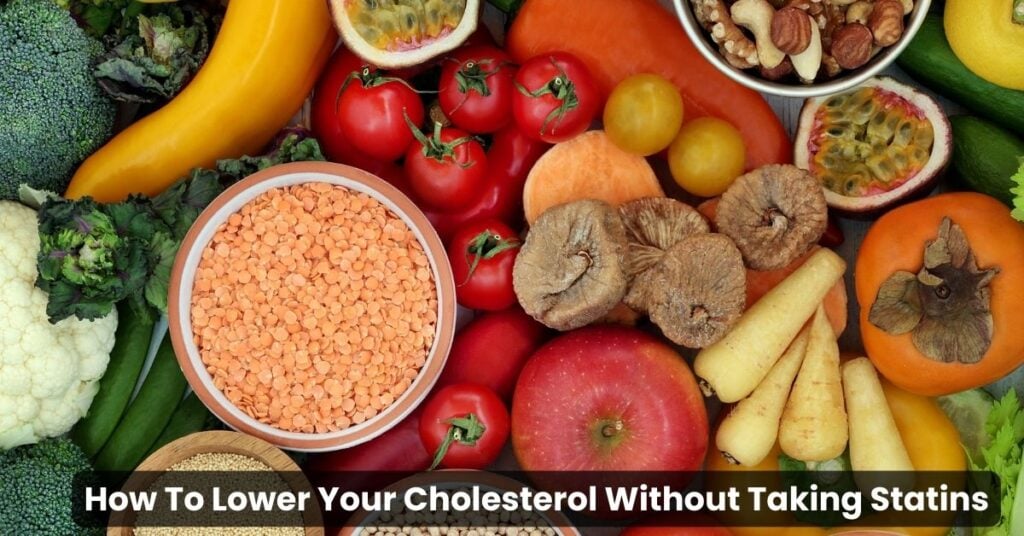
Lower LDL cholesterol by swapping saturated fats for unsaturated fats, eating more soluble fiber, moving most days, and keeping a steady weight.
Getting a cholesterol result you don’t love can feel like a shove in the ribs. The good news: for many people, numbers respond to everyday choices. If you’re searching for how to lower your cholesterol without taking statins, start with the basics that move LDL.
This article lays out those moves in plain steps, with food ideas and a simple tracking plan. If you’re trying to lower LDL and protect HDL, you’ll find a clear path here.
| Action | What It Looks Like In Real Life | Why It Helps Cholesterol |
|---|---|---|
| Cut saturated fat | Use olive or canola oil; choose leaner cuts; limit butter, cream, and fatty meats | Less saturated fat can lower LDL by reducing how much cholesterol your liver sends into blood |
| Swap in unsaturated fat | Avocado, nuts, seeds, olives, fatty fish, nut butters | Unsaturated fats can lower LDL and may help HDL when they replace saturated fat |
| Add soluble fiber daily | Oats, barley, beans, lentils, apples, citrus, okra, eggplant | Soluble fiber binds bile in the gut, so your body uses cholesterol to make more bile |
| Eat more plant protein | Beans or tofu a few times a week; mix lentils into soups and sauces | Plant protein often displaces higher-saturated-fat foods that push LDL up |
| Choose higher-fiber carbs | Whole grains, starchy veg, fruit; fewer refined sweets and white-flour snacks | Helps triglycerides and can aid weight control, which ties to LDL levels |
| Move most days | Brisk walks, cycling, swimming, stairs, short strength sessions | Activity can raise HDL, lower triglycerides, and improve how your body handles fats |
| Lose a little if needed | Aim for small, steady changes instead of crash diets | Even modest weight loss can lower LDL and triglycerides for many people |
| Fix sleep and alcohol habits | Regular sleep window; limit heavy drinking days | Poor sleep and excess alcohol can push triglycerides up and make appetite harder to manage |
What Your Numbers Mean Before You Change Anything
Most lab reports show total cholesterol, LDL, HDL, and triglycerides. LDL is the number most plans target, since it’s tied to plaque buildup in arteries. HDL is the “carry-away” cholesterol. Triglycerides are blood fats that often rise with excess refined carbs, alcohol, and weight gain.
Two tips help: treat the lab as a snapshot, and pick one or two habits to lock in first.
How To Lower Your Cholesterol Without Taking Statins With Food Swaps
Food changes work best when they feel like swaps, not bans. You keep the meals you like, then nudge the ingredients toward choices that pull LDL down.
Cut Saturated Fat Without Making Food Sad
Saturated fat shows up in fatty red meat, processed meats, butter, ghee, cream, cheese, coconut oil, and many baked goods. You don’t need to erase these foods forever. Start by trimming the daily sources that pile up.
- Cook with olive or canola oil instead of butter most days.
- Pick leaner proteins: chicken breast, turkey, fish, beans, tofu, low-fat dairy.
- Read labels on snacks and pastries; saturated fat adds up fast there.
For practical targets and food examples, the American Heart Association’s saturated fat guidance lays out what to watch and common sources.
Use Unsaturated Fats On Purpose
Swapping fats is the move. When unsaturated fats replace saturated fats, LDL tends to drop. Your meals can still taste rich, just in a different way.
- Add a handful of nuts to breakfast oats or yogurt.
- Use avocado in sandwiches where cheese used to be the star.
- Choose salmon, sardines, or trout once or twice a week.
- Try tahini, peanut butter, or almond butter in sauces and dressings.
Make Soluble Fiber A Daily Habit
Soluble fiber is one of the most reliable food tools for LDL. It forms a gel in your gut that traps bile, so your body pulls cholesterol from blood to make new bile. That’s a real, mechanical effect, not a vibe.
Easy ways to stack it:
- Breakfast: oats or barley porridge, topped with fruit.
- Lunch: lentil soup or a bean-heavy salad.
- Dinner: add chickpeas to pasta sauce or curry.
- Snacks: apple slices, oranges, carrots with hummus.
Be Smart With Refined Carbs And Added Sugars
Refined carbs don’t just touch weight. They can push triglycerides up, and high triglycerides often travel with lower HDL. Think white bread, sweet drinks, candy, pastries, and big bowls of sugary cereal.
Keep this simple: swap one refined-carb habit at a time. Replace soda with sparkling water, trade a cookie for fruit and nuts, or switch white rice to brown rice a few days a week.
Movement That Shifts Cholesterol Without Fancy Gear
You don’t need a gym contract. The body cares about total weekly movement. A mix of cardio and strength usually works well.
A Simple Weekly Plan You Can Repeat
- Walk briskly 30 minutes, five days a week.
- Add two short strength sessions: squats or sit-to-stands, push-ups on a counter, rows with bands, and planks.
If you already train, keep going. If you don’t, start with what feels doable and build. Consistency beats intensity here.
Weight, Waist Size, And Why Small Losses Count
LDL and triglycerides often improve when you lose some body fat, especially around the waist. You don’t need a dramatic drop. Small, steady losses tend to stick and are easier on appetite and mood.
Try one or two of these changes and hold them for two weeks:
- Keep a protein anchor at each meal: fish, chicken, eggs, Greek yogurt, tofu, beans.
- Fill half your plate with veg at lunch and dinner.
- Pick a “closing time” for the kitchen, even if it’s just one hour earlier than usual.
Lowering Cholesterol Without Statins When Labs Are Due Soon
If you’ve got a repeat lab in 6–12 weeks, you can still make meaningful changes. The trick is picking actions you can do daily without burning out.
Use A Two-Week Reset, Then Settle In
For the first two weeks, keep meals boring in a good way. Repeat the same breakfasts and lunches, then rotate dinners you enjoy. This cuts decision fatigue and keeps grocery shopping easy.
Track Three Things, Not Twenty
Pick three checkboxes and mark them each day:
- Soluble fiber: at least one serving (oats, beans, lentils, barley, fruit).
- Saturated fat swap: cooked with oil instead of butter, or chose a leaner protein.
- Movement: at least 20–30 minutes total.
That’s enough to keep you on course without turning life into a spreadsheet.
Food Ideas That Keep The Plan Lived-In
Below are meal templates that naturally keep saturated fat lower while stacking fiber and unsaturated fats. Mix and match. Keep the ones you’ll actually cook.
Breakfast Options
- Oats cooked with milk or soy milk, topped with berries and walnuts.
- Whole-grain toast with avocado and a side of fruit.
Lunch Options
- Lentil soup with a salad and olive-oil dressing.
- Tofu and veg stir-fry over brown rice.
Dinner Options
- Salmon, roasted veg, and barley.
- Bean chili topped with diced avocado.
Second Table: One-Week Checklist For Better Numbers
Use this as a simple scorecard. If you hit most boxes most days, you’re doing the work that tends to move LDL and triglycerides in the right direction.
| Daily Or Weekly Target | Easy Ways To Hit It | What To Watch |
|---|---|---|
| Oats, beans, or barley most days | Overnight oats; bean salad; lentils in soup | Increase fiber gradually to avoid gas |
| Fish 1–2 times weekly | Salmon fillets; canned sardines on toast | Choose low-sodium options when you can |
| Nuts or seeds most days | Snack pack; add to yogurt or salads | Portion matters; they’re calorie-dense |
| Brisk walking 150 minutes weekly | 30 minutes x 5 days; 10-minute chunks | Build slowly if joints get sore |
| Strength work 2 days weekly | Bodyweight circuit; resistance bands | Keep good form; stop if sharp pain hits |
| Limit sugary drinks | Tea, coffee, sparkling water, diet soda | Watch sweetened coffee drinks |
| Alcohol: fewer heavy days | Set drink-free days; swap with seltzer | Triglycerides can rise with heavy intake |
When To Get Extra Help And When To Recheck
If you have heart disease, diabetes, kidney disease, familial high cholesterol, or you’re pregnant, talk with a clinician before big diet or exercise changes. Lab targets can be different in these cases, and personal risk matters.
Many people recheck labs after about 8–12 weeks of steady changes.
For plain-language definitions of LDL, HDL, triglycerides, and treatment basics, the NHLBI page on high blood cholesterol is a solid reference.
Common Snags And Simple Fixes
“My LDL Won’t Budge”
Start with saturated fat, fiber, and weight. Many people cut sweets while butter, cheese, and fatty meats stay daily. Also watch portions of nuts and oils.
“Eating Out Blows My Plan”
Pick one rule before you walk in: grilled or baked protein, add veg, skip creamy sauces, and choose one treat. If you want dessert, make the entree lean and the side veg-forward.
A Clear 30-Day Plan You Can Stick With
Use the next month as a controlled experiment. If you’re still asking how to lower your cholesterol without taking statins, this is the month that turns ideas into habits.
- Week 1: Set breakfast. Choose oats, yogurt with fruit and seeds, or whole-grain toast with avocado.
- Week 2: Add beans or lentils three times. Chili, soup, salads, tacos—pick what fits.
- Week 3: Replace two high-saturated-fat dinners with fish or a plant-protein meal.
- Week 4: Lock in movement. Aim for 150 minutes of brisk walking plus two strength sessions.
After 30 days, you’ll know what you can keep long-term. Keep it steady each week. Then keep those habits rolling until your next lab check.
References & Sources
- American Heart Association (AHA).“Saturated Fats.”Lists common sources of saturated fat and practical ways to replace them with healthier fats.
- National Heart, Lung, and Blood Institute (NHLBI).“High Blood Cholesterol.”Explains LDL, HDL, triglycerides, and general treatment options used in standard care.

Mo Maruf
I created WellFizz to bridge the gap between vague wellness advice and actionable solutions. My mission is simple: to decode the research and give you practical tools you can actually use.
Beyond the data, I am a passionate traveler. I believe that stepping away from the screen to explore new environments is essential for mental clarity and physical vitality.