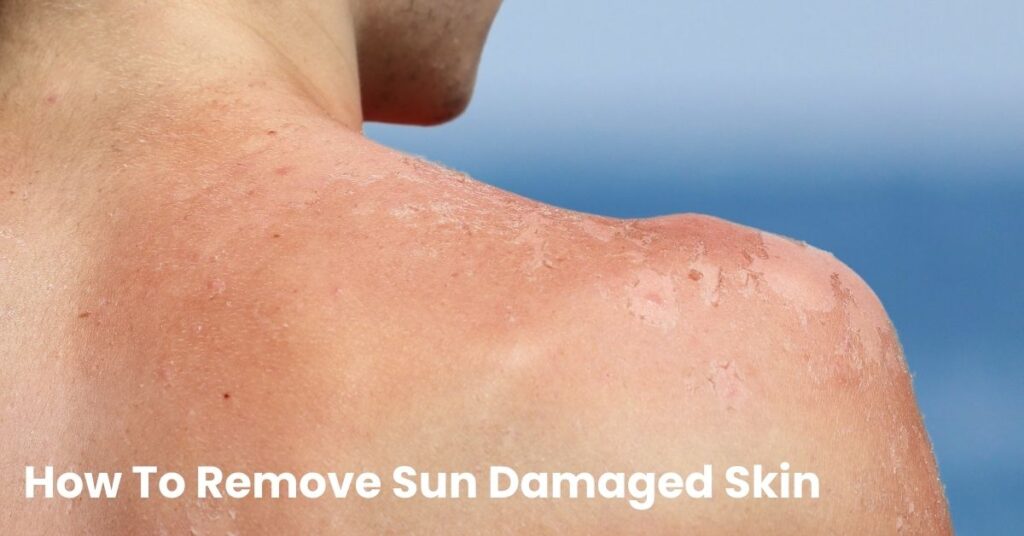
Most UV wear can fade with daily SPF, retinoids, gentle exfoliation, and dermatologist treatments that target pigment and texture.
Sun damage can show up as rough patches, dull tone, freckles that don’t fade, fine lines, and spots that keep getting darker.
The good news: many changes from UV exposure can soften with the right mix of daily habits, steady skin care, and, when needed, in-office work. The tricky part is picking moves that match what you’re seeing on your skin, then sticking with them long enough to judge results.
This article walks you through a clear plan, from “do this tonight” steps to dermatologist options that can shift stubborn pigment and texture. You’ll get a safety-first checklist, a simple routine you can follow, and a way to tell when a spot needs a pro’s eyes.
| What You See Or Feel | What It Often Means | Moves That Tend To Help |
|---|---|---|
| Fine lines that show more in sunlight | Collagen breakdown from UVA | Daily SPF, night retinoid, moisturize, in-office resurfacing if needed |
| Brown spots that stay year-round | Sun spots or mixed pigment | Daily SPF, vitamin C in the morning, retinoid, pigment agents, peels/lasers |
| Uneven tone with patchy dark areas | Pigment that’s spread out, sometimes melasma | Strict sun protection, gentle routine, targeted pigment agents, clinic care for stubborn areas |
| Rough “sandpaper” areas | Thickened outer layer, sun stress, sometimes actinic keratosis | Gentle exfoliation, moisturize, pro check for persistent rough patches |
| Redness that flares easily | Barrier strain plus visible vessels | Barrier-first products, avoid harsh scrubs, mineral SPF, vascular laser when suitable |
| Dryness that doesn’t quit | Barrier weakness, water loss | Ceramide-rich moisturizer, mild cleanser, stop over-washing, humidifier at night |
| Texture that feels bumpy | Clogging plus uneven cell turnover | Salicylic acid in small doses, retinoid, gentle cleansing, pro treatments if deep |
| A spot that bleeds, crusts, or keeps changing | Needs medical evaluation | Book a dermatology visit soon; don’t try to “treat it off” at home |
How To Remove Sun Damaged Skin With A Simple First Week
If you want your skin to look better, start by stopping the daily “re-damage.” That means sun protection each day, even on cloudy days and even when you’re mostly indoors near windows.
Then tighten your routine so it’s calm and repeatable. A steady baseline makes it easier to spot what’s working and what’s irritating your skin.
Daytime routine that doesn’t fight itself
1) Cleanse lightly. Use a mild cleanser or just rinse if you wake up dry. Stripping your face can push redness and flaking.
2) Use one brightening step. Vitamin C is a common pick for morning use. Start a few days a week if you’re sensitive, then build up.
3) Moisturize. Choose a basic lotion or cream with glycerin, ceramides, or hyaluronic acid.
4) Apply sunscreen like it’s skincare. The label matters less than your consistency and your amount. Broad-spectrum coverage and regular reapplication are the deal. The FDA’s guidance on broad-spectrum sunscreen use and reapplication lays out the basics.
Night routine that builds change without drama
1) Cleanse. If you wore sunscreen or makeup, cleanse. If your skin feels tight after, switch to a gentler cleanser.
2) Use a retinoid on dry skin. Retinoids can help with fine lines, tone, and rough texture over time. Start with two nights a week, then add nights as your skin settles.
3) Seal with moisturizer. If you get dry, put moisturizer on first, then retinoid, then a thin layer of moisturizer again. That “sandwich” method can cut irritation.
Two rules that save you from setbacks
- No harsh scrubs. If your skin is already sun-worn, gritty scrubs can leave it raw.
- One active at a time. Don’t stack new acids, retinoids, and strong brighteners in the same week. Add one change, give it time, then decide.
Removing Sun Damaged Skin With At-Home Ingredients That Pull Their Weight
Topicals can’t erase all marks, yet they can shift a lot of what people call “sun damage” when you use them steadily. Think in months, not days.
Retinoids for texture and fine lines
Retinoids nudge skin cell turnover and can soften fine lines while helping pigment fade. Over-the-counter retinol works for many people. Prescription tretinoin can be stronger and may irritate more at the start. Either way, pair it with daily sunscreen, since retinoids don’t mix well with unprotected UV exposure.
Vitamin C for dullness and uneven tone
Vitamin C can brighten the look of the skin and help with uneven tone. If it stings, use it less often or switch formulas. Keep it simple: one morning layer, then moisturizer and sunscreen.
Niacinamide for blotchiness and barrier comfort
Niacinamide can help reduce the look of blotchy tone and can feel calming on reactive skin. It’s often easy to layer with other products.
Gentle exfoliation for roughness
Alpha hydroxy acids (like lactic acid) can smooth rough skin. Beta hydroxy acid (salicylic acid) can help clogged pores. Use low strengths, start once a week, then move up slowly if your skin stays comfortable.
Moisturizer as the quiet workhorse
Barrier repair is not flashy, yet it changes how your skin handles actives and sun. A steady moisturizer can reduce flaking, sting, and redness, which makes the rest easier.
Removing Sun Damaged Skin When Spots And Patches Won’t Budge
Some marks hang on even with great home care. That doesn’t mean you failed. It usually means pigment is deeper, texture is thicker, or vessels are part of the story.
This is where in-office options can move the needle. Cleveland Clinic’s overview of sun-damaged skin treatments lists common clinic and prescription options.
Chemical peels for tone and surface texture
Peels use a controlled acid layer to lift off a thin part of the outer skin. Light peels can brighten and smooth with little downtime. Deeper peels can do more, yet they require careful screening and aftercare.
Laser and light for pigment, redness, and texture
Different devices target different problems. Some break up brown pigment. Others calm visible vessels. Resurfacing lasers can help texture and fine lines by creating controlled injury that triggers repair.
Expect a plan, not a single session. Many people need a series, spaced out, plus strict sun protection while healing.
Microneedling for texture and pores
Microneedling creates tiny channels that can trigger collagen building. It’s used for texture, pores, and some fine lines. It’s not a pigment eraser on its own, so it’s often paired with topical routines and sun protection.
Prescription options for stubborn pigment
Dermatologists may use prescription blends that target pigment triggers. These choices depend on your skin tone, your history of irritation, and the pattern of the dark areas.
What to do about rough, scaly spots
A rough patch that keeps coming back needs a proper check. Actinic keratoses can feel like dry, scaly spots and may need medical treatment. Don’t pick at them or try to “burn” them off with home acids.
| Option | What It Can Help | What Downtime Often Feels Like |
|---|---|---|
| Light chemical peel | Dull tone, mild spots, roughness | Dryness, light flaking for a few days |
| Medium peel | More stubborn tone and texture | Peeling and redness for about a week |
| IPL or pigment laser | Sun spots, scattered brown marks | Darkening of spots, then fading over 1–2 weeks |
| Vascular laser | Visible vessels, persistent redness | Swelling or bruising for several days |
| Fractional resurfacing laser | Texture, fine lines, mixed tone | Redness and roughness for days to weeks |
| Microneedling | Texture, pores, early fine lines | Sunburn-like redness for 1–3 days |
| Topical prescription pigment care | Patchy dark areas and lingering spots | Dryness or irritation during the first weeks |
Signs That Call For A Dermatologist Visit
Sun damage and skin cancer can sit on the same timeline, so it’s smart to know the red flags. If you notice a spot that changes fast, bleeds, crusts, hurts, or won’t heal, get it checked soon.
Use the “new, changing, or weird” rule. Your skin has patterns. When something breaks that pattern, it’s worth a professional look.
Habits That Keep Your Gains From Sliding Back
Repair and prevention go together. Without daily UV protection, pigment can rebound and texture can stay rough.
Use sun protection in layers
- Shade and timing: If you can, plan outdoor errands earlier or later in the day.
- Clothing: Hats, sunglasses, and tightly woven fabric beat sunscreen alone.
- Sunscreen: Apply enough, cover ears and neck, and reapply when you’re outside for hours.
Stop the sneaky irritators
If you’re working on how to remove sun damaged skin, irritation is the enemy. Fragrance-heavy products, strong scrubs, and too many actives can keep your skin in a loop of redness and peeling.
When you’re unsure, simplify for two weeks: gentle cleanser, moisturizer, sunscreen, then one active at night.
What Results Can Look Like Over Time
Most people feel a difference before they see it. Skin that was tight starts to feel softer. Makeup sits better. Dry patches calm down.
For pigment and fine lines, think in milestones:
- 2–4 weeks: Better hydration and smoother feel if your routine is gentle and consistent.
- 6–12 weeks: Early changes in tone and texture, especially with a retinoid.
- 3–6 months: Clearer shifts in sun spots and fine lines when sunscreen and actives stay steady.
Clinic procedures can speed this up, yet they still need aftercare and daily sun protection to hold results.
A Practical Checklist You Can Follow
- Wear broad-spectrum sunscreen each morning, then reapply when you’re outdoors for long stretches.
- Pick one active to start: retinoid at night or vitamin C in the morning.
- Moisturize daily, even if your skin is oily.
- Skip harsh scrubs and “sting equals working” products.
- Take monthly photos in the same lighting to track tone and texture changes.
- Get changing, bleeding, or non-healing spots checked by a dermatologist.
Done well, how to remove sun damaged skin becomes less about chasing miracle products and more about steady protection plus smart, targeted treatments.
References & Sources
- U.S. Food and Drug Administration (FDA).“Sunscreen: How to Help Protect Your Skin from the Sun.”Explains broad-spectrum use, SPF basics, and when to reapply.
- Cleveland Clinic.“Sun-damaged Skin (Photoaging).”Summarizes common signs of sun damage and treatment paths, including topicals and clinic procedures.

Mo Maruf
I created WellFizz to bridge the gap between vague wellness advice and actionable solutions. My mission is simple: to decode the research and give you practical tools you can actually use.
Beyond the data, I am a passionate traveler. I believe that stepping away from the screen to explore new environments is essential for mental clarity and physical vitality.