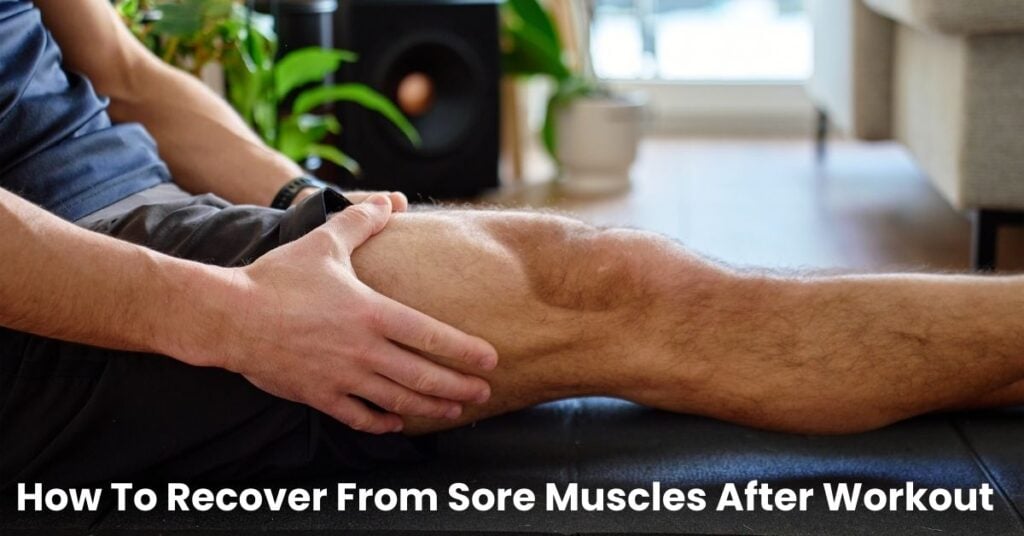
Post-workout soreness fades faster with light movement, steady meals, solid sleep, and heat or cold picked for how your body feels.
Sore muscles can make stairs feel personal. Most of the time, that ache is delayed onset muscle soreness (DOMS): tenderness and stiffness that shows up later and calms down over the next couple of days.
If you’re searching how to recover from sore muscles after workout, start with a simple idea: keep blood moving, then give your body fuel and rest. Skip the gimmicks. Stack the basics and you’ll feel better soon.
You’ll get a quick table of options first, then clear steps for the same day, the next morning, and the next workout. Near the end there’s a checklist you can follow now when you’re too sore to think straight.
| Recovery Move | When It Helps | How To Do It |
|---|---|---|
| Easy walk | Stiff legs, tight hips, sore back | 10–20 minutes at a pace that lets you chat |
| Gentle bike or row | Soreness that eases once you warm up | 5 minutes easy, then 10 minutes steady and light |
| Mobility flow | Limited range of motion | Slow hinges, lunges, and arm circles; stop before sharp pain |
| Light stretch holds | After you’re warm | 20–30 seconds per muscle, mild pull, no bouncing |
| Protein + carbs meal | After training and later that day | Include a protein source plus rice, oats, potatoes, or fruit |
| Fluids + salty food | Sweaty sessions, cramps, headache | Drink to thirst; add salty foods if you lost a lot of sweat |
| Heat | Stiffness and “locked up” feeling | Warm shower or heating pad for 10–15 minutes |
| Cold | Hot, puffy feeling after hard effort | Cool pack through a towel for 10 minutes; check skin often |
| Foam roll or self-massage | Tender spots that ease with pressure | Slow passes, 60–90 seconds per area, stay shy of sharp pain |
Why Muscles Feel Sore After Training
DOMS often peaks 24–72 hours after a new or tougher session. Eccentric work is a common trigger: the lowering phase of a squat, the downhill part of a run, the slow return on a curl. Those lengthening contractions can create tiny disruptions in muscle fibers and nearby tissue.
Your body answers with repair work. Fluid shifts and tenderness can make the area feel tight. The burn during hard sets fades soon after you stop; DOMS arrives later and follows its own timeline.
How To Recover From Sore Muscles After Workout
Move Lightly, Then Stop While You Still Feel Good
Complete rest often makes stiffness hang around. A short bout of light movement can feel better than a full day on the couch. Walk, spin, swim, or do a gentle circuit of bodyweight moves. Keep it easy and end with more range of motion than you started.
Warm Up Like You’re Starting From Cold
A warm-up is a reset button for sore muscles. For legs, try a few minutes of cycling, then slow squats to a chair and step-ups. For upper body, use band pull-aparts, arm circles, and wall push-ups. After you’re warm, add light stretch holds and stop at mild tension.
Eat And Drink With A Plan
Repair work uses protein, and training also spends stored fuel. Aim for protein at each meal that day, plus carbs that match your training load. Greek yogurt with fruit, eggs with toast, tofu with rice, or beans with tortillas all work.
The NHS inform note on a light snack with carbohydrate and protein after exercise fits this simple approach: refuel, then get on with your day.
Drink to thirst. If your session was sweaty, salty foods at meals can help you bounce back. Dark urine, a dry mouth, and a headache can hint that you’re behind.
Pick Heat Or Cold Based On The Sensation
Heat often helps when soreness feels like stiffness. Cold can feel better when the area feels hot and puffy after a hard session. Keep either one short, protect skin with a towel, and take breaks if you feel numbness.
Use Pressure For Short-Term Relief
Foam rolling or gentle massage can turn down tenderness for a while. Roll slowly. Pause on a tight spot, breathe, then move on. If pressure makes you tense up, lighten it. A lighter touch can work better on fresh soreness.
Sleep Like It’s Part Of Training
Sleep loss can make soreness feel louder and can drag out recovery. Aim for a steady bedtime, a dark room, and a cool temperature. If soreness wakes you up, try a warm shower before bed or a brief walk earlier in the evening.
Training Again While Sore
The tricky moment is deciding what to do on the next workout day. Mild soreness with near-normal range of motion is often fine. Heavy soreness that changes your form is a sign to shift gears.
Choose One Of These Paths
- Same plan, lighter: Reduce load, cut a set, or leave a few reps in reserve.
- Swap the focus: Train a different muscle group and keep the sore area moving lightly.
- Active rest day: Easy cardio and mobility, then back to training tomorrow.
A quick self-check helps. Rate soreness from 1 to 10. If it’s 1–3 and your movement feels normal once you warm up, train with a lighter touch. If it’s 6 or higher and you’re moving like a robot, swap the plan. Your goal is practice, not a fight with your own legs.
Use a simple test too. If a bodyweight squat or overhead reach feels sharp or unstable, skip heavy work that uses that pattern. If you warm up and your movement smooths out, you can train with restraint.
When Soreness Is Not Normal
DOMS is a dull ache, stiffness, and tenderness that fades over a few days. Treat other patterns with more caution. Sharp pain, pain right on a tendon or joint, or pain that changes your gait can point to a strain or joint issue.
Get medical care if you have swelling that keeps rising, a hard lump, severe weakness, fever, dark urine, numbness, or pain after a direct blow. Also get checked if pain lasts more than a few days or comes with redness and warmth. The MedlinePlus guidance on when to contact a medical professional for muscle aches lists warning signs in plain language.
Recovering From Sore Muscles After A Workout With Better Timing
Small timing tweaks can make the next day smoother. Right after training, cool down with five minutes of easy movement, then eat a normal meal with protein and carbs within the next couple of hours. If you get stiff after sitting, stand up and take a short walk later that day.
The next morning, start with ten minutes of light movement before you settle into work. If you sit for long stretches, stand up once an hour and take a short lap. The goal is steady blood flow, not a second workout.
How To Keep Soreness From Taking Over Next Time
You can’t erase soreness from training, yet you can keep it at a level that doesn’t wreck your week by planning progression and placement.
Build Volume In Steps
Big jumps in sets, miles, or new movements are a common culprit. Add one change at a time. If you raise weight, hold sets steady. If you add sets, keep the load the same for a week or two.
Warm Up For The Pattern
Match your warm-up to the lift or run you plan to do. Start with easy range, then add a few light sets that copy the movement. You’ll get blood flow, joints feel smoother, and the first working set is less of a shock. If you’re new to a move, keep that first session short so you can repeat it soon without a soreness cliff.
Place High-Eccentric Days With Space After Them
Downhill runs, slow negatives, long pauses, and long sets to fatigue can hit hard. Put those sessions before a lighter day, not before your most demanding day at work or your next tough workout.
| Time Window | What To Do | Notes |
|---|---|---|
| 0–2 hours | Cool down, then eat protein + carbs | Keep it normal food; no special powders required |
| 2–8 hours | Short walk, light mobility, drink to thirst | Long couch time can leave you stiffer |
| Night | Warm shower, steady bedtime | Sleep loss can make soreness feel louder |
| Next morning | 10 minutes easy cardio | Stop if pain climbs fast or turns sharp |
| Next workout | Lighter session or swap muscle group | Keep form clean; leave reps in reserve |
| 48–72 hours | Return to normal training as movement returns | Ramp up in steps, not one big jump |
Simple Checklist For The Next 72 Hours
- Do 10–20 minutes of easy movement once or twice a day.
- Eat protein at each meal, plus carbs that fit your training load.
- Drink to thirst, add salty foods after sweaty sessions.
- Use heat for stiffness, cold for a hot, puffy feeling.
- Roll or massage lightly if it feels good, stop before sharp pain.
- Keep bedtime steady and your room cool.
- Train hard again only when you can move well and keep form clean.
If you come back to this page because you forgot the steps, you’re not alone. The answer to how to recover from sore muscles after workout is usually a stack of small calls that add up over a couple of days.
References & Sources
- NHS inform.“How to reduce your risk of injury from exercise or physical activity.”Notes post-exercise fueling with carbohydrate and protein and general injury-risk tips.
- MedlinePlus Medical Encyclopedia (NIH/NLM).“Muscle aches.”Lists warning signs and when to seek medical care for muscle pain.

Mo Maruf
I created WellFizz to bridge the gap between vague wellness advice and actionable solutions. My mission is simple: to decode the research and give you practical tools you can actually use.
Beyond the data, I am a passionate traveler. I believe that stepping away from the screen to explore new environments is essential for mental clarity and physical vitality.