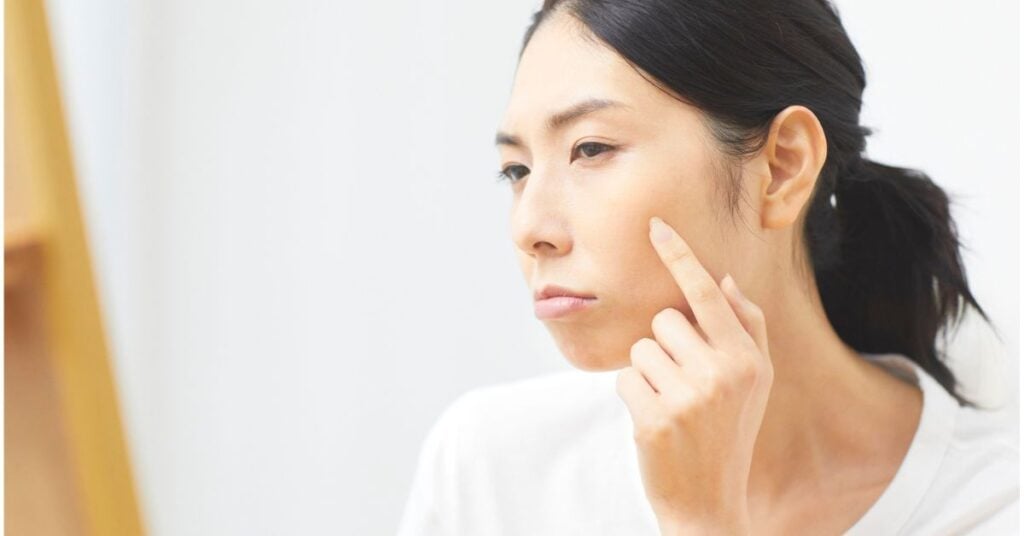
Afternoon face shine often spikes when morning products mix with sebum—clean gently, hydrate lightly, and blot smart.
That “2 PM mirror check” can feel rude. You started the day fresh, then a slick film shows up across the T-zone. Makeup slides, and your nose shines in photos.
Midday oil is usually a mix of natural sebum flow, product build-up, and a skin surface that’s dehydrated or irritated. Once you spot your pattern, small tweaks can steady your finish without turning skincare into a hobby.
Why Your Skin Gets Oily at 2 PM (And How To Stop It)
Sebaceous glands release sebum all day. By early afternoon, sebum has had hours to travel from pores to the surface. Add the layers you put on at 7–9 AM—moisturizer, sunscreen, makeup—and you end up with a mixed film that reflects light.
Oil Builds In Layers, Not All At Once
Most “oily at 2 PM” faces aren’t dumping oil in one burst. They’re collecting thin layers over time. Sunscreen and makeup can hold sebum near the surface, and heat softens richer textures into a slick finish.
- Shine shows up where you applied the most product.
- Foundation separates into tiny dots around pores.
- Blotting helps, yet shine returns fast.
Too-Harsh Cleansing Can Keep The Cycle Going
If your cleanser leaves your skin tight, your barrier may be stripped. Tight skin can push you toward heavier moisturizer or extra face washing, which keeps the cycle going.
Midday Habits Add Oil And Friction
Hands touch faces more than we notice—resting your chin on a palm, rubbing an itchy spot, wiping sweat with a sleeve. That transfers oil and leaves patchy shine.
Heat and humidity matter too. Warm skin softens balm-like formulas. Sweat mixes with sebum and can make shine look stronger.
Hormones And Genetics Set Your Baseline
Sebaceous glands respond to hormones, and some people simply run oilier. Your routine has to match your baseline instead of trying to “dry you out.”
Why Skin Gets Oily Around 2 PM And The Fixes That Stick
Mid-afternoon shine usually improves with a short system: gentle cleanse, light hydration, smart sun protection, then tidy touch-ups that don’t pile on. Pick one change, run it for two weeks, then judge your 2 PM mirror.
To find your best fix, check your face at noon and again at 2 PM. Note tightness, pilling, skipped moisturizer, face touching, and sunscreen re-layers. Pick the first clear pattern and change one step. Jot a two-line note in your phone so you’re not guessing next week.
Morning Routine That Keeps Shine Down
The morning goal is balance: remove overnight oil and sweat, then build a light base that won’t melt by lunch.
Let each layer dry before the next. Two minutes between moisturizer and sunscreen cuts pilling. If you rush, products mix into one slippery film that shows up later as shine on your T-zone.
Wash With A Gentle, Steady Rhythm
Give your cleanser 30–60 seconds on the skin, then rinse well. Scrubbing can leave irritation that shows up later as redness and extra shine.
Moisturize On Purpose, Even If You’re Oily
Skipping moisturizer can backfire by lunchtime. A light moisturizer smooths the top layer so oil spreads more evenly and looks less glaring.
- “Oil-free” or “non-comedogenic” if you clog easily.
- Gel-cream or lotion textures instead of thick balms.
- Short ingredient lists if you flush or sting.
Use Sunscreen That Matches Your Finish
The wrong formula can turn your face shiny by mid-day. Matte fluids and gel sunscreens can feel lighter than rich creams. Apply a full, even layer, then let it set before makeup.
If you’re acne-prone, the NHS warns that washing too often can irritate skin and make acne worse in its acne advice. Pair sunscreen changes with gentle cleansing so you don’t chase oil with more scrubbing.
Keep Makeup Thin Where You Get Oily
Use a pore-blurring primer only where oil shows up. Choose lighter coverage on the nose and inner cheeks, where makeup tends to break apart first.
Press a small amount of powder into the sides of the nose, center forehead, and chin. Leave the rest alone so your face still looks like skin.
Your Daily Timing Plays A Part
Many skin functions follow a daily rhythm, and sebum output often runs higher during daytime than at night. A review in Biological Rhythms in the Skin notes research showing daytime-higher sebum trends.
The American Academy of Dermatology’s acne skin-care tips include gentle washing with a non-abrasive cleanser and fingertips, then patting dry.
Use this table to match common 2 PM shine drivers with a first move to test.
| What Usually Drives 2 PM Shine | What It Looks Like | What To Try First |
|---|---|---|
| Cleanser too harsh | Tight skin after washing, then greasy by noon | Swap to a mild gel cleanser; skip scrubs |
| Skipping moisturizer | Flaky edges with an oily center | Use a light, fragrance-free lotion or gel |
| Heavy sunscreen | Grease sits on top; makeup slides | Try a lightweight fluid or gel sunscreen |
| Too many layers | Pilling, texture, shiny patches | Cut one step; let each layer dry |
| Face touching | Shine near mouth and jaw, random smudges | Keep tissues handy; clean phone screen daily |
| Powder overload | Pasty makeup that turns shiny later | Blot first, then tap on a thin veil of powder |
| Dehydrated barrier | Stinging with actives, oil plus redness | Pause strong acids; add a simple moisturizer |
| Long-wear makeup mismatch | Foundation breaks up at the nose | Use oil-control primer only on T-zone |
| Hair product transfer | Shine along temples and hairline | Keep styling creams off the forehead |
| Clogged pores and breakouts | Oily surface with frequent spots | Add salicylic acid a few nights per week |
For an evidence-based overview of oily skin and basic care steps, MedlinePlus on oily skin outlines practical habits and product choices.
Midday Touch-Ups That Don’t Cake
You’re not repainting your whole face at 2 PM. You’re removing the slick layer, then restoring a smooth finish.
Blot Before You Add Anything
Blotting paper, a clean tissue, or a single-ply napkin can lift oil without moving makeup much. Press and lift. Don’t rub. If you go straight to powder, you trap oil under makeup and shine returns fast.
Powder With A Light Hand
Tap powder on with a puff or a dense brush, then press it into the skin. Focus on shine zones and keep powder away from dry areas.
Keep Touch-Up Tools Clean
Dirty tools can smear oil and make texture stand out. If touch-ups look worse by late afternoon, clean your tools first.
- Wash your puff with mild soap and let it air-dry.
- Keep blotting sheets sealed in your bag.
- Wipe phone screen and glasses nose pads daily.
| Midday Move | When It Works Best | How To Do It Cleanly |
|---|---|---|
| Blotting paper | Shine with makeup still intact | Press 5–10 seconds per area, then lift |
| Tissue press | In a pinch, no blot sheets | Separate plies; use one thin layer |
| Targeted powder | Makeup slipping at nose and chin | Blot first; press powder only on T-zone |
| Oil-control primer re-tap | Foundation breaking up | Use a pea-size; tap, don’t smear |
| Powder sunscreen brush | Need a sun top-up on the go | Apply in thin layers; keep brush clean |
| Matte setting spray | Powder looks dry or heavy | Spritz from arm’s length, then let it dry |
Reapply Sun Protection Without Extra Shine
Blot, then reapply a lightweight fluid sunscreen in a thin layer. A powder sunscreen brush can be handy, yet it can be hard to apply enough for full coverage.
Night Routine That Resets The Surface
Your evening routine sets up tomorrow’s 2 PM face. Remove the day’s layers, keep pores clear, then calm the barrier so it doesn’t feel stripped in the morning.
Remove Sunscreen And Makeup Fully
If you wear water-resistant sunscreen or long-wear makeup, start with a gentle cleansing balm or micellar water, then follow with your regular cleanser. Rinse well, then pat dry.
Use Oil-Balancing Actives At A Pace You Can Tolerate
Salicylic acid helps clear pore debris. Retinoids help keep clogged pores from forming. Start slow—two nights per week—then build only if your skin stays calm.
One more low-drama helper is niacinamide. Many people find it cuts the look of shine and calms redness when used once daily. Clay masks can soak up surface oil too, yet keep them to once a week and rinse before the mask cracks. Over-doing masks and acids can leave skin tight, then shiny again by afternoon. If you’re new to treatments, patch test on an area and stop if you sting or peel.
Don’t Skip Moisturizer At Night
If you use drying acne treatments, pair them with a plain moisturizer to cut flaking. A steady barrier often looks less shiny by afternoon.
When Oily Skin Comes With Redness, Itch, Or Pain
Shine plus burning, flakes, or sore bumps can point to irritation or acne that needs a smarter plan.
- New, fast-spreading rash or swelling.
- Painful cysts, draining bumps, or scarring.
- Redness that stings with basic products.
If you’re using a new active, stop it for a week and return to a simple routine: gentle cleanser, plain moisturizer, sunscreen. Once calm, re-start one product at a time so you can spot the trigger.
A 2 PM Shine Checklist You Can Run In Two Minutes
- Blot first. Press and lift.
- Check your sunscreen feel. If it’s greasy, plan a lighter formula next purchase.
- Look at your cleanser. If you feel tight after washing, swap to a milder one.
- Use a light moisturizer daily. Dry-feeling skin often shines later.
- Touch up with thin layers. Powder after blotting, not before.
- Cut one product layer for a week. Fewer layers often slide less.
Give your routine two weeks, then judge your 2 PM mirror. Aim for comfortable skin and a steady finish, not perfection. If shine drops even one notch, you’re on track.
References & Sources
- PubMed Central (NIH/NLM). “Biological Rhythms in the Skin.” Notes research linking daily rhythms with daytime-higher sebum trends.
- American Academy of Dermatology. “Acne: Tips for managing.” Dermatologist advice on gentle cleansing and daily habits that reduce irritation.
- National Health Service (NHS). “Acne.” Self-care tips that warn against over-washing and harsh cleansing habits.
- MedlinePlus Medical Encyclopedia (NIH). “Oily skin.” Medical overview of oily skin and straightforward care steps.

Mo Maruf
I created WellFizz to bridge the gap between vague wellness advice and actionable solutions. My mission is simple: to decode the research and give you practical tools you can actually use.
Beyond the data, I am a passionate traveler. I believe that stepping away from the screen to explore new environments is essential for mental clarity and physical vitality.