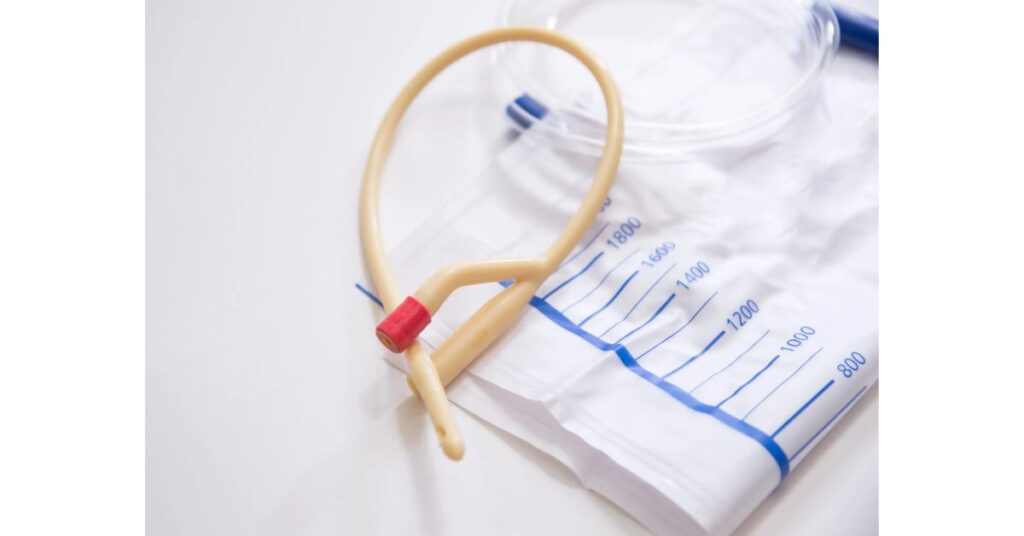
A man may need a urinary catheter when he cannot empty his bladder safely on his own or doctors must track urine closely.
Hearing that you or someone you care about needs a urinary catheter can feel worrying and awkward. You might ask yourself why this tube is suddenly part of the plan, what it does, and how long it will stay in place. Understanding why does a man need a catheter? helps turn a scary headline into a clear medical step with a specific job.
This article explains the main reasons men need catheters in clear, everyday language and reminds readers that personal care still belongs with their own doctor.
Quick Answer: Why Catheters Are Used In Men
Most men receive a catheter because urine cannot leave the bladder in a safe way, or because a hospital team needs exact fluid measurements during treatment. The tube gives the bladder a way to empty, protects the kidneys, and lets staff track how the body is coping with illness, surgery, or medicines.
Why Does A Man Need A Catheter? Common Situations Men Face
Health services usually follow clear rules before inserting a urinary catheter. Guidance from groups such as the NHS and major medical bodies stresses that catheters should be used only when needed and removed as soon as it is safe to do so.
| Reason | What Is Going On | How Long A Catheter May Be Needed |
|---|---|---|
| Acute Urinary Retention | Bladder fills but cannot empty because the outlet is blocked, often by an enlarged prostate. | Usually short term until the blockage is treated or eased. |
| Chronic Retention With Symptoms | Bladder never fully empties, causing infections, kidney strain, or overflow leakage. | May need regular intermittent catheters or longer indwelling use. |
| Before Or After Surgery | Operations on the bladder, prostate, bowel, or spine, or long general anaesthesia. | Often for hours to a few days while the body recovers. |
| Serious Illness In Hospital | Critical care, shock, or major infection where exact urine output guides treatment. | As long as close monitoring is needed. |
| Spinal Cord Injury | Nerve signals to the bladder and sphincter are disrupted. | Sometimes lifelong, often as planned intermittent self catheterisation. |
| Other Nerve Conditions | Multiple sclerosis, Parkinson’s disease, or diabetic nerve damage affecting bladder control. | Varies; some men self catheterise several times a day. |
| Severe Incontinence With Skin Damage | Constant leakage leads to open sores that need to stay dry. | Often used as a last resort while skin heals. |
| End Of Life Comfort | Pain, weakness, or confusion make trips to the toilet hard. | Used to keep care simple and reduce distress. |
Across all these scenarios, the core aim is the same: keep urine flowing in a controlled way so the bladder and kidneys stay as healthy as possible. Each man’s story is different, so the plan for catheter length and type will be shaped around his condition, mobility, and home support.
Blockage From An Enlarged Prostate Or Urethral Stricture
One of the most common reasons for male catheter use is blockage at the outlet of the bladder. In many men this comes from benign enlargement of the prostate gland, which sits just below the bladder and wraps around the urethra. If the gland squeezes too tightly, urine can back up and suddenly stop, a situation known as acute urinary retention.
Another cause is a urethral stricture, where scar tissue narrows the urine channel. Whether the problem is prostate tissue, scar tissue, or a stone, a catheter gives the bladder a temporary bypass. In emergencies this can prevent long term damage to the bladder wall and kidneys while doctors arrange medicines, scopes, or surgery.
Bladder Emptying Problems After Surgery Or Injury
A man may also need a catheter around the time of surgery. Operations on the prostate, bladder, bowel, hips, or spine often require general anaesthetic and strong pain relief medicines. Both can temporarily switch off bladder signals or weaken muscle tone, leaving the bladder full but silent.
In intensive care, catheters let staff measure urine exactly so they can adjust fluids and medicines and protect the kidneys.
Understanding How A Male Urinary Catheter Works
Before asking detailed questions, many men find it useful to know what the device actually does inside the body. A urinary catheter is a thin, flexible tube that runs from the bladder to a drainage bag or straight into a measuring container. Most types are made from silicone or latex-free materials designed to be smooth and flexible.
Basic Path From Bladder To Bag
With a standard urethral catheter, the tube passes through the penis along the urethra and into the bladder. A small balloon near the tip is filled with sterile water so the tube stays in place. Urine then runs down the tube by gravity into a leg bag during the day or a larger night bag when the man is resting.
A suprapubic catheter reaches the bladder through a small opening in the lower abdomen instead of through the penis. The tip still sits in the bladder, and the balloon still holds it there, but the drainage tubing lies against the tummy wall instead of the groin.
Intermittent Versus Indwelling
When a man can handle his own care and has steady hand function, the team may offer intermittent self catheterisation. In this approach, a single use catheter is passed into the bladder just long enough to drain urine, then removed straight away. Many men do this four to six times a day to keep the bladder empty without carrying a bag.
In other situations an indwelling catheter stays in place for days, weeks, or sometimes longer. This is more common when mobility is limited, home care is complex, or surgery on the urinary tract is still healing. Medical pages from services such as the NHS urinary catheter guidance and the Cleveland Clinic catheter guide describe both approaches and stress the need for regular review.
Types Of Urinary Catheters For Men
Not every man with bladder trouble needs the same device; choice depends on cause, expected duration, hand strength, and preference.
Intermittent (In And Out) Catheters
Intermittent catheters are thin tubes that a man or carer passes into the urethra several times a day to drain stored urine. They do not stay in between drains. Many men with spinal cord injury or nerve-related bladder problems use this method to keep pressures low and reduce the chance of urinary tract infections compared with a permanent tube.
Indwelling Urethral Catheters (Foley)
Indwelling urethral catheters, often called Foley catheters, stay in the bladder for longer periods. They suit short term use around surgery, episodes of acute retention, and some men with long term retention who cannot self catheterise. The tube connects to a bag that can be strapped to the leg or hung beside the bed.
Suprapubic Catheters
A suprapubic catheter reaches the bladder through a small surgically created opening in the lower abdomen. This route can be helpful when the urethra is badly scarred, when long term catheter use is expected, or when sex while using a catheter is a priority. The opening is usually created in theatre under anaesthetic and may be kept open for many months or years.
External (Condom) Catheters
External catheters look more like a sheath or condom with a tube at the tip. They fit over the penis instead of going through it. These devices are used for some men with incontinence who pass urine but leak constantly. They avoid a tube inside the urethra but still need careful skin care and regular changes.
Catheter Types For Men At A Glance
| Catheter Type | Where It Sits | Typical Use |
|---|---|---|
| Intermittent Single Use | Passed through urethra only during drainage. | Self management of retention with good hand function. |
| Indwelling Urethral (Foley) | Stays in urethra and bladder with a balloon. | Short term after surgery or during acute illness. |
| Suprapubic Indwelling | Through lower abdomen into bladder. | Long term use when urethral route is not suitable. |
| External (Condom) | Over the penis, attached to tubing. | Ongoing incontinence with intact bladder emptying. |
| Specialist Designs | Examples include coude tips or larger sizes. | Used when standard tubes will not pass or drain well. |
Living With A Catheter As A Man
Good hand washing before and after touching the catheter or bag reduces the chance of infection. The skin where the tube enters the body should be washed gently with mild soap and water and dried well. The drainage bag needs regular emptying before it becomes heavy, and tubing should run in a smooth line with no sharp bends.
Sex and intimacy are still possible for many men with catheters. Some prefer a suprapubic tube so the urethra is free, while others choose intermittent catheters so they do not have tubing during sex.
Risks, Warning Signs, And When To Call A Doctor
No medical device is free from downsides, and urinary catheters are no exception. The most common problem is infection, including catheter associated urinary tract infection. Irritation, bladder spasms, and small amounts of bleeding can also occur, especially in the early days after insertion.
Common Risks Linked To Catheters
Research and national guidance list several risks from long term or repeated catheter use. These include urinary tract infections, narrowing of the urethra, bladder stones, and damage from repeated attempts at insertion. Many of these problems are less likely when staff use gentle technique, the smallest suitable size of catheter, and careful securement.
Red Flag Symptoms You Should Not Ignore
Any man with a catheter should seek urgent medical advice if he notices fever, shivering, confusion, new pain in the lower tummy or back, strong or bad smelling urine, or almost no urine draining despite good fluid intake. Sudden blockage of the catheter, new blood clots, or severe bladder spasms are also reasons to call for help without delay.
Local skin problems such as open sores, swelling, or leakage around the tube deserve attention as well. While many minor issues can be managed at home with guidance from a district nurse, a sudden change in symptoms always merits prompt review.
Talking With Your Health Team About Next Steps
If you are wondering why does a man need a catheter? in your own case, ask your doctor or nurse three simple questions: why the catheter was started, how long they expect you to need it, and what would need to change for it to come out. Clear answers can ease worry and help you take part in decisions about scans, medication, and surgery.

Mo Maruf
I created WellFizz to bridge the gap between vague wellness advice and actionable solutions. My mission is simple: to decode the research and give you practical tools you can actually use.
Beyond the data, I am a passionate traveler. I believe that stepping away from the screen to explore new environments is essential for mental clarity and physical vitality.