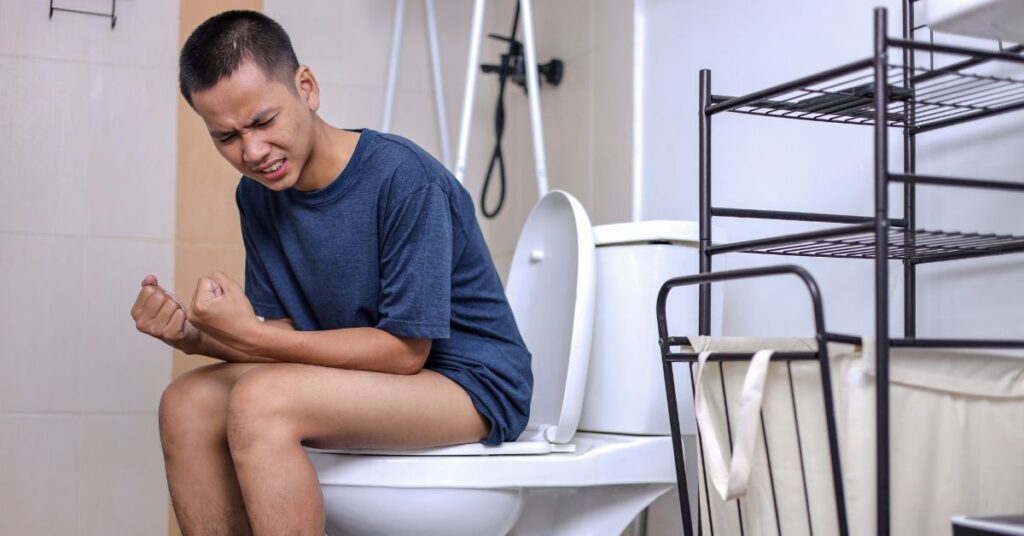
Dehydration can trigger diarrhea when your gut pulls water into the bowel and absorbs less fluid, turning stools loose and frequent.
If you’re asking why do you get diarrhea when dehydrated?, it can feel like a cruel joke. You’re already low on fluid, then your body sends more out. Dehydration isn’t just “not enough water.” It often means your salts are low, your gut lining is irritated, and your intestines can’t soak up liquid like they should.
The goal here is simple: show the main ways dehydration and diarrhea feed each other, then give you clear moves that tend to help. You’ll also see red flags that mean it’s time to get medical care.
| What’s Changing In Your Body | What You May Notice | First Move That Often Helps |
|---|---|---|
| Electrolytes (sodium, potassium) drop with fluid loss | Weakness, cramps, thirst, lightheaded feeling | Use an oral rehydration drink, not plain water only |
| The bowel pulls water inward to dilute “too concentrated” contents | Watery stools that keep coming | Small sips on a schedule; pause greasy foods |
| Less blood flow to the gut slows absorption | Urgency, belly discomfort, stools stay loose | Rest, rehydrate, keep portions small |
| Inflammation from a stomach bug damages the lining | Diarrhea plus nausea, fever, or aches | Fluids first, then bland food as appetite returns |
| Bile acids aren’t reabsorbed well when transit speeds up | Burning stools, frequent trips after meals | Cut high-fat meals for a day or two |
| Some meds and supplements pull water into the bowel | Loose stools after a new pill or magnesium product | Check labels; call a pharmacy or clinic for options |
| Sweating and heat stress raise gut sensitivity | Cramping, urgent diarrhea during or after heat exposure | Cool down, sip an electrolyte drink, stop activity |
| Dehydration can change gut movement and mucus | Loose stool mixed with constipation, gassy feeling | Steady fluids through the day, fiber from food |
Why Do You Get Diarrhea When Dehydrated?
There isn’t just one way this happens. Often, diarrhea starts first from a virus, food poisoning, heat illness, or a medication change. Once stools get loose, water and salts leave fast. Then dehydration makes your intestines worse at pulling water back in, so the problem can stretch out.
Think of a loop: diarrhea drains fluid, dehydration weakens absorption, weak absorption leaves more water in the bowel, and that water becomes more diarrhea. The most reliable break in the loop is replacing electrolytes while giving your gut a short break from triggers.
Osmotic Pull: The Bowel Can Draw Water In
Your intestines absorb water best when sodium and glucose are in the right range. When the mix in the bowel gets too concentrated, water can move into the bowel to thin it out. That extra water ends up in stool.
This is why oral rehydration drinks can work better than plain water during active diarrhea. They contain the glucose-and-salt pairing your gut uses to absorb water.
Less Absorption: Low Fluid Can Reduce Gut Flow
When you’re low on fluid, your body protects blood flow to the brain and heart. The gut can get less. With less flow, the lining may absorb water and electrolytes less well, leaving stool looser.
Rest helps. So does pacing fluids. Big gulps can trigger nausea. Small sips tend to stay down.
Faster Transit: Less Time To Pull Water Back
Dehydration often goes with heat stress, a faster pulse, and a body trying to steady itself. In many people, that state can speed gut transit. When stool moves faster, there’s less time to absorb water.
Fast transit can also let bile acids reach the colon, where they can irritate the lining and add burning and urgency.
Diarrhea When Dehydrated During Illness
Stomach illness is the classic pairing: diarrhea plus low intake. The gut lining gets inflamed, so it leaks fluid and absorbs less. Then nausea makes drinking harder. If you keep losing more than you take in, dehydration stacks up quickly.
MedlinePlus has clear primers on dehydration and diarrhea, including causes and warning signs.
Stomach Bugs And Food Poisoning
Viral gastroenteritis often brings watery stools, nausea, and cramps. Fever and sweating can raise fluid loss. Dehydration can leave you dizzy when you stand and too tired to keep drinking.
For most people, the lining heals on its own in a few days. Your job is to stay hydrated enough to ride it out.
Heat, Sweating, And Hard Workouts
Heat can dry you out before thirst hits. Add a long run, outdoor labor, or a humid day, and you can lose both water and salt. Some people then get urgent diarrhea after exertion.
Cool down first. Then rehydrate with an electrolyte drink, not water alone.
Medications That Can Trigger Loose Stools
Antibiotics can cause loose stools in some people. Magnesium laxatives and some antacids can also pull water into the bowel. If diarrhea starts soon after a new medication or dose change, call your pharmacy or clinician and ask what to do with that product.
Signs You’re Sliding Toward Dehydration
Thirst helps, but it isn’t a perfect alarm. Watch for clusters of signs, especially if you’ve had several loose stools.
- Dry mouth or sticky saliva
- Dark yellow urine or peeing less often
- Headache or a foggy feeling
- Dizziness when standing up
- Fast heartbeat
- Muscle cramps
- In kids: fewer wet diapers, fewer tears, unusual sleepiness
Act early. Catching dehydration late makes it harder to bounce back.
What To Do Right Now
If diarrhea is active and you feel dehydrated, aim for fluids that your gut can absorb. Pace is the trick.
Use Small Sips On A Schedule
Take a few swallows, wait a minute, then repeat. If you vomit, pause for 10 minutes, then restart with smaller sips.
Choose Fluids With Electrolytes
Oral rehydration solutions, electrolyte drinks, and broth add sodium that helps your intestines absorb water. Plain water is fine between doses, but water alone can leave you washed out during frequent watery stools.
One practical trick: keep a cup or bottle you know the volume of. Aim to sip a bit after each bathroom trip. If urine stays dark or you stop peeing, shift to oral rehydration solution and get help fast today.
Eat Small, Bland Meals When You Can
When nausea eases, try rice, toast, bananas, oatmeal, boiled potatoes, or soups. Go light on fried food, heavy fat, and alcohol for a day or two since they can worsen urgency.
Drink And Food Choices While Rehydrating
Use this table to pick what to sip and eat while you’re trying to slow diarrhea and rehydrate at the same time.
| Option | When It Fits | Watch Outs |
|---|---|---|
| Oral rehydration solution | Watery diarrhea, low urine, dizziness | Follow mixing directions; sip slowly |
| Electrolyte drink | Mild dehydration from heat or workouts | Some are high-sugar; dilute if needed |
| Water | Between electrolyte doses | May not replace salts during active diarrhea |
| Broth or soup | When you can handle warm, salty food | Skip creamy soups while stools are loose |
| Bananas or boiled potatoes | When you want calories plus potassium | Keep portions small if nausea lingers |
| Rice, toast, oatmeal | Early meals after vomiting eases | Go easy on butter and spicy toppings |
| Yogurt with live active bacteria | After stools start firming up | Avoid if lactose makes symptoms worse |
| Greasy or high-fiber meals | After you’re back to normal | Too soon can restart urgency |
When To Get Medical Care
Short-lived diarrhea often clears on its own, but dehydration can turn risky fast, especially for infants, older adults, and people with kidney disease or diabetes. Seek care right away if any of these show up:
- Confusion, fainting, trouble staying awake
- No urine for many hours, or urine that’s scant and dark
- Blood in stool or black, tarry stool
- Severe belly pain that doesn’t let up
- High fever that won’t come down
- Vomiting that blocks you from keeping fluids down
- Dehydration signs in a baby or young child
If you’re unsure, call a local nurse line or clinic and share how long symptoms have lasted and how much you’ve been able to drink. Keep a list of your medicines, since some products need adjusting during dehydration.
How To Lower The Odds Next Time
Some episodes are bad luck. Still, a few habits can cut down how often dehydration and diarrhea collide.
Drink Earlier On Hot Or Busy Days
If you’ll be sweating for hours, pair water with salty foods or an electrolyte drink. Urine that stays pale yellow is a simple check that you’re not falling behind.
Go Easy On Alcohol After You Start Feeling Better
Alcohol can worsen dehydration. If loose stools are active, keep alcohol off the menu until you’re steady again.
Watch Food And Water When Traveling
Stick to food that’s cooked and served hot, and choose sealed beverages when tap water is uncertain. If diarrhea hits while traveling, start rehydration early so you don’t spiral into dehydration.
Quick Checklist For A Rough Day
When you’re tired and foggy, decisions get harder. This short list keeps you pointed in the right direction.
- Ask: why do you get diarrhea when dehydrated? Fluid loss plus poor absorption can keep stools loose.
- Take small sips on a schedule. Keep going.
- Use an oral rehydration drink if stools are watery or frequent.
- Rest and cool down if heat or exertion set this off.
- Eat small, bland meals once nausea eases.
- Skip alcohol, greasy meals, and high-sugar drinks until you’re normal.
- Get medical care if you can’t keep fluids down, you see blood, or you’re getting dizzy or confused.
Diarrhea plus dehydration is miserable. Spot it early, rehydrate with electrolytes, and give your gut time to settle.

Mo Maruf
I created WellFizz to bridge the gap between vague wellness advice and actionable solutions. My mission is simple: to decode the research and give you practical tools you can actually use.
Beyond the data, I am a passionate traveler. I believe that stepping away from the screen to explore new environments is essential for mental clarity and physical vitality.