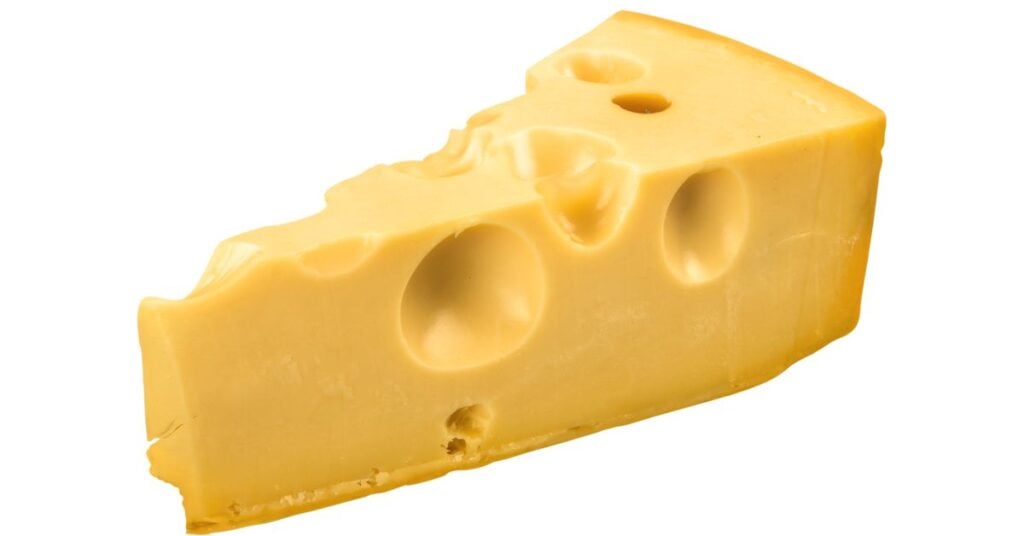
Fermented cheese is made when starter bacteria acidify milk, so most cheeses qualify, while paneer and some ricotta don’t.
Cheese talk gets confusing fast. People use “fermented” to mean “aged,” “funky,” or “stinky,” but fermentation is a specific step: microbes turn milk sugar into acid. Once you know what to watch for, you can sort cheeses in seconds.
If you’re asking which cheese is fermented?, here’s the deal: nearly every classic cheese style relies on fermentation at the start, even if it’s sold young. The better question is often how strongly the fermentation shows up in taste and texture.
Fermented Cheeses By Style And How To Spot Them
Most cheesemaking starts the same way. Warm milk meets starter bacteria. Those bacteria eat lactose and make lactic acid. That gentle souring helps curds form, shapes flavor, and preps the curds for later changes during resting or aging.
You can spot fermentation with a few easy clues. On ingredient lists, look for phrases like “starter bacteria,” “lactic bacteria,” “ferments,” or a named microbe group like Lactococcus or Lactobacillus. On the rind, you may see molds or yeasts listed, which usually means a second wave of flavor-building on the surface.
| Cheese Style | Main Fermentation Drivers | What You’ll Notice |
|---|---|---|
| Cheddar | Starter bacteria + rennet set | Clean tang, firm slice, sharper bite with age |
| Gouda | Starter bacteria, washed curd method | Sweet-nut notes, smooth melt, deeper caramel with age |
| Mozzarella | Starter bacteria, then hot stretching | Milky pull, mild tang, better melt when fresh |
| Feta | Starter bacteria + brine | Salty snap, lemony edge, crumbly blocks |
| Brie Or Camembert | Starter bacteria + surface mold | Soft paste, mushroom aroma, creamy edge near rind |
| Blue Cheese | Starter bacteria + blue mold | Salty punch, spicy aroma, veins and crumble |
| Swiss-Style | Starter bacteria + propionic bacteria | Nutty aroma, “eyes,” sweet finish |
| Parmesan-Style | Starter bacteria + long aging | Hard grate, savory depth, crystals in older wheels |
| Cream Cheese | Starter bacteria, short set | Spreadable body, gentle tang, smooth mouthfeel |
| Cottage Cheese | Starter bacteria, cut curd, light dressing | Soft curds, fresh dairy taste, mild sour note |
Which Cheese Is Fermented?
In day-to-day terms, the fermented cheeses list is huge: cheddar, mozzarella, brie, feta, blue, gouda, parmesan, gruyère, manchego, and thousands more. If the cheese started with bacteria souring the milk, it counts as fermented.
So what cheeses don’t fit? A small set relies mostly on direct acid and heat, with little or no microbial souring in the vat. The classic home-cooking picks are paneer and queso blanco. Some ricotta is also made mainly by heating whey with added acid. Even then, many brands still use a starter step earlier in the process, so labels matter.
If you want a simple mental rule, use this: rennet-set cheeses are nearly always fermented first. Heat-and-acid curds are the ones that may skip it. When in doubt, read the ingredient list, since it tells you what was used, not what the cheese “should” be by tradition.
How Fermentation Happens In Cheesemaking
Fermentation in cheese is not one single moment. It’s a chain of small changes that add up. Here’s how it usually goes in the plant or dairy.
Starter Bacteria Change The Milk Early
Milk starts near neutral pH. Starter bacteria lower the pH by turning lactose into lactic acid. That shift makes proteins more willing to knit together. It also nudges the cheese away from flat, sweet milk notes and toward tang, butter, and savory depth.
Rennet Sets Curds, Then Fermentation Keeps Working
Rennet (or another clotting enzyme) sets the milk into a gel that can be cut into curds. Once the curds are cut, bacteria keep making acid as whey drains away. The speed of this acid rise shapes texture: slow and gentle can yield pliable curds, faster can give a tighter, more crumbly body.
Salt, Time, And Rind Microbes Steer Flavor
Salt does a lot at once. It seasons, draws out moisture, and slows bacterial activity so the cheese doesn’t turn sour too far. Then time takes over. In aged cheeses, enzymes from milk, rennet, bacteria, and sometimes molds break down proteins and fats into the flavors you crave.
Fermentation And Aging Aren’t The Same Thing
People mix these up all the time. Fermentation is the acid-making step driven by microbes. Aging is what happens after the curd is formed and salted: slow enzyme work, moisture loss, and rind growth. A cheese can be fermented and still sold young, like fresh mozzarella or cream cheese.
Label Words That Signal Fermentation
Store shelves don’t always say “fermented.” Labels still give plenty away if you know the usual wording. A few terms show up again and again.
- Starter bacteria or lactic bacteria: the clearest sign the milk was fermented.
- Live and active: common on fresh cheeses that keep microbes alive through packing.
- Ripened: points to microbes working during aging, often on a rind.
- Mold-ripened: typical for brie-style and blue cheeses.
On standards and naming, the U.S. rules for many cheese types sit in the FDA 21 CFR Part 133 cheese standards. For a plain definition of fermentation in dairy, the Codex Standard for Fermented Milks (CXS 243-2003) describes fermented milk as a product obtained by fermentation.
One more label tip: “pasteurized” tells you the milk was heat-treated, not that the cheese skipped fermentation. Many pasteurized-milk cheeses still use starter bacteria. “Raw milk” can also be fermented; it just starts with different microbial conditions and is handled under different rules.
Cheeses People Call “Not Fermented” And What’s True
Some cheeses get tagged as “not fermented” because they taste mild or because they’re made fast. That label is often off. The real divider is method: direct acid-and-heat versus starter-driven acidification.
One quick tell is texture. Direct-acid cheeses tend to be springy and clean, with a simple dairy taste. Starter-made fresh cheeses usually carry a gentle tang and a softer curd, since acid builds slowly as microbes work in the vat first.
Panneer and queso blanco are the cleanest “mostly not fermented” examples because the curd forms from heat plus added acid. They hold their shape in a pan, which is why they’re kitchen favorites. Many other fresh cheeses still start with bacteria even if they never see a cave or cellar.
Ricotta sits in the middle. Traditional ricotta is a whey cheese, often made by heating whey and adding acid. Many store ricotta tubs are made from milk or a milk-whey blend, and some use starter bacteria. If you care about fermentation for taste, digestion, or recipe reasons, that ingredient list is your friend.
Choosing A Fermented Cheese For Your Recipe
Once you accept that most cheeses are fermented, the next move is picking the right one. Fermentation level, moisture, salt, and aging time all change how a cheese behaves in a dish.
Melting And Stretching
For pizza, grilled sandwiches, and casseroles, you want a cheese that melts into a smooth sheet. Low to medium moisture mozzarella, young provolone, fontina, and young gouda tend to melt well. Aged hard cheeses like parmesan add punch when grated, but they won’t give you a stretchy pull on their own.
Crumbles And Salads
Feta, blue, cotija, and aged goat cheeses bring salt and tang in small bits. Their fermentation-driven acidity helps them stay bright against oil, greens, and roasted veg. If you want milder crumbles, try a younger goat cheese or a fresh farmer-style cheese that still used starter bacteria.
Cheese Boards
Mix textures and fermentation styles: one soft-ripened wheel (brie-style), one blue, one firm aged wedge, and one fresh or lightly aged pick. Pair with fruit, nuts, and bread, and you’re set without overthinking it.
Fermented Cheese Storage Without Waste
Fermented cheeses keep well when you manage moisture and air. The goal is simple: slow drying, avoid slime, and keep aromas from taking over the fridge.
| If You Want… | Pick This Type | Why It Works |
|---|---|---|
| Pan-fry cubes that hold shape | Paneer, queso blanco | Heat-and-acid curd resists melting |
| Clean melt and stretch | Mozzarella, provolone | Moisture and protein balance favors pull |
| Sharp bite in small doses | Aged cheddar, pecorino | Long aging concentrates tang and salt |
| Salty crumble | Feta, blue cheese | Brine or mold ripening boosts punch |
| Creamy spread | Cream cheese, neufchâtel | Short set keeps it smooth and mild |
| Nutty “eyes” flavor | Swiss-style | Propionic bacteria add sweet-nut notes |
| Grate-on finish | Parmesan-style | Dry body and aged flavors carry far |
| Gentle tang for dips | Fresh goat cheese | Starter bacteria add brightness without long aging |
- Wrap right: use parchment or cheese paper, then a loose outer layer of foil or a container lid.
- Skip tight plastic on aged wheels: it can trap moisture and turn rinds sticky.
- Refresh the wrap: if it gets damp, swap it out.
- Let it breathe before serving: 20–40 minutes at room temp wakes up aroma and texture.
If you spot surface mold on a hard cheese, you can usually cut it away with a clean margin. Soft cheeses are trickier; if mold shows up where it shouldn’t, it’s safer to toss the piece.
A Fast Checklist For Shopping
Use this when you’re standing in the dairy aisle and don’t want to squint at every label.
- Decide what the cheese must do: melt, crumble, spread, or grate.
- Scan ingredients for “starter bacteria” or named lactic bacteria.
- Check moisture cues: “fresh,” “soft,” “aged,” “hard,” or “grated.”
- Match salt level to the job: brined cheeses can dominate small dishes.
- If lactose matters for you, lean toward aged hard cheeses, and still listen to your body.
When someone asks which cheese is fermented?, you can answer with confidence: nearly all classic cheeses are, and the label tells you which method was used.

Mo Maruf
I created WellFizz to bridge the gap between vague wellness advice and actionable solutions. My mission is simple: to decode the research and give you practical tools you can actually use.
Beyond the data, I am a passionate traveler. I believe that stepping away from the screen to explore new environments is essential for mental clarity and physical vitality.