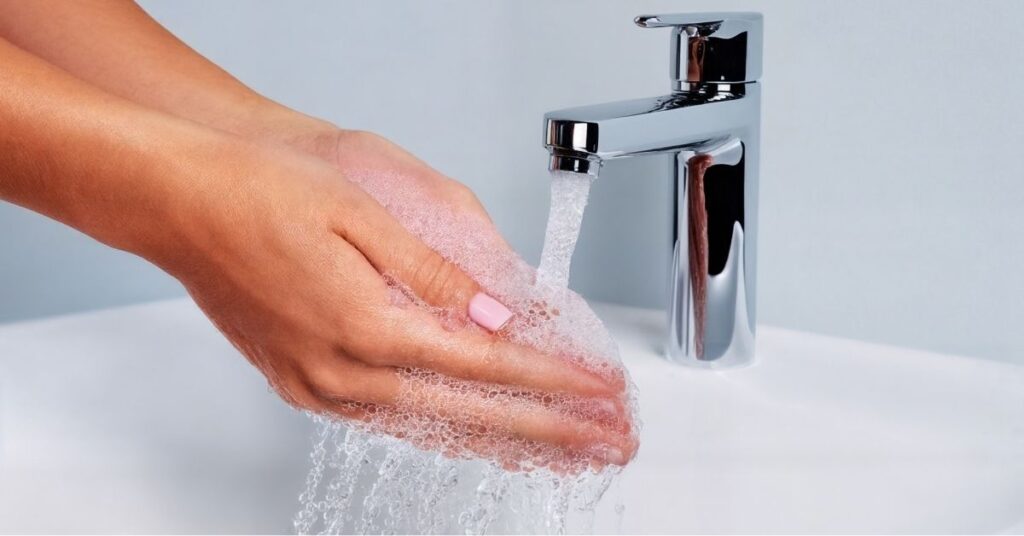
Run cool water over the burn for 10 to 20 minutes, remove tight items, cover with a clean nonstick dressing, and get urgent care if it’s deep, large, or numb.
Finger burns hurt because your hands do a lot. You tap, cook, carry, and grip. When a burn hits your fingertips, even opening a door can sting. The good news: minor burns settle down with fast care.
This page walks you through what to do in the first minute, the first hour, and the next few days. It’s written for home use, with clear “do this, not that” choices, plus red flags that mean it’s time for a clinician.
Fast triage for finger burns
Start by checking what caused the burn. Heat from a pan is handled one way. Electricity and chemicals follow different rules. If you’re in danger, step away first, then treat the injury.
| What you see or feel | What it usually means | What to do right now |
|---|---|---|
| Pink or red skin, sore, no blisters | Superficial burn | Cool running water 10–20 min, then cover |
| Small blisters, moist skin, stinging | Partial-thickness burn | Cool water, keep blisters intact, cover |
| White, waxy, brown, or charred spots | Deep burn | Cover gently and get urgent care |
| Numbness, little pain, stiff skin | Nerve damage risk | Do not delay medical evaluation |
| Burn wraps around a finger | Swelling may cut blood flow | Remove rings now, seek care if swelling rises |
| Burn on joint crease, hard to bend | Higher risk of stiffness | Early dressing and follow-up advice |
| Burn from chemical splash or cleaner | Ongoing tissue damage | Rinse longer, check product label, call poison help |
| Burn after shock, outlet, or wire | Internal injury possible | Turn off power source, call emergency services |
| Fever, spreading redness days later | Infection possible | Get same-day medical care |
What To Do If You Burn Your Fingers Bad at home
If you’re asking “what to do if you burn your fingers bad,” the first goal is to stop the heat from cooking deeper tissue. Speed matters, yet panic makes mistakes. Take a breath, then move through these actions in order.
Step away from the source and cool the skin
Get your hand away from the hot object or liquid. If clothing or a glove is on fire, smother the flame and remove the item once it’s safe. Then put the burned fingers under cool running tap water for 10 to 20 minutes. Cool, not icy. Ice can damage skin that’s already stressed.
If you can’t use running water, use a clean container of cool water and keep swapping it out so it stays cool. A cool, wet cloth can help while you set up a sink, yet it warms up fast, so keep re-wetting it.
Remove rings, watches, and tight bands early
Swelling can kick in fast. Take off rings and any tight jewelry right away, before the hand puffs up. If a ring won’t budge, don’t force it with pain. Rinse, raise the hand for a minute, try soap, then seek help for safe removal.
Protect the burn without trapping heat
After cooling, pat the area dry with a clean cloth. Cover it with a sterile, nonstick pad or clean plastic wrap laid loosely over the skin. The goal is to guard against friction and germs while keeping pressure low. Avoid fluffy cotton that sheds fibers into a raw area.
Skip butter, oils, toothpaste, and powders. They hold heat and make cleaning harder later. If you want a topical layer, use a thin smear of plain petroleum jelly on minor burns, then cover.
Handle pain and swelling in a steady way
Pain spikes are common once the cooling stops. Over-the-counter pain relievers can help if you can take them safely. Follow the label. Keep the hand raised above heart level when you can, like resting it on pillows, to curb swelling.
Aloe, burn gels, and ointments
Aloe gel can feel nice on a minor, closed burn, yet skip it on open blisters or peeling skin. Many burn gels are mostly water and cooling agents, so treat them as comfort. If skin is broken, plain petroleum jelly under a nonstick pad often beats scented lotions. If you try an antibiotic ointment, stop if a rash shows up.
If the burn is open and your tetanus shot isn’t current, call a clinic and ask what to do.
Blisters, skin peeling, and what not to do
Blisters on fingers are annoying because they pop easily. A blister roof is a natural barrier. If it stays intact, infection odds drop and pain often stays lower.
Leave small blisters alone
Don’t puncture or cut them at home. Cover with a nonstick dressing and change it daily, or sooner if it gets wet or dirty. If you work with food or chemicals, keep the dressing clean and sealed so debris doesn’t sneak in.
If a blister tears
Rinse with clean water, then gently lay the loose skin back down if it’s still attached. Cover with a nonstick pad. If the skin flap is dirty, ragged, or curling, a clinician can trim it safely.
Avoid these common missteps
- Don’t use ice directly on the burn.
- Don’t put adhesive tape over the burned spot itself.
- Don’t break blisters “to let it breathe.”
- Don’t use antibiotic ointment if you’ve reacted to it before.
When a finger burn needs medical care
Some burns look small but carry higher risk because fingers have thin skin, tiny joints, and tight spaces for swelling. If any of the signs below show up, get evaluated the same day.
- Deep-looking areas: white, brown, leathery, or charred patches.
- Numbness, loss of feeling, or weak finger movement.
- Burn that circles a finger or spans across a knuckle crease.
- Burn larger than the size of your palm across multiple fingers.
- Any burn with trouble breathing, facial burns, or heavy smoke exposure.
- Burn in a child, or in someone with poor circulation or immune issues.
For a general first-aid outline that matches clinical guidance, see the Mayo Clinic burn first aid page. If you’re in the UK, the NHS treatment guidance for burns and scalds is clear and practical.
Special cases: chemical and electrical burns
Chemical burns keep hurting as long as the chemical stays on the skin. Electrical burns can hide deep damage under a small mark. These two need extra caution.
Chemical burns on fingers
Brush off dry powders with a cloth or gloved hand first, so you don’t spread them. Then rinse under cool running water for at least 20 minutes. Keep rinsing while you remove contaminated jewelry or clothing. Check the product label for first-aid directions. If the chemical is strong, if pain keeps rising, or if the burn covers more than a small coin-size area, seek urgent care.
Electrical burns
If the burn followed a shock, turn off the power source if you can do it safely. Call emergency services right away. Even if the skin mark is tiny, heart rhythm problems can occur after a shock, and deeper tissue injury can develop.
Care over the next 72 hours
Once the first aid is done, your job shifts to keeping the wound clean, moist, and protected while you keep the finger moving gently. A finger that stays stiff for a week can stay stiff for a while, so small motion checks matter.
Dressings that work for hands
Use a sterile, nonstick pad with a light wrap that doesn’t squeeze. Change it daily. If the dressing sticks, soak it off with clean water rather than yanking. Re-cover with a thin layer of petroleum jelly on superficial burns, then a fresh pad.
Gentle range of motion
Two or three times a day, bend and straighten the finger within comfort. Don’t force it. If movement hurts sharply or a joint won’t bend, seek advice early. Early help can prevent long-term tightness.
Watch for infection signs
Some redness near a healing burn is normal. Red flags include redness that spreads, warmth that grows, pus, bad smell, fever, or pain that gets worse after it had started to settle. If that happens, get same-day care.
| Home care item | Why it helps | Practical tip |
|---|---|---|
| Cool running water | Stops heat damage early | Set a timer for 20 minutes |
| Nonstick sterile pads | Protects without tearing skin | Choose “non-adherent” labels |
| Gauze roll or finger wrap | Keeps pad in place | Wrap loosely, check fingertip color |
| Petroleum jelly | Keeps minor burns from drying | Use a thin film, not a thick layer |
| Clean scissors | Trims tape or wrap | Keep blades away from the wound |
| Cold pack wrapped in cloth | Helps swelling around, not on, the burn | Hold near the hand for 10 minutes |
| Pain reliever | Eases pain so you can sleep | Follow label dosing and cautions |
| Disposable gloves | Keeps dressing changes cleaner | Wash hands before and after |
Getting back to normal use
As the burn heals, itching and tightness can show up. That’s normal, and it can drive you nuts. Moisturize healed skin (not open wounds) and keep the area covered during messy tasks. If the burn is still open, keep it clean and protected when you cook, clean, or work outdoors.
If you type or play instruments, start with short sessions. Stop before the finger throbs. A gradual return beats pushing through and ripping a blister roof.
Preventing the next finger burn
Most kitchen burns happen during quick grabs: a pan handle that sticks out, steam from a lid, or a towel that slips. Turn handles inward, use dry oven mitts, and open lids away from your hand. For hobbies, wear gloves that match the task, and keep a bowl of cool water nearby when working with hot glue, soldering irons, or curling tools.
If you’re still worried and asking again “what to do if you burn your fingers bad,” treat that as a cue to get checked today. Burns can change over the first day. A quick exam can confirm depth and set you up with the right dressing plan.
References & Sources
- Mayo Clinic.“Burns: First aid.”First-aid actions for burns, including cooling, removing tight items, and when urgent evaluation is needed.
- NHS.“Burns and scalds: Treatment.”Guidance on cooling time, covering burns, and common mistakes to avoid.

Mo Maruf
I created WellFizz to bridge the gap between vague wellness advice and actionable solutions. My mission is simple: to decode the research and give you practical tools you can actually use.
Beyond the data, I am a passionate traveler. I believe that stepping away from the screen to explore new environments is essential for mental clarity and physical vitality.