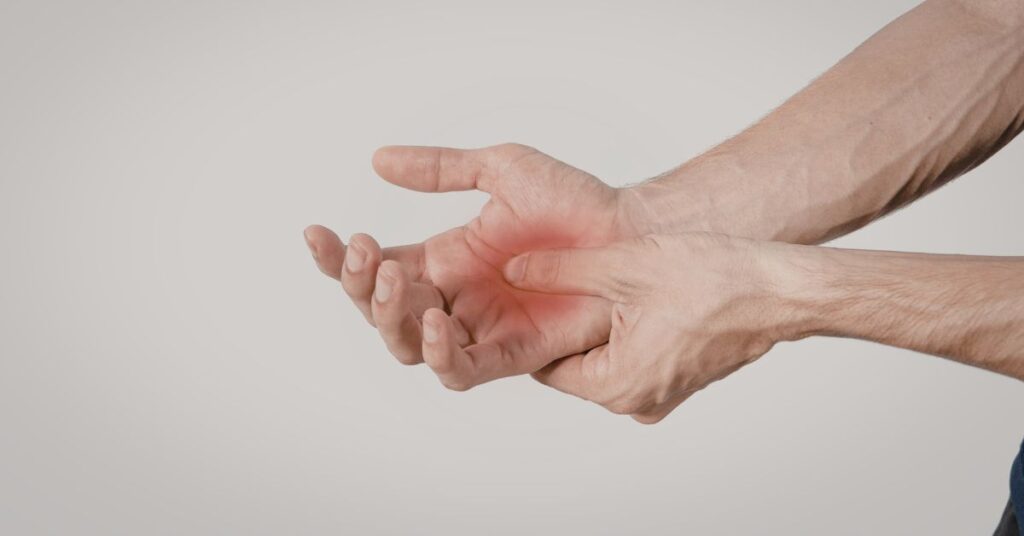
Cold packs, a snug wrap, and a raised limb can bring swelling down fast after minor injuries; sudden one-sided swelling needs urgent care.
Swelling is your body sending extra fluid to a stressed area. It can feel tight, hot, and sore. If you’re asking what takes swelling down fast?, the aim is to bring it down enough that you can move safely and spot problems early.
This page shares general first-aid and self-care ideas. It can’t pinpoint the cause of swelling. If you have red flags, new swelling with a medical condition, or swelling in the face or throat, treat it as urgent.
Start with a quick check: Did this follow an injury, a bite, a new food or medicine, or did it show up with no clear cause? That answer changes what works and what’s risky.
Fast Swelling Down Moves By Pattern
Match your pattern, do the first steps, then watch for red flags.
| Swelling Pattern | Fast First Steps | Get Urgent Care If |
|---|---|---|
| Twist, bump, or sports strain with soreness | Cold 10–20 min, snug wrap, raise above heart | Deformity, numb toes, you can’t bear weight |
| Bruise after a hit | Cold, gentle pressure, raise it | Bruise keeps spreading fast or pain is severe |
| Small itchy bite or sting | Cool compress, don’t scratch, antihistamine per label | Face swelling, wheeze, hives spreading fast |
| Lip or eyelid swelling after food/medicine | Stop the trigger if known, cool compress, antihistamine per label | Throat tightness, voice change, breathing trouble |
| Hot, tender swelling around a cut | Rinse, bandage, keep limb raised | Fever, pus, red streaks, rising pain |
| One-sided calf swelling with ache or warmth | Stop activity and keep the leg still | Shortness of breath, chest pain, recent surgery |
| Both ankles swell after long sitting or salt | Walk, ankle pumps, raise legs, try compression | New swelling plus shortness of breath |
| Swelling with a new rash after a product | Rinse off, cool compress, avoid re-use | Blistering, fever, eye swelling |
What Takes Swelling Down Fast?
Start with basics that often work for most minor causes: cold in short rounds, a snug wrap, a raised limb, and a break from the trigger. For sprains and strains, the NHS sprains and strains self-care steps recommend protecting the area, resting, icing, using compression, and keeping the limb raised.
Use Cold In Short Rounds
Cold slows fluid build-up and dulls pain. Use a cold pack or frozen peas wrapped in cloth.
- 10–20 minutes at a time.
- Every 2–3 hours while awake on day one.
- Never sleep with ice on the skin.
Wrap Snugly For Light Compression
A wrap helps limit pooling. Start below the sore spot and wind upward with even pressure. You should still feel and move toes or fingers.
- Use the “two-finger” check: you should slide two fingers under the wrap.
- Check skin color and warmth every 20–30 minutes.
- Loosen the wrap if tingling, numbness, or throbbing increases.
Raise The Area Above Your Heart
Gravity keeps fluid down in arms and legs. Prop the limb on pillows for 20–30 minutes, repeat through the day. Pair a raised position with cold for a faster drop in puffiness.
Rest, Then Add Gentle Motion
Rest means you stop the move that caused the flare. Once sharp pain eases, slow range-of-motion work helps your muscles push fluid out. Keep it calm and stop before pain spikes.
Swelling Down Fast After An Injury
Fresh injuries swell from irritation and sometimes tiny bleeding under the skin at first. The first two days are about limiting that response. After that, controlled motion often beats endless icing.
On day two or three, test a simple rule: if activity makes swelling jump later that day, you did too much. Scale back, raise it again, and build up in smaller steps.
If the joint feels unstable, clicks with pain, or you keep re-spraining it, a brace and a medical exam can save you from weeks of repeat swelling.
Swelling In Hands, Fingers, Or Face
Swollen hands can come from heat, salty food, tight grip work, or long flights. Start with hand pumps: make a fist, then stretch fingers wide, 20 reps. Hold hands above heart level for a few minutes. If rings feel tight, remove them early, before the swelling locks them in place.
Face swelling is different. If it’s linked to a new food, medicine, or sting, treat it as allergy until proven otherwise. Use a cool compress and stay upright. If lips, tongue, or throat swell, or breathing feels off, seek emergency care.
When Swelling Is From Fluid In Legs Or Feet
Swelling in both feet or ankles after sitting, standing, heat, or salty food can be edema. The fast approach is movement plus raising your legs.
Walk for five minutes or do ankle pumps (point toes away, then pull toes up) for 20–30 reps. Add calf squeezes while seated. Then raise legs so feet sit above your heart.
If leg swelling is new, keeps returning, or shows up with shortness of breath, get medical care. MedlinePlus foot, leg, and ankle swelling notes that edema has many causes, from lifestyle factors to medical conditions.
Same-day fixes for mild edema often come from food and routine: keep salt low for the next meal, drink water through the afternoon, and break up sitting with two-minute walks. If a new medicine lines up with new swelling, talk with the prescriber before changing doses on your own.
Fast Swelling Reduction For Bites, Stings, And Hives
Itchy swelling is often histamine-driven. Cooling helps, and breaking the scratch cycle keeps it from ballooning.
Cool, Clean, And Protect The Skin
Wash with soap and water, then use a cool compress for 10–15 minutes. If there’s a stinger, scrape it out with a card edge instead of pinching.
Over-The-Counter Options
A non-drowsy antihistamine can ease puffiness and itch for mild reactions. Hydrocortisone cream can help itchy patches. Follow the label and keep creams away from eyes unless a clinician says it’s OK.
Watch For Emergency Allergy Signs
Face, tongue, or throat swelling, breathing trouble, faintness, or repeated vomiting can signal anaphylaxis. Treat that as an emergency.
Pain Relievers That May Reduce Swelling
NSAIDs like ibuprofen or naproxen can lower pain and swelling for many injury flares. Acetaminophen can help pain but doesn’t target swelling the same way.
Use one NSAID at a time, stick to the label, and avoid them if you’ve been told not to take them due to ulcers, kidney disease, pregnancy, or bleeding risk. A pharmacist or clinician can help you pick a safer option. If you can’t take NSAIDs, a cold pack plus a raised limb still brings swelling down for many minor injuries.
Moves That Can Make Swelling Worse
- Heat in the first day: It can increase blood flow and add puffiness.
- Deep rubbing on a fresh injury: It can irritate tissue and restart bleeding.
- Wraps that bite: Too much pressure can raise swelling below the wrap.
- Hard training: Re-stressing a sprain keeps it puffy.
Red Flags That Need Medical Evaluation
If any of these show up, don’t wait for home care to work.
- Sudden one-leg swelling with calf pain, warmth, or redness
- Swelling with shortness of breath, chest pain, or coughing blood
- Swelling with fever, pus, red streaks, or rapidly rising warmth
- Face or throat swelling, breathing trouble, or voice change
- Severe pain, deformity, or loss of function
- New swelling after a bite plus dizziness or faintness
Swelling Timeline From Hour One To Day Three
Match the tactic to the phase. Early steps limit fluid. Later steps restore motion so fluid clears.
| Time Window | What Helps | What To Skip |
|---|---|---|
| 0–2 hours | Cold, gentle compression, raising, stop the activity | Heat, alcohol, deep rubbing, “test it” sprints |
| 2–24 hours | Repeat cold, keep raised, protect the area | Tight wraps, long standing, hard stretching into pain |
| 24–48 hours | Cold as needed, begin light motion, wrap during the day | Jumping, heavy lifting, long runs |
| 48–72 hours | More motion, gentle strength work, raise it after activity | Ignoring worsening pain or new numbness |
| After 72 hours | Build activity in small steps, monitor size and soreness | Returning to sport without stability |
Quick Self-Check To Track Progress
Swelling can trick you because it changes how the area feels. Track it with one simple method.
- Mark the edge: Use a pen line or a string measurement at the same spot daily.
- Check the skin: Watch for spreading redness or color change.
- Test function: You should regain a bit of range or comfort each day.
If Swelling Keeps Coming Back
Repeated puffiness is often a load or trigger problem. For injuries, that can be weak balance, poor footwear, or returning to activity too soon. For leg edema, it can be long sitting blocks, high-salt meals, or medicines that retain fluid.
If you keep typing what takes swelling down fast? into a search bar, use the same fast steps, then work on one habit that reduces repeat flares. Take a short walk break each hour, do calf raises after brushing your teeth, or wear compression on long standing days.
If swelling lasts more than a week after an injury, shows up without a clear cause, or gets worse, get medical care so you’re not guessing.
Fast Swelling Down Checklist For The Next Flare
- Stop the trigger and take pressure off the area.
- Cold 10–20 minutes with a cloth barrier.
- Wrap snugly for light compression and re-check toes or fingers.
- Raise above heart level for 20–30 minutes.
- Add gentle motion once sharp pain eases.
- Re-check in two hours. If swelling climbs or red flags show up, seek urgent care.

Mo Maruf
I created WellFizz to bridge the gap between vague wellness advice and actionable solutions. My mission is simple: to decode the research and give you practical tools you can actually use.
Beyond the data, I am a passionate traveler. I believe that stepping away from the screen to explore new environments is essential for mental clarity and physical vitality.