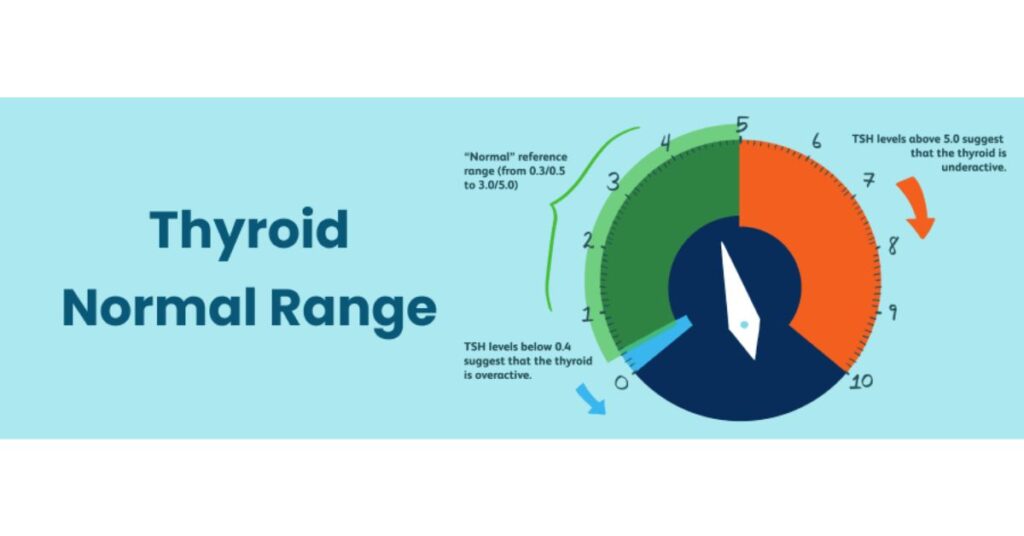
A low TSH level usually means your thyroid is overactive, but doctors confirm the cause with symptoms, free T4, free T3, and other tests.
Hearing that your thyroid stimulating hormone, or TSH, is low can feel confusing. The name suggests low hormone, yet your doctor might talk about an overactive thyroid at the same visit. TSH works like a signal from the pituitary gland to the thyroid, so a low level often means the thyroid is already making plenty of hormone and the brain has turned the signal down.
If you just typed what does it mean when your TSH level is low into a search box, you are far from alone. This article explains the main patterns behind a low TSH result, how blood tests fit together, and when a low number needs quick attention. It cannot replace care from your own doctor, but it can help you walk into that visit feeling prepared.
What Does It Mean When Your TSH Level Is Low? Symptoms And Causes
On many lab reports, the TSH reference range for adults sits around 0.4 to 4.0 milli international units per liter, though exact cutoffs vary slightly from lab to lab. A low TSH level usually points toward too much thyroid hormone in the body, known as hyperthyroidism, but context matters. Other hormone tests, your age, pregnancy status, medicines, and how you feel day to day all shape what that low number means.
Doctors often group low TSH results into a few patterns. Some people have low TSH with high thyroid hormones, some have low TSH with normal hormone levels, and a smaller group has low TSH with low thyroid hormones. Each pattern hints at different causes and calls for a different plan.
| Low TSH Pattern | Common Cause | Typical Thyroid Hormone Result |
|---|---|---|
| Low TSH, High T4/T3 | Graves disease or toxic thyroid nodule | Overactive thyroid hormones |
| Low TSH, High T4 After Pregnancy | Postpartum thyroiditis | Short period of high hormone followed by low |
| Low TSH, Normal T4/T3 | Early or mild hyperthyroidism | Hormones at upper end of normal |
| Low TSH, Normal T4/T3 On Medicine | Thyroid hormone dose a bit high | Free hormones normal or slightly high |
| Low TSH, Low T4/T3 | Pituitary or hypothalamic disease | Underactive thyroid from low stimulation |
| Low TSH During Severe Illness | Non thyroidal illness effect on hormones | TSH slightly low, free T4 often normal |
| Low TSH In Thyroid Cancer Care | TSH kept low on purpose after surgery | Thyroid hormone replacement with low TSH |
When you see a low TSH on paper, the next step is to pair that number with your free T4 and free T3 results, any medicine list, and how you feel. From there, your clinician can sort out whether the main concern is too much hormone, not enough pituitary signal, or a short term shift linked to stress or illness.
How TSH Works In Simple Terms
TSH comes from a small gland at the base of the brain called the pituitary. That gland listens to thyroid hormone levels in the blood. When thyroid hormone falls, the pituitary sends more TSH, which tells the thyroid to speed up. When thyroid hormone rises, the pituitary eases off and TSH drops. This feedback loop keeps metabolism, heart rate, and many body systems in a steady range.
Because of this feedback, TSH often changes before thyroid hormones leave the lab reference range. Many clinical guidelines use TSH as the starting point, then add free T4 and sometimes free T3 to complete the picture.
Common Reasons For A Low TSH Level
The most frequent explanation for low TSH is hyperthyroidism, where the thyroid makes more hormone than the body needs. Graves disease and toxic nodular goiter are leading causes worldwide. Symptoms can include a pounding heart, heat intolerance, tremor, anxiety, sleep trouble, and weight loss even when you eat well.
Another everyday reason shows up in people who take thyroid hormone pills for low thyroid. If the dose runs a bit high, TSH can drop below the reference range even when free T4 and free T3 look normal. Small dose changes often bring TSH back into target range over several weeks.
Less often, low TSH comes from disease in the pituitary or hypothalamus. In those cases the thyroid does not get enough stimulation, thyroid hormone levels drop, and symptoms look more like underactive thyroid, such as cold intolerance, dry skin, and fatigue. Because this pattern can signal a brain problem, doctors usually arrange more testing quickly.
Low TSH Levels And What They Mean For You
Two people with the same TSH value can have very different needs. Age, pregnancy, heart disease, osteoporosis risk, and even whether symptoms bother you all influence how your care team responds to a low TSH result. Some people need fast treatment, while others just need repeat blood work in a few months.
Symptoms That Often Go With Low TSH
When low TSH comes from an overactive thyroid, common symptoms involve energy, heart, and mood. People talk about feeling wired but tired, with racing thoughts, shaky hands, and trouble falling asleep. You might notice weight loss without trying, frequent bowel movements, heat intolerance, or shortness of breath with mild exertion.
When low TSH reflects pituitary disease and low thyroid hormone, symptoms lean in the opposite direction. Fatigue, weight gain, feeling cold all the time, hair thinning, and low mood are common. People may also notice low sex drive or menstrual changes. Because other pituitary hormones can drop as well, it is wise to talk through symptoms such as low sodium, low blood pressure, or headaches with your doctor.
When Low TSH Is Temporary
Sometimes a low TSH level appears during a severe non thyroid illness, such as a major infection or after surgery. In that setting the body can shift hormone levels as part of a stress response, and TSH may fall slightly or sit at the low end of normal while free T4 stays near normal. Many clinicians wait until you recover before repeating thyroid tests so they do not treat a pattern that would have settled on its own. Pregnancy brings more changes as well. In the first trimester, TSH can drop because a hormone from the placenta mildly stimulates the thyroid, and labs use different reference ranges. After birth, some people develop postpartum thyroiditis, which can start with low TSH and high thyroid hormone, then swing toward low hormone before returning to normal.
How Doctors Check A Low TSH Level
When a lab flags low TSH, the first step is to repeat the test with free T4 and often free T3 at the same time. Many clinicians follow guidance from expert groups such as the American Thyroid Association thyroid function test recommendations and national health services on how to interpret those sets of results and when to treat.
A standard TSH blood test measures the hormone in a sample from a vein in your arm. Before the draw, staff may ask about medicines, supplements, and any recent imaging with contrast dye, since these can affect thyroid tests. You usually do not need to fast, though some clinics ask you to come in early in the day for consistency. You can read more patient facing detail in the MedlinePlus TSH test overview.
| Next Test | What It Checks | Why It Helps With Low TSH |
|---|---|---|
| Free T4 | Active thyroxine in the blood | Shows if thyroid hormone is high, low, or normal |
| Free T3 | Active triiodothyronine | Helps confirm hyperthyroidism when T4 is borderline |
| Thyroid Antibodies | Immune markers like TSH receptor antibody | Helps find autoimmune causes such as Graves disease |
| Thyroid Ultrasound | Size and texture of the thyroid gland | Shows nodules, goiter, or inflammation |
| Radioactive Iodine Uptake Scan | How the gland takes up iodine | Distinguishes Graves disease from thyroiditis |
| Pituitary MRI | Structure of the pituitary gland | Checks for tumors or other lesions in central causes |
| Repeat TSH Panel | TSH and free hormones after some weeks | Shows whether a low TSH pattern is fading or stable |
During this workup, your doctor will also ask about family history of thyroid disease, smoking, previous radiation to the neck or head, and any medicines that can affect the thyroid, such as amiodarone, lithium, and some cancer treatments. These clues, combined with lab patterns and imaging, lead to a clearer diagnosis.
Everyday Treatment Goals When TSH Is Low
Treatment for low TSH depends on the cause. For hyperthyroidism from Graves disease or toxic nodules, options may include antithyroid pills, radioactive iodine, or surgery to remove all or part of the gland. Doctors match treatment to age, other medical issues, and patient preference.
When low TSH comes from taking more thyroid hormone than your body needs, dose adjustment is the main step. Small changes in levothyroxine dose can bring TSH back into target range, though it often takes six to eight weeks to see the full effect on lab results. If pituitary disease is the source, the focus shifts to treating the underlying lesion and replacing missing hormones, not just thyroid hormone.
Low TSH Results And Practical Steps You Can Take
Hearing the phrase what does it mean when your TSH level is low more than once can make anyone feel uneasy. Turning that worry into a plan can help you feel more in control. Start by keeping copies of your lab reports, including dates, reference ranges, and any medicine changes. Bring them to each appointment so your doctor can see the pattern over time.
Questions To Bring To Your Appointment
Clear questions can make your visit much more helpful. Ask what pattern your results fit, whether your free T4 and free T3 match the low TSH, and what diagnosis your doctor is weighing. Ask whether your medicines could be affecting your thyroid tests, how often you should repeat labs, and what symptoms should prompt a call between visits.
If treatment is on the table, ask about benefits and risks for each option, how long treatment usually lasts, and how often you will need monitoring. Many people also ask whether pregnancy plans, heart disease, or bone density change the choice of therapy.
When To Seek Urgent Care
Most low TSH results do not represent an emergency, but a few red flag symptoms need same day care. Call urgent services or go to an emergency department if you notice chest pain, shortness of breath at rest, fainting, confusion, or a very rapid heartbeat that does not settle with rest. These can signal serious thyroid storm or heart rhythm problems linked to severe hyperthyroidism.
You should also seek prompt assessment if you have very low energy, feel drowsy all the time, have a low body temperature, or notice swelling in the face and tongue along with low blood pressure. These features can point to severe low thyroid hormone from pituitary disease or a mixed picture after thyroiditis. In any uncertain situation, err on the side of calling for help.
A low TSH result is a starting point, not a final answer. With careful testing, clear communication, and a plan that fits your health goals, many people reach a stable thyroid range and feel much better over time.

Mo Maruf
I created WellFizz to bridge the gap between vague wellness advice and actionable solutions. My mission is simple: to decode the research and give you practical tools you can actually use.
Beyond the data, I am a passionate traveler. I believe that stepping away from the screen to explore new environments is essential for mental clarity and physical vitality.