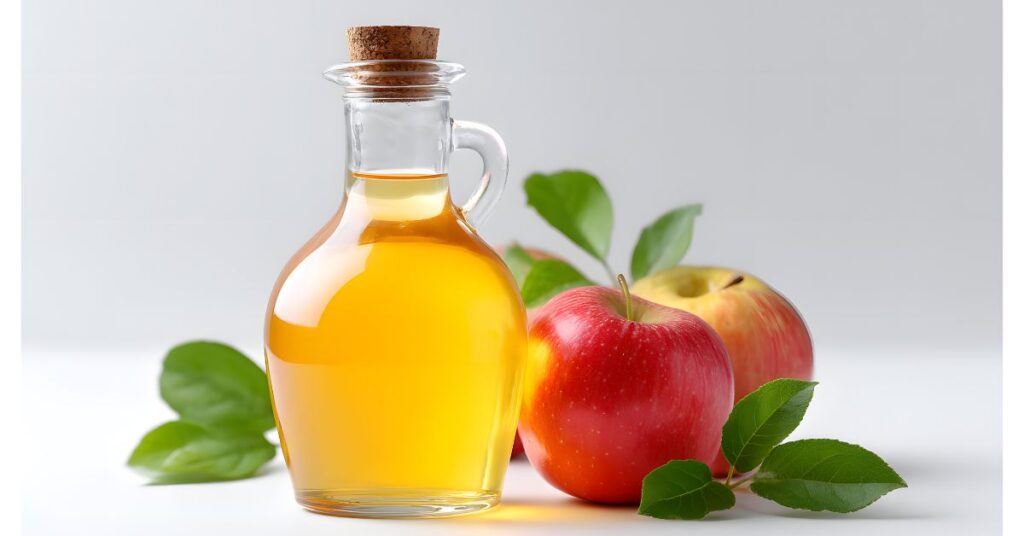
Drinking vinegar water may slightly blunt post-meal blood sugar and curb appetite, but it can harm teeth and irritate stomach if undiluted.
Vinegar water is a simple mix: a small amount of vinegar stirred into water, then sipped. If you’ve wondered what does drinking vinegar water do for you? the short version is this: it may change how your body handles a carb-heavy meal, yet the acidity can bite back if you overdo it.
Most people mean apple cider vinegar, though white or wine vinegar shows up too. Some effects are backed by small human studies. Others are internet lore. This guide keeps it practical so you can decide fast and use it safely.
What Does Drinking Vinegar Water Do for You? Real Effects
When it works, people usually notice a smaller blood sugar rise after a carb-heavy meal, a steadier feeling of fullness, and fewer sweet drinks because the sour taste changes what sounds good. The trade-off is also clear: it’s acidic, and frequent acid exposure can irritate tissues and soften tooth enamel.
| What People Expect | What Evidence Suggests | What You Might Notice |
|---|---|---|
| Lower post-meal blood sugar | Small trials and reviews show reduced post-meal glucose in some settings | Less of a “spike” feeling after high-GI meals |
| Better insulin response | Some studies report improved insulin measures over weeks | Subtle; you won’t feel it day to day |
| Weight loss without diet change | Weight changes are modest when they appear | A small drop tied to eating less |
| Less appetite | Acidity and slower stomach emptying can raise fullness | You may snack less later |
| “Detox” or fat burning | No good evidence for a cleanse effect | Usually no change beyond taste preference |
| Digestion relief | Mixed; some people feel better, others get reflux | Either smoother meals or more burning |
| Lower cholesterol | Data is inconsistent; some trials show small shifts | Not something you can sense |
| Antimicrobial “gut reset” | Vinegar kills microbes on surfaces; inside the gut is different | Don’t expect an antibiotic-like effect |
Drinking Vinegar Water Effects On Blood Sugar After Meals
When you eat carbs, your digestive system breaks them down into glucose. That glucose enters the bloodstream, and your body releases insulin to move it into cells. For many people, the rise is sharp after meals like white rice, bread, or sweet drinks.
Vinegar’s acetic acid may soften that rise in a few ways. Research suggests it can slow stomach emptying and may change how enzymes handle starch. A paper in Diabetes Care on vinegar and post-meal glucose reports lower post-meal blood glucose in people with type 2 diabetes when vinegar was paired with certain meals.
Practical takeaway: it’s more likely to matter when the meal is carb-heavy. If you track glucose, you may see a gentler curve.
How to pair it with a meal
Vinegar water works best as part of the meal, not as a stand-alone drink. Think “with food,” not “on an empty stomach at dawn.” If you want to test blood sugar, keep the rest of the meal the same so your numbers mean something.
- Use it with starchy meals like rice, potatoes, oats, or bread
- Skip it with spicy meals if you’re reflux-prone
- Don’t chase it with juice or soda; that adds sugar right back
Who tends to notice a difference
- People who use a glucose meter or CGM
- People who eat high-glycemic meals and feel hungry soon after
- People who take vinegar with meals, not hours later
What vinegar water can’t replace
It can’t replace medication, fiber, protein, sleep, or regular movement. Treat it as a small add-on, not a fix.
How Vinegar Water May Affect Appetite And Eating
Some people say vinegar water “kills cravings.” The more realistic story is milder: the sour taste can reduce the desire for sweet drinks, and slower stomach emptying can make you feel full longer. That can mean fewer snacks or smaller portions.
If you try it for appetite, track one thing: your snacking. If nothing changes after two weeks, stop. Taste alone isn’t a reason to keep an acidic habit.
What Vinegar Water Does For Digestion And Reflux
Digestive claims get messy because people mean different things by “digestion.” Vinegar can go either way. It may make some meals feel lighter. It can also flare reflux and leave a burning throat.
If you already get reflux, start with food use instead of vinegar water. A splash in salad dressing is gentler than drinking it. If you feel burning, stop and don’t push through it.
Common Mistakes With Vinegar Water
Most side effects come from habits, not vinegar itself. The common misstep is treating it like a “shot.” Another is sipping it all day, which keeps your teeth in an acid bath. Mixing it too strong is also common.
- Keep the total to 1–2 tablespoons a day
- Don’t swish it around your mouth
- Don’t drink it right before brushing
Risks That Matter More Than The Hype
Vinegar water is a food, not a harmless drink. Most problems come from taking it straight, taking too much, or using it daily without thinking about teeth and stomach lining.
Tooth enamel erosion
Acid softens enamel. Over time, frequent acid exposure can wear enamel down, leading to sensitivity. The American Dental Association’s guidance on Dental Erosion lists habits that cut risk, like using a straw and rinsing with water after acidic drinks.
Throat and stomach irritation
Undiluted vinegar can sting the throat. Even diluted, it can feel rough on an empty stomach. If you feel nausea or burning, stop.
Low potassium and medication interactions
Large, frequent doses have been linked in case reports to low potassium. That risk rises if you take diuretics, insulin, or heart rhythm drugs like digoxin. Ask your doctor or pharmacist before adding vinegar water if you take those meds.
How To Drink Vinegar Water Without Regrets
Safe use comes down to dilution, timing, and habits that protect your mouth. Start small. If you can’t tolerate it, you can stop with no downside.
Dilution that most people tolerate
- Start: 1 teaspoon vinegar in at least 8 ounces of water
- Common upper range: 1 tablespoon in 8–12 ounces of water
- Daily total: keep it to 1–2 tablespoons, split if needed
Timing that’s easier on the stomach
- With meals, not as a shot
- Earlier in the day, not right before bed
- Skip it when you’re already nauseated
Mouth-friendly habits
- Use a straw so the liquid spends less time on teeth
- Rinse your mouth with plain water after finishing
- Wait at least 30 minutes before brushing
Who Should Skip Vinegar Water Or Use Extra Care
Some people can try vinegar water with no drama. Others are more likely to get pain or medication issues. Use this quick check before you start.
| Situation | Why It Can Be A Problem | Safer Move |
|---|---|---|
| Frequent heartburn or GERD | Extra acid can trigger burning | Use vinegar in food only, or skip |
| Gastroparesis | Slower stomach emptying can worsen symptoms | Avoid vinegar water unless cleared by your clinician |
| Tooth sensitivity or enamel wear | Acid exposure can speed erosion | Skip, or use rare food use |
| Diabetes meds (insulin, sulfonylureas) | Blood sugar may drop more than expected | Monitor glucose and ask your care team |
| Diuretics or digoxin | Potassium shifts can be risky | Don’t add vinegar water without medical guidance |
| Kidney disease | Electrolyte balance can be fragile | Skip unless your nephrologist okays it |
| Pregnancy | Heartburn is common; tolerance varies | Food use only, stop if it stings |
Picking A Vinegar That Makes Sense
Apple cider vinegar gets the most attention, yet acetic acid is the shared piece across vinegars. If you hate apple cider vinegar, a different vinegar can still work for taste and acidity. Skip flavored “shots” with added sweeteners; they defeat the point for blood sugar.
Label checks that save headaches
- Acidity: many vinegars list 5% acidity
- Ingredients: vinegar plus water is fine; added sugars add variables
- Capsules: avoid them; tablets can stick in the throat
A Simple Two-Week Trial You Can Stick With
If you want a clean test, keep it small and consistent. Don’t stack vinegar water on top of many other changes.
Step 1: Pick one goal
- Post-meal glucose numbers
- Afternoon snacking
- Sweet drink intake
Step 2: Use one method
- 1 teaspoon in 8–12 ounces of water with your biggest carb meal
- Sip over 10 minutes
- Rinse with water after
Step 3: Track a plain metric
- Glucose: your 1-hour and 2-hour post-meal readings
- Snacks: count how many times you snack after lunch
- Drinks: number of sweetened drinks per day
If you feel burning, nausea, or tooth sensitivity, stop. If your metric doesn’t move after two weeks, stop. If it helps, keep the dose modest and take breaks so your teeth get fewer acid hits.
Checklist To Keep On Your Fridge
This is the no-drama way to try it at home.
- Use diluted vinegar only; no straight shots
- Start with 1 teaspoon, not a full tablespoon
- Take it with meals, not right before bed
- Use a straw, then rinse with water
- Wait 30–60 minutes before brushing
- If you take diabetes, diuretic, or heart meds, ask a clinician first
- If you’re still asking what does drinking vinegar water do for you? check your one chosen metric, not your mood
Used with care, vinegar water can be a small tool for meal-time blood sugar and appetite. Treat it like any acidic food: respect the dose, protect your teeth, and stop at the first sign it doesn’t agree with you.

Mo Maruf
I created WellFizz to bridge the gap between vague wellness advice and actionable solutions. My mission is simple: to decode the research and give you practical tools you can actually use.
Beyond the data, I am a passionate traveler. I believe that stepping away from the screen to explore new environments is essential for mental clarity and physical vitality.