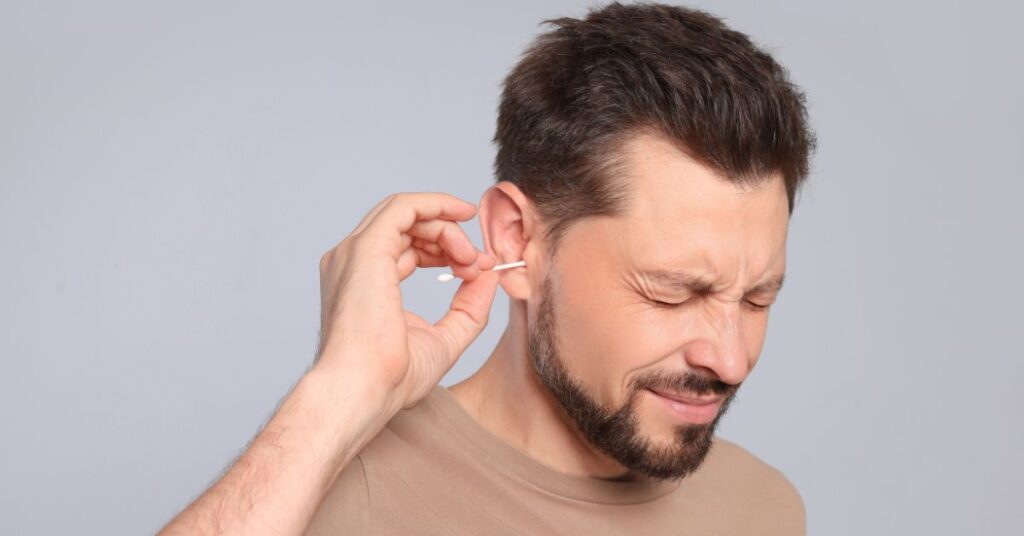
Carbamide peroxide drops usually soften earwax the quickest, but safe results depend on your ear and the type of blockage.
That “plugged ear” feeling is miserable. So what dissolves ear wax the fastest? You want the wax gone fast, your hearing back, and no surprises.
The fastest path is usually a peroxide-based ear drop that loosens wax so it can slide out on its own or rinse out with gentle water. Oils can work too, but they tend to take longer.
Before you reach for anything, check one thing: if you have sharp pain, drainage, fever, a known hole in your eardrum, ear tubes, recent ear surgery, or sudden one-sided hearing loss, skip home fixes and get medical care.
What Dissolves Ear Wax the Fastest? At-Home Choices Compared
“Fastest” can mean two different wins: the drop that softens wax in minutes, or the plan that clears the blockage soonest. This table focuses on softening speed and common safety limits.
| Option | Typical Softening Time | Best Use And When To Skip |
|---|---|---|
| Carbamide peroxide OTC drops | 15–30 minutes per dose; often 1–4 days total | Good first pick for stubborn wax; skip with a perforated eardrum, tubes, severe pain, or active infection signs |
| Diluted hydrogen peroxide drops | 10–15 minutes per dose; may need repeat doses | Can loosen soft wax; skip with a perforated eardrum, tubes, eczema in the canal, or burning that doesn’t settle |
| Sodium bicarbonate ear drops | Hours to days; often 3–7 days | Useful when wax is dry; skip if it stings a lot or you have a known eardrum injury |
| Mineral oil | Overnight to several days | Gentler for sensitive canals; skip if you suspect infection or you can’t hear suddenly from one ear |
| Olive or almond oil | Several days; often about a week | Softens wax so it migrates out; skip with a perforated eardrum or new pain |
| Saline (sterile saltwater) drops | Hours to days | Helps rehydrate dry wax; skip with ear tube history unless a clinician has okayed it |
| Warm shower water near the ear opening | Immediate for loose wax; no effect on hard plugs | Safer than syringing; never force water into the canal |
| Clinic removal (microsuction or irrigation) | Same-day clearing | Best when hearing is badly blocked, drops fail, or you have risk factors |
Why “Dissolve” Is Tricky With Earwax
Earwax is a mix of skin oils, shed skin cells, and tiny debris. It’s sticky by design. Most drops don’t melt it into liquid. They soften it, break it into pieces, or change its texture so it can move out.
That’s why two people can use the same product and get different speed. Wax can be wet and pasty, or dry and hard. Your ear canal can be narrow, curved, or hairy. Headphones and hearing aids can pack wax deeper.
So when someone asks that question, the honest answer is: peroxide-based drops often loosen wax the quickest, but the fastest overall fix matches your ear and the blockage.
Dissolving Ear Wax Fast With OTC Drops
If your ear feels blocked but you don’t have red-flag symptoms, OTC wax-softening drops are the usual starting point. They’re made for the ear canal and come with dosing instructions that fit the product.
Carbamide Peroxide Drops
Carbamide peroxide is a common wax softener. When it hits moisture in the ear, it releases oxygen and makes a fizzing foam. That bubbling can lift wax from the canal wall and loosen a plug.
Many people feel change after one dose, even if the ear still feels full for a bit. A typical routine is one or two doses a day for a few days, then reassess. The Mayo Clinic earwax blockage treatment guidance lists carbamide peroxide as a medicated drop used to soften wax.
Stop and get checked if you get sharp pain, dizziness, rash, swelling, or drainage. Those signs point away from simple wax.
Hydrogen Peroxide Drops
Hydrogen peroxide can work in a similar way, since bubbling helps loosen wax. The catch is concentration. Household peroxide may be too strong for some ears, and irritation slows everything down.
If you use it, follow a clinician’s directions or an OTC ear product that uses peroxide safely. If you feel burning that keeps going, don’t push through it. Rinse the outer ear only and switch plans.
Oil Drops For Slow, Steady Softening
Oils don’t fizz. They coat and soften wax so it slides out with jaw movement. Many people use olive or almond oil when they get repeat build-up.
The UK’s NHS earwax build-up advice notes that drops can dissolve or loosen wax over about a week and warns against putting objects like cotton buds in the ear canal.
Steps For Using Ear Drops Safely
Speed comes from good technique. If the drop never reaches the wax, you’re waiting for nothing. Here’s a simple routine that works with most OTC wax-softening drops. Always follow the label if it differs.
- Wash your hands and warm the bottle in your palm for a minute. Cold drops can trigger dizziness.
- Lie on your side with the blocked ear facing up.
- Gently pull the outer ear up and back (adults) to straighten the canal.
- Place the recommended number of drops in the ear. Don’t let the tip touch skin.
- Stay still for the label time, often 10–15 minutes.
- Sit up and blot the outer ear. Don’t plug the canal with cotton.
- Repeat on the schedule for that product, then pause and check your hearing.
A “more is better” dose can backfire. Extra liquid can swell the wax and make the blockage feel worse for a day.
When Water Rinsing Or Clinic Removal Is Faster
Drops are great at softening. They’re not always great at finishing the job. If your hearing is still muffled after a few days of drops, the wax may be packed tight and needs removal.
At a clinic, wax is often removed by gentle irrigation, suction (microsuction), or a small tool under direct view. That can clear a hard plug in one visit. If your ear is fully blocked, a same-day fix can beat another week of home drops.
Don’t try forceful syringing at home. Pressure, hot water, or poor aim can injure the canal or eardrum.
Quick Triage Table For Earwax Blockage
This table is a fast decision aid. It doesn’t replace medical care, but it can keep you from wasting days on the wrong move.
| What You Notice | Safer Next Step | Why This Path Fits |
|---|---|---|
| Mild fullness, mild muffling, no pain | OTC wax-softening drops for 2–4 days | Softening often restores normal wax movement |
| Wax visible at the opening | Wipe the outer ear only; add oil drops at night | Surface wax often migrates out once softened |
| Hearing aid or earbud user with repeat plugs | Oil drops 1–2 nights a week, then reassess | Regular softening can reduce packing |
| Sudden sharp pain, drainage, fever, or foul smell | Medical care soon | Infection or eardrum injury needs an exam |
| Diabetes, immune weakness, or prior ear surgery | Medical care for removal | Risk of complications is higher with home flushing |
| Symptoms persist after 5 days of drops | Clinic removal | Impacted wax may need suction or irrigation |
| One ear suddenly goes “silent” with ringing or dizziness | Urgent medical evaluation | Wax can mimic serious hearing problems |
If Drops Make The Ear Feel More Blocked
A temporary “worse before better” feeling is common. Liquid can swell a dry plug, or loosen wax that then slumps over the canal like a soft cork. Give it an hour, then recheck again.
If the ear feels tight, try one gentle step: let warm shower water run near the ear opening, then tilt your head and let it drain. Don’t jab anything inside. If pain starts, the skin looks puffy, or you get spinning dizziness, stop home care and get seen.
Call a clinic if you still can’t hear well next day.
What Not To Put In Your Ear
Fast fixes on the internet can be rough on ears. A few things cause more harm than wax itself.
- Cotton swabs and hairpins: They push wax deeper and can scratch skin.
- Ear candles: They can burn skin and don’t remove wax reliably.
- Strong alcohol or vinegar mixes: They can sting and dry the canal.
- Random oils with fragrance: Scented oils can irritate the canal.
How To Keep Wax From Coming Back
Some ears build wax faster. If you get repeated plugs, prevention is mostly about not packing wax in and keeping it soft.
- Skip cotton buds. Clean only the outer ear with a damp cloth.
- Give earbuds and hearing aids breaks so the canal can “breathe” and wax can migrate out.
- If you get repeat build-up, try a small amount of oil drops on a routine, then stop once things settle.
- After swimming, dry the outer ear with a towel and tilt your head to drain water.
If you’re not sure what’s causing the blockage, get an ear exam. Wax, fluid, infection, and sudden hearing loss can feel similar.
Simple Checklist For Faster Clearing
Use this checklist to keep the plan tight and safe.
- Rule out red flags: pain, drainage, fever, tubes, surgery, known eardrum hole.
- Start with an ear-labeled wax softener, often carbamide peroxide.
- Use good technique: warm drops, correct position, wait the full soak time.
- Give it 2–4 days, then reassess. If the ear is still blocked, don’t keep stacking products.
- Choose clinic removal when hearing is badly blocked, symptoms persist, or risk factors apply.
Asked again plainly: what dissolves ear wax the fastest? For many people, carbamide peroxide softens wax quickly, then the ear clears once the wax can move.

Mo Maruf
I created WellFizz to bridge the gap between vague wellness advice and actionable solutions. My mission is simple: to decode the research and give you practical tools you can actually use.
Beyond the data, I am a passionate traveler. I believe that stepping away from the screen to explore new environments is essential for mental clarity and physical vitality.