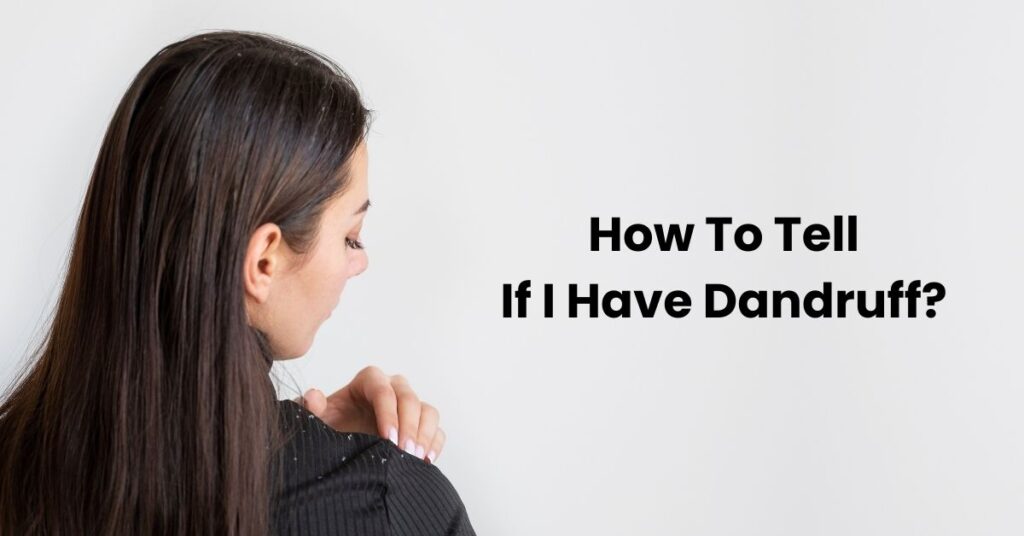
Dandruff usually shows as loose white or yellow flakes plus scalp itch, and the skin sheds without open sores or bleeding.
Flakes on your shoulders can feel personal. They’re not. A flaky scalp is common, and most cases settle once you match the right routine to the right cause. The tricky part is telling dandruff apart from dry scalp, product buildup, or a rash that needs medical care.
Below you’ll get a fast scalp check, a “what it looks like” guide, and a two-week test routine. If you’ve been typing “how to tell if i have dandruff?” into search at 1 a.m., you’ll leave with a clearer answer and a plan.
What Dandruff Looks Like Versus Other Scalp Flakes
Dandruff is a pattern: flakes, itch, and scale that keeps showing up even when you wash. It can overlap with seborrheic dermatitis, which often brings thicker, greasier scale and redness.
Use this table to pick the closest match. Then read the sections tied to that row.
| What You Notice | Most Likely Cause | Clues That Help You Decide |
|---|---|---|
| Loose white or yellow flakes that fall easily | Dandruff / mild seborrheic dermatitis | Itch comes and goes; flakes may look a bit oily; roots can feel greasy |
| Small, dry, powdery flakes and tight scalp | Dry scalp | More common after overwashing or hot showers; hair feels dry, not oily |
| Waxy scale plus redness at hairline, behind ears, or eyebrows | Seborrheic dermatitis | Scale looks thicker; skin can look pink; face may also flake |
| Thick, silvery scale with sharp edges | Scalp psoriasis | Patches can extend past the hairline; elbows or knees may also flare |
| Greasy flakes after switching hair products | Product reaction or buildup | Itch starts soon after a new product; scalp may sting; bumps can show up |
| Ring-like patch, broken hairs, or tender spots | Fungal scalp infection | Often has hair loss in spots; can spread; kids get this more than adults |
| “Flakes” that don’t brush off and feel stuck to hair | Lice nits or hair casts | Nits cling close to the scalp; hair casts slide when you pinch and move them |
| Oozing, crusting, or painful sores | Inflamed dermatitis or infection | Wet crust or bleeding is not typical dandruff; get checked soon |
How To Tell If I Have Dandruff? A Two-Minute Scalp Check
You don’t need tools. You need good light, a mirror, and clean hands. Do this before styling products so you’re seeing your scalp, not residue.
- Part your hair in three spots. Try the crown, above one ear, and the back of your head. Look for scale sitting on the skin.
- Test the flake behavior. Rub a fingertip over a flaky area. Dandruff flakes usually lift off and fall. Nits tend to stay stuck to hair.
- Check for redness and tenderness. Mild pinkness from scratching happens. Broad red patches, swelling, or pain points away from simple dandruff.
- Notice oil and feel. If the roots feel oily while the scalp still flakes, dandruff moves to the top of the list. If the scalp feels tight and dry, dry scalp is more likely.
- Scan nearby skin. Look at eyebrows, sides of the nose, and behind the ears. Flaking there leans toward seborrheic dermatitis.
Signs That Point Toward Dandruff
Dandruff is usually annoying, not painful. The flakes may be white, off-white, or yellowish. Many people notice them on dark shirts and pillowcases. The itch tends to come in waves, and scratching makes the flakes more visible.
If you want a plain-language baseline, Mayo Clinic’s “Dandruff: Symptoms and causes” lists common signs and common causes, including oily skin, dry skin, malassezia yeast on the scalp, and sensitivity to hair products.
Flakes That Brush Off
With dandruff, the scale tends to sit on the scalp and shed. You can usually brush it off your hair and shoulders. If you see oval “grains” glued to strands near the scalp, think nits or hair casts instead.
Itch That Stays On The Surface
Dandruff itch often feels like it’s right at the skin surface. It can feel worse after sweating, wearing a hat for hours, or skipping shampoo for several days.
Oily Roots With Flaky Skin
Dry scalp can flake too, yet it often comes with tightness and a dry feel. Dandruff more often shows up when the scalp makes plenty of oil and still sheds scale.
What Can Mimic Dandruff
If your flakes don’t improve after a steady anti-dandruff shampoo routine, step back and re-check. A few common look-alikes can waste your time if you treat the wrong thing.
Dry Scalp
Dry scalp flakes are often smaller and powdery. Daily shampoo with hot water, frequent clarifying washes, or dry indoor heat can trigger it. If you switch to a gentle shampoo and use warm water, dry scalp often calms quickly.
Product Buildup Or A Reaction
Dry shampoo, wax, heavy oils, and hair spray can leave a film that traps skin cells and makes them clump. A reaction to a new fragrance or preservative can also cause itchy scaling and burning.
Psoriasis, Eczema, Or Infection
Psoriasis often forms thicker patches that may cross the hairline. Eczema can look red and feel raw. A fungal scalp infection can cause broken hairs or bald spots and needs prompt medical care.
Why Dandruff Happens
Dandruff isn’t a sign of poor hygiene. It’s tied to skin turnover, scalp oil, and microbes that live on most scalps. MedlinePlus describes dandruff as flaking with yellow or white flakes and notes it’s often linked to seborrheic dermatitis. MedlinePlus’ “Dandruff, Cradle Cap, and Other Scalp Conditions” also notes it often starts after puberty.
Dandruff can also come and go. Long gaps between shampoos, cold dry weather, sweaty workouts, and friction from tight hats can all make scale show up more.
A Two-Week Test Routine To Confirm Your Guess
If you’re still thinking “how to tell if i have dandruff?” after the scalp check, run this two-week test. Keep changes small so you can see what matters.
Step 1: Pick One Medicated Shampoo
Choose a product with one clear active ingredient and stick with it. Swapping every wash makes results hard to read.
Step 2: Use It Like A Treatment
Work the lather into the scalp, not just the hair. Let it sit for three to five minutes, then rinse well. Use conditioner on hair lengths only.
Step 3: Track The Three Things That Change First
- Itch: Often eases within the first week.
- Flake size: Clumps break into smaller bits.
- Fallout: Less scale on clothing by days 10–14.
If none of those shift after two weeks of consistent use, treat it as a clue: dryness, buildup, psoriasis, or dermatitis may be in play.
If you color your hair, patch test new shampoos on a scalp area. Irritation can mimic flakes, and switching too many products at once blurs the pattern.
Shampoo Ingredients And What They’re For
Here’s a quick map of ingredients you’ll see on labels. It can help you pick your first two-week test product, or decide what to try next.
| Ingredient On The Label | What It Does | When It Fits |
|---|---|---|
| Ketoconazole | Targets malassezia yeast | Greasy flakes, recurring itch |
| Selenium sulfide | Reduces yeast and flaking | Stubborn scale |
| Zinc pyrithione | Reduces yeast and irritation | Mild flaking that flares on and off |
| Coal tar | Slows skin cell turnover | Thicker scale, some psoriasis overlap |
| Salicylic acid | Loosens and lifts scale | Flakes that cling, buildup feel |
| Sulfur | Helps shed scale | Oily scalp with visible scale |
| Tea tree oil blends | May reduce itch for some people | Light flaking when skin tolerates it |
How Often To Wash During The Test
Many people do well with medicated shampoo two to four times a week at the start. On off days, use a gentle shampoo. If you have tightly curled or textured hair, you may space washes farther apart and still focus medicated lather on the scalp.
Scalp Habits That Help The Routine Work
These are small moves, yet they can decide whether a medicated shampoo feels like it “worked” or “did nothing.”
Interrupt Scratching
Scratching breaks the surface and loosens more scale. If you catch yourself scratching, press your fingertips to the itchy spot for ten seconds instead, then release.
Rinse Styling Products Off The Scalp
If you use dry shampoo or hair spray, add an extra rinse step on wash days. Residue can trap scale and mimic dandruff.
Dial Back Water Heat
Hot water can dry the scalp and make itching worse. Warm water is kinder, and it still cleans well when you massage shampoo into the roots.
When To Get Medical Care
Most dandruff improves with the two-week test routine. Seek medical care sooner if you notice:
- Crusting, oozing, or painful sores
- Hair loss in patches or many broken hairs
- Severe redness or swelling
- No change after four weeks of steady medicated shampoo use
A clinician can check for psoriasis, eczema, infection, and reactions to hair products, then match treatment to the cause.
Dandruff Self-Check List For At Home Checks
This checklist keeps the decision simple. It also gives you a clear description to share if you book an appointment.
What I See
- Flakes are loose and fall off easily
- Flakes are white or yellowish, not thick silver plates
- No ring-shaped bald patches
- No wet crust or open sores
What I Feel
- Itch comes and goes, mostly on the scalp surface
- Roots feel oily while the scalp still flakes
- Scratching makes flakes more visible
What I Did For 14 Days
- Used one medicated shampoo consistently
- Left it on for three to five minutes before rinsing
- Kept conditioner off the scalp
- Kept hair products steady during the test
If most boxes match and the two-week test helped, you’re likely dealing with dandruff or mild seborrheic dermatitis. If the match is weak, use the first table again and follow the row that fits your scalp best.
References & Sources
- Mayo Clinic.“Dandruff: Symptoms and causes.”Lists common symptoms and outlines several frequent causes of scalp flaking.
- MedlinePlus (National Library of Medicine).“Dandruff, Cradle Cap, and Other Scalp Conditions.”Defines dandruff and explains its connection to seborrheic dermatitis and other scalp issues.

Mo Maruf
I created WellFizz to bridge the gap between vague wellness advice and actionable solutions. My mission is simple: to decode the research and give you practical tools you can actually use.
Beyond the data, I am a passionate traveler. I believe that stepping away from the screen to explore new environments is essential for mental clarity and physical vitality.