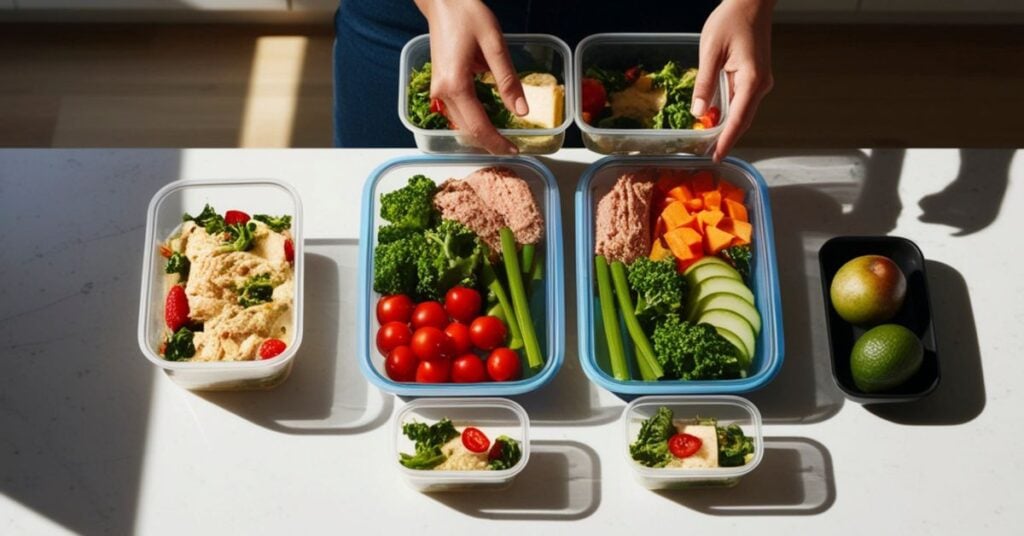
A stronger gut usually comes from steady meal timing, more fiber from real foods, enough water, a bit of daily movement, and solid sleep.
If your belly feels touchy, bloated, or slow, you’re not alone. Digestion can get thrown off by rushed meals, low fiber, not enough fluids, and long stretches of sitting.
The fix is rarely a big “detox.” It’s small habits you can repeat on busy days. This guide gives you a clear way to build those habits, plus simple options for common gut complaints.
| Habit To Build | What You’ll Notice | Easy First Step |
|---|---|---|
| Regular meal timing | Less random hunger and less late-night heaviness | Pick a 10-hour eating window most days |
| Fiber with each meal | Smoother, more regular bowel movements | Add one fruit or one cup of vegetables daily |
| Protein at breakfast | Steadier energy and fewer snack cravings | Eggs, Greek yogurt, tofu, or beans |
| Water spaced across the day | Softer stool and fewer “stuck” feelings | Drink a glass with each meal |
| 10-minute walk after meals | Less gas and less post-meal sleepiness | Set a timer and stroll indoors if needed |
| Slow down at meals | Less swallowed air and fewer belches | Put your fork down between bites |
| Sleep with a steady wake time | More consistent bathroom timing | Keep the same wake time 5–6 days a week |
| Limit late heavy meals | Less reflux and less morning nausea | Finish dinner 2–3 hours before bed |
| Check your meds and supplements | Fewer surprise side effects | Review labels for constipation or diarrhea notes |
How To Strengthen Digestive System With Daily Basics
When people ask how to strengthen digestive system health, they often want one magic food. The gut usually responds better to rhythm: when you eat, what you eat most days, and how you move through the day.
Set Meal Timing Your Gut Can Predict
Your gut has its own pace. When meals show up at random times, it’s easier to swing between “starving” and “too full.” Pick a routine you can live with.
- Try eating within a consistent 10–12 hour window.
- If you skip breakfast, keep lunch and dinner steady.
- If late-night snacking is your thing, swap it for a lighter option like fruit and yogurt.
This isn’t about rules. It’s about letting your stomach and intestines stop guessing.
Raise Fiber Without Stirring Up Gas
Fiber helps stool hold water and move along, but big jumps can cause gas. Go slow. Add fiber in steps and let your gut adjust.
A good target is to add one fiber-rich item per day for a week, then add another. Pick foods you already like: oats, berries, beans, lentils, apples, pears, carrots, broccoli, sweet potatoes, chia, and nuts.
If you want a plain explanation of what fiber is and where it comes from, MedlinePlus dietary fiber lays it out in clear language.
Two Simple Fiber Upgrades
- Breakfast: Oatmeal with berries and a spoon of chia.
- Lunch: Add beans to a salad, taco bowl, or soup.
Notice how you feel. If your belly gets puffy, cut back a bit and climb again over a few days.
Drink Enough Water To Match The Fiber
More fiber with low fluids can backfire. Spread water across the day instead of chugging at night.
If you sweat a lot, run hot, or train hard, you’ll need more. If your urine stays pale yellow most of the day, you’re often in a good zone.
Move In Small Chunks, Not Marathon Sessions
Movement helps the intestines push things along. You don’t need long workouts for this part. A 10-minute walk after meals is one of the easiest moves you can stick with.
Walk after lunch, even if it’s laps around your home.
Eat Slower To Reduce Swallowed Air
Fast eating pulls in extra air and can leave you with gas and burps. Try one simple change: put your utensil down between bites. Chew, swallow, breathe, then grab the next bite. It feels weird for two meals, then it becomes normal.
Protect Sleep Because The Gut Likes Routine
Sleep and digestion are linked through hormones and daily timing. A steady wake time can be more useful than chasing a perfect bedtime. Start with a wake time you can keep on weekdays and weekends, then let bedtime settle into place.
Food And Drink Choices That Treat Your Gut Kindly
Food is personal. One person’s “safe” meal can wreck another person’s afternoon. Still, a few patterns show up again and again: more plants, steady protein, and fewer giant swings in portion size.
Build Plates Around Real, Chewable Foods
Ultra-processed snacks can be easy on the clock, but they don’t always leave the gut happy. Try making most meals from foods you can name without reading a label: vegetables, fruit, whole grains, beans, nuts, eggs, fish, poultry, tofu, and plain dairy.
If you rely on packaged foods, pick ones with a short ingredient list and add a fresh side. A bowl of soup gets better with an apple. A frozen meal gets better with a side salad.
Try Fermented Foods In Small Portions
Yogurt with live active bacteria, kefir, miso, kimchi, and sauerkraut work well for some people. Start small. A few bites or a half cup is plenty at first.
Watch The Common Gut Irritants
If you deal with reflux, burning, or a sour taste, try adjusting these before you blame every food on earth:
- Large late dinners
- Mint, chocolate, and high-fat fried foods
- Carbonated drinks
- Strong coffee on an empty stomach
You don’t need to ban everything. Try a two-week swap, then decide what’s worth keeping.
Keeping Digestion Steady When Routine Breaks
Trips, long workdays, and family events can knock digestion off course. The goal isn’t perfection. It’s a small set of defaults you can use anywhere.
Use A Travel Meal Template
When you’re stuck with airport food or gas-station options, build a meal from three parts:
- Protein: eggs, yogurt, chicken, tuna, tofu, beans
- Fiber: fruit, vegetables, oats, whole-grain bread
- Fluid: water, tea, broth-based soup
If you can only grab snacks, pair two items: a banana plus nuts, or yogurt plus an apple. Two smaller hits can feel better than one huge meal.
Handle Restaurant Portions Without Misery
Restaurant meals can be large, salty, and heavy on fat. Split it in half before you start. Eat the first half, then wait ten minutes. If you’re still hungry, finish more. If not, you’ve got tomorrow’s lunch ready.
Pick one “treat” item per meal. If you want dessert, keep the main meal lighter. If you want fries, go easy on the creamy appetizer.
Keep Bowel Habits Steady On Busy Mornings
If you’re always rushing, your body may skip the morning bathroom signal. A few small moves can help: drink warm water after waking, eat a small breakfast, and give yourself five extra minutes in the bathroom without a phone.
| What You Feel | What Often Triggers It | First Moves To Try |
|---|---|---|
| Bloating after meals | Big portions, fast eating, sudden fiber jumps | Smaller plates, slower bites, step-up fiber over 1–2 weeks |
| Constipation | Low fiber, low fluids, long sitting, some meds | Water with meals, add oats/beans, 10-minute walks |
| Loose stool | Rich foods, stomach bug, too much caffeine | Bland foods for 24 hours, hydrate, reintroduce fiber slowly |
| Reflux or burning | Late heavy meals, fried foods, mint, carbonated drinks | Earlier dinner, smaller portions, limit fizzy drinks |
| Cramping | Gas, food triggers, irregular meal timing | Heat pad, gentle walk, keep meals steady for a week |
| Gassy afternoons | Swallowed air, sugar alcohols, large bean portions | Chew slower, check gum/candy labels, start beans at 1/4 cup |
| Bathroom urgency | Big caffeine dose, greasy meals, stress spikes | Split caffeine, pick lean meals, keep a food-and-symptom note |
| Hard stools with pain | Not enough fiber or water | Add fruit daily, increase water, talk with a clinician if ongoing |
Supplements, Meds, And When To Get Checked
Supplements can help some people, but they can also cause gas, cramps, or loose stool. Start with food and routine first. If you still want to try a supplement, try one at a time so you can tell what changed.
- Fiber powders: Can help constipation, but start with a half dose and add water.
- Probiotics: Some people feel better, others feel gassy. Give it 2–4 weeks, then stop if it’s not helping.
If you want a plain rundown of how the digestive tract works, NIDDK’s page on the digestive system is a solid reference.
Get medical care soon if you have blood in stool, black tarry stool, ongoing vomiting, fever with belly pain, unexplained weight loss, or symptoms that wake you from sleep. Those aren’t “wait it out” problems.
A 14-Day Reset You Can Stick With
This is a light reset. You’ll add habits in layers.
- Days 1–3: Drink a glass of water with each meal. Walk 10 minutes after one meal per day.
- Days 4–7: Add one fiber-rich food daily. Keep meals within a consistent 12-hour window.
- Days 8–10: Add a second fiber-rich food daily. Slow your eating at one meal.
- Days 11–14: Keep the rhythm. Adjust portions so you finish meals feeling satisfied, not stuffed.
Checklist For A Stronger Digestive System
Use this list as a simple scan before your week starts. If you hit most of these, digestion often feels steadier.
- I eat meals at roughly the same times most days.
- I get a plant food at least twice per day.
- I drink water across the day, not just at night.
- I walk after at least one meal.
- I keep dinner earlier and lighter when reflux shows up.
- I slow down at one meal so I’m not gulping air.
- I keep a steady wake time most days.
- If symptoms keep repeating, I write down meals and timing for a week to spot patterns.
That’s the core of how to strengthen digestive system habits in a way that fits real life: steady rhythm, real food, enough fluids, and a little movement.
References & Sources
- MedlinePlus (NIH).“Dietary Fiber.”Explains what dietary fiber is, its food sources, and why it matters for bowel regularity.
- National Institute of Diabetes and Digestive and Kidney Diseases (NIDDK).“Your Digestive System & How It Works.”Overview of digestion from mouth to colon, useful for understanding symptoms and habit changes.

Mo Maruf
I created WellFizz to bridge the gap between vague wellness advice and actionable solutions. My mission is simple: to decode the research and give you practical tools you can actually use.
Beyond the data, I am a passionate traveler. I believe that stepping away from the screen to explore new environments is essential for mental clarity and physical vitality.