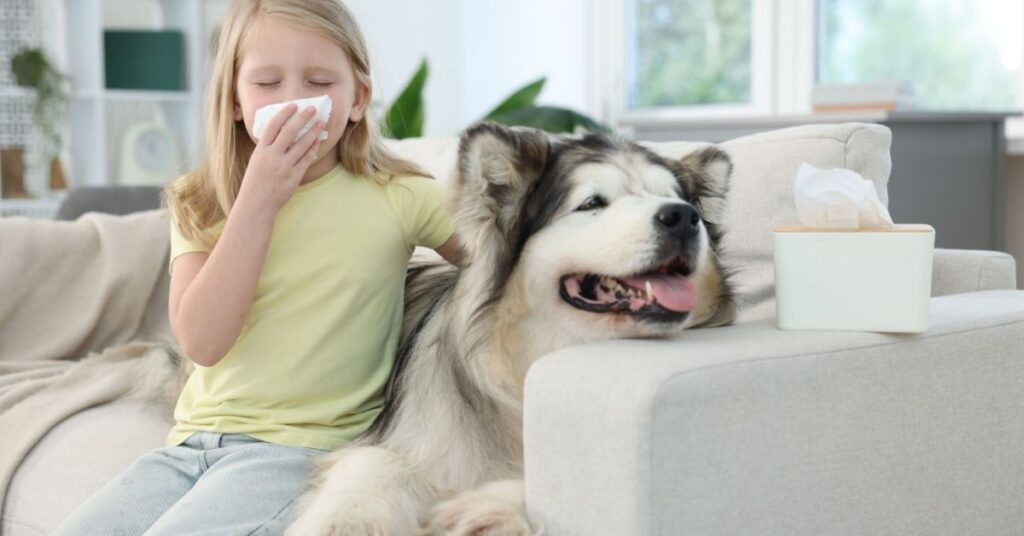
Dog allergy relief usually comes from lowering dander at home, protecting your sleep space, and using the right treatments when symptoms break through.
You can adore dogs and still react to them. Sneezing, itchy eyes, a blocked nose, cough, or a rash after cuddles can wear you down fast. The good news is that dog allergies often respond to a steady routine. Not a one-time clean. A repeatable set of moves that cuts exposure where it spikes and keeps your body calmer day to day.
| Allergen Hotspot | Why It Flares Symptoms | What To Do This Week |
|---|---|---|
| Bedroom pillows and sheets | Hours of face contact can make mornings rough | Wash bedding weekly, use zippered encasements, keep the dog off the bed |
| Upholstered couch | Dander sticks to fabric and transfers to clothes | Add a washable throw, wash it often, vacuum with a HEPA-rated filter |
| Carpet and rugs | Fibers trap skin flakes and kick them up when you walk | Vacuum slowly twice weekly, or swap to low-pile rugs you can wash |
| Dog bedding | It’s a concentrated source that sheds in one spot | Wash the bed case weekly, place it away from vents |
| Air vents and returns | Airflow spreads particles through the home | Change HVAC filters on schedule, run a HEPA air cleaner in main rooms |
| Hands and face | Allergens move from fur to eyes and nose | Wash hands after petting, keep fingers away from eyes |
| Dog coat after walks | Outdoor pollen and dust hitch a ride indoors | Wipe the coat with a damp cloth at the door, brush outside |
| Laundry basket | Clothes collect dander and spread it when re-worn | Change after long snuggles, wash when fabric allows |
| Throws, plush blankets, stuffed items | Soft items trap allergens and get overlooked | Wash throws weekly, store extras in a closed bin |
What Dog Allergies Are And Why They Feel Random
Most people aren’t reacting to “dog hair.” The bigger issue is proteins from skin flakes and saliva that end up on fur, furniture, and your own clothes. When those proteins reach your nose, eyes, or lungs, your immune system can treat them like a threat.
The “random” part often comes from timing. A brisk sweep can lift settled dust, and a couch can hit harder than a quick hello. Track where symptoms spike, then target that spot.
The AAAAI pet allergy overview notes that pet allergens can stick around in dust and on surfaces, which is why cleaning and filtration matter even when the dog isn’t right next to you.
How To Stop Allergies To Dogs With A Home Routine
If you want a plan that sticks, start with the places where your body has the most contact. That means sleep first, then sitting zones, then the air you breathe all day.
Make Your Sleep Zone A Low-Allergen Bubble
Your bedroom is the easiest place to protect because it can be one room with clear rules. Keep the dog out of the bedroom. If that’s a tough shift, start by keeping the dog off the bed and away from pillows. Wash sheets and pillowcases weekly. Encase pillows and the mattress in allergen-blocking encasements so you’re not sleeping on a reservoir of dander.
If you buy one tool, pick a bedroom HEPA air cleaner and run it for two weeks. See how mornings feel.
Clean For Allergen Removal, Not Just Looks
Allergen clean-up is about technique. Dry dusting can shove particles back into the air. Try damp wiping for hard surfaces. For floors and upholstery, use a vacuum with a HEPA-rated filter or sealed system, and move slowly so suction has time to grab the fine stuff.
Two shorter sessions each week often beat a single marathon clean, since allergens build back up.
Cut Down The Fabric Traps
Soft, textured surfaces grab and hold allergens. Swap a few high-contact items. Washable throws protect a couch. Low-pile rugs are easier than shag.
Stopping Dog Allergy Flares With Cleaner Air
Air is the hidden conveyor belt. When allergens get airborne, they reach you even when the dog is in another room. Start with filtration, then control where air moves.
Match Filters To Your Setup
If you have central heating or cooling, change the filter on schedule and make sure it fits well. If you don’t, a portable HEPA air cleaner can do the heavy lifting in rooms you use most. Place units near where you sit and where the dog spends time, not only in a hallway.
Dog Care Habits That Reduce What Comes Off The Coat
Grooming choices can change what ends up on your hands and furniture. The goal is steady reduction, not perfection.
Brush Outside And Wipe Down After Walks
Brush your dog outdoors or in a contained spot that’s easy to clean. A quick daily brush can reduce loose hair and dander that would otherwise drop around the home. After walks, wipe the coat with a damp cloth to remove pollen and dust that rode in from outside.
Bathing Frequency: Find A Schedule Your Dog Tolerates
Bathing can lower allergens on the coat for a stretch of time, but it needs a schedule. Some dogs tolerate weekly baths; others do better with less frequent baths plus wipe-downs and brushing. Use a gentle, dog-safe shampoo so skin doesn’t dry out and shed more.
Keep Dog Bedding Clean And Placed Smartly
Dog beds collect skin flakes and saliva. Wash cases weekly if possible. Put the bed away from your main sitting chair and away from vents that blow air across it. This keeps fewer particles circulating through the room.
Personal Habits That Cut The Transfer Chain
A lot of allergy misery comes from tiny transfers: hands to eyes, sleeves to face, pillows that pick up dander from hair. Small habits can cut that chain.
- Wash hands after petting, grooming, or play.
- Keep your face off the dog’s fur, even if your dog loves nose-to-nose hellos.
- Change clothes after long cuddles, then keep “dog clothes” out of the bedroom.
- Shower before bed if you’ve had a high-exposure day.
If you live with others, agree on a few simple rules that protect the person with allergies. One room that stays dog-free can lower nighttime symptoms fast.
Medicines And Longer-Term Options
Home routines lower exposure, but some bodies still react. Treatments fall into two buckets: symptom relief and longer-term immune training. The Mayo Clinic pet allergy treatment page lists common options, including medicines and allergy shots in selected cases.
For nose symptoms, many people start with an oral antihistamine and a steroid nasal spray. Sprays tend to work best when used consistently during a rough stretch, not only once symptoms are loud. Saline rinses can wash out irritants and thin mucus, which can ease pressure.
If your chest gets tight or you wheeze, treat that as a bigger deal. Pet allergens can trigger asthma symptoms in people who have asthma, and some people learn they have asthma only after repeated wheeze around animals. If breathing feels hard, seek medical care promptly.
Allergy shots can reduce reactions over time by training your immune system to react less. This is a longer commitment, often measured in months and years, but some people get lasting relief and can live with pets more comfortably.
| Option | What It Targets | When It Fits |
|---|---|---|
| Oral antihistamine | Sneezing, itching, runny nose | On days with exposure or during a rough week |
| Steroid nasal spray | Nasal swelling and congestion | Daily use during persistent symptoms |
| Saline rinse | Rinses allergens from nasal passages | After grooming, cleaning, or high exposure |
| Eye drops | Itchy, watery eyes | When eye symptoms lead the day |
| Asthma inhaler (as prescribed) | Wheeze, chest tightness | If you have asthma symptoms or a diagnosis |
| Allergy shots | Long-term reduction in sensitivity | When you want a longer plan and can commit to visits |
Find The One Gap That Keeps You Miserable
If you’ve tried a handful of steps and nothing changes, one high-exposure point is usually still wide open. Most often it’s the bedroom, the couch, or the dog sleeping on your clothes.
Try a two-week reset. Make the bedroom dog-free, wash bedding, run a HEPA air cleaner, and keep worn clothes out of that room. Keep the dog on washable throws in the living room. Brush outdoors. Then note how you feel at wake-up, mid-day, and evening. That simple check can tell you where to tighten the routine.
If you want clearer answers, allergy testing can confirm whether dogs are the main trigger or one of several. Some people blame the dog when pollen or dust mites are doing most of the damage. Knowing your triggers keeps your effort pointed in the right direction.
Safety Notes For Breathing Symptoms
Dog allergy symptoms often stay in the nose and eyes, but breathing symptoms deserve quick attention. Get urgent care if you have swelling of the lips or face, widespread hives, dizziness, or trouble breathing. If you have asthma, keep your action plan current and take flare-ups seriously.
A Weekly Rhythm That’s Not A Full-Time Chore
Here’s a realistic schedule many households can keep:
- Wash bedding and the dog bed case once a week.
- Vacuum carpets and upholstery twice a week with a HEPA-rated or sealed vacuum.
- Damp-wipe hard surfaces once a week, plus quick wipe-downs where the dog lounges.
- Brush the dog outdoors most days, then wipe the coat after walks.
- Keep one room dog-free, and protect the sleep zone daily.
If you’re searching for “how to stop allergies to dogs” because you’re close to giving up, start with the sleep zone and the couch. Many people feel a shift there first. After that, add air cleaning and grooming on a schedule. Small wins stack, and the home starts to feel livable again.
When friends ask you “how to stop allergies to dogs,” you can give a clean answer: protect the bedroom, clean with purpose, keep allergens off fabrics, and use treatment tools when symptoms break through.
References & Sources
- American Academy of Allergy, Asthma & Immunology (AAAAI).“Pet Allergy.”Describes pet allergy triggers and steps like HEPA filtration, cleaning, and limiting bedroom exposure.
- Mayo Clinic.“Pet allergy: Diagnosis & treatment.”Summarizes diagnosis and treatment choices, including medicines and allergy shots.

Mo Maruf
I created WellFizz to bridge the gap between vague wellness advice and actionable solutions. My mission is simple: to decode the research and give you practical tools you can actually use.
Beyond the data, I am a passionate traveler. I believe that stepping away from the screen to explore new environments is essential for mental clarity and physical vitality.