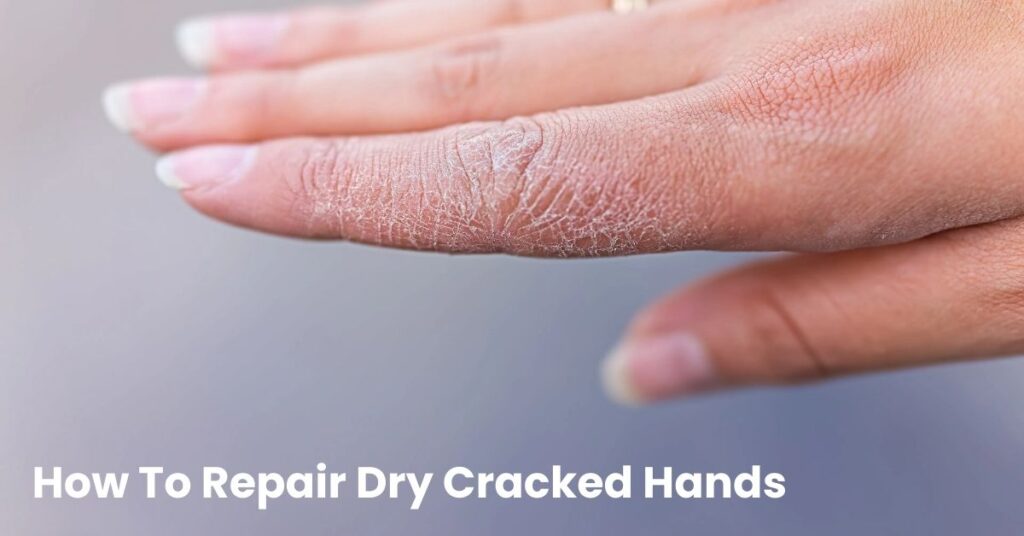
Heal sore, split hands by adding water back into the skin, sealing it with an ointment layer, and cutting the irritant contact that keeps cracks reopening.
Dry, cracked hands sting at the sink, snag on fabric, and can split deep enough to bleed. In most cases, the skin barrier is leaking water faster than you can replace it. The fix isn’t one magic cream. It’s a short routine that puts moisture back in, locks it in, and reduces the daily triggers that keep undoing your progress.
Below you’ll get a one-week reset you can start tonight right away, plus habits that keep your hands steady once they’ve healed.
| What You’re Seeing Or Feeling | What It Usually Means | What To Do First |
|---|---|---|
| Tightness right after washing | Barrier oils lifted by soap and hot water | Switch to lukewarm water and moisturize on damp skin |
| Flaky scale on knuckles | Surface dehydration with slow shedding | Use a thick cream at every sink visit |
| Sting from lotion | Alcohol, fragrance, or acids hitting micro-cracks | Move to fragrance-free cream or plain petrolatum |
| Deep splits at fingertips | Cracks reopening under grip pressure | Seal with ointment and protect overnight |
| Red patches with itch | Irritant dermatitis, sometimes allergic contact | Reduce trigger contact and use gloves for wet work |
| Rough “sandpaper” feel | Low water content plus worn surface oils | Night occlusion with ointment and cotton gloves |
| Cracks that keep returning | Triggers still present or eczema pattern | Run the one-week reset and change wash habits |
| Yellow crust, warmth, swelling | Possible infection | Get medical care soon |
What Makes Hands Crack In The First Place
Your hands go through constant “wet to dry” cycles. Each cycle swells the outer layer, then dries it out. Soap, sanitizer, and cleaners lift oils that normally slow water loss. Cold air and low indoor humidity pull moisture out faster. Add friction from tools, paper, gym bars, or pockets, and tiny splits can form.
Once a crack appears, the skin around it keeps bending every time you grip, type, or twist a cap. That movement reopens the split like a paper cut that never gets a break. The goal is to calm the surface, then give the crack a protected window to close.
Two Patterns That Need Extra Care
Most dry hands respond to barrier care. Two patterns tend to fight back: eczema-style flares with itch and repeated redness, and long exposure to water, detergents, solvents, powders, or gloves at work. In both patterns, moisturizer helps, yet results stick only when you also limit contact with the trigger.
How To Repair Dry Cracked Hands
If you’ve been searching for how to repair dry cracked hands, think in layers: water in, cream on, ointment over, then protection. Hands heal faster when you repeat the same small steps all day, not when you do one giant session once a week.
Step 1: Wash Without Stripping
Use lukewarm water. Hot water feels good, then leaves you tight and itchy. Choose a mild, fragrance-free cleanser and use only what you need to remove grime. If you can, take off rings before washing so soap doesn’t sit under them.
Dry by pressing a towel against your skin instead of rubbing. Leave a hint of dampness on purpose. That leftover water is free hydration waiting to be sealed in. The American Academy of Dermatology lays out this “moisturize while slightly damp” method in its dry skin relief from handwashing steps.
Step 2: Match Texture To The Moment
Texture matters more than price. Lotions often feel light because they contain more water and evaporate fast. Creams sit longer. Ointments feel greasy, yet they seal cracks best because they slow water loss the most.
- Daytime: A thick cream you’ll reapply.
- Night: An ointment layer to seal and protect.
Step 3: Seal A Crack, Then Limit Bending
For fingertip splits and knuckle cracks, use an ointment with petrolatum or a similar occlusive base. Spread a thin coat over the crack and the skin around it. Then shield it. A small adhesive bandage works for fingertips. Cotton gloves work for the whole hand.
Mayo Clinic gives similar bedtime advice for cracked skin: heavier ointment at night, then gauze or cotton gloves so the area stays protected while you sleep. See its guidance on healing cracked skin at a thumb tip.
Step 4: Plan For The Next Sink Trip
Most setbacks happen during the day. Keep a tube of cream at every place you wash: bathroom, kitchen, desk, car, bag. No tube nearby means no reapply.
Repairing Dry, Cracked Hands From Frequent Washing
If you wash your hands a lot, timing does the heavy lifting. The best moment is within a minute of drying, while your skin still holds water. Aim for a thin layer that soaks in, then reapply as needed. Your hands shouldn’t feel slick, just comfortable.
Hand sanitizer can sting on open skin. If you must use it, let it dry fully, then apply cream right after. If stinging is sharp or lingers, switch to soap and water for a few days and lean on the night seal step.
A One-Week Reset You Can Stick With
This plan stays simple on purpose. It builds a routine your hands can follow even on busy days. Keep each step small, then step down once your skin feels smooth and calm.
Days 1–2: Stop Water Loss
- After every wash: cream on damp hands.
- Bedtime: ointment layer, then cotton gloves for 30 minutes.
Days 3–5: Close The Splits
- Keep the after-wash cream routine.
- Bandage the worst split spots overnight after ointment.
- Use tools for wet work: dish brush, tongs, spray bottle.
Days 6–7: Set A Maintenance Rhythm
- After washes: cream as usual.
- Bedtime: ointment only on spots that still feel rough.
Product Labels That Help, And Ones To Skip
Cracked hands hate extra ingredients. Fragrance, strong preservatives, and botanical oils can sting on open skin. Choose a cream or ointment labeled fragrance-free. If you’ve reacted before, patch test first.
These label terms often help you pick the right type of product:
- Humectants: glycerin, urea, hyaluronic acid. They pull water into the outer layer.
- Emollients: ceramides, dimethicone, fatty alcohols. They smooth rough edges and fill gaps.
- Occlusives: petrolatum, mineral oil, lanolin. They slow water loss.
Skip harsh scrubs and strong exfoliating acids while your skin is split. Once cracks are closed, a gentle urea cream can soften thick, rough patches. If anything burns, wash it off and return to a plain, fragrance-free cream or ointment.
When To Layer Cream And Ointment
Layering sounds fussy until you try it. Cream brings water and softeners. Ointment traps them. If you use only ointment on bone-dry skin, you can seal in dryness. If you use only cream, it can evaporate too fast. Pairing them works well for hands that keep cracking.
| Situation | Best Layer Order | Extra Protection |
|---|---|---|
| After washing | Cream on slightly damp skin | Keep a tube by the sink |
| Before chores | Cream, then thin ointment on knuckles | Nitrile gloves for wet work |
| Cold weather | Cream, then ointment on exposed spots | Wear warm gloves outside |
| Deep fingertip split | Cream, then ointment over the split | Bandage to limit bending |
| Night repair | Cream, then generous ointment | Cotton gloves or soft socks |
| Hand sanitizer use | Let sanitizer dry, then cream | Avoid scented sanitizer |
| Hangnails | Ointment on the edge only | Trim, don’t pick |
Small Habit Tweaks That Save Your Skin
The best hand cream won’t win if your hands keep taking hits. The fixes below feel minor, yet they remove a lot of the daily irritation that keeps cracks open.
Use Gloves That Don’t Trap Sweat
Wear gloves for dishes, bathroom cleaning, and any job that keeps your hands wet. Nitrile gloves suit many people and don’t carry the same allergy risk as latex for some users. If your hands sweat in gloves, take breaks, dry your hands, then reapply cream.
Keep Soap Off The Backs Of Your Hands
Many people rub the backs of their hands hard when they wash. That’s where splits love to form. Lather your palms, then gently pass the foam over the backs. Rinse well so residue doesn’t linger.
Protect One Painful Spot During The Day
A fingertip split can ruin your whole day. If you have one “main offender,” bandage it for work or errands. A protected crack flexes less and hurts less, so you’re less tempted to fuss with it.
When Dry Cracked Hands Need Medical Care
Home care works for many people, yet there are times to get checked. Get care soon if you see spreading redness, warmth, swelling, pus, fever, or red streaks up the hand or arm. Also get checked if cracks keep returning for weeks, or if itching and rash spread beyond the hands. Hand eczema and allergic contact reactions can start as “plain dry skin,” and a clinician can help sort triggers and treatment options.
Keep Results Once Your Hands Feel Normal
After your hands heal, keep the habits that made the difference. Use cream after washes. Keep an ointment near your bed for rough spots. Carry a small tube so travel days don’t wreck your progress. When you know a heavy wash day is coming, put cream on before you start so your skin begins with a barrier layer.
If you slip and your hands start to feel tight again, don’t wait for splits. Run two nights of the seal routine and you can often stop a flare before it turns into cracks.
A Simple Daily Routine Card
Save this as your autopilot plan:
- Morning: Cream after your first wash.
- All day: Cream after every wash or sanitizer use.
- Night: Cream, then ointment; shield rough spots.
If you came here for how to repair dry cracked hands, that routine is the core. Stick with it for a week, then keep the sink-side cream habit and the bedtime seal on the roughest spots.
References & Sources
- American Academy of Dermatology (AAD).“Dry skin relief from handwashing.”Handwashing technique and moisturizing on slightly damp hands to help reduce dryness.
- Mayo Clinic.“How to heal cracked skin at thumb tip.”Night routine with heavier ointment and gauze or cotton gloves to protect splits while sleeping.

Mo Maruf
I created WellFizz to bridge the gap between vague wellness advice and actionable solutions. My mission is simple: to decode the research and give you practical tools you can actually use.
Beyond the data, I am a passionate traveler. I believe that stepping away from the screen to explore new environments is essential for mental clarity and physical vitality.