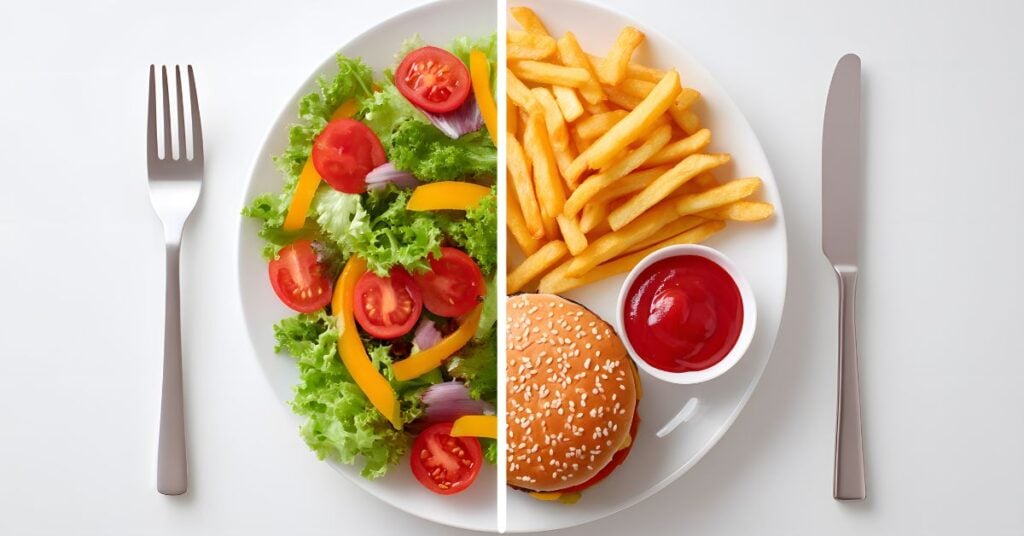
Dropping processed foods gets easier when meals start with plain staples, smart label reading, and one weekly routine.
Processed foods are all over the place, so “cut them out” can sound like a dare. It doesn’t have to. You can lower them fast without turning dinner into a project.
This guide uses three moves: reset what you keep at home, shop with a short set of label rules, and cook in repeatable patterns. You’ll still eat snacks and you’ll still have busy days. The difference is you’ll rely less on packaged shortcuts that stack added sugar and sodium.
How To Remove Processed Foods From Your Diet
Aim for “less processed,” not “perfect.” A bag of frozen vegetables is processed, yet it can keep you out of the drive-thru. The target is the stuff built to be easy to overeat: many sweet drinks, candy, chips, pastries, and lots of ready-to-heat meals with long ingredient lists.
Give yourself two weeks. Pick a few high-impact swaps and keep the rest steady. When you change a lot at once, shopping and cooking can feel chaotic. When you change two or three anchors, the rest tends to follow.
Pick Your Top Three Packaged Triggers
Most people have a short list of packaged go-tos that show up daily. It might be soda, sweet coffee drinks, breakfast bars, instant noodles, or a nightly bowl of ice cream. Write down your top three and start there.
Swapping those three items can drop a big chunk of weekly added sugar or sodium without a full pantry overhaul.
Build Meals From A Base Plus Flavor
Build meals from two parts: a plain base, plus flavor you control. Bases are foods like rice, potatoes, oats, beans, eggs, plain yogurt, tofu, fish, chicken, fruit, and vegetables. Flavor can be herbs, spices, citrus, vinegar, salsa, nuts, seeds, or a measured sauce.
Packaged meals often get their punch from sugar and salt. When you add flavor yourself, you decide how much goes in.
Read Labels With Three Quick Checks
You only need a few checks. Start with the ingredient list: shorter lists tend to signal less processing. Then scan “Added Sugars” and “Sodium” on the Nutrition Facts panel. Last, compare serving sizes. A small bag can be two servings, so numbers can double fast.
If labels feel slow at first, pick three items per trip, compare numbers, and move on. It gets easier.
What Counts As Processed And Ultra-Processed
Processing is a spectrum. Washing, freezing, canning, and pasteurizing are all forms of processing. Many of those steps help with safety and shelf life, and they can make weeknights doable.
Ultra-processed foods usually mix refined starches, added sugars, flavorings, and fats in combinations you wouldn’t use in your own kitchen. They’re built to taste loud and stay stable for months.
Fast Clues A Food Is Heavily Processed
- It has a long ingredient list with many additives, colors, or sweeteners.
- The first ingredients are refined flour, sugar, or oils.
- It’s marketed as a “meal replacement” or “snack pack” and tastes like dessert.
- It’s easy to eat quickly without feeling full.
Use these clues as a filter, not a scorecard. The goal is a cart full of foods that keep you satisfied.
Use A Plate Pattern Instead Of A No List
A strict list of banned foods can backfire. A plate pattern works better: half fruits and vegetables, then a protein, then a starch that’s close to its original form. That’s the idea behind USDA’s MyPlate guidance: What Is MyPlate?.
When the plate is already full, packaged snack foods show up less.
Removing Processed Foods From Your Diet Step By Step
This reset doesn’t demand a new personality. You’ll change what you buy and how you set up the week, then you’ll let repetition do the work.
Step 1: Do A 15-Minute Pantry Sweep
Pull out the packaged foods you eat without thinking: chips, cookies, candy, sugary cereal, sweet drinks, instant noodles, and frozen meals you use most nights. Put them in a “use up” bin and stop buying replacements.
Then stock a few staples that make meals easy: rice or potatoes, oats, beans or lentils, eggs, plain yogurt, frozen vegetables, fruit, and a protein you like.
Step 2: Swap The Daily Items First
Replace sweet drinks with sparkling water plus citrus, iced tea you brew, or plain milk. Replace packaged breakfast bars with oats, eggs, or yogurt with fruit and nuts. Replace chips with popcorn you pop at home, roasted chickpeas, or fruit with a handful of nuts.
These swaps cut added sugar and sodium and keep routines familiar.
Step 3: Cook One Batch Each Week
Batch cooking can be small. Cook a pot of rice, roast a tray of vegetables, or make a pot of beans. That one batch gives you fast bowls, salads, and stir-fries all week.
When base foods are ready, a boxed meal loses its appeal.
Keep one backup meal in the freezer: plain vegetables, cooked rice, and cooked beans. Heat, add salsa, crack an egg, eat.
Step 4: Use Sodium As A Screening Tool
Packaged and restaurant foods are a major source of sodium. CDC notes that average intake in the U.S. is well above a federal target of under 2,300 mg per day for teens and adults: CDC: About Sodium And Health.
At the store, compare similar items and pick the one with less sodium. At home, add salt with your own hand, not through hidden seasoning blends.
| Common Processed Pick | Lower-Processed Swap | What To Check |
|---|---|---|
| Flavored instant oatmeal packets | Plain oats + cinnamon + fruit | Added sugars per serving |
| Sweetened yogurt cups | Plain yogurt + berries + nuts | Added sugars and serving size |
| Breakfast pastries | Eggs + toast + fruit | Refined flour near the top |
| Instant noodles | Rice noodles + broth + veggies + egg | Sodium per package |
| Frozen pizza | Tortilla pizza + veg + cheese | Sodium, saturated fat |
| Deli meat sandwiches | Leftover chicken or tuna | Sodium and preservatives |
| Chips | Air-popped popcorn | Portion size and oils |
| Sweet coffee drinks | Coffee + milk + cinnamon | Sugar in syrups |
| Jarred pasta sauce | Crushed tomatoes + garlic + herbs | Added sugars, sodium |
Label Skills That Cut Through Marketing
Front-of-package claims are noisy. Words like “natural” can sit on foods that still carry a lot of sugar and sodium. Use the panel, not the slogan.
The FDA’s label walk-through is a handy refresher for the first few grocery trips: FDA Nutrition Facts label guide.
Pair Serving Size With Added Sugars
A Quick Grocery Check
Start with serving size, then check “Added Sugars.” If a snack is two servings and each serving has 10 grams of added sugar, that’s 20 grams if you eat the whole thing. Many people do, since the package feels like one portion.
The federal Dietary Guidelines lays out targets for limiting added sugars and saturated fat. The full document is posted here: Dietary Guidelines For Americans, 2020–2025.
Watch For Sweetener Stacking
Manufacturers can split sweeteners into several types, so each appears lower on the list. When you see several sweeteners, that’s a flag. Same with multiple refined oils and starches. You’re scanning for patterns that show the food is built from fragments instead of whole ingredients.
When you find a packaged staple you like that fits your goals, keep it. Less decision fatigue makes this change easier.
| Day | One Action | Quick Meal Anchor |
|---|---|---|
| Day 1 | Swap sweet drinks for water, tea, or milk | Eggs + vegetables + toast |
| Day 2 | Buy fruit and plain yogurt for snacks | Yogurt bowl + nuts + fruit |
| Day 3 | Cook one pot of rice or potatoes | Rice bowl + beans + salsa |
| Day 4 | Roast a tray of vegetables | Sheet-pan veg + chicken or tofu |
| Day 5 | Pick one lower-sodium staple to keep | Stir-fry + frozen veg |
| Day 6 | Plan two fast dinners for next week | Taco bowls or veggie omelets |
| Day 7 | Choose one treat you’ll buy on purpose | Snack plate at home |
Shopping Habits That Make Whole Foods Easier
Shopping shapes the week. Fill the cart with staples first, not snacks.
Shop With A Short List And A Snack First
Hunger pushes impulse buys. Eat a snack before you shop. Then stick to a list that includes a protein, a starch, vegetables, fruit, and one flavor item you like.
Repeats help. Repeating meals cuts decision overload, and you can change flavors with herbs, salsa, lemon, or vinegar.
Keep Two Fast Dinners On Deck
Processed foods win when you’re hungry and tired. Keep two fast dinners you can make in 10–15 minutes: eggs with vegetables and toast, a bean-and-rice bowl, or a quick stir-fry using frozen vegetables and a protein.
Make those meals your default for nights you’d normally order takeout or tear open a box.
Eating Out Without Sliding Back
Restaurants can fit into your routine. Order meals that follow your plate pattern: protein plus vegetables plus a starch. Ask for sauces and dressings on the side, then add what you want.
If you crave something sweet, pair it with a food that has protein or fat, like fruit with yogurt or a small piece of chocolate after dinner. Planning treats keeps them from turning into a daily habit.
A Simple Checklist For Your Next Week
Pick five items, do them for seven days, then repeat with small tweaks.
- Write your top three packaged triggers and plan swaps.
- Keep two fast dinners you can cook in 15 minutes.
- Buy fruit and plain yogurt for snacks.
- Cook one batch of a base food each week.
- Compare sodium on similar packaged foods and pick the lower one.
- Buy treats on purpose, not on impulse.
References & Sources
- U.S. Food and Drug Administration (FDA). “How to Understand and Use the Nutrition Facts Label.” Explains serving size, added sugars, and label parts used in the label-check steps.
- Centers for Disease Control and Prevention (CDC). “About Sodium and Health.” Context on sodium intake and the under-2,300 mg per day target referenced in the sodium section.
- USDA MyPlate. “What Is MyPlate?” Plate pattern used to structure meals while cutting back on packaged foods.
- DietaryGuidelines.gov (USDA & HHS). “Dietary Guidelines for Americans, 2020–2025.” Federal guidance referenced for limiting added sugars, saturated fat, and sodium.

Mo Maruf
I created WellFizz to bridge the gap between vague wellness advice and actionable solutions. My mission is simple: to decode the research and give you practical tools you can actually use.
Beyond the data, I am a passionate traveler. I believe that stepping away from the screen to explore new environments is essential for mental clarity and physical vitality.