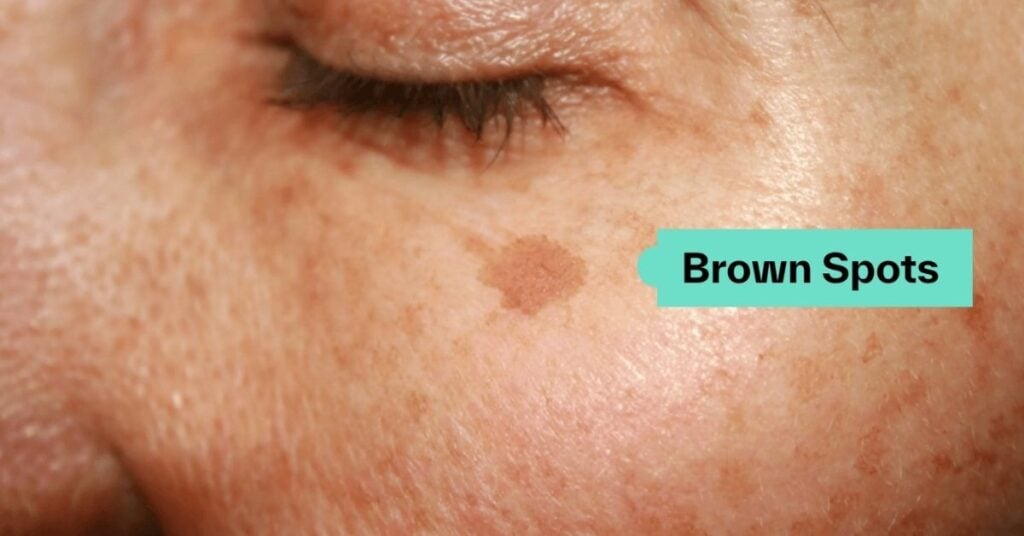
Most dark marks fade faster when you pair daily sunscreen with one proven brightening active for 8–12 weeks.
Brown spots can feel like they showed up out of nowhere. One week your skin looks even, then a faint patch on a cheek, a dot on a hand, or a brown shadow after a breakout starts grabbing your attention.
The catch is simple: “brown spot” is a label, not a diagnosis. Some spots fade with steady home care. Others shouldn’t be treated at home at all. Getting the category right saves time, money, and frustration.
This article walks you through a practical plan that fits real life: what the spot might be, what helps it fade, what can make it darker, and when it’s smarter to get a clinician to take a look.
| Brown Spot Type | Common Clues | Best First Step |
|---|---|---|
| Sun spot (solar lentigo) | Flat tan-to-brown spot with a clear edge; face, hands, chest | Daily broad-spectrum sunscreen, then a brightening active |
| Freckle | Small dots that deepen in sunny months and fade in colder months | Sun protection; aim for softening, not erasing |
| Post-acne mark (PIH) | Brown shadow where a pimple healed; more common after picking | Hands off, sunscreen, then azelaic acid or a retinoid |
| Melasma | Symmetric patches on cheeks, upper lip, or forehead; can flare with hormones | Tinted sunscreen daily, then a targeted routine |
| Seborrheic keratosis | Waxy or rough “stuck-on” bump; can be tan, brown, or black | Skip at-home acids; get it checked first |
| Mole | Round/oval spot that’s been stable for years; may be slightly raised | Leave it alone and track changes |
| Post-rash stain | Gray-brown patch after irritation, burn, or a healing rash | Calm the skin first, then treat pigment later |
| Fungal discoloration | Light or brown patches with fine scale on trunk or neck | Antifungal wash first; tone evens out afterward |
Why Brown Spots Show Up
Your skin makes pigment (melanin) as a shield. UV light, heat, friction, and inflammation can push pigment cells to make more. Hormone shifts can nudge that process too. The result is extra color in a small area.
Two patterns matter for home care. Some spots sit closer to the surface and fade with steady topicals. Others sit deeper and fade slowly, especially if you miss sun protection or irritate the skin.
If a spot is new and changing, painful, bleeding, crusting, or clearly looks different from the rest, don’t treat it like a cosmetic mark. A skin check is the safer move.
How To Remove Brown Spot
If you searched how to remove brown spot, you might be hoping for a one-step fix. Real skin doesn’t work like a whiteboard eraser. A good plan has three goals: stop new pigment from forming, speed the turnover of pigmented cells, and fade the existing color without triggering irritation.
That last part matters more than most people think. Irritation can leave its own brown stain, especially on deeper skin tones. So the winning approach isn’t “strongest product.” It’s “steady plan your skin tolerates.”
Start with sun protection every day
Sunlight can deepen existing spots and slow fading. Pick a broad-spectrum SPF 30 or higher and wear it daily. Put it on as the last step of your morning routine. Use enough to coat the whole face, not just the spot. Don’t skip the ears, hairline, neck, and hands.
If you deal with melasma or patches that darken easily, a tinted sunscreen can help since it can reduce the effect of visible light too. The American Academy of Dermatology tips for fading dark spots list what to look for on the label, including broad-spectrum coverage and SPF level.
Pick one fade ingredient, then stick with it
Choose one active ingredient that matches your spot type and your tolerance. Give it time. Swapping products every week makes it hard to tell what works, and piling on too many actives is a fast route to redness.
- Azelaic acid: a solid pick for post-acne marks and melasma-prone skin. Many people tolerate it well.
- Retinoid (retinol or prescription): speeds cell turnover and helps fade sun-related discoloration over time. Start slowly.
- Vitamin C: can brighten uneven tone and help with sun spots. Use it in the morning if it doesn’t sting.
- Tranexamic acid: found in many pigment serums; often used for patchy discoloration.
- Hydroquinone: a strong lightener in some regions; best used with medical guidance and time limits.
Add gentle exfoliation only if your skin stays calm
Mild exfoliants can help lift surface pigment. An AHA (like lactic acid) or a BHA (like salicylic acid) can work well, but only when used with restraint. Start one night a week. If you’re already using a retinoid, you may not need extra exfoliation at all.
Removing Brown Spots With A Safe 8-Week Routine
This routine is meant to be easy to follow. It gives you enough consistency to see change, with enough simplicity to avoid flare-ups.
Morning routine
- Cleanse with a mild, non-stripping wash.
- Treat with azelaic acid or vitamin C (pick one).
- Moisturize if your skin feels tight.
- Protect with broad-spectrum sunscreen SPF 30+.
Reapply if you’re outside for extended time, sweating, swimming, or towel-drying. The FDA sunscreen advice explains broad-spectrum labeling and reapplication timing in plain language.
Night routine
- Cleanse to remove sunscreen and makeup.
- Treat with a retinoid or tranexamic acid (pick one).
- Moisturize to cut down dryness and flaking.
Start your night active two or three nights per week, then increase as your skin adjusts. If you feel burning or see a bright red rash, pause the active and use only cleanser and moisturizer for a few days.
Patch test without drama
Try new actives on a small area near the jawline for three nights. You’re watching for swelling, hives, or a hot, itchy rash. Mild dryness can happen with retinoids. Pain is a stop sign.
Apply actives to the whole zone, not just the dot
For a single spot, it’s tempting to “dab and pray.” A better approach is to treat the whole area that tends to discolor, like the full cheek or the entire hand. This reduces the risk of a pale ring around the spot and helps your skin tone blend more evenly.
What Progress Looks Like In Real Life
Fading usually shows up as less contrast, not instant disappearance. Take a photo every two weeks in the same lighting. Your eyes adjust day to day, so photos help you judge change without guessing.
Use these checkpoints as a reality check:
- Week 2: fewer new dark patches from sun; skin feels stable.
- Week 4: edges soften; makeup sits more evenly.
- Week 8: clearer fade for surface marks; deeper patches often lag.
- Week 12: decide whether to stay the course or step up care.
If nothing shifts by week 8, the usual culprits are inconsistent sunscreen, using too little sunscreen, irritation from too many actives, or a spot type that needs a different plan.
Options Compared: At-Home Care Versus In-Office Care
Topicals can do a lot, especially for post-acne marks and newer sun spots. Still, some discoloration hangs on, especially on hands or areas with years of sun exposure. In-office treatments can help, yet the best choice depends on spot type and skin tone. Matching those details helps avoid rebound darkening.
| Option | Best Match | What To Watch |
|---|---|---|
| Azelaic acid | Post-acne marks, melasma-prone skin | Tingling can happen early; steady use matters |
| Retinoid | Sun damage, uneven texture | Dryness and peeling mean you need slower pacing |
| Vitamin C | Sun spots, dull tone | Stinging means the formula may not suit your barrier |
| Chemical peel | Surface pigment | Needs careful selection to avoid new staining |
| Laser or IPL | Stubborn sun spots | Not ideal for every pigment pattern; screening matters |
| Prescription lighteners | Melasma, mixed pigment | Often used in cycles with strict sun protection |
| Cryotherapy | Single sun spot | May leave temporary light spots in the treated area |
| Biopsy or removal | Changing or suspicious lesion | Done when diagnosis is needed, not for cosmetics |
When A Brown Spot Should Be Checked
Some discoloration is cosmetic. Some needs medical attention. Book a visit soon if you notice any of these:
- A new spot after age 30 that keeps changing
- Asymmetry, jagged border, or multiple colors in one lesion
- Bleeding, crusting, persistent itch, or pain
- A raised spot that grows fast or gets irritated
If you have a personal or family history of skin cancer, take new or changing lesions seriously. Photo tracking helps, but it doesn’t replace an exam.
Mistakes That Can Darken A Spot
Many “home fixes” fail because they irritate the skin. Irritation can trigger more pigment, leaving you with a larger, darker mark than you started with. Skip these traps:
- Lemon juice, vinegar, or baking soda: harsh acids and abrasives can burn and stain.
- Undiluted essential oils: they can trigger rashes and leave lingering marks.
- Rough scrubs: friction can inflame skin and worsen post-acne staining.
- Stacking strong actives: retinoid plus peel pads plus benzoyl peroxide often ends in redness.
If you want faster progress, don’t add five products. Tighten the basics: sunscreen amount, steady use, and one active applied on schedule.
Brown Spots On Hands, Arms, And Body
Skin on the hands and body often turns over more slowly than facial skin. That means you may need more patience. Sunscreen on the hands is a big deal, especially if you drive a lot or spend time outdoors for chores.
At night, a retinoid body lotion can help on arms and chest. Pair it with a plain hand cream if your hands get dry from frequent washing.
If you searched how to remove brown spot for the back or chest and the area has fine scale, consider yeast-related discoloration. That kind of patch needs an antifungal wash first. Brightening serums won’t fix the cause.
Keep Spots From Coming Back
Once a spot fades, staying even is simpler than starting over. Keep sunscreen as a daily habit. Wear a hat when you’ll be in direct sun. Treat acne early and avoid picking so fewer marks are left behind.
Give your routine enough time to work. Pigment fades on a slow clock. With consistent protection and one well-chosen active, many surface spots lighten within a few months, and you’ll know when it’s time to step up care with a clinician.
References & Sources
- American Academy of Dermatology (AAD).“How to fade dark spots in darker skin tones.”Dermatologist guidance on sunscreen choices and routines that help reduce dark spots.
- U.S. Food & Drug Administration (FDA).“Sunscreen: How to Help Protect Your Skin from the Sun.”Official guidance on sunscreen labeling, use, and reapplication timing.

Mo Maruf
I created WellFizz to bridge the gap between vague wellness advice and actionable solutions. My mission is simple: to decode the research and give you practical tools you can actually use.
Beyond the data, I am a passionate traveler. I believe that stepping away from the screen to explore new environments is essential for mental clarity and physical vitality.