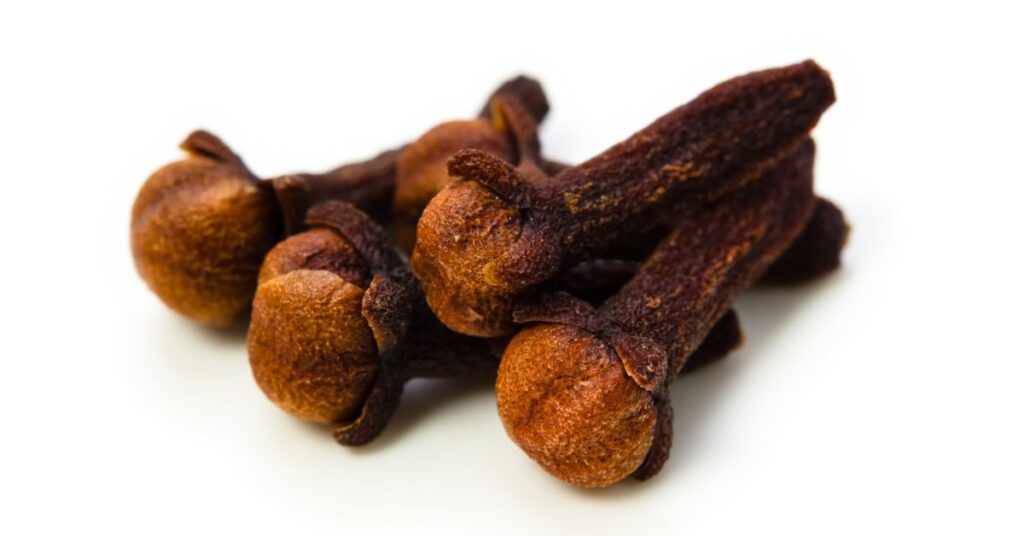
Preparing cloves for drinking means lightly cracking 4–6 whole cloves, steeping them in hot water for 5–10 minutes, then straining for a clean, warm sip.
Cloves can turn plain water into something cozy and fragrant in minutes. The catch is that they’re strong. A couple extra buds or a few extra minutes in the mug can flip a smooth cup into one that tastes sharp and drying.
This guide lays out the simple ways to prep cloves for a drink, plus the small choices that change flavor: whole vs. ground, steep vs. simmer, how to strain, and how to store a batch. You’ll get a repeatable method first, then you can tweak from there without guessing.
Clove Drink Setup Choices Before You Start
Most clove drinks go sideways when the ratio drifts. Cloves aren’t like tea leaves where you can heap a bit more and shrug. Start with a measured baseline, then change one thing at a time.
| Decision | What To Do | Why It Works |
|---|---|---|
| Clove form | Use whole cloves for drinks; keep ground cloves for cooking | Whole buds strain cleanly; ground cloves turn gritty fast |
| Starting ratio | Use 4–6 cloves per 250 ml (1 cup) of water | Clear clove aroma without an aggressive finish |
| Cracking | Press each clove once with the flat of a knife | Opens the bud so flavor releases without flooding the cup |
| Water heat | Pour water just after it stops bubbling hard | Hot water extracts fast; a hard boil can pull harsher notes |
| Steep time | Start at 5 minutes; stop by 10 minutes | Past that, the drink often tastes drying |
| Straining | Use a fine-mesh strainer or basket infuser | Catches tiny fragments so the last sip stays smooth |
| Batch prep | Simmer a concentrate, then dilute per cup | One small pot yields several servings with steady strength |
| Flavor balance | Add one lift note: ginger slice or citrus peel | Keeps clove from taking over the whole drink |
What Makes Cloves Taste Strong In Drinks
Cloves have aromatic oils that dissolve into hot liquid quickly. That’s why a short steep can taste full, and also why a long steep can get harsh.
Three moves tend to push a cup too far: using ground cloves, boiling hard, and leaving cloves in the mug with no timer. You can dodge all three with whole buds, gentle heat, and a clean strain.
If you want a factual snapshot of the spice by weight, the USDA FoodData Central listing for ground cloves shows nutrient data. In a clove drink you use a small amount, so treat that page as reference, not a daily target.
Preparing Cloves For Drinking With A Simple Steep
This is the cleanest method for a single mug. It gives a warm clove aroma without pulling too much bite.
Step 1: Pick And Rinse The Cloves
Choose cloves that look plump with intact heads. Broken bits can make the cup dusty and stronger than you planned. Rinse whole cloves in a small strainer under cool water for a few seconds, then shake dry.
Step 2: Crack The Buds
Place the cloves on a board. Press each one once with the flat side of a knife until you hear a soft snap. Don’t crush them into powder; you want a small crack, not crumbs.
Step 3: Steep With A Timer
Put the cracked cloves into a mug or a basket infuser. Pour in 250 ml (1 cup) of hot water just after active boiling settles down. Set a timer for 5 minutes.
Taste at 5 minutes. If you want more clove, go to 7 minutes and taste again. Stop by 10 minutes and strain. Leaving buds in hot water for a long sit keeps extracting and can turn the finish chalky.
Step 4: Strain And Sip
Strain into a clean cup. If you used an infuser basket, lift it out and let it drip for a few seconds. Sip while warm.
If you sweeten, start small. A half teaspoon of honey or sugar can round the edges without burying the spice.
How to Prepare Cloves for Drinking
If you want the same taste across multiple cups, a small concentrate works better than steeping fresh each time. You make one pot, then dilute by taste.
Make A Small Concentrate
Add 500 ml (2 cups) of water to a small saucepan. Add 10–12 whole cloves and crack them lightly with a spoon. Bring the pot to a gentle simmer, not a hard boil.
Keep that gentle simmer for 8 minutes, then turn off the heat. Put a lid on the pot and let it sit for 5 minutes. Strain into a jar.
Dilute Per Cup
Start with a 1:1 mix: half concentrate, half hot water. Taste and adjust. If it’s too bold, add more water. If it’s too mild, simmer one extra minute the next time or add one more clove to the pot.
Once you’ve got a ratio you like, write it down. That’s the easiest way to keep the cup steady and avoid the “why is this one so strong?” moment.
Cold Clove Water That Doesn’t Taste Flat
Cloves release flavor slower in cold water, so time does the work. This method lands lighter than a hot steep and works well for a pitcher in the fridge.
Crack 8–10 whole cloves and add them to 1 liter of cool water in a sealed pitcher. Refrigerate for 8–12 hours, then strain. If the taste is too faint, add two more cracked cloves and chill for another 4 hours, then strain again.
If you want a bit more snap without adding more cloves, steep the cracked cloves in 150 ml of hot water for 6 minutes, strain, then pour that small concentrate into the cold pitcher.
Flavor Add-Ins That Pair Well With Clove
Clove has a big personality. If you pile on spices, the cup can turn muddy. Pick one add-in first, taste, then decide if you want a second on the next batch.
- Fresh ginger: one thin slice steeped with the cloves
- Citrus peel: a strip of orange or lemon peel with the white pith trimmed off
- Black tea: brew tea first, then steep cloves for only 3–5 minutes
- Milk tea: simmer cloves in water, strain, then add warmed milk
If you’re chasing a clean clove taste, keep the cup simple. One add-in is plenty for most palates.
Safety Notes For Cloves In Drinks
Culinary cloves in normal kitchen amounts are widely used in food. Problems tend to show up when people jump to concentrated products like clove oil. Clove oil is not the same thing as steeping a few whole buds.
MedlinePlus has a clear warning page on eugenol oil overdose, which helps explain why swallowing concentrated oil can be risky. Stick to whole cloves in water, and skip homemade oils in drinks.
If you take blood-thinning medicine, have a bleeding disorder, are pregnant, or you’re making clove drinks for a child, ask your clinician before using cloves often. Keep servings light until you know how your body reacts.
How To Store Cloves And Prepared Clove Water
Whole cloves keep their punch longer than ground cloves. Store them in an airtight jar away from heat and sunlight. If the jar smells dull when you open it, the drink will taste dull too.
For prepared clove water, cool it promptly and store it sealed in the fridge. Use it within 3 days for the cleanest taste. If it turns cloudy or smells off, toss it.
If you want a warm cup later, reheat gently. Avoid boiling it again with cloves in the liquid; that can push the drink into a harsher lane.
Common Mistakes When Making Clove Drinks
Most issues come down to time, temperature, or tiny particles left in the cup. Fixing them is usually quick once you know what caused the problem.
Start by answering two questions: how many cloves did you use per cup, and how long did they stay in contact with hot water? Those two details usually explain the taste.
| Issue | Likely Cause | Fix |
|---|---|---|
| Tastes bitter or drying | Too many cloves, hard boiling, or steeping too long | Use 4 cloves per cup, steep 5–7 minutes, keep heat gentle |
| Tastes weak | Old cloves or water not hot enough | Use fresher cloves, crack them, pour hotter water |
| Gritty last sip | Ground cloves or small fragments in the mug | Use whole cloves and strain through fine mesh |
| Too sharp | Cloves steeped alone at high strength | Dilute with water or add one lift note like ginger |
| Smells strong but tastes flat | Over-steeped, then cooled | Steep shorter, then chill; add a small splash of fresh concentrate |
| Cloudy after storing | Fine particles or storage too long | Strain again through a coffee filter and use within 3 days |
| Stomach feels unsettled | Drink too strong or on an empty stomach | Cut the ratio in half and drink after a meal |
Clove Drink Prep Checklist For Your Next Cup
This checklist keeps you from guessing. Run through it once, and your cup stays steady.
- Start with whole cloves that still smell bold in the jar
- Rinse, then crack each clove once
- Use 4–6 cloves per cup of water
- Pour hot water just after boiling settles down
- Set a timer: taste at 5 minutes, stop by 10
- Strain well so the last sip stays smooth
- Adjust next time by one clove or two minutes, not both
Quick Serving Ideas Without Guesswork
If you’re making a clove drink more than once, set up a repeat routine. Save your favorite ratio in your notes app or tape it inside a cabinet door. It sounds silly, but it works.
For a single mug, stick with the simple steep. For guests, the concentrate method keeps servings consistent. For a cold pitcher, use the overnight infusion and strain well.
Once you’ve got a baseline you like, you’ve learned how to prepare cloves for drinking with a method that fits your taste. Keep it steady, tweak in small steps, and your next cup won’t surprise you.
If you want the same result tomorrow, repeat the exact steps again: that’s how to prepare cloves for drinking without the trial-and-error loop.

Mo Maruf
I created WellFizz to bridge the gap between vague wellness advice and actionable solutions. My mission is simple: to decode the research and give you practical tools you can actually use.
Beyond the data, I am a passionate traveler. I believe that stepping away from the screen to explore new environments is essential for mental clarity and physical vitality.