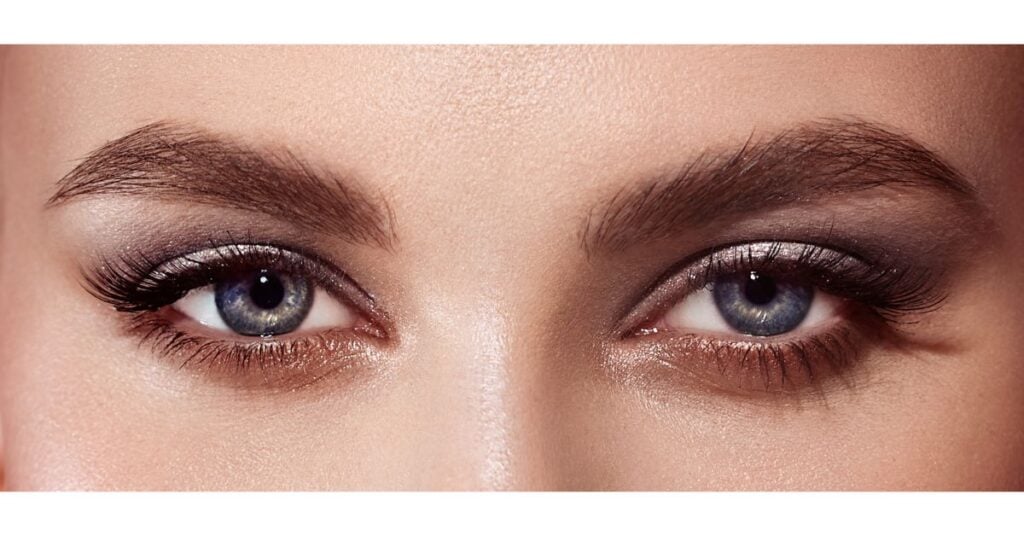
Lashes often look fuller in 6–12 weeks when you protect the lash line, cut daily breakage, and stick with a simple nightly routine.
Longer lashes feel like a small detail until you lose a few. Mascara stops sitting right. The outer corners look sparse. Then it’s tempting to chase a miracle product.
The truth is calmer. Lash “growth” is mostly two things working together: your natural growth cycle, and how many lashes survive long enough to reach their full length.
This article is built around that idea. You’ll get a routine that reduces fallout, a way to test products without wrecking your eyes, and a realistic timeline so you don’t quit right before results show up.
| What To Do | Why It Helps | How Often |
|---|---|---|
| Remove eye makeup with a gentle method | Less rubbing means fewer snapped lashes | Every night |
| Stop tugging at the lash line | Pulling breaks hairs and irritates follicles | All day |
| Keep mascara fresh and apply lightly | Dry, clumpy product causes stickiness and fallout | Daily as needed |
| Use a clean spoolie to separate lashes | Reduces tangles that lead to breakage | Most mornings |
| Skip waterproof mascara on normal days | It often needs stronger removal and more friction | Most days |
| Condition the lash line with a simple serum | Hydration can reduce brittleness and shedding | Nightly |
| Clean lashes if you wear liner daily | Build-up can irritate lids and weaken roots | Nightly |
| Take breaks from extensions and heavy falsies | Gives fragile lashes a chance to recover | Every few weeks |
| Track progress with one weekly photo | You’ll spot changes that mirrors hide day to day | Once a week |
Lash Growth Basics In Plain Terms
Eyelashes aren’t like head hair. They’re shorter, they shed more often, and they don’t keep growing forever. Each lash has a growth phase, a rest phase, then it sheds and a new lash starts.
That cycle is why you can do everything “right” for ten days and see nothing. You’re not failing. You’re waiting for new lashes to move through their phases while you protect the ones you already have.
Most people notice visible change around the two-month mark if they reduce breakage. Some see it sooner, but the safer target is 6–12 weeks. That’s long enough for a batch of lashes to mature and stick around.
How To Make Your Eyelashes Grow Quick With Less Breakage
If you searched how to make your eyelashes grow quick, the fastest result comes from reducing loss. A lash that doesn’t snap off is a lash that gets to look long.
Nightly Removal That Doesn’t Rip Lashes Out
Most lash damage happens at night, not in the serum aisle. The goal is to dissolve makeup first, then wipe it away with almost no pressure.
Try this sequence:
- Wash your hands. It keeps grit out of your eyes.
- Soak a soft pad with micellar water or a gentle cleanser.
- Press it on the closed lid for 20–30 seconds.
- Wipe downward once, slowly. No back-and-forth scrubbing.
- Repeat with a clean section of the pad until it comes away clean.
If you wear liner tight to the lash line, add one extra pass with a clean cotton swab, barely touching the roots. That’s often enough to remove the last pigment without tugging.
Morning Habits That Keep Lashes From Snapping
Small habits add up. If you want longer lashes, treat them like delicate fibers, not like a broom you can scrub.
- Skip aggressive curling. If you use a curler, squeeze gently and don’t pull outward while clamped.
- Comb before mascara. A clean spoolie separates lashes so you apply less product.
- Use lighter layers. Thick coats glue lashes together, then they break when you blink and rub.
- Take a mascara day off. Even one or two bare-lash days a week can reduce removal friction.
A Simple Conditioning Routine
Conditioning is not the same as forcing growth. Think of it as keeping lashes flexible so they bend instead of snap.
Pick one option and stick to it for eight weeks. Constant switching makes it hard to tell what helps and increases your odds of irritation.
- Peptide-based lash serums: Often used for conditioning and may help lashes feel less brittle.
- Plain occlusive oils: Some people like a tiny amount of mineral oil or castor oil on a clean spoolie. Use a pinhead amount. Keep it out of the eye.
- Prescription options: These can change lash prominence, but they carry side effects and require careful use.
Choosing Products Without Guesswork
Over-the-counter lash serums range from basic conditioners to formulas that act more like drugs. Labels can be confusing, and marketing can be louder than reality.
Start with a safety-first filter. If your eyes get red, itchy, gritty, or swollen, stop the product and let the area calm down. Restarting through irritation is a bad trade.
What Prescription Bimatoprost Can Do And What It Can Do To You
Prescription bimatoprost (often known by a brand name used for lash hypotrichosis) can increase lash prominence. It’s not a casual cosmetic for everyone, and the directions matter.
Read the FDA LATISSE (bimatoprost) label before you decide. It lays out application instructions, timeline notes, and adverse effects like eyelid skin darkening, possible iris darkening, and hair growth outside the target area.
If you wear contacts, pay attention to handling instructions and timing. If you already use pressure-lowering eye drops in the same drug class, mixing products is not a DIY move.
What “Bimatoprost” Means On A Drug Page
Bimatoprost is also used for eye pressure in glaucoma care. That medical use is one reason the side-effect list is long and specific.
The Mayo Clinic bimatoprost drug information page is a good way to scan known effects and cautions in plain language.
None of this means “never.” It means “be deliberate.” If a product can change tissues around the eye, treat it with care and don’t treat it like mascara.
Over-The-Counter Serums: A Practical Approach
If you’re going the OTC route, look for formulas that aim at conditioning: humectants, peptides, panthenol, and soothing ingredients that don’t sting.
Patch testing around the eye is tricky, so do it gently: apply a tiny amount to the skin at the outer corner (not on the lash line) for three nights. If the skin stays calm, move to the lash line with a clean applicator.
Keep your process clean. Don’t dip a wand back into a bottle after it touches your skin. Don’t share products. Don’t apply over irritated lids.
Common Triggers That Slow Progress
Some lash loss is normal, but repeated damage can keep lashes short even when follicles are fine.
Waterproof Products And Harsh Removal
Waterproof mascara can be great for weddings and rainy days. It’s rough as a daily habit if it takes oil, scrubbing, and repeated wiping to remove.
If you use waterproof often, pair it with a remover that dissolves it fast, then rinse and pat dry. Friction is the real enemy here.
Extensions, Glue, And Constant Picking
Extensions can look great, and they can also thin your natural lashes if the weight is wrong or if you pick at them. Glue sensitivity is another issue. If your lids itch, swell, or flake, pause extensions and let the area recover.
If you go back, ask for lighter sets and avoid oil-heavy products near the bond so you don’t rub and tug to “fix” slipping lashes.
Blepharitis And Lid Irritation
Chronic lid irritation can mess with lash comfort and shedding. Signs include flaky lash roots, burning, and crusting in the morning.
Gentle lid hygiene can help: warm compresses, then a mild lid cleanser, then rinse. If symptoms stick around or your eyes hurt, get checked by an eye doctor.
Options Compared After The 60% Mark
Once you’ve nailed the low-friction basics, product choices get easier. This table sorts common routes by fit and the main watch-outs.
| Option | Best Fit | Watch-Out |
|---|---|---|
| Gentle removal + breakage control | Anyone with brittle, sparse, or uneven lashes | Needs consistency for 6–12 weeks |
| Peptide-style conditioning serum | People who want a low-drama nightly step | Stop if stinging or redness starts |
| Occlusive oil on a clean spoolie | Dry, stiff lashes that snap during removal | Too much can blur vision or irritate lids |
| Prescription bimatoprost | Diagnosed lash hypotrichosis with medical guidance | Skin/iris darkening risk; avoid sloppy application |
| Extensions with lighter styling | People who want instant length for events | Bad application and picking can thin natural lashes |
| Magnetic lashes for occasions | People who want removable length without glue | Rough removal still pulls lashes if you rush |
| Growth tracking photos | Anyone who feels “nothing is changing” | Lighting must stay consistent to be meaningful |
A 30-Day Routine You Can Stick With
You don’t need ten products. You need a routine you’ll repeat without thinking.
Week 1: Reset The Lash Line
- Replace old mascara and clean your tools.
- Stop rubbing your eyes. If allergies are acting up, treat the itch without digging at the lash line.
- Switch to gentle removal with a press-and-wipe method.
Week 2: Add One Conditioning Step
- Pick one conditioner or serum and apply nightly with a clean applicator.
- Take one photo in the same lighting at the end of the week.
Week 3: Reduce Heavy Makeup Days
- Go mascara-free one or two days.
- If you use waterproof mascara, reserve it for days you need it.
- Comb lashes before mascara so you can use less product.
Week 4: Tighten The Basics And Keep Going
- Stick with the same steps. Don’t chase new bottles mid-test.
- Take a second weekly photo and compare with week 1.
- If you searched how to make your eyelashes grow quick, this is where patience pays. Week 4 is when many people quit right before visible change.
When To Get Checked
If lash loss is sudden, patchy, or paired with pain, swelling, crusting, or vision changes, get checked by an eye doctor. Lashes can thin from lid inflammation, allergic reactions, skin conditions, and medication effects.
It’s also worth getting checked if you lose brows and lashes together or if you’re shedding more hair in general. Fixing the root problem beats stacking products.
One-Page Checklist For Longer Lashes
- Remove makeup by soaking and wiping once, not scrubbing.
- Keep waterproof mascara as an occasional tool, not a daily default.
- Comb lashes before mascara to reduce clumps and tugging.
- Use fresh mascara and clean tools.
- Pick one conditioner or serum and stay with it for 8 weeks.
- Avoid picking at extensions or falsies.
- Take one weekly photo in the same lighting.
- Stop a product if redness, itch, or swelling starts.
References & Sources
- U.S. Food and Drug Administration (FDA).“LATISSE (bimatoprost) Label.”Lists directions, expected timeline notes, and known adverse effects for prescription bimatoprost used for eyelash hypotrichosis.
- Mayo Clinic.“Bimatoprost (Intraocular Route, Ophthalmic Route) Description.”Summarizes medical use, cautions, and side effects tied to bimatoprost.

Mo Maruf
I created WellFizz to bridge the gap between vague wellness advice and actionable solutions. My mission is simple: to decode the research and give you practical tools you can actually use.
Beyond the data, I am a passionate traveler. I believe that stepping away from the screen to explore new environments is essential for mental clarity and physical vitality.