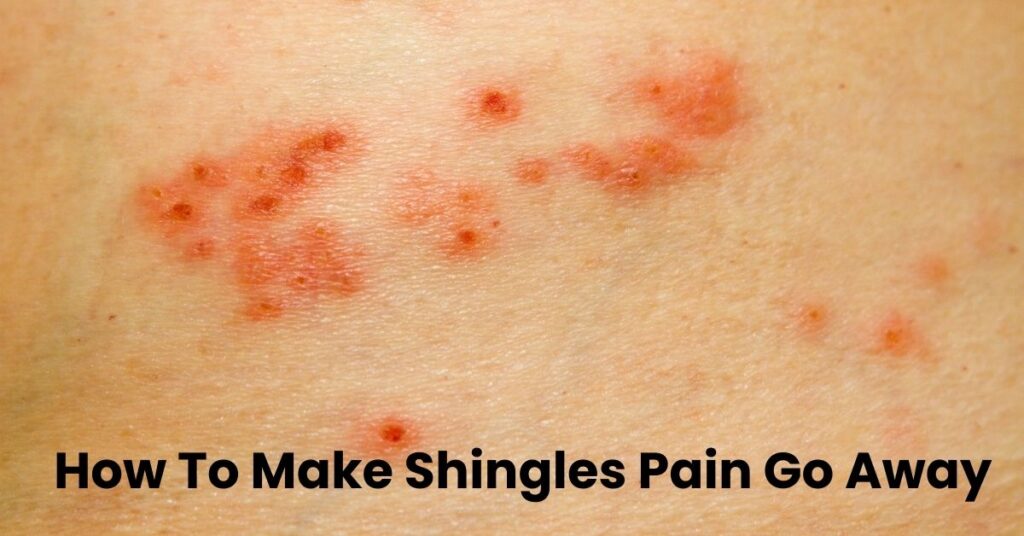
Shingles pain often eases faster when antivirals start early, the rash stays cool and clean, and nerve pain is treated in steady steps.
Shingles can hit like a bad sunburn mixed with an electric shock. The rash looks rough, yet the pain is what drains you. If you’re here, you want relief you can feel right now, not vague tips.
Below is a clear plan: what to do in the first days, how to soothe the skin without making it worse, and when it’s time to get same-day care. You’ll also see what lingering nerve pain looks like and how people usually treat it.
| Option | Best Use | Safety Notes |
|---|---|---|
| Prescription antivirals (acyclovir, valacyclovir, famciclovir) | Early shingles symptoms or new rash, ideally within 72 hours | Ask for fast evaluation; earlier starts often mean fewer new blisters |
| Acetaminophen | General aches, fever, mild to moderate pain | Stay within label limits; avoid doubling up in multi-symptom cold meds |
| NSAIDs (ibuprofen, naproxen) | Aching and soreness with swelling | Avoid with ulcer history, kidney disease, blood thinners, late pregnancy |
| Cool compresses | Burning, itching, “hot” skin | Clean cloth, cool water; 10–15 minutes, then let skin dry |
| Calamine or colloidal oatmeal | Surface itch and irritation | Skip fragrance; stop if it stings or makes the area feel warmer |
| Topical lidocaine (patch or gel) | Local hot spots on intact skin | Follow package timing; keep off open blisters unless told to use it |
| Nerve-pain prescriptions (gabapentin, pregabalin, some antidepressants) | Shooting, stabbing, “pins and needles” pain | Sleepiness can happen; doses often rise in stages |
| Short-term stronger pain medicine | Pain that blocks eating or sleep | Use only under medical direction; avoid alcohol and driving |
What’s Going On Under The Skin
Shingles comes from the varicella-zoster virus, the same virus that caused chickenpox. After chickenpox, the virus stays quiet in nerve tissue. Years later it can wake up, travel along a nerve, and inflame that route.
That nerve irritation is why the rash often stays on one side of the body. It’s also why light touch can hurt. A T-shirt seam, a bra strap, or a sheet can feel like sandpaper even when the skin barely looks touched.
If the area feels numb, itchy, and painful at once, that’s common. Nerves can send mixed signals while they heal. Gentle, clean contact like a soft cotton pad for a few seconds can retrain touch, then stop before it flares.
How To Make Shingles Pain Go Away In The First 72 Hours
The first few days are the window where smart action can shrink the whole episode. Think of it as three tracks: treat the virus, control pain, and keep the skin from getting angry.
Get Evaluated Fast For Antiviral Treatment
Antiviral medicine won’t erase pain instantly, yet it can cut the amount of virus activity, which often means fewer new blisters and a shorter run of symptoms. The CDC shingles clinical overview notes that treatment works best when started within about 72 hours of symptom onset, and it lists acyclovir, valacyclovir, and famciclovir as preferred choices.
Go the same day if the rash is near an eye, on the nose, inside the mouth, or on the ear. Those locations raise the risk of lasting damage, and speed matters.
Start A Simple Pain Plan Right Away
Most people begin with over-the-counter medicine. Pick one route that fits your health history and follow the label. If you’re already on prescription meds, double-check for overlaps with a pharmacist or clinician.
If pain is sharp, shooting, or feels like lightning, tell the clinician early. That pattern often needs nerve-pain medicine, not just standard pain relievers.
Keep The Rash Cool, Clean, And Lightly Covered
Heat makes the burn louder. Use cool compresses, not ice packs. Soak a clean cloth in cool water, wring it out, place it on the rash for 10 to 15 minutes, then let the skin air-dry.
Wash once daily with mild soap and lukewarm water. Pat dry. If clothing rubs, use a nonstick dressing and change it daily. If the area is left uncovered, wear loose cotton and keep friction low.
At-Home Relief That Doesn’t Backfire
Home care can make a big difference, yet shingles skin is touchy. Aim for simple steps that reduce heat and friction.
Choose Skin Products Like You’re Dressing A Burn
Fragrance, strong exfoliants, and heavy ointments can trap heat. Stick with plain calamine, colloidal oatmeal baths, and gentle moisturizers on nearby dry skin. Let each product dry before you put on clothing.
Skip blister-popping. It raises infection risk and spreads virus fluid. Let blisters crust on their own.
Use Lidocaine Carefully
Topical lidocaine can dull a hot spot for a few hours. It’s meant for intact skin. If blisters are open, ask a clinician before using it. Follow timing directions, and don’t pile patches on large areas.
Watch For Skin Infection Clues
Shingles blisters can get infected. Red flags include spreading redness beyond the rash border, worsening swelling, pus, or a new foul smell. If that shows up, get medical care the same day.
Getting Relief From Shingles Pain At Night
Nights can feel endless with shingles. When the room gets quiet, the brain has fewer distractions and the burn seems louder. Build a bedtime routine that blocks the common triggers: friction, heat, and poorly timed medicine.
Set Up The Bed To Reduce Touch Pain
- Wear loose cotton with smooth seams, or turn a shirt inside out.
- Use a light sheet instead of a heavy blanket that presses on the rash.
- Prop pillows so you’re not lying on the rash side.
- Keep the room cool; aim any fan airflow away from the rash zone.
Time Medicine So It Peaks At Bedtime
Random dosing often turns into chasing pain. Use a schedule that follows label or prescription timing, and line it up with sleep. If you take a nerve-pain medicine that causes drowsiness, bedtime dosing can be a plus. If it makes you groggy the next morning, ask about shifting timing.
Use A Two-Minute Reset When You Wake Up
If you wake with burning, do one short cool-compress round, then let the skin dry. Smooth the sheet so it doesn’t snag the rash. This small reset can stop the spiral where irritation keeps climbing.
When You Need Same-Day Medical Care
Get prompt care if any of these appear:
- Rash on the face, nose, eye area, or ear
- Eye redness, light sensitivity, blurry vision, or eye pain
- New weakness in an arm, leg, or face
- Severe headache, stiff neck, confusion, or trouble staying awake
- High fever that won’t settle
- Immune system problems, cancer treatment, transplant medicines, or long-term steroid use
If you’re pregnant, or you’re caring for a newborn, call a clinician promptly if shingles is suspected.
Pain That Lingers After The Rash: Postherpetic Neuralgia
Many people feel relief as blisters crust. Some don’t. Nerve pain that stays after the rash clears can be postherpetic neuralgia (PHN). The CDC notes PHN can last months or years after the rash goes away.
PHN pain can be burning, stabbing, or deep aching. Light touch may hurt more than you’d expect. This is where treatment often shifts toward nerve-targeted medicine and topical options on healed skin.
Common PHN Tools A Clinician May Offer
MedlinePlus shingles treatment notes antivirals can reduce pain and shorten the illness, and many people still need pain medicine. For lingering nerve pain, clinicians often use a mix like:
- Gabapentin or pregabalin
- Low-dose tricyclic antidepressants for nerve pain
- Lidocaine patches on healed skin
- Capsaicin in selected cases, used carefully because it can sting early
Track your pain morning and night, plus how many hours you slept. Bring that log to follow-ups. It makes dose changes faster and less guessy.
| Pattern | What It May Mean | Next Step |
|---|---|---|
| Pain still severe after 48–72 hours on antivirals | Nerve irritation still high | Ask about adding a nerve-pain medicine or adjusting timing |
| New blisters keep appearing after several days | Ongoing viral activity | Get rechecked; dosing or diagnosis may need review |
| Rash crusted but burning pain remains | PHN may be starting | Ask about PHN options like lidocaine patches or gabapentin |
| Touch from clothing hurts more than the rash looks | Allodynia | Use loose cotton, a nonstick dressing, and ask about nerve meds |
| Redness spreads beyond the rash border, skin feels hot | Possible skin infection | Same-day medical care for evaluation and treatment |
| Rash near the nose or eye area tingling | Higher eye risk | Urgent evaluation to protect vision |
| Pain blocks eating or sleep even with OTC meds | Pain control not adequate | Ask about stronger short-term options and a sleep-safe plan |
| After rash clears, pain still daily after 3 months | Longer PHN course | Ask about a longer-term nerve plan and gradual dose changes |
What The Timeline Often Looks Like
Many cases run 3 to 5 weeks. Blisters often crust in 7 to 10 days. Pain often peaks early, then fades as crusts form. Nerve sensitivity can linger after the skin looks healed.
“Better” can show up as smaller pain spikes, longer sleep stretches, and less sting from clothing. If you’re moving in that direction, you’re on track.
A 24-Hour Checklist You Can Start Today
- Seek care fast if you’re within the first 72 hours of symptoms, or if the rash is on the face or near an eye.
- If antivirals are prescribed, start them right away.
- Pick one safe over-the-counter pain option and track doses.
- Use cool compresses in short rounds, then let skin dry.
- Keep friction low with loose cotton and nonstick dressings.
- Set a bedtime plan with timed medicine and a cool room.
- Get rechecked if redness spreads, fever rises, or pain keeps climbing.
If you came here searching how to make shingles pain go away, the best path is quick treatment plus steady daily care. You don’t have to white-knuckle it.
If you’re still searching how to make shingles pain go away after the rash has crusted, ask about PHN-focused care. The strategy often changes once the skin phase is over.
References & Sources
- Centers for Disease Control and Prevention (CDC).“Clinical Overview of Shingles (Herpes Zoster).”Notes early antiviral timing and preferred antiviral options.
- MedlinePlus (NIH).“Shingles (Herpes Zoster).”Summarizes treatment, including antivirals and pain medicine needs.

Mo Maruf
I created WellFizz to bridge the gap between vague wellness advice and actionable solutions. My mission is simple: to decode the research and give you practical tools you can actually use.
Beyond the data, I am a passionate traveler. I believe that stepping away from the screen to explore new environments is essential for mental clarity and physical vitality.