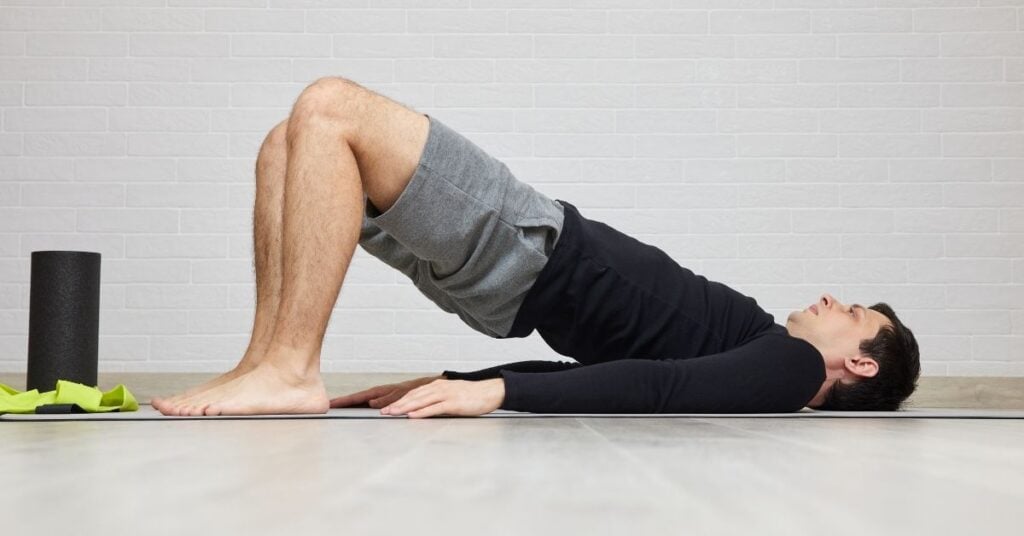
Pair brisk walking or intervals with full-body lifting and a modest calorie deficit to lose 0.5–1 kg per week and keep muscle.
Most people want “fast” weight loss that still feels normal: decent energy, steady mood, and clothes that fit better soon. Exercise can help, but only when it’s aimed at the right target. That target is a steady calorie gap, plus training that protects muscle while you burn fat.
This plan shows what to do this week, how hard to push, and how to track progress without obsessing. If you have a health condition, are pregnant, or take medicines that affect heart rate or blood sugar, speak with your clinician before changing training.
Fast Weight Loss With Exercise Starts With A Safe Pace
“Fast” still needs a guardrail. A steady loss of about 1 to 2 pounds per week tends to stick better than bigger drops, according to CDC steps for losing weight. Early losses can look bigger because stored carbs carry water, so watch the trend across weeks.
Fat loss comes from a calorie gap, while your workout plan decides what you keep. Strength work helps you keep muscle, and that keeps your day-to-day burn from sliding.
| Training Piece | Good Weekly Dose | Why It Helps |
|---|---|---|
| Brisk walking | 150–210 min | Low joint stress, steady burn, easy to repeat. |
| Incline walking | 60–120 min | Higher effort without running impact. |
| Bike or elliptical | 60–180 min | Adds volume on sore-leg days. |
| Rowing or swimming | 30–90 min | Full-body work that raises heart rate. |
| Intervals | 10–25 min, 1–2x | Short bursts lift fitness and burn. |
| Full-body lifting | 2–4 sessions | Protects muscle while dieting. |
| Carry, push, pull circuits | 1–2 sessions | Burns calories while building strength. |
| Daily “move breaks” | 5–10 min, 2–4x/day | Raises total activity without long workouts. |
How To Lose Weight Fast With Exercising
If you searched for how to lose weight fast with exercising, you’re probably juggling time, energy, and patience. This setup works for most adults: lift to keep muscle, add cardio you’ll repeat, then tighten food just enough to keep the scale sliding.
Think in three levers:
- Calories in: portions, drinks, snacks, and weekend drift.
- Calories out: workouts, steps, and how much you sit.
- Recovery: sleep and soreness, plus your life schedule.
Push all three a little. Don’t try to smash one lever and ignore the rest. That’s when people burn out or get hurt.
Losing Weight Fast With Exercising And Smart Food Choices
Exercise helps, but food choices decide the size of the calorie gap. You don’t need a weird diet. You need repeatable meals that keep you full.
Start with this plate pattern:
- Half the plate: high-fiber plants like salad, beans, broccoli, berries, or apples.
- One quarter: protein like eggs, fish, chicken, tofu, or Greek yogurt.
- One quarter: carbs like rice, potatoes, oats, or pasta—measured, not free-poured.
- Fats: a thumb of oil, nuts, or avocado.
Keep liquids honest. Sugary drinks, alcohol, and creamy coffees can wipe out a workout. If you want a treat, plan it and keep the portion small.
Set A Calorie Gap Without Counting Every Bite
If tracking apps make you spiral, use anchor meals instead. Pick two meals a day that stay steady, then leave one meal flexible. Many people anchor breakfast and lunch, then keep dinner social.
Try these low-friction moves:
- Use a smaller bowl for cereal, ice cream, and chips.
- Add protein to snacks: yogurt, jerky, cottage cheese, or edamame.
- Pre-portion nuts or trail mix into small containers.
Weekly Training Plan That Drops Fat And Keeps Muscle
The fastest look-changing plan keeps strength while your waist shrinks. That means you lift. Cardio still matters, but it sits on top of strength, not instead of it.
Strength Training 3 Days A Week
Use full-body sessions, 45–60 minutes each. Pick weights you can lift with clean form for 6–12 reps. Rest 60–120 seconds between sets. Add a rep, then add weight when it feels smooth.
Session A
- Squat or leg press: 3 sets of 6–10
- Bench press or push-ups: 3 sets of 6–12
- Row (machine, dumbbell, or cable): 3 sets of 8–12
- Plank: 3 rounds of 30–60 seconds
Session B
- Hinge (deadlift, RDL, or hip thrust): 3 sets of 6–10
- Overhead press: 3 sets of 6–12
- Lat pulldown or assisted pull-up: 3 sets of 8–12
- Side plank or Pallof press: 3 rounds
Session C
- Split squat or lunge: 3 sets of 8–12 each side
- Incline press or assisted dips: 3 sets of 6–12
- Chest-braced row or face pull: 3 sets of 10–15
- Farmer carry: 4 rounds of 30–60 meters
Cardio That You’ll Repeat
Use two styles: steady work that builds mileage, plus one short interval day. Adults are advised to get at least 150 minutes a week of moderate activity, and strength work on two or more days, per CDC physical activity and your weight and health.
Steady days: 30–45 minutes of brisk walking, cycling, or easy jogging, at a pace where you can speak in short sentences.
Interval day: 5 minutes easy, then 6–10 rounds of 30 seconds hard and 90 seconds easy, then 5 minutes easy. Keep the hard part tough but controlled.
Daily Movement That Adds Up
Most calorie burn comes from the hours outside the gym. Short move breaks work well: five minutes of stairs, a lap around the block, or a fast tidy-up can nudge your total burn without feeling like a second workout.
Set a simple target: stand up every hour, and stack 20–40 minutes of walking across the day. Walk during calls. Take the long route to the bathroom. Keep a water bottle that forces refills.
When Time Is Tight
Busy weeks happen. Instead of skipping everything, keep one lift and one cardio slot. A 25-minute full-body circuit can keep the habit alive and hold strength.
If you’re sore, keep reps smooth and stop each set two reps early.
- Pick three moves: a squat, a push, and a pull.
- Do 8–12 reps each, then rest one minute.
- Repeat for 5–6 rounds, then walk 10 minutes.
On days you can’t train, use walking as your fallback. Two 10-minute walks still count. Stack them after meals so they happen on autopilot.
How Hard Should You Push For Faster Results
Go too easy and nothing changes. Go too hard and you miss sessions, then the week falls apart. Use these checks:
- Talk test: steady cardio should let you talk in short phrases.
- Rep speed: in lifting, the last reps slow down, yet form stays clean.
Most weeks, keep most of your training at a doable effort. Save the “dig deep” feeling for one interval day or a final set.
Progress Tracking That Stays Sane
Scale weight is noisy. Salt, travel, and sore muscles can bump it up for a day or two. Track trends, not single days.
Use two markers plus one gym check:
- Weekly average weight: weigh 3–7 mornings, then average it.
- Waist measure: same spot, same time of day, once a week.
- Main lift trend: keep reps steady as body weight drops.
| Stall Cause | What To Try | What You Should See |
|---|---|---|
| Weekend drift | Plan two treats, write them down first | Weekly average starts sliding again |
| Portions crept up | Measure carbs for 7 days | Scale trend drops without extra hunger |
| Too little protein | Add 20–30 g at breakfast | Fewer snack urges later |
| Too many hard days | Swap one interval day for easy cardio | Better sleep, steadier effort |
| Steps fell | Add a 10-minute walk after two meals | Higher totals with no extra gym time |
| Hidden drink calories | Switch to zero-sugar drinks for a week | Deficit widens with no extra hunger |
| Late-night snacking | Brush teeth after dinner, keep snacks out of sight | Evening intake drops |
| Short sleep streak | Set a fixed bedtime for 7 nights | More stable appetite and drive |
Common Mistakes That Slow Fat Loss
Doing only cardio. Cardio helps, but lifting keeps your shape. Without strength work, you can end up smaller but soft.
Eating back every “calorie burned.” Wearables miss the mark. Use them for trends, not permission slips.
Skipping easy days. If you’re sore all week, you won’t train well. Keep some sessions light so you can show up again.
Two-Week Kickstart Checklist
These 14 days are built for momentum. Keep it simple and repeatable.
- Schedule three full-body lifting sessions.
- Schedule two steady cardio sessions.
- Do one short interval session, or swap it for steady work if you’re new.
- Walk 10 minutes after lunch and dinner on four days.
- Pick two anchor meals and repeat them most days.
- Hit a protein source at every meal.
- Keep drink calories near zero on weekdays.
- Sleep at a fixed time at least five nights.
- Track a weekly average weight, not daily swings.
- Adjust one thing per week, not ten things at once.
By day 14, you’ll know what parts fit your life. Keep the structure, then nudge the calorie gap or walking time up a notch if progress slows. If you feel dizzy, faint, or unwell during training, speak with a licensed clinician.
To recap the core idea in plain terms: how to lose weight fast with exercising comes down to lifting to keep muscle, adding repeatable cardio, moving more all day, and eating in a steady calorie gap you can live with.
References & Sources
- Centers for Disease Control and Prevention (CDC).“Steps for Losing Weight.”States that gradual loss of about 1–2 lb per week is more likely to last.
- Centers for Disease Control and Prevention (CDC).“Physical Activity and Your Weight and Health.”Lists weekly activity targets (aerobic minutes plus strength days) that align with weight management.

Mo Maruf
I created WellFizz to bridge the gap between vague wellness advice and actionable solutions. My mission is simple: to decode the research and give you practical tools you can actually use.
Beyond the data, I am a passionate traveler. I believe that stepping away from the screen to explore new environments is essential for mental clarity and physical vitality.