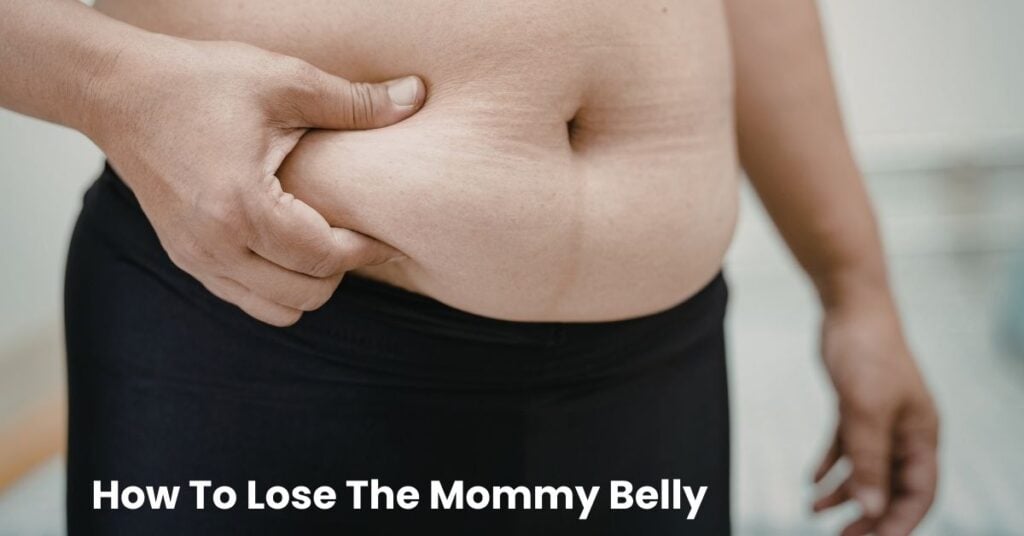
A steady calorie gap, core rehab, and daily walking can shrink postpartum belly over months, not days.
Post-baby bellies are normal. Your body stretched, shifted, and did a huge job. After birth, the belly can stay round from stored fat, loosened tissue, posture changes, and a core that doesn’t yet manage pressure well.
If you’ve tried “eat less, move more” and the lower belly still hangs on, you’re not alone. The fix is usually two-track: steady fat loss plus core rebuild. This article walks you through both, with clear steps and red flags.
| What’s Going On | What You Might Notice | What Helps Most |
|---|---|---|
| Fat stored during pregnancy | Soft lower-belly padding that shifts with weight changes | Small calorie deficit, protein-forward meals, daily movement |
| Uterus returning to size (early weeks) | Firm, “full” feeling even without extra food | Time, gentle walks, fluids, sleep breaks |
| Diastasis recti (ab separation) | Ridge or “doming” along the midline during a crunch | Breath-led deep core work, safe progressions, skip doming moves |
| Pelvic floor fatigue | Heaviness, leaks, shaky core during lifts | Breathing with pelvic floor cues, slower loading, smart impact choices |
| Posture changes and rib flare | Lower back arch, belly pushed forward, tight hips | Glute and upper-back strength, ribs stacked over pelvis |
| Constipation and gas | Swollen belly by evening, discomfort after meals | Gradual fiber increase, more fluids, walk after meals |
| C-section incision stiffness | Pulling near the scar, limited trunk rotation | Follow medical clearance, gentle scar work once healed, slow core ramp |
| Low sleep and “grabby” hunger | Cravings, larger portions, snacky nights | Planned snacks, easy protein, simple weekly targets |
How To Lose The Mommy Belly After Birth: Start With A Simple Plan
Think in two tracks: fat loss and core function. Fat loss changes your measurements. Core function changes your shape and how your belly sits in clothes. Most people need both to see the belly flatten.
If you’re searching for how to lose the mommy belly, start by locking in one anchor habit, then stack the next one.
Before you ramp up training, get the green light at your postpartum visit, especially after a C-section or a complicated birth. If you want a plain set of return-to-activity guardrails, use ACOG’s “Exercise After Pregnancy” FAQ. If you have heavy bleeding, dizziness, sharp pain, fever, or chest symptoms, call your doctor right away.
Pick One “Anchor Habit” For The Next 14 Days
Two weeks is long enough to build momentum and short enough to stay sane. Pick one habit that moves the needle and is easy to track.
- Walking: 20–40 minutes on most days
- Protein: a protein food at each meal
- Core work: 6 minutes, 4 days per week
Choose one. Do it. Then add the next piece.
Make A Modest Calorie Deficit That Won’t Drain You
To lose belly fat, you need a small, steady calorie gap. Skip crash diets. They tend to backfire when sleep is choppy and you’re caring for a baby.
Start with three swaps you can repeat:
- Trade one sweet drink for water, sparkling water, or unsweetened tea.
- Add a fist-sized serving of fruit or veg at lunch and dinner.
If you’re breastfeeding, hunger can swing hard. Keep the deficit small, watch milk supply, and aim for slow loss.
Pregnant And Postpartum Activity Rules That Keep You Consistent
A steady baseline beats bursts of “all in” workouts. The CDC notes that healthy postpartum women can aim for at least 150 minutes per week of moderate activity, like brisk walking, spread across the week. Read the current details in CDC physical activity guidance for postpartum women.
Walking: The Quiet Workhorse
Walking burns calories, helps digestion, and builds stamina without beating up your joints. Start where you are, then bump time in small steps:
- Week 1: 10–15 minutes, 5 days
- Week 2: 15–25 minutes, 5 days
- Week 3: 25–40 minutes, 5 days
Strength: Two Short Sessions Per Week
Strength training keeps muscle while you lose weight and helps posture. Pick two days and keep each session to 20–30 minutes. Use moves that train big muscles and feel steady:
- Chair squat
- Hip hinge (light dumbbell or kettlebell)
- Band row
- Incline push-up
- Glute bridge
Stop 2–3 reps before failure. You’re building repeatable work, not chasing exhaustion.
Core Rehab That Flattens The Belly Without Crunches
Many postpartum bellies stick out because the core can’t manage pressure yet. When you do a crunch and the center line pops up like a ridge, pressure is pushing outward. Build the deep system first, then layer harder work on top.
Check For Diastasis Recti In Two Minutes
Lie on your back with knees bent. Place fingertips across your midline at the belly button. Exhale, lift your head a few centimeters, and feel for a gap or ridge. A gap alone isn’t the whole story. The feel matters: firm tension often improves with training; a soft, sinking feel calls for a slower ramp.
If you see doming, feel pain, or have leaks or heaviness, book a visit with a pelvic floor physical therapist. A few sessions can sharpen your cues fast.
Six-Minute Starter Sequence
Do this 4 days per week. Keep it calm. Stop if you get doming or sharp discomfort.
360 Breathing With A Slow Exhale
- Inhale through the nose and feel ribs expand sideways and into your back.
- Exhale through pursed lips, let ribs drop, and gently draw the lower belly in.
- Do 6 breaths.
Pelvic Tilt And Return
- On an exhale, tip the pelvis so your low back gets closer to the floor.
- On an inhale, return to neutral.
- Do 8 slow reps.
Heel Slide With Tension
- Exhale, set ribs down, then slide one heel away a few inches.
- Bring it back with the belly still gently drawn in.
- Do 6 reps per side.
Moves To Pause Until Your Midline Stays Flat
Put these on the “not yet” list if they cause doming or pain: full sit-ups, aggressive twisting, heavy front planks, and high-impact jumping. Bring them back later once your midline holds firm.
Food Habits That Target Lower Belly Fat
Lower belly fat is tied to total body fat, so food habits matter. The trick is building meals that work on tired days and keep you full.
Protein At Meals And One Snack
Protein helps fullness and helps keep muscle while you lose weight. Aim for a protein food at each meal and one snack: Greek yogurt, eggs, tofu, beans, cottage cheese, chicken, fish.
Fiber And Fluids To Cut Bloat
Postpartum constipation is common. A tight belly from slow digestion can mask fat loss and feels rough. Add fiber in small steps: oats, berries, beans, lentils, leafy greens. Pair it with more fluids and a short walk after meals.
Plan The “Snack Spike” Hour
Most people have one daily stretch where snacking spikes: late afternoon, after bedtime, or during night feeds. Pick one planned option and keep it ready: yogurt and fruit, a chicken wrap, peanut butter on toast, or cereal with milk.
Protect Your Pelvic Floor While You Shrink The Belly
High-impact work and aggressive core moves can backfire while the pelvic floor is still regaining strength. Use symptoms as feedback.
If a session leaves you with leaks, heaviness, or pain later that day, scale it down. Trade jumping for brisk incline walking. Trade heavy lifts for lighter sets with clean form. You’ll still improve.
Signs You’re Pushing Too Hard
- Midline doming during core work
- Incision soreness that ramps up after training
- New leaks, heaviness, or pain
- Fatigue that lingers past the next day
| Time Frame | Focus | Simple Check |
|---|---|---|
| Weeks 0–6 | Gentle walks, breath-led core, sleep breaks | Comfort level and bleeding pattern |
| Weeks 6–12 | More walking time, light strength, steady midline | Waist measure weekly, doming check |
| Months 3–6 | Slow load increases, harder core work, hills | Energy and symptom-free training |
| Months 6+ | Return to running or higher impact if symptoms stay quiet | No leaks or heaviness during impact |
Weekly Schedule Built For Real Days
This template keeps things simple. If you miss a day, shrug and pick up the next one.
Sample Week
- Mon: 20–30 minute walk + 6-minute core
- Tue: Strength session (20–30 minutes)
- Wed: Two short walks (10–15 minutes each)
- Thu: 20–30 minute walk + 6-minute core
- Fri: Strength session (20–30 minutes)
- Sat: Longer stroller walk or hills
- Sun: Rest or gentle walk + 6-minute core
Posture Fixes That Change Shape Fast
Some belly “hang” is posture. New parents spend hours curled over a baby. Try this reset a few times per day:
- Stand tall, exhale, let ribs drop.
- Lightly squeeze glutes and feel the pelvis stack under you.
Ten seconds, done. It can change how your midsection looks right away.
What Results Look Like Month To Month
Most people notice clothes fitting better before the scale shifts much. Take a waist measurement once per week, same time of day, and use it as your main scorecard.
Timelines vary, yet the basics keep winning: a modest calorie gap, steady walking, strength twice per week, and core work that keeps pressure in check. If you want extra guardrails, your doctor or midwife can help you pick a safe pace back into workouts.
When friends ask about how to lose the mommy belly, this is the mix that keeps working: walk often, lift twice weekly, and rebuild the core with patience.
When you repeat this plan for 8–12 weeks, the belly starts to change, your core feels steadier, and daily movement feels easier. Keep the plan plain, then let time do its part.
References & Sources
- Centers for Disease Control and Prevention (CDC).“Pregnant & Postpartum Activity: An Overview.”Activity targets and safety notes for pregnant and postpartum women, including the 150-minute weekly benchmark.
- American College of Obstetricians and Gynecologists (ACOG).“Exercise After Pregnancy.”Postpartum exercise pacing and general recommendations used to frame safe return-to-activity choices.

Mo Maruf
I created WellFizz to bridge the gap between vague wellness advice and actionable solutions. My mission is simple: to decode the research and give you practical tools you can actually use.
Beyond the data, I am a passionate traveler. I believe that stepping away from the screen to explore new environments is essential for mental clarity and physical vitality.