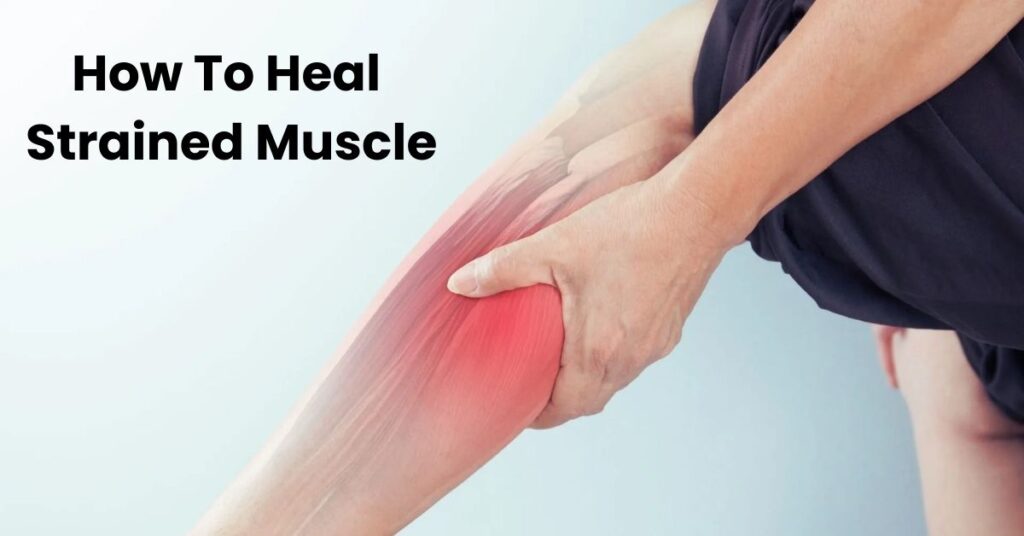
Most mild muscle strains feel better in 1–2 weeks with early rest, short ice sessions, then gentle motion and steady loading.
A strained muscle can feel like it hijacked your day. One wrong step, one heavy lift, and now you’re stuck weighing every move.
This page gives you a clear, safe way to calm pain, limit swelling, and get back to normal activity without rushing the tissue before it’s ready.
| Time Window | What To Do | What To Avoid |
|---|---|---|
| First 2 hours | Stop the activity, get comfortable, check for deformity or loss of feeling | “Walk it off,” stretching hard, heat, massage, alcohol |
| 2–24 hours | Cold pack 10–20 minutes at a time, light wrap, raise when resting | Direct ice on skin, tight wrapping that causes tingling, long hot showers |
| Day 1–2 | Short walks or easy range-of-motion that stays under sharp pain | Deep stretching, sprinting, heavy lifting, “testing” max strength |
| Day 3–5 | Add gentle isometrics (tighten without moving), keep swelling down | Long rest in one position, limping through errands |
| Days 5–10 | Begin light strength through a comfortable range, simple balance work | Plyometrics, fast direction changes, long runs |
| Week 2 | Build load and volume in small steps, add faster movement if pain stays mild | Jumping back to old training numbers, “no pain, no gain” |
| Return window | Use a return checklist: full range, near-normal strength, no next-day flare | Returning while you still guard the area or change your mechanics |
| Any time | Seek medical care for red flags (below) | Trying to self-treat a suspected tear or fracture |
What A Muscle Strain Is And Why It Hurts
A muscle strain is a stretch or tear in muscle fibers or the tendon that connects muscle to bone. The pain you feel is a mix of tiny fiber damage, swelling, and your body’s “don’t do that” alarm system.
Strains range from mild (a few fibers) to severe (a large tear). Mild cases often settle with home care. Bigger tears can need imaging or, at times, repair.
Common Clues You’re Dealing With A Strain
- Sudden pain during a sprint, lift, twist, or slip
- Tenderness when you press the sore spot
- Pain with contraction (like pushing, pulling, or rising from a chair)
- Swelling, bruising, or a tight “knot” sensation
Red Flags That Call For Medical Care
Don’t try to tough these out. Get medical care soon if you notice any of the items below:
- A pop followed by fast swelling or bruising
- Visible dent, lump, or a new gap in the muscle
- Can’t bear weight, can’t lift the limb, or the joint feels unstable
- Numbness, coldness, color change, or pain that keeps climbing
- Fever, spreading redness, or a wound near the injury
How To Heal A Strained Muscle Fast During The First 72 Hours
If you want to know how to heal a strained muscle fast, your first win is calming the area down. Early care is less about “fixing” the tissue and more about limiting extra irritation.
A simple method used by clinicians is RICE: rest, ice, compression, elevation. The American Academy of Orthopaedic Surgeons describes this approach and the basic timing for cold packs and raising the limb on its OrthoInfo page about soft-tissue injuries (AAOS RICE protocol details).
Rest Without Freezing Up
Rest means you stop the move that caused the pain. It doesn’t mean you glue yourself to the couch for days. Change position often. Take short, easy walks if you can do it without a limp.
Ice In Short Sessions
Use a cold pack wrapped in a thin towel. Aim for 10–20 minutes, then let the skin return to normal temperature before the next round. Cold can cut pain and swelling early on.
Compression That Feels Snug, Not Numbing
A stretchy wrap can limit swelling. Start at the far end of the limb and wrap toward the body. If you feel tingling, numbness, throbbing, or the skin turns pale, loosen it.
Raise The Limb When You’re Still
When you’re resting, prop the area so it sits above heart level. This can help fluid drain away from the sore spot.
Pain Relief Choices That Don’t Derail Healing
Acetaminophen can help with pain for many people. Anti-inflammatory medicines can also reduce pain for some strains, yet they’re not a fit for everyone. If you have stomach ulcers, kidney disease, blood thinners, pregnancy, or other medical issues, read the label and ask a clinician or pharmacist what’s safe for you.
What To Do After Day 3: Motion First, Then Load
After the sharpest phase fades, gentle movement helps fibers line up and keeps nearby joints from stiffening. The goal is calm, repeatable motion with no sharp pain.
Start With Range Of Motion
Pick two or three easy movements that use the injured area in a small range. Do 5–10 slow reps, two to four times per day. Stop well short of a pain spike.
Add Isometrics To Wake The Muscle Up
Isometrics are “tighten without moving.” They’re a good bridge between rest and lifting. Try 5 gentle squeezes held for 10 seconds, once or twice per day. You should feel effort, not a stab.
Heat Has A Place, Just Not On Day One
Heat can feel good once swelling is settling and your motion work starts. Use warmth before movement to loosen the area, then use cold after activity if it throbs.
Healing A Strained Muscle Fast With A Simple Strength Progression
People heal faster when they return to safe loading at the right time. The trick is choosing loads that the tissue can handle, then building in small steps.
Mayo Clinic’s treatment page for muscle strains also starts with R.I.C.E. and then shifts to gradual activity as pain allows (Mayo Clinic muscle strain self-care).
Step 1: Easy Strength In A Short Range
- Choose an exercise that doesn’t pinch, like a shallow squat for a thigh strain or a light row for an upper-back strain.
- Do 2–3 sets of 8–12 reps, slow tempo.
- Keep pain mild during the set and calm afterward.
Step 2: Build Range Before You Chase Weight
Once the short-range version feels steady for two sessions, increase the range a little. Keep the load the same. Let range lead the way.
Step 3: Add Load In Small Jumps
Raise weight, resistance band tension, or reps by a small amount. If you flare up the next morning, scale back one step and hold there for two sessions.
Step 4: Reintroduce Speed And Change Of Direction
If your sport needs sprinting, jumping, or quick cuts, treat that as its own phase. Start with light skips, then short accelerations, then longer efforts on later days.
Recovery Habits That Make Each Day Easier
Sleep And Daily Rhythm
Sleep is when many repair signals peak. Aim for a steady bedtime, a cool dark room, and fewer late-night screens. If the area aches at night, use pillows to keep it in a relaxed position.
Food And Fluids
Your body needs energy and protein to rebuild tissue. Include protein at each meal, add fruit or vegetables for micronutrients, and drink enough that your urine stays light yellow.
Work And Errands Without A Setback
Try “micro-breaks.” Every 30–45 minutes, stand up, change position, and do a few gentle reps of your range-of-motion moves. Small resets beat one long rehab session that leaves you sore.
Table: Return Checks That Reduce Re-Injury Risk
| Check | How To Test | Pass Standard |
|---|---|---|
| Walking | Walk 10 minutes at a normal pace | No limp during or after |
| Range | Move the joint through your normal range | Near-equal side to side |
| Basic strength | 10 controlled reps of a simple lift | Pain stays mild |
| Next-day response | Check the area the next morning | No new swelling or sharp pain |
| Balance | Single-leg stand 30 seconds (lower body) | Steady without grabbing |
| Tempo | Do the move faster while staying controlled | No guarding or hitching |
| Sport pattern | Do a light drill (jog, shuffle, easy swing) | Form looks normal |
| Full session trial | Return at 50–70% volume, then build | Stable across 48 hours |
Common Mistakes That Slow Healing
Stretching Hard Too Soon
A fresh strain has irritated fibers. Long, hard stretching can pull on that tender spot and restart swelling. Save longer stretches for later, once strength and range are returning.
Too Much Rest After Day 3
Long rest can lead to stiffness and weaker tissue. You don’t need pain. You do need regular motion and a little load.
Masking Pain Then Overdoing It
Pain medicine can make you feel ready when the tissue isn’t. If you take anything for pain, use it to move better, not to set a new personal record.
One-Page Checklist For The Next 7 Days
- Day 0–1: stop the trigger activity, cold pack in short sessions, raise when resting.
- Day 1–2: short walks and gentle range-of-motion, no deep stretching.
- Day 3–4: add isometrics, keep daily motion steady.
- Day 5–7: add light strength in a short range, then widen the range step by step.
- Any day: if pain spikes, swelling grows, or function drops, get medical care.
If you came here asking how to heal a strained muscle fast, keep your focus on two things: calm early care, then steady motion and loading. Do that, and many mild strains settle on their own with time and patience, too, for many.
References & Sources
- American Academy of Orthopaedic Surgeons (AAOS).“Sprains, Strains & Other Soft-Tissue Injuries.”RICE steps, cold-pack timing, compression, and limb-raising basics for acute soft-tissue injuries.
- Mayo Clinic.“Muscle Strains: Diagnosis And Treatment.”Self-care overview and a safe shift from early rest and cold packs to gradual activity as pain allows.

Mo Maruf
I created WellFizz to bridge the gap between vague wellness advice and actionable solutions. My mission is simple: to decode the research and give you practical tools you can actually use.
Beyond the data, I am a passionate traveler. I believe that stepping away from the screen to explore new environments is essential for mental clarity and physical vitality.